


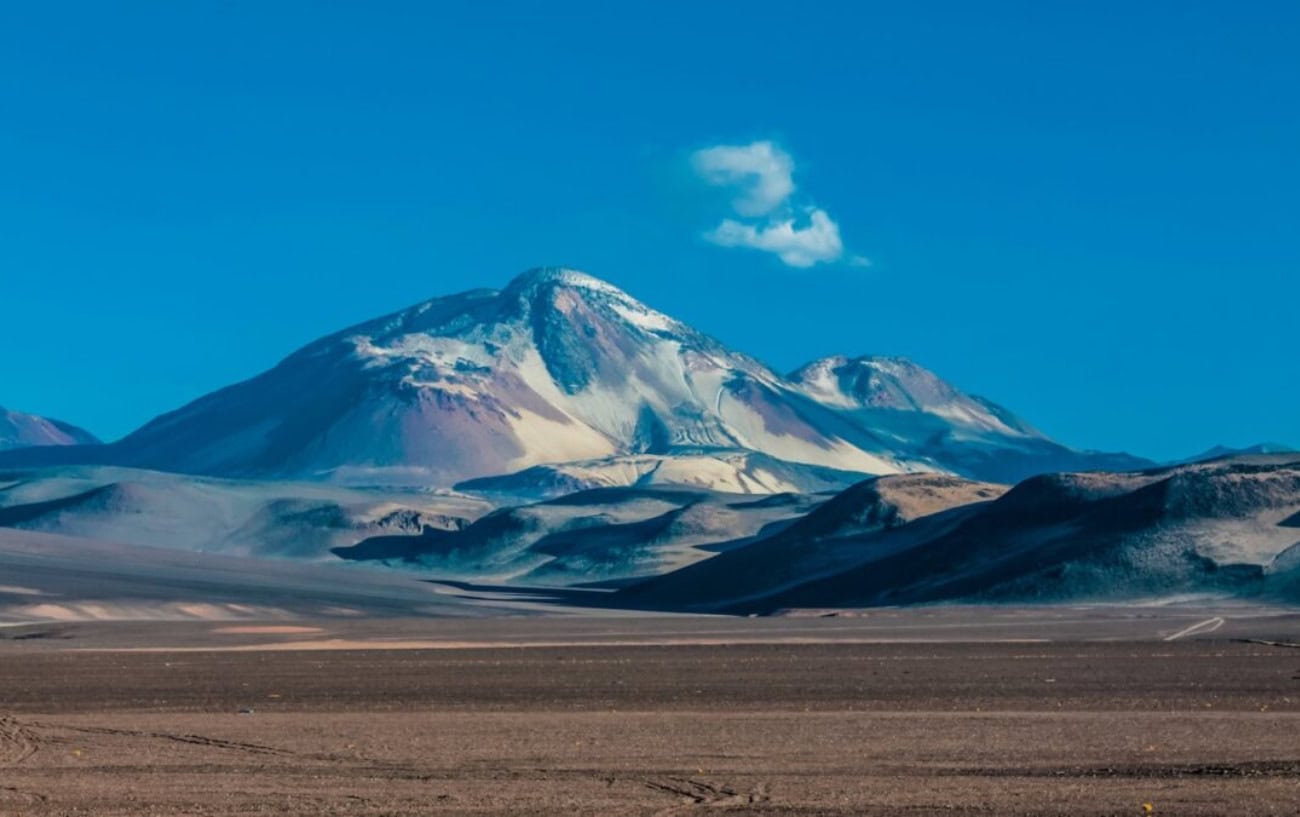
Ten runners are preparing to attempt what organizers are calling the world’s highest marathon, a 42.2km descent from the summit of Ojos del Salado, the world’s tallest volcano, on the Chile-Argentina border.
The marathon is scheduled for Feb. 10, 2026, and will begin at an elevation of 6,893 meters (22,615 feet). At that altitude, oxygen levels are estimated at around 44 percent of what runners experience at sea level, creating conditions that make even walking difficult, let alone running for 26.2 miles.
The event is being organized by BecomingX, a learning and development company co-founded by adventurer Paul Gurney and Bear Grylls. Organizers say participants will spend nearly two weeks acclimatizing before the race begins.
So, Who’s All Going?
The participants include British adventurer and television personality Aldo Kane, world-record cyclist Mark Beaumont, elite mountaineers Sibusiso Vilane of South Africa and Gavin Bate of the United Kingdom, and BecomingX CEO Paul Gurney. Chilean athlete Andrea Cornejo is also listed as part of the expedition, along with four additional amateur runners.
Vilane, who is known for beig the first Black South African to summit Mount Everest, said the challenge is more than a physical one.
“We’re not here to conquer the mountain or the marathon, but to conquer our doubts and limitations,” he said.
Gurney acknowledged the uncertainty of attempting a marathon at extreme altitude.
“This is one of the toughest events imaginable and aims to challenge perceptions of what people think is possible,” he said. “Despite some of the extraordinary characters and experience we have on this expedition, nothing is certain.”
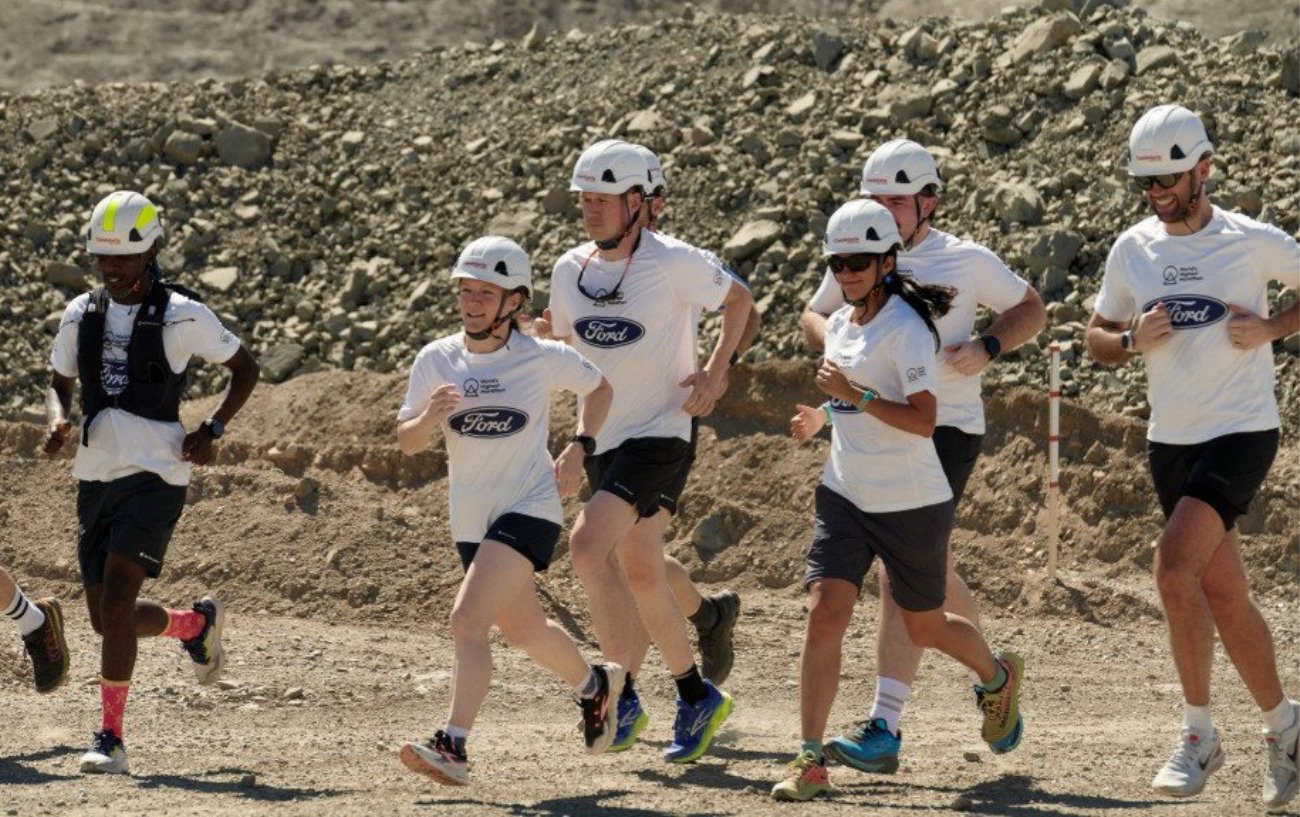
a Group run through an active copper mine
As part of their preparation, the team recently completed a training run at the Candelaria open-pit copper mine in Chile, organized in collaboration with Lundin Mining, the mine’s majority owner.
Participants ran uphill on roads graded at about 7 percent in temperatures exceeding 35°C, wearing protective helmets and navigating around active mining operations.
“Running in Candelaria was one of the most extraordinary things I have ever done and a perfect opportunity to give the team a taste of the challenge ahead,” Gurney said.
Beaumont described the training run as a rare glimpse into an environment few athletes ever see.
“It was a privilege to be able to take part in this run in Candelaria, doing something that very few people will ever do,” he said. “The sheer scale and complexity is staggering.”
Jack Lundin, president and CEO of Lundin Mining, said the company was pleased to support the group’s preparation.
“This team is pushing themselves to extraordinary heights,” he said, adding that the company wished the runners success.
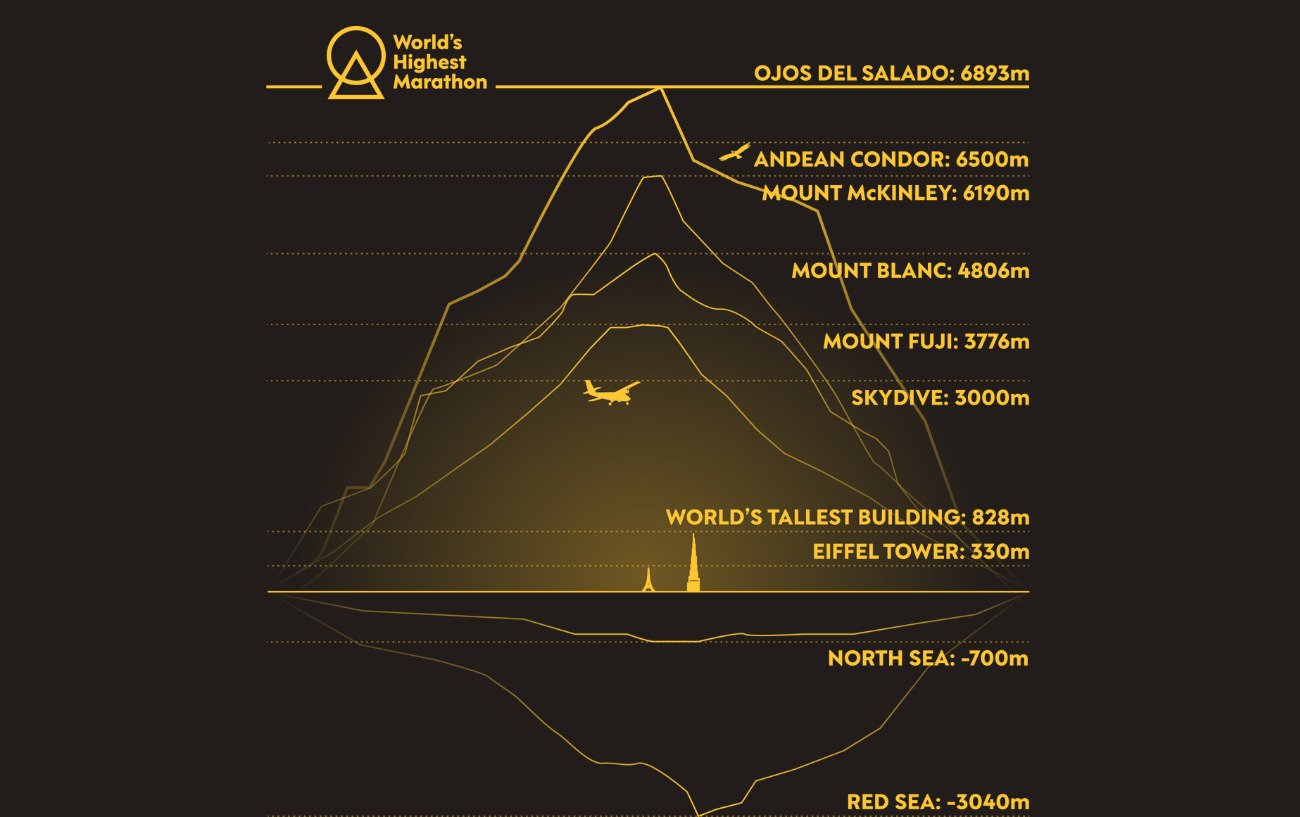
Part of a growing trend of extreme “record” endurance events
The attempt follows BecomingX’s World’s Deepest Marathon, held last year inside Sweden’s Garpenberg zinc mine more than 1,118 meters below sea level.
This time, the focus is altitude rather than depth, and the risks are different. At nearly 7,000 meters, runners face not just fatigue but the possibility of altitude sickness, hypothermia, and dangerous weather conditions.
For marathon fans, the appeal is obvious: it is a marathon in name and distance, but in practice it looks more like a mountaineering expedition with a finish line.
Whether all 10 runners make it down the mountain remains to be seen. But the attempt is expected to draw global attention as one of the most extreme marathon projects ever staged.
RunClub
Get more running stories — join RunClub
Daily running news, a community of 300,000+ runners, free training plans for every distance, and a daily running game. Free to join — no card.
Already a member? Log in →








Start the conversation