


The Osaka International Women’s Marathon, one of the fastest women-only road races in the world, returns for its 45th edition on Jan. 25 with a small but mighty elite field and a long history of shaping women’s distance running in Japan.
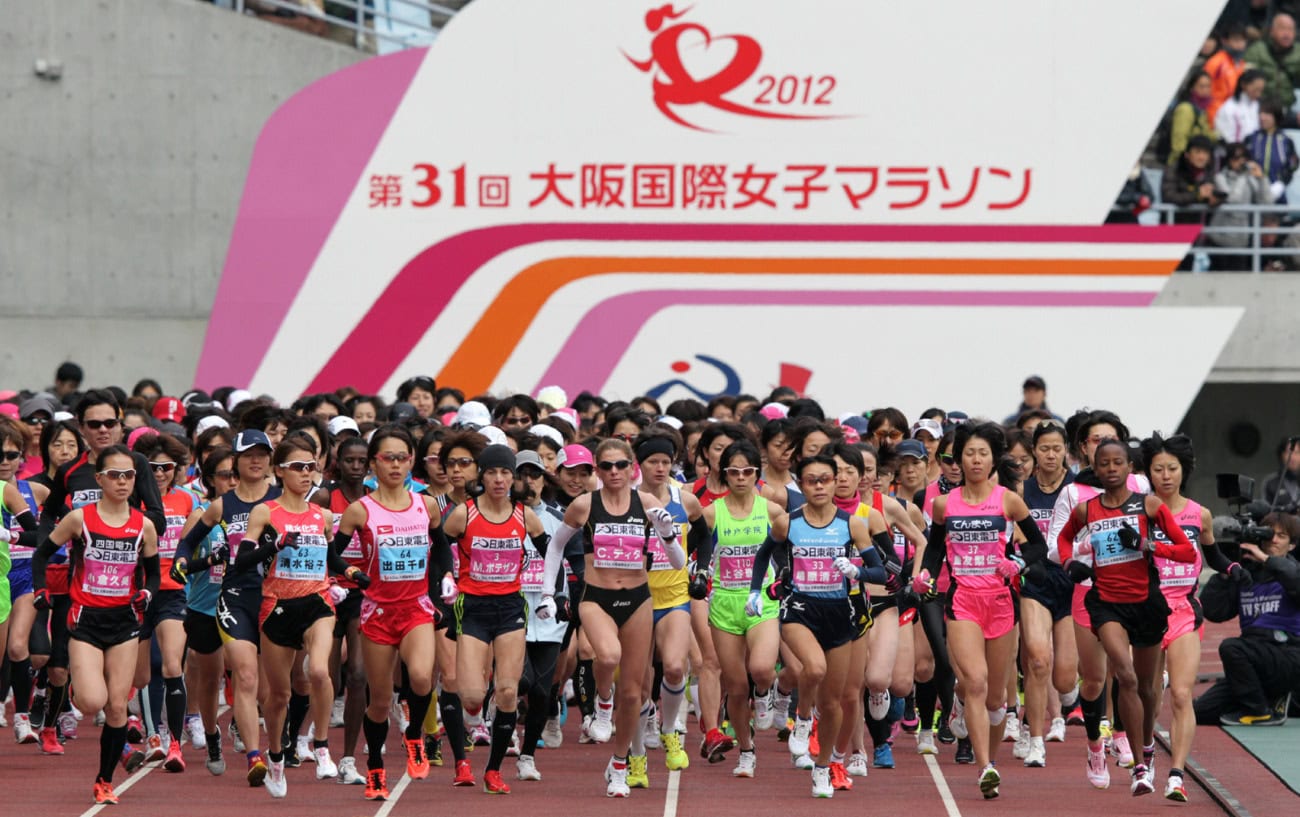
Founded in 1982, the race was created at a time when opportunities for elite women marathoners were still limited globally. Japan embraced the women’s marathon early, and Osaka became a cornerstone event, built specifically to showcase elite female athletes, produce fast times, and identify runners capable of succeeding on the world stage.
Held on a flat, looped course through central Osaka, the race has since developed a reputation as a proving ground for both international stars and Japan’s top marathon prospects. Performances in Osaka have frequently influenced national team selections and have helped launch the careers of some of Japan’s most accomplished women marathoners.
International Trio Sets the Benchmark
On paper, the fastest runners in the 2026 race come from abroad.
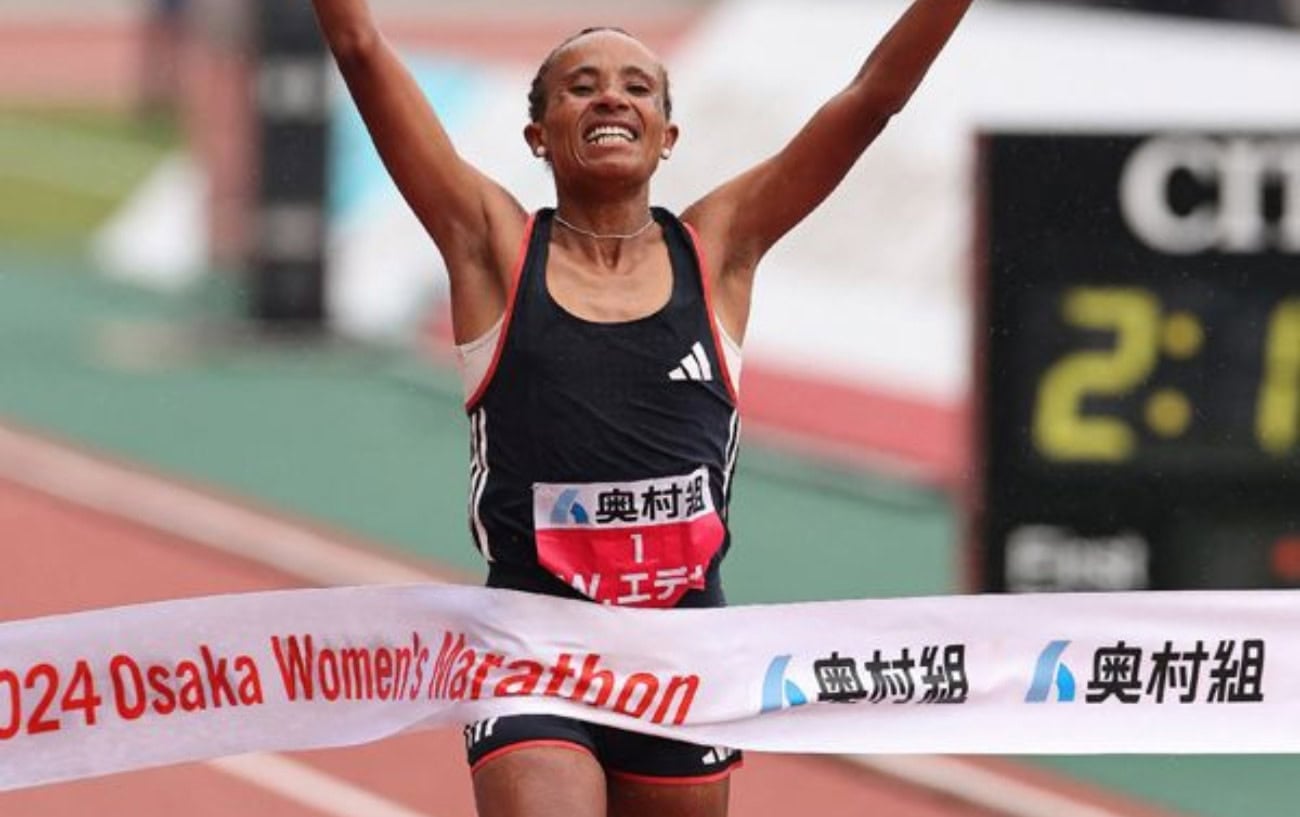
Workenesh Edesa of Ethiopia leads the field with a personal best of 2:17:55, set in Hamburg in 2025. She is joined by Stella Chesang of Uganda, who ran 2:18:26 at the 2024 Valencia Marathon, and fellow Ethiopian Bedatu Hirpa, who clocked 2:18:27 in Dubai last year.
All three have broken 2:20, a barrier that typically places athletes firmly among the global elite. Osaka’s course and race dynamics, historically paced aggressively from early on, have often rewarded runners capable of sustaining that kind of tempo.
Why Women-Only Marathons Matter in Japan
Japan is unusual in how prominently it features women-only marathon races at the elite and mass-participation levels. Events like Osaka and the Nagoya Women’s Marathon exist not as exceptions, but as pillars of the domestic racing calendar.
Part of that stems from Japan’s deep marathon culture, where long-distance road racing commands sustained public attention, television coverage, and corporate support. Women’s events developed in parallel with men’s races rather than as afterthoughts, giving female athletes dedicated stages, media exposure, and competitive depth.
Osaka, in particular, has become synonymous with fast women’s racing. The course has produced multiple national records and breakthrough performances, reinforcing its role as a race where Japanese runners are expected not just to compete, but to contend internationally.
Veterans Lead the Japanese Contingent
Among Japanese runners in this year’s field, only two have recently approached the international leaders on time alone.
Mizuki Matsuda, racing for Daihatsu, ran 2:20:42 at the Berlin Marathon in 2024. Mao Uesugi of Tokyo Metro posted a 2:22:11 at last year’s Nagoya Women’s Marathon. Both bring experience and consistency, even if neither enters as the outright favorite.
Osaka, however, has a history of rewarding patience and local familiarity, particularly when conditions allow Japanese runners to stay in contact with the lead pack deep into the race.
A Rising Star Draws Attention
The runner generating the most excitement among Japanese fans is Mizuki Nishimura of the Tenmaya corporate team.
Nishimura broke through last February by setting a course record of 1:41:42 at the Kumanichi 30-kilometer race. She followed that with a winning marathon debut of 2:25:54 at the Hofu Yomiuri Marathon in early December.
The turnaround between races is short, but Nishimura’s rapid progression has marked her as one of Japan’s most promising marathon prospects. Tenmaya is also the team of national record holder Honami Maeda, adding to expectations surrounding Nishimura’s development and fueling interest in how she will handle a higher-profile stage.
A Bold Marathon Debut
Another storyline to watch is the marathon debut of Mikuni Yada, a track specialist racing for the Edion corporate team.
Yada won bronze in the 10,000m at last summer’s Asian Championships, setting a personal best of 31:12.21. She has yet to race even a half marathon, making her immediate jump to the full distance unusual by modern standards.
Her presence reflects Japan’s willingness to test elite track talent in the marathon earlier than many other countries. Edion’s coaching staff has a strong marathon pedigree, having previously developed Ai Hosoda, who ran 2:20:31 at the Berlin Marathon in 2024 and finished sixth at last year’s Sydney Marathon.
Race Details and Coverage
The Osaka International Women’s Marathon will be broadcast live on Fuji TV starting at 12:00 p.m. local time on Jan. 25, with streaming available on TVer. Live five-kilometer splits and results will be published throughout the race.
Elite Field Highlights
International contenders
- Workenesh Edesa (Ethiopia), 2:17:55
- Stella Chesang (Uganda), 2:18:26
- Bedatu Hirpa (Ethiopia), 2:18:27
Leading Japanese contenders
- Mizuki Matsuda (Daihatsu), 2:20:42
- Mao Uesugi (Tokyo Metro), 2:22:11
- Mizuki Nishimura (Tenmaya), 2:25:54
Notable debuts
- Miu Yagi (Iwatani Sangyo), half marathon best 1:11:30
- Amisa Murayama (Tohoku Fukushi University), half marathon best 1:15:24
- Mikuni Yada (Edion), 10,000 meters best 31:12.21
As race day approaches, Osaka once again stands as both a championship test and a cultural institution, a women-only marathon designed not just to crown a winner, but to define the next chapter of Japanese distance running.






0 Comments