


This October, 60 runners from around the world will gather for a marathon like no other, one that doesn’t take place on roads or trails, but 1,120 meters below the Earth’s surface inside one of Europe’s deepest mines.
Set in the Garpenberg zinc mine in central Sweden, the World’s Deepest Marathon aims to break two Guinness World Records and raise over £1 million for charity.
But the real story isn’t just about distance or depth, it’s about testing human limits in one of the most extreme environments imaginable, and about redefining how the world sees the mining industry.
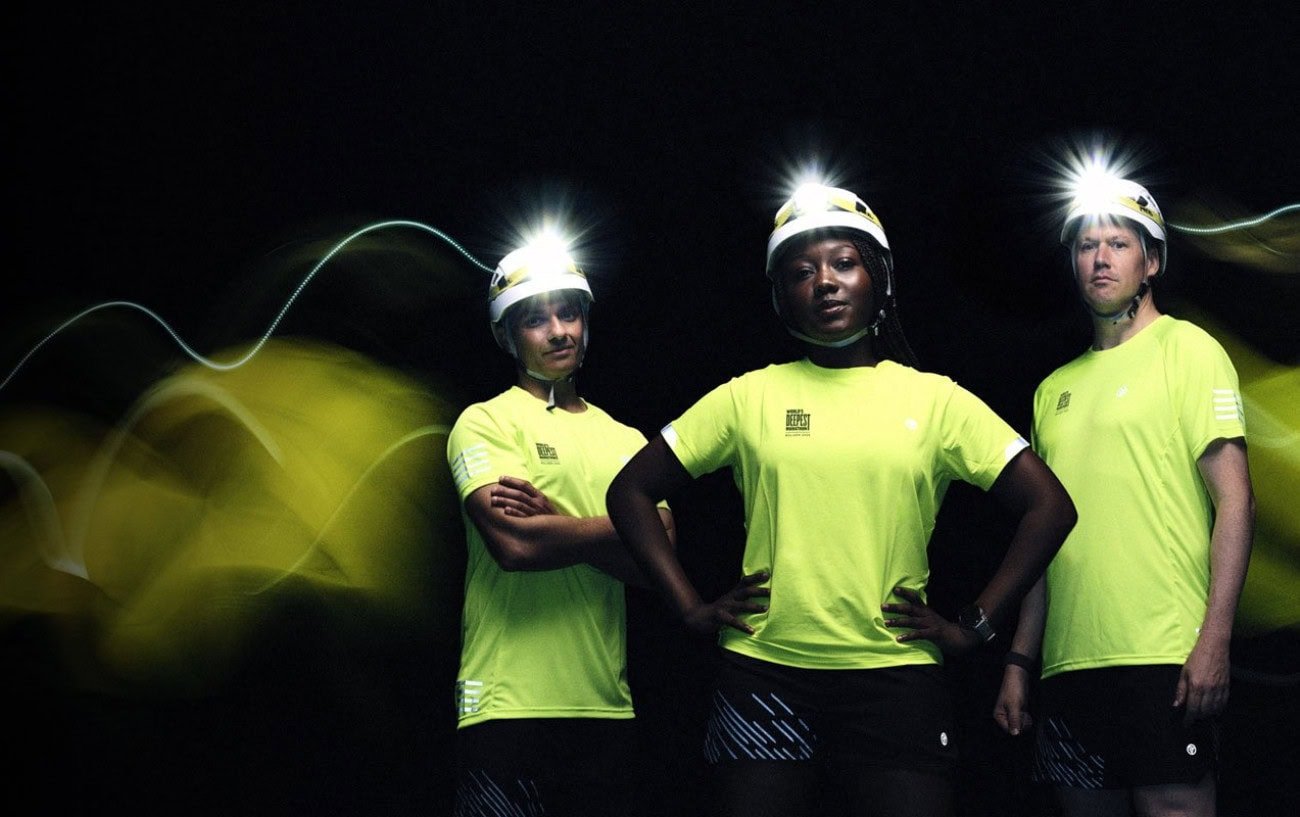
The idea sounds like something out of an adventure movie, a 42.2-kilometer course carved into bedrock, pitch black aside from the glow of headlamps, with runners looping through a 2.4 km tunnel 18 times.
Temperatures will hover around 24–28°C (75–82°F), there’s no natural airflow, and the soundscape is near-total silence, no crowd noise, no sunlight, just the crunch of gravel and the echo of footfalls.
Bear Grylls, the adventurer and co-founder of the personal development company BecomingX, called it “a true test of mental and physical resilience.” He’s not just promoting the event, he’s running it too.
“Running a marathon is tough,” Grylls said in a statement. “But doing it in total darkness, 1,120 meters underground, will push people to their absolute limits. This is about proving what’s possible when we dare to go beyond what we think we’re capable of.”
The event is a collaboration between BecomingX, the International Council on Mining and Metals (ICMM), and Boliden, the Swedish mining company that owns and operates the Garpenberg mine. It’s part physical feat, part PR campaign, and one that organizers hope will change perceptions of an industry often associated with danger and environmental degradation.
“This isn’t just a gimmick,” said Rohitesh Dhawan, CEO of ICMM and one of the runners. “We’re showing how far mining has come. Mines like Garpenberg are safe, sustainable, and highly advanced. The fact that 60 runners can safely complete a full marathon down there says everything about the evolution of our industry.”
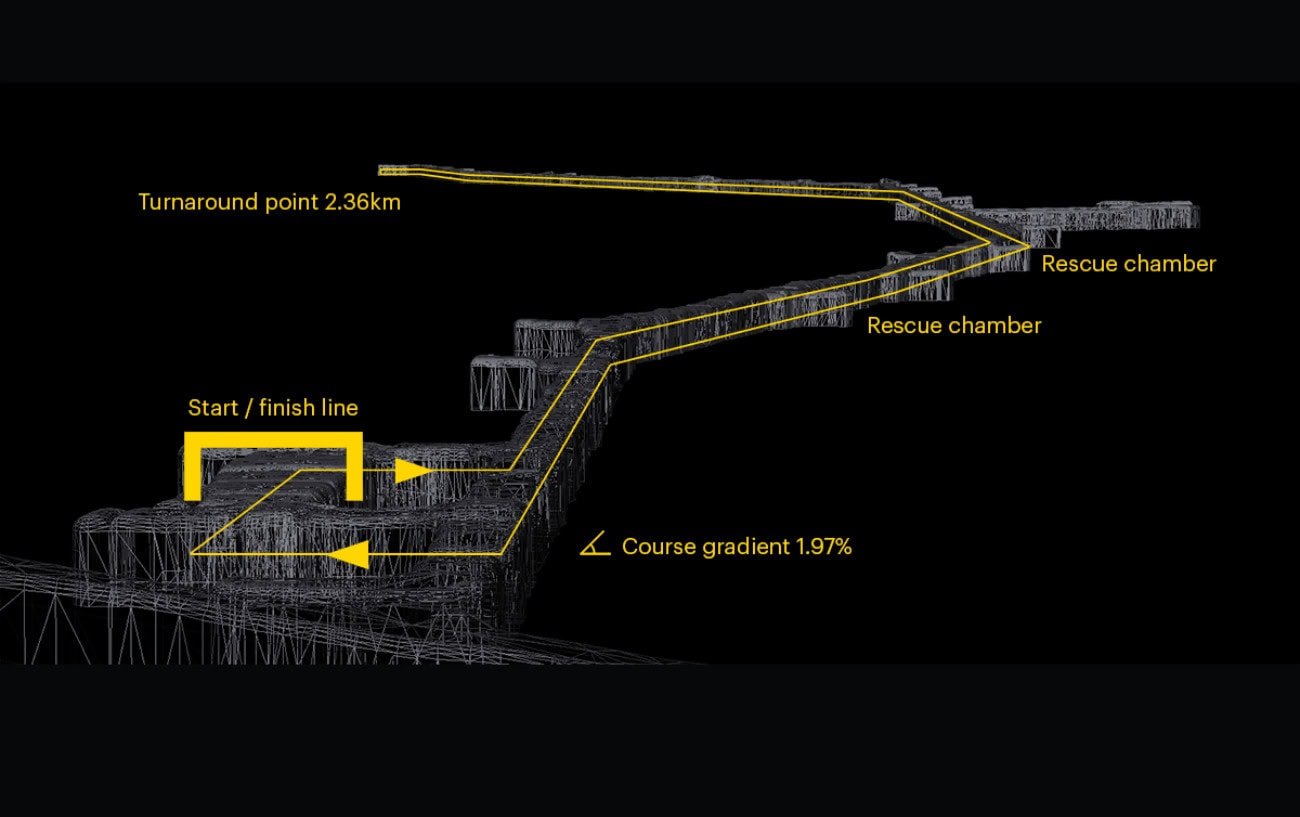
The Garpenberg site itself is steeped in history, it’s been a mining site since the 13th century, but the current operation is fully modernized, equipped with 3D-mapped tunnels, internal communication systems, and rescue chambers.
Volunteers will be stationed throughout the course to provide aid and monitor safety. Runners will wear lightweight climbing helmets, reflective clothing, and head torches as part of their protective kit. Many of them have never completed a marathon before.
Despite the novelty, the logistics are tightly organized. Participants will fly into Stockholm, meet for safety briefings, and transfer by bus to the mine. After the race, they’ll shower at the facility, enjoy a hot meal, and return to Stockholm for a celebration dinner.
Among the entrants are not just amateurs and adventurers, but prominent mining industry executives: Jonathan Price, President and CEO of Teck Resources; Gareth Penny, former De Beers CEO; and Terry Heymann, Chief Strategy Officer of the World Gold Council.
There’s also a cohort of runners from South Africa’s mining community, including veterans of the Comrades Marathon like Eddison Makhetha and William Leshilo, and younger participants from disadvantaged backgrounds.
Paul Gurney, CEO and co-founder of BecomingX, said the event is as much about purpose as it is about sport. “We’re trying to show what’s possible when people commit to something extraordinary,” he said. “Whether it’s running your first marathon or changing the face of an entire industry, the message is the same, you’re more capable than you think.”
It’s a bold premise, that a grueling, record-breaking underground marathon could serve as a metaphor for human resilience and industrial progress. But that’s exactly what this is.
RunClub
Get more running stories — join RunClub
Daily running news, a community of 300,000+ runners, free training plans for every distance, and a daily running game. Free to join — no card.
Already a member? Log in →








Start the conversation