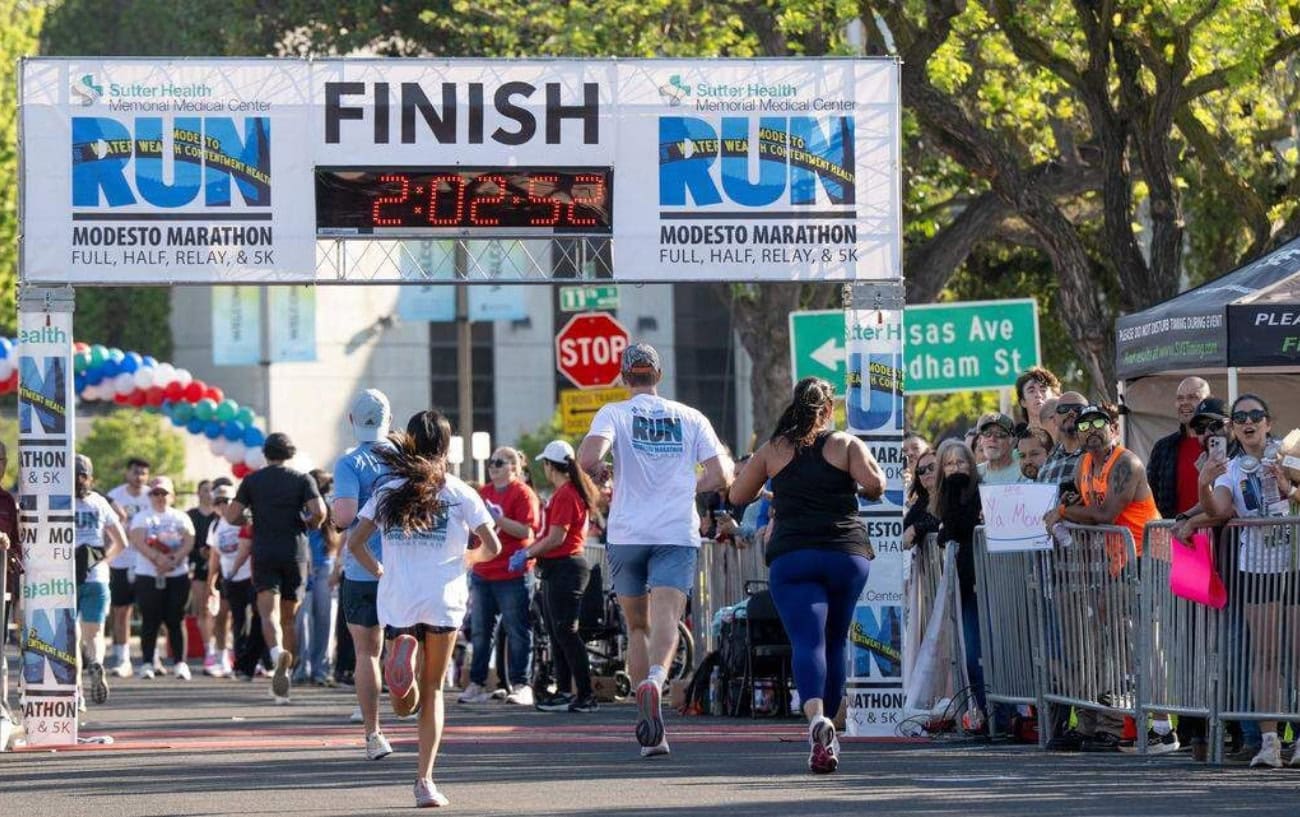
On a Sunday morning in late March, 24 American runners crossed the finish line at Rockland Lake State Park having done something that eluded them at bigger, more celebrated races: they ran fast enough to qualify for the 2028 U.S. Olympic Marathon Trials.
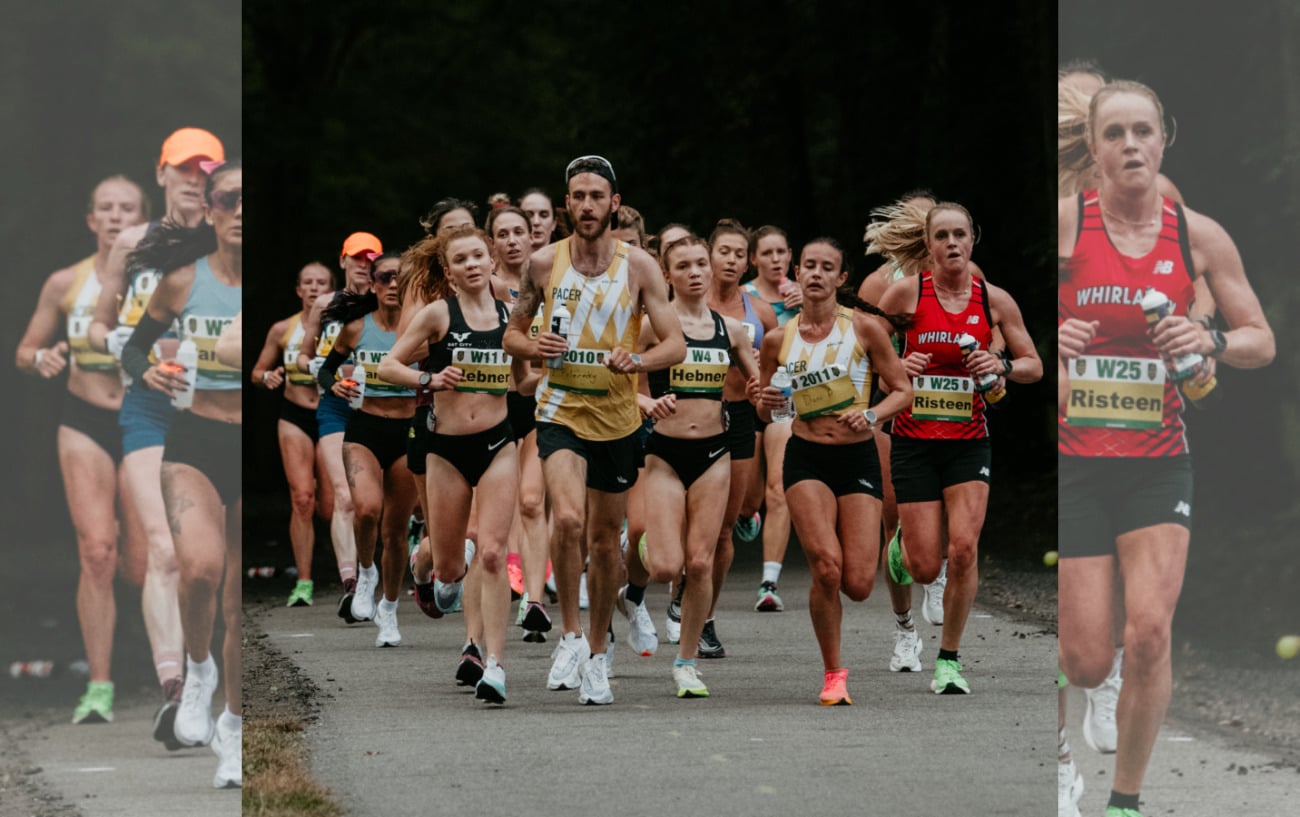
The McKirdy MicrOTQ, held March 29 in Valley Cottage, New York, is a specialist event — no crowds, no city streets, no expo. Runners loop a 2.94-mile circuit around Rockland Lake nine times to complete the marathon distance. It’s not the kind of course that makes for great race-day photos, but that’s not why anyone shows up. They show up because the 2028 trials standards are brutal — 2:16:00 for men, 2:37:00 for women — a full two minutes faster than the men’s cutoff for the 2024 cycle — and they need every advantage they can get.
A course built for speed
The field is capped at 250. Dedicated pacers carry athletes through target splits, and a pre-race meeting walks runners through the nutrition and pacing plan in detail. The small, controlled environment removes the variables — the crowd chaos, the uneven early miles — that can derail a qualification attempt at a large city marathon.
Race directors James McKirdy, Sammy McClintock, and Heather McKirdy designed the event with one purpose in mind, and by the time Sunday’s final qualifier crossed the line, 26 runners total had gone under their respective standards. Twenty-four of them were American.
The men’s race
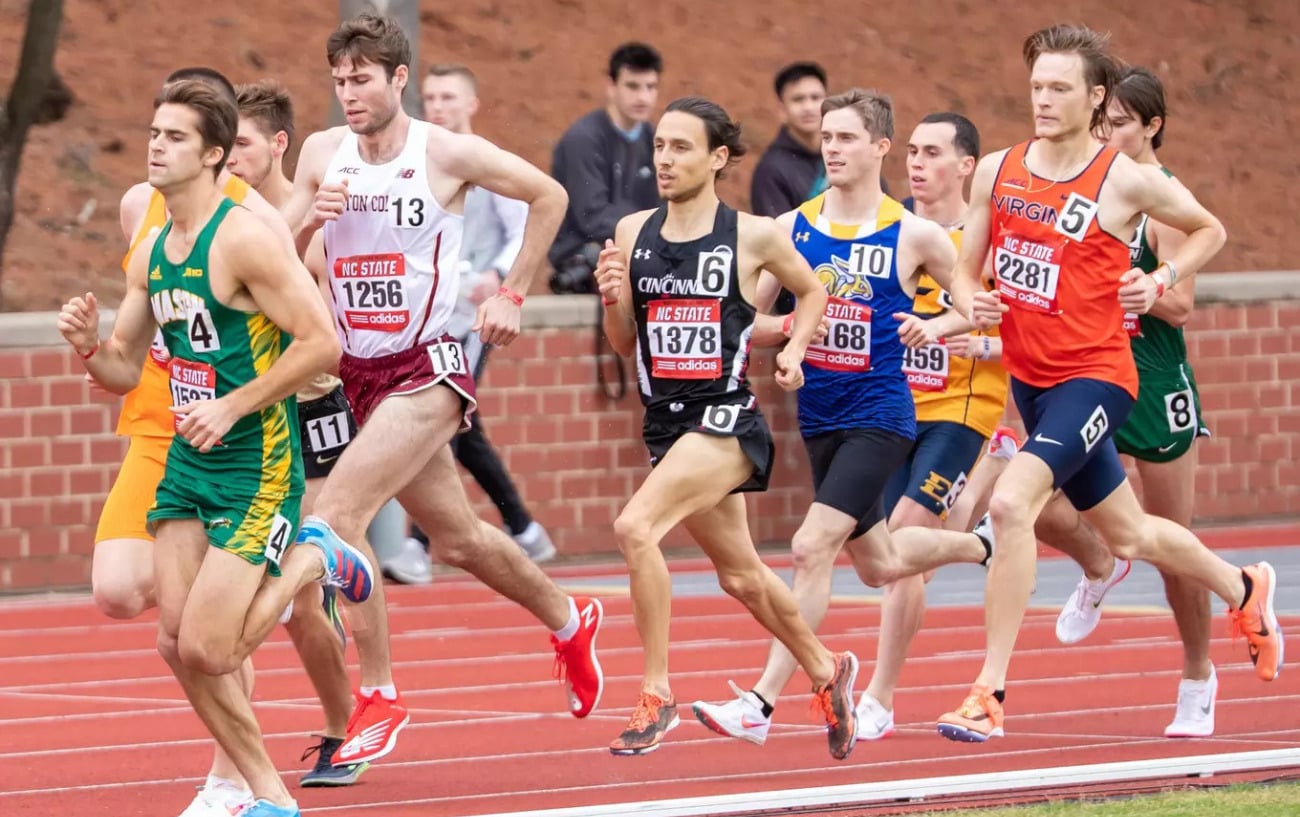
Canadian Thomas Nobbs won the men’s race outright, running 2:09:25 — well clear of the field. The top American was Erik Linden, who finished in 2:12:12, a performance that sets him up as a legitimate contender heading into the 2028 cycle.
Behind Linden, the field compressed dramatically. Alec Troxell finished third overall in 2:14:58, followed by Michael Morris (2:15:10), Charlie Wilson (2:15:18), and Sean Grossman (2:15:22). Six runners came through within a seven-second window between 2:15:22 and 2:15:30. Paxton Smith, the last American to qualify, stopped the clock at 2:15:59 — one second to spare.
The women’s race
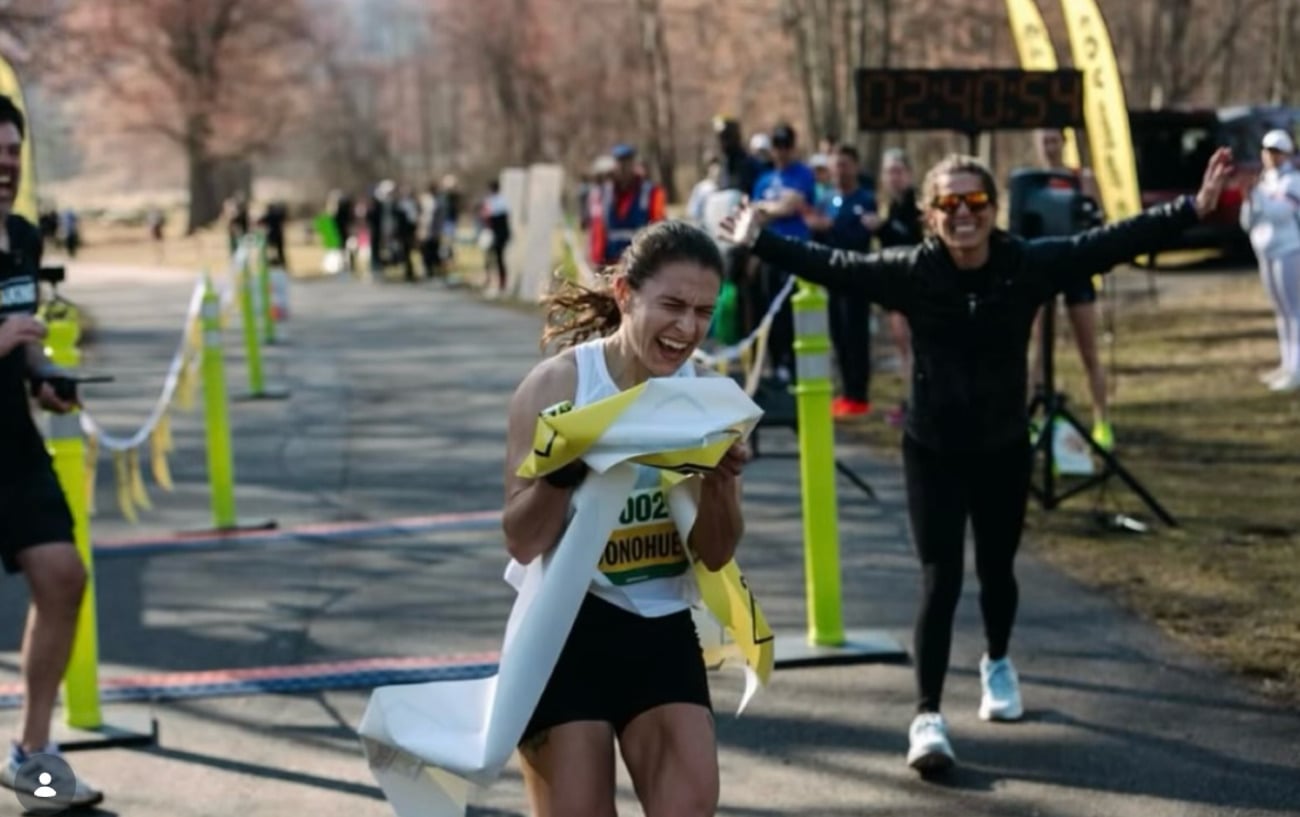
Canada’s Dayna Pidhoresky, 39, won the women’s race in 2:31:24. Jessica Donohue was the first American across the line at 2:35:00, followed by Annabel Stafford (2:35:31) and Brooke Starn (2:35:44).
The women’s qualifying group packed tightly in the final miles. Seven Americans finished between 2:36:11 and 2:36:50, a 39-second window that underscored just how close the racing was. Hannah Rowe, the final American qualifier, came home in 2:36:50.
The qualifying window stays open through early 2028, but races that offer this level of specialist support are rare. For many of these 24 runners, Sunday was their best shot. They took it.