


Editor’s note: we continuously monitor and update our rankings on this page when new running shoes are released – the list was last updated on 12th June 2026.
Looking for the best running shoes reviewed by experts? We’ve tested hundreds of running shoes across every category — daily trainers, long-run cushioners, race-day super shoes, and trail runners — to bring you our definitive rankings.
A few years ago, you could get away with one or two pairs that kinda did everything. Now, thanks to leaps in shoe tech, your shoe rack should probably looks like a training plan – something for easy days, something for workouts, and then you probably want a dedicated pair of coveted race day carbon-plated supershoes.
And honestly, that’s a good thing. The tech in running shoes has exploded. Midsoles are lighter, foams are bouncier, and the variety means you can find something that fits your stride perfectly.
We’ve tested hundreds of pairs across every category – we’ve linked to our YouTube reviews below – and narrowed them down to the best of the best running shoes, the shoes that actually deliver on their promises. Whether you’re chasing a PR, jogging easy miles before sunrise, or hammering out intervals at the track, this guide has you covered.
Below, you’ll find our picks for the best daily trainers, the best super shoes, and the best workout shoes on the market right now. Each one has been road-tested, ranked, and reviewed with brutal honesty, because if a shoe isn’t fun to run in, what’s the point?
A quick clarifier: ‘workout shoes’ are sometimes called ‘super trainers’; they’re this relatively new category of shoe designed for your speed sessions, your threshold workouts, your long runs. They’re more aggressive than a daily trainer, but more forgiving than a race day shoe.
So without further ado, what follows is the cumulation of every running shoe review we’ve done in the past 12 months: here are the greatest running shoes money can buy right now, for any use case.
Shoe Comparison Guides From Marathon Handbook
- Hoka Clifton vs Bondi
- Brooks Glycerin vs Ghost
- Nike Vomero vs Pegasus
- ASICS Gel Nimbus vs Kayano
- Brooks Ghost vs Nike Pegasus
- Hoka Clifton vs Brooks Ghost
- New Balance 1080 vs Brooks Glycerin
- Hoka Clifton vs Nike Pegasus
- ASICS Gel Nimbus vs Brooks Glycerin
- Brooks Glycerin vs Hoka Bondi
- New Balance 1080 vs Hoka Clifton
- Brooks Ghost vs ASICS Gel Nimbus
The Best Running Shoes Of 2026:
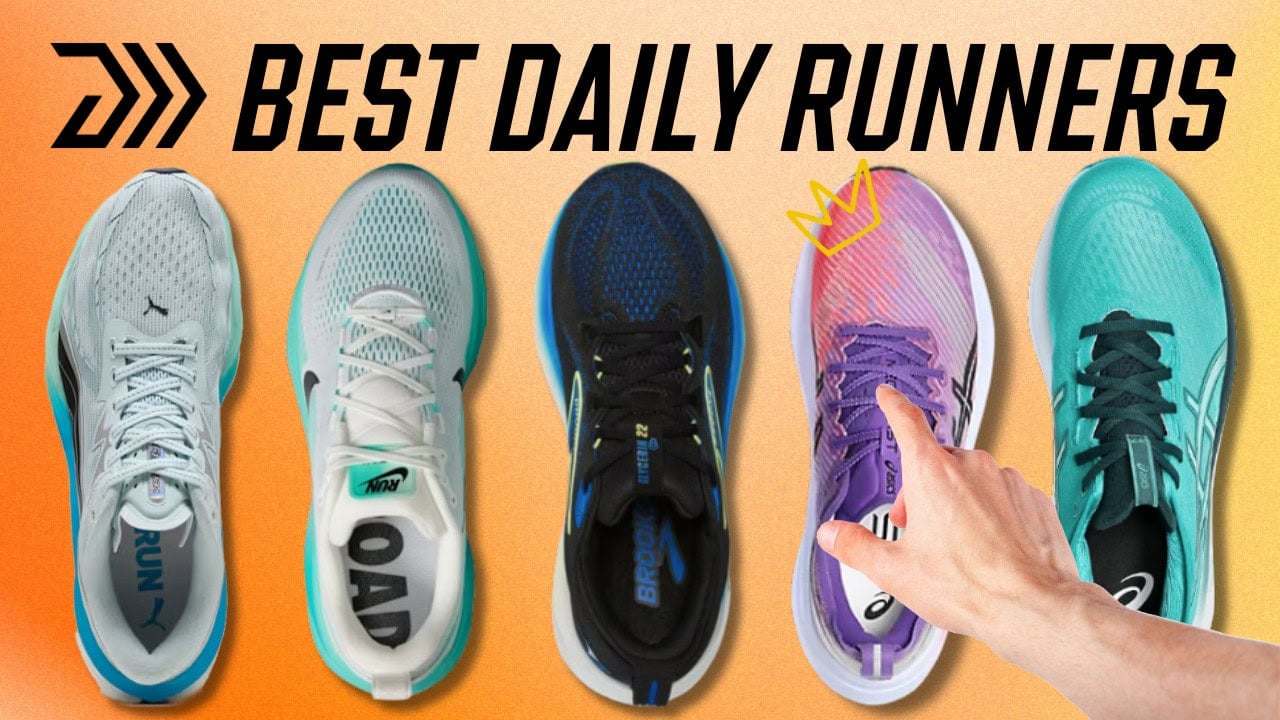
Best Daily Running Shoes On The Market Right Now:
#5. Best For Value: Puma Velocity Nitro 4
#4. Best For Durability: ASICS Nimbus 27
#3. Best For Cushioning: Brooks Glycerin 22
#2. Best For Responsiveness: Nike Vomero 18
#1. Best Overall: ASICS MegaBlast
The Best Workout Shoes On The Market Right Now:
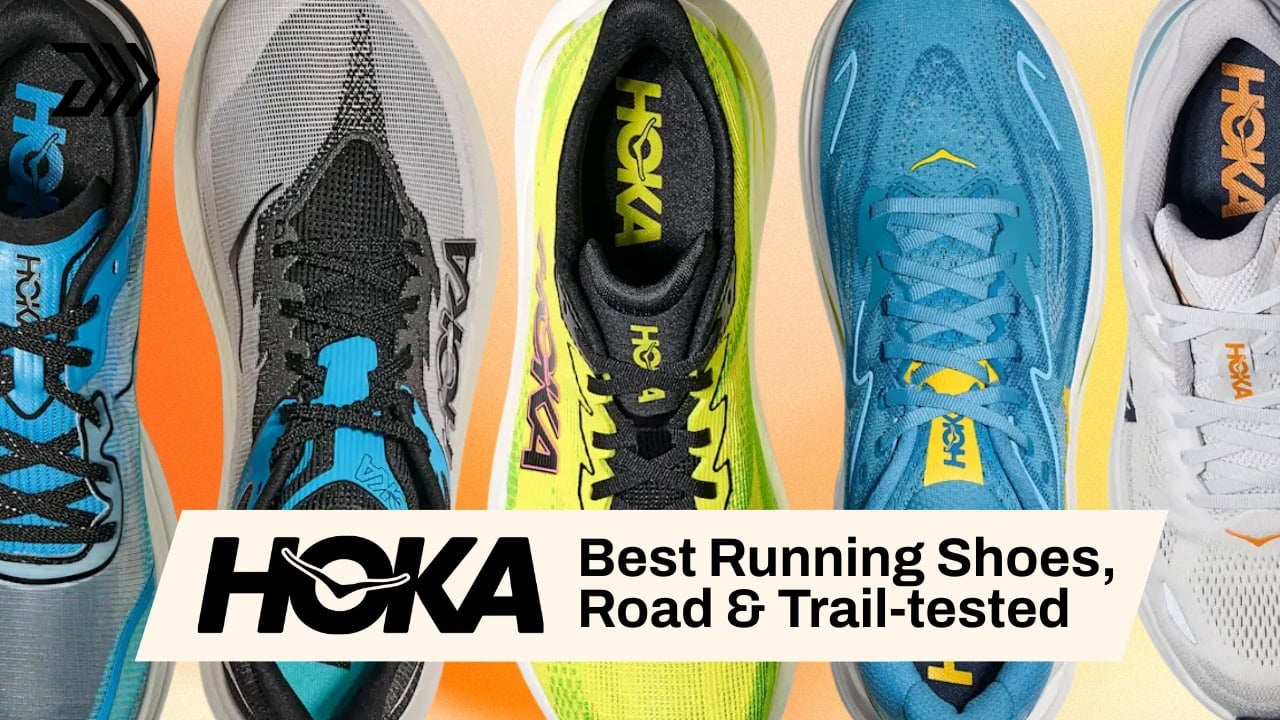
#5. Best Shoe For Easier Paces: Hoka Skyward X 2
#4. Best Shoe For Versatility And Durability: Adidas Hyperboost Edge
#3. Best Shoe for Long Runs: On Cloudmonster 3 Hyper
#2. Best Shoe for Power Without Compromising Comfort: Brooks Hyperion Max 4
#1. Best Shoe overall: ASICS Superblast 3
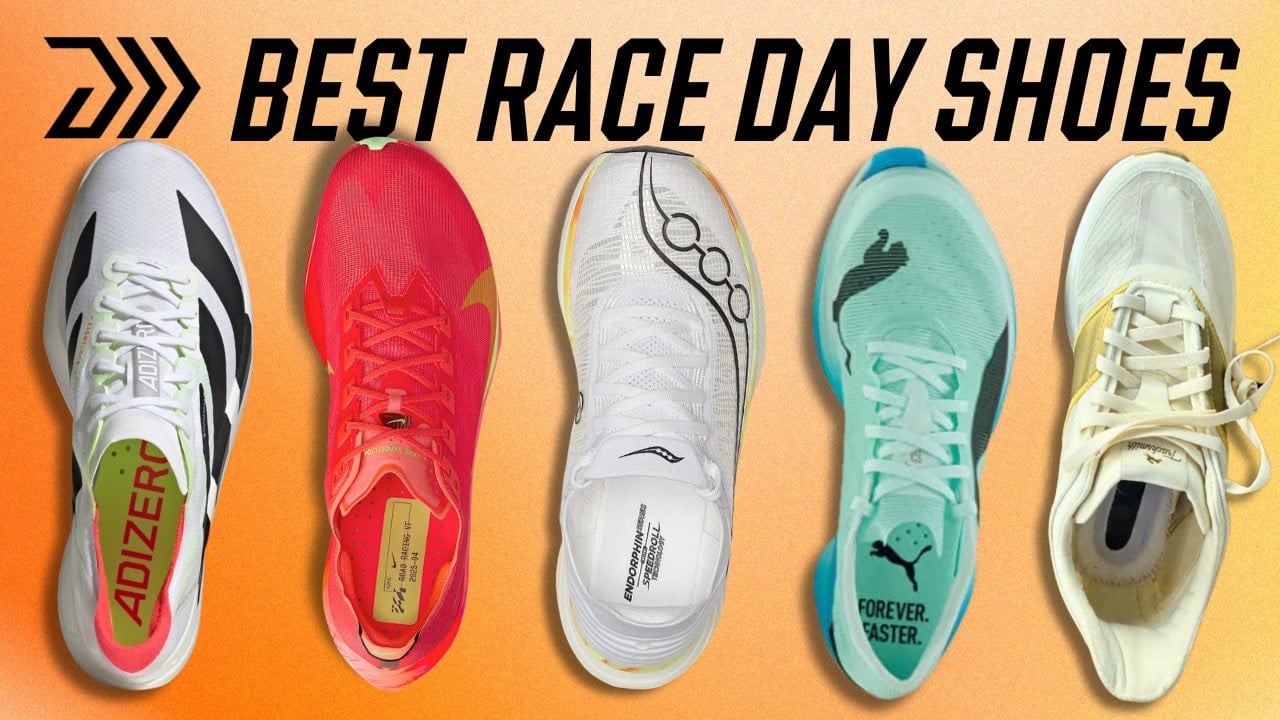
The Best Race Day Supershoes On The Market Right Now:
#5. Best For Cushioning: Saucony Endorphin Elite 2
#4. Best For Durability: Adidas Adios Pro 4
#3. Best For A Firm, Light Ride: Asics MetaSpeed Tokyo Edge & Sky
#2. Best For Your Next PR: Puma Fast-R Nitro Elite 3
#1. Best Overall: Adidas Adios Pro Evo 2
The 5 Top Daily Running Shoes On The Market Right Now:

#5 Best for value: Puma Velocity Nitro 4
Score: 8.1
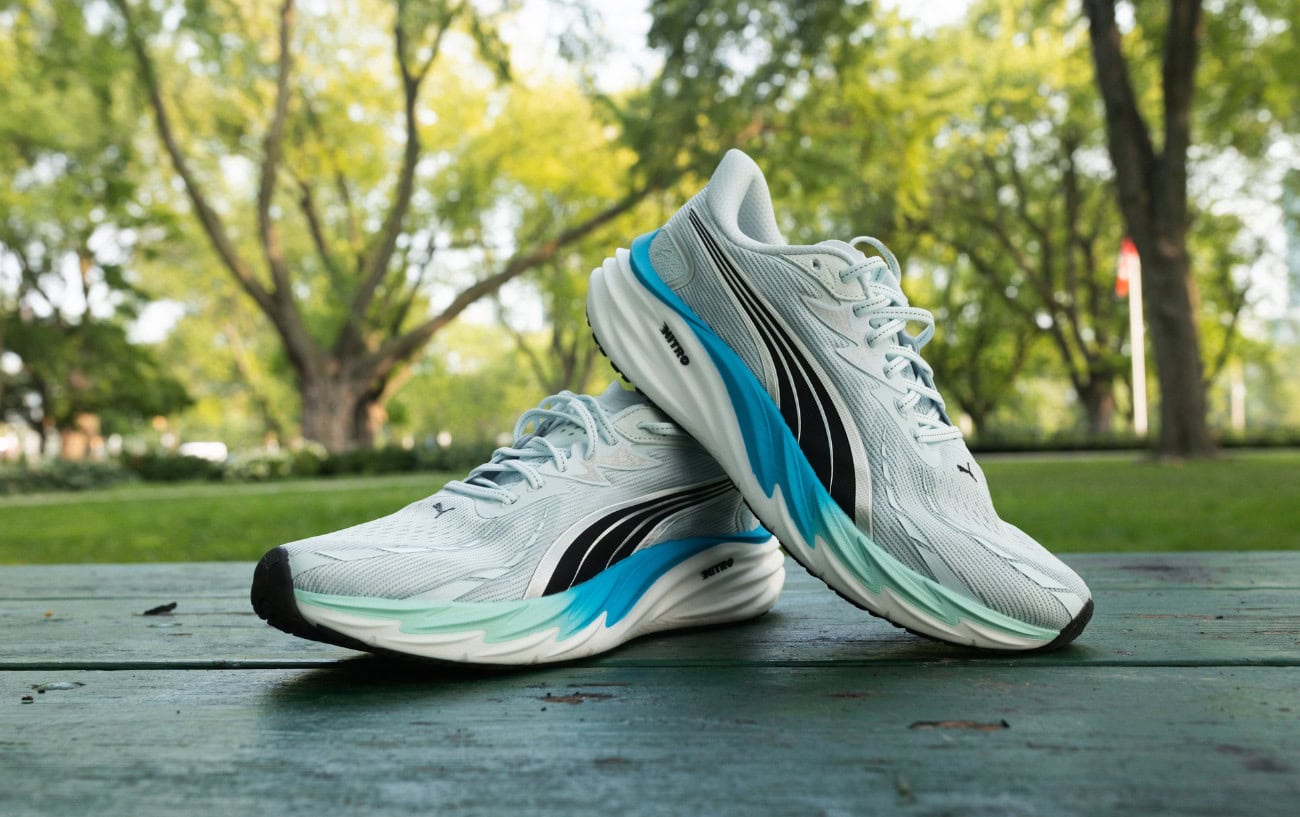
This isn’t Puma’s most cushioned easy running shoe. The Magnify Nitro 3 is probably better protection for your feet. But I find the Velocity Nitro 4 to be the best. A big reason for that is that the entire midsole is made out of Puma’s supercritical Nitro foam, which is an upgrade from previous versions of the Velocity.
This makes the shoe light and fast and fun to run in, but still supportive enough for an easy running shoe. And as a bonus, when brands switch to full supercritical foam, the price usually jumps, but this shoe stayed relatively cheap.
At first glance it feels flimsy because it’s quite flexible, and the stack height of 36 mm is small these days. But it has a tightly packed heel and the traction is really good. If you’re running in slippery areas, this is probably a good shoe for you.
We gave it an overall rating of 8.1. It gained a lot of points on value, given that it’s so affordable. It lost some points on comfort because the toe box is a little small.
The Velocity Nitro 4 is for you if you like to feel the ground under you, if traction matters, and if you like a bit of pop on easy days.
Stay away from it if you’ve gotten used to the big, chunky feel of today’s high-stack shoes—it feels smaller. And if durability is your main concern, this isn’t bad, but because it’s so flexible you’ll probably run through it faster than some of the bulkier shoes.
Here is my dedicated video review:

The Deets: Tech Specs For The Puma Velocity Nitro 4
- MH Score: 8.1
- MSRP: $140 USD
- Stack height: Heel: 36mm; Forefoot: 26mm
- Weight: 8.6oz (245g)
- Heel-to-toe drop: 10mm
#4 Best for durability: ASICS Nimbus 27
Score 8.5
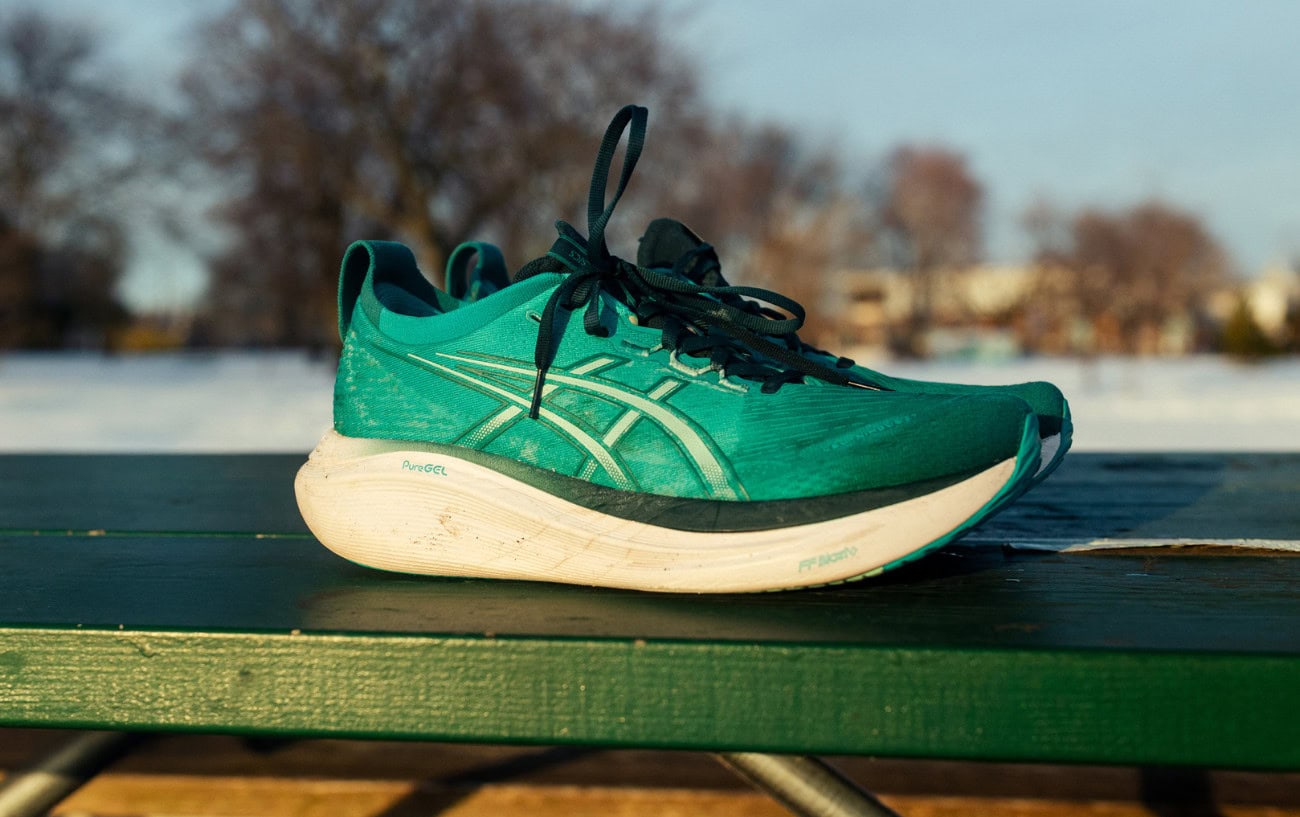
The Nimbus is kind of a nightmare for these power rankings because it’s a bit of a boring shoe and I’ve mentioned it so many times already. But it’s also impossible to ignore. The Nimbus is ASICS’s perennial easy running shoe, and it’s been around almost as long as I have.
It’s heavy, it has no aspirations to be a workout shoe, but it does its one job very well: it takes you through many comfortable, easy miles. I’ve yet to meet a person who dislikes the Nimbus. When beginners ask me which shoe to buy, I usually point them to the Nimbus because it’s probably the safest shoe in the world.
The Nimbus 27 actually came with some key updates: a bit more supercritical foam in the midsole (lighter and bouncier), more traction on the outsole, and it’s the tallest Nimbus yet—while still lighter than the Nimbus 27.
We gave it an overall score of 8.5, with the value score being the highest. Not because it’s cheap, but because it lasts so long it’s worth the money.
Buy the Nimbus if you’re risk-averse about running shoes, if you like traditional-feeling trainers with some new tech updates, and if you value durability. Avoid it if you want something faster on easy days or if you want a marshmallow-soft feel like a Hoka Clifton. The Nimbus is comfortable, but the midsole is more firm than soft.
Here is my video review:

The Deets: Tech Specs For The ASICS Nimbus 27
- MH Score 8.5
- MSRP: $175 USD
- Stack height: Heel: 44mm; Forefoot: 36mm
- Weight: 11.3oz (320g)
- Heel-to-toe drop: 8mm
#3 Best for cushioning: Brooks Glycerin 22
Score: 8.6
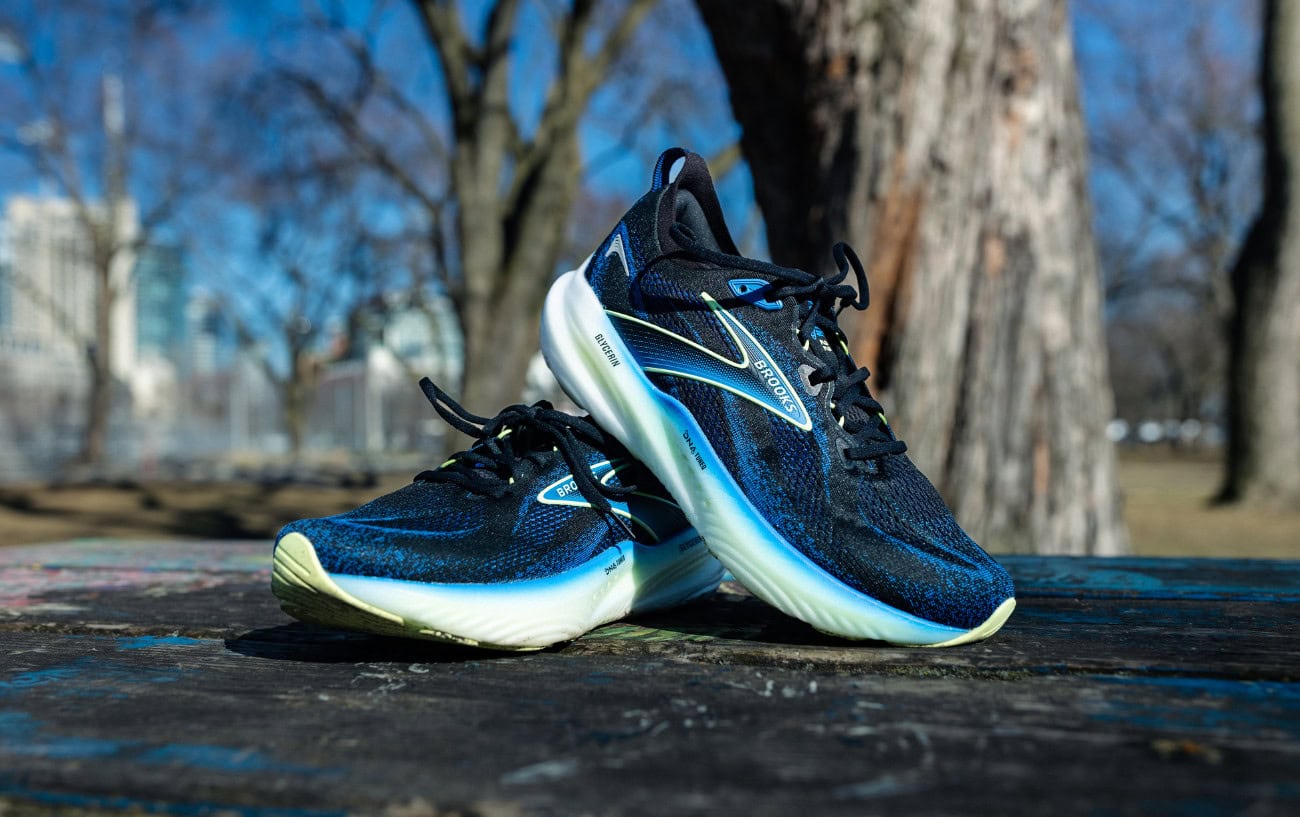
The Glycerin has been around for 22 years, and for the 22nd edition Brooks completely revamped the midsole. It’s now fully supercritical DNA foam, the same light, responsive foam Brooks uses in their workout shoes. It feels much more alive than the 21.
I loved running in it—much more than the 21. Comfort is excellent. But it slipped to number three for two reasons. First, another brand came out with a shoe I think is better. Second, one of its competitors aged better. I put in about 700 km in the Glycerin 22 and after that it started to feel flat. That’s still good durability, but when you’re talking about the very best you want more.
We gave it an 8.6.
Buy the Glycerin 22 if you want something as comfortable as anything on the market and with more pop than a standard EVA trainer. Avoid it if durability is the main thing you’re after.
And just to clear up a common question: the Glycerin Max is the more expensive, faster, more rockered version. If you only want it for easy running, just get the regular 22 and save the money.
Here is my dedicated video review:

The Deets: Tech Specs For The Brooks Glycerin 22
- MH Score: 8.6
- MSRP: $165 USD
- Stack height: Heel: 38.5mm; Forefoot: 28.5mm
- Weight: 10.2oz (289g)
- Heel-to-toe drop: 10mm
#2 Best for responsiveness: Nike Vomero 18
Score: 8.6
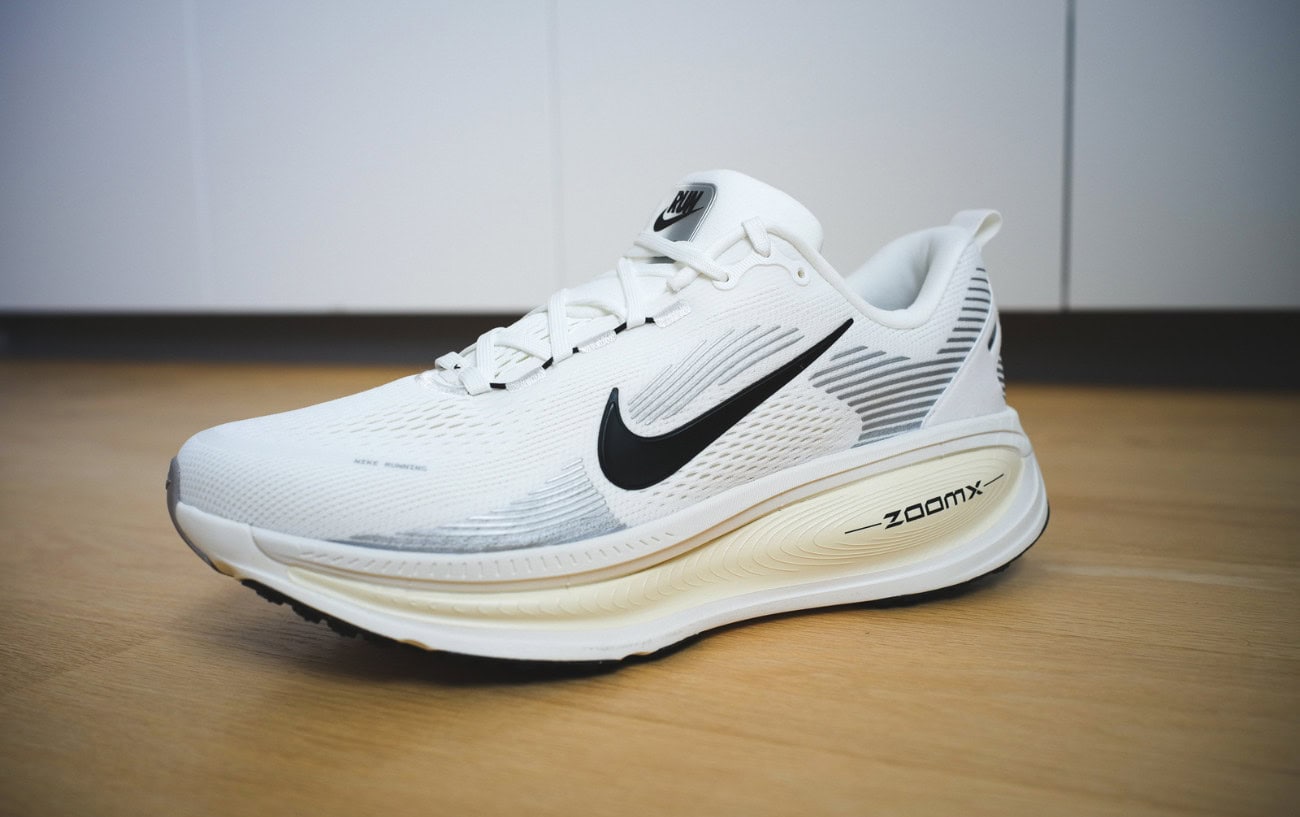
I had low expectations for the Vomero 18. At first it felt heavy, tall, and awkward. But as I ran more in it, it got better and better. The bounce stuck around at 300 km, 400 km. Over time I started reaching for the Vomero ahead of the Glycerin and Nimbus.
The difference is the big piece of ZoomX supercritical foam in the midsole. Despite the weight, it’s bouncy and responsive. It feels a little slow, but when you check your watch you’re actually running the same easy pace as in other shoes.
It’s very durable. That’s why we bumped its ranking up to 8.6, just ahead of the Glycerin.
Buy the Vomero 18 if you like highly cushioned shoes and you’re a midfoot or heel striker. Avoid it if you’re a forefoot striker, or if you want something light and low to the ground.
Here was my first look at the Nike Vomero 18:

The Deets: Tech Specs For The Nike Vomero 18
- MH Score: 8.6
- MSRP: $155 USD
- Stack height: Heel: 44mm; Forefoot: 34mm
- Weight: 11.5oz (325g)
- Heel-to-toe drop: 10mm
#1 Best overall: ASICS MegaBlast
Score: 8.7
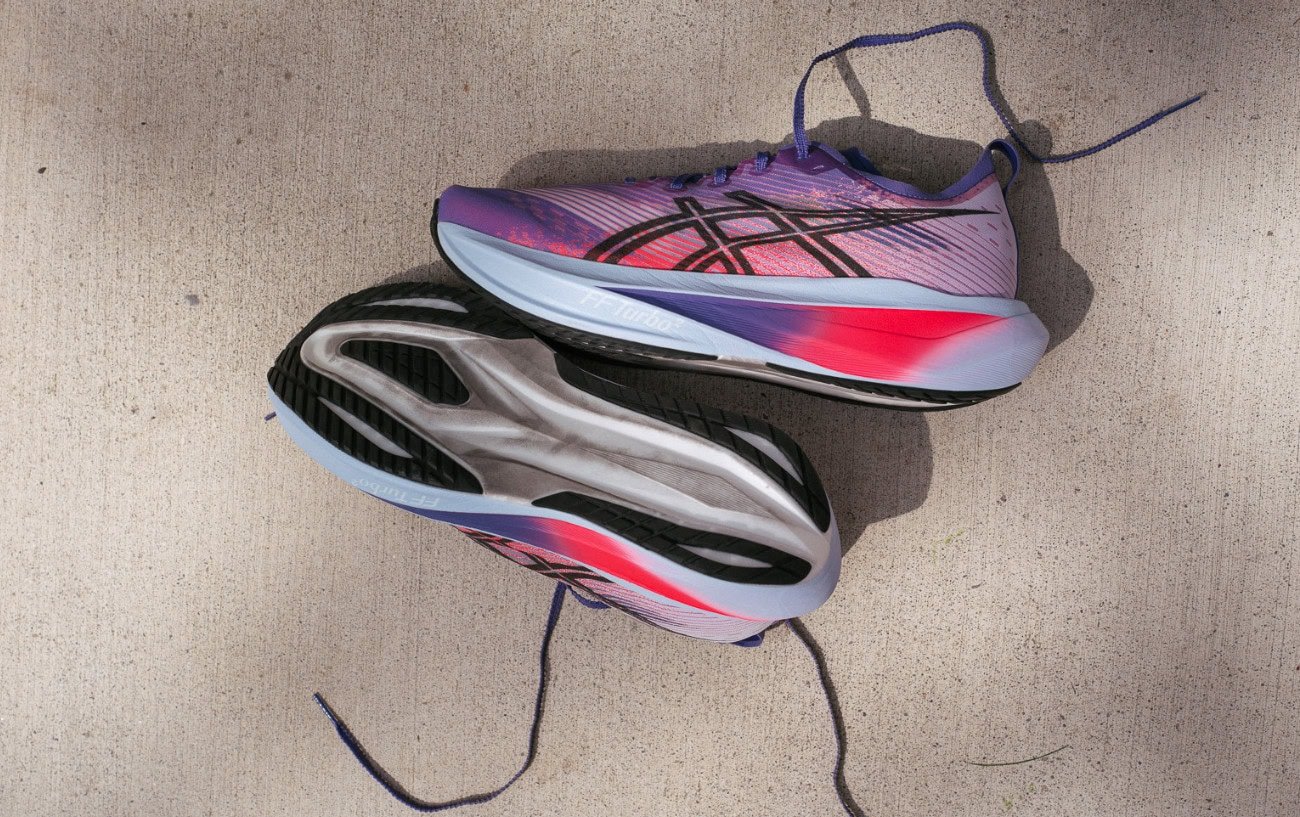
The MegaBlast is at the top of our rankings.
I didn’t like it on my first run. I was expecting Superblast, and it felt harder. The Superblast 2 was advertised as an everything shoe and it really was—it could do easy runs, workouts, races. When the MegaBlast came out as the next “Blast” shoe, I was skeptical.
But here’s what it is: the whole midsole is FF Turbo 2 foam, the same foam from ASICS’s fastest shoes, stacked super high. At first it feels firm, but it breaks in quickly and becomes very comfortable. It’s supportive, cushioned, but still light—7.5 oz, much lighter than anything else on this list.
It’s good for easy runs, but it can also pick up the pace. It feels comfortable for almost anything.
We gave it an 8.7. Comfort and performance were the highest scores. The only real negative is the price.
Buy it if you liked the Superblast 2 or want one shoe that can do everything. Avoid it if you’re looking for a budget trainer.
Here is my dedicated video review:

The Deets: Tech Specs For The ASICS MegaBlast
- MH Score: 8.7
- MSRP: $225 USD
- Stack height: Heel: 45mm; Forefoot: 37mm
- Weight: 7.5oz (230g)
- Heel-to-toe drop: 8mm
The Top Workout Shoes On The Market Right Now:

#5 Best Shoe For Easier Paces:
Hoka Skyward X 2
Score: 8.5
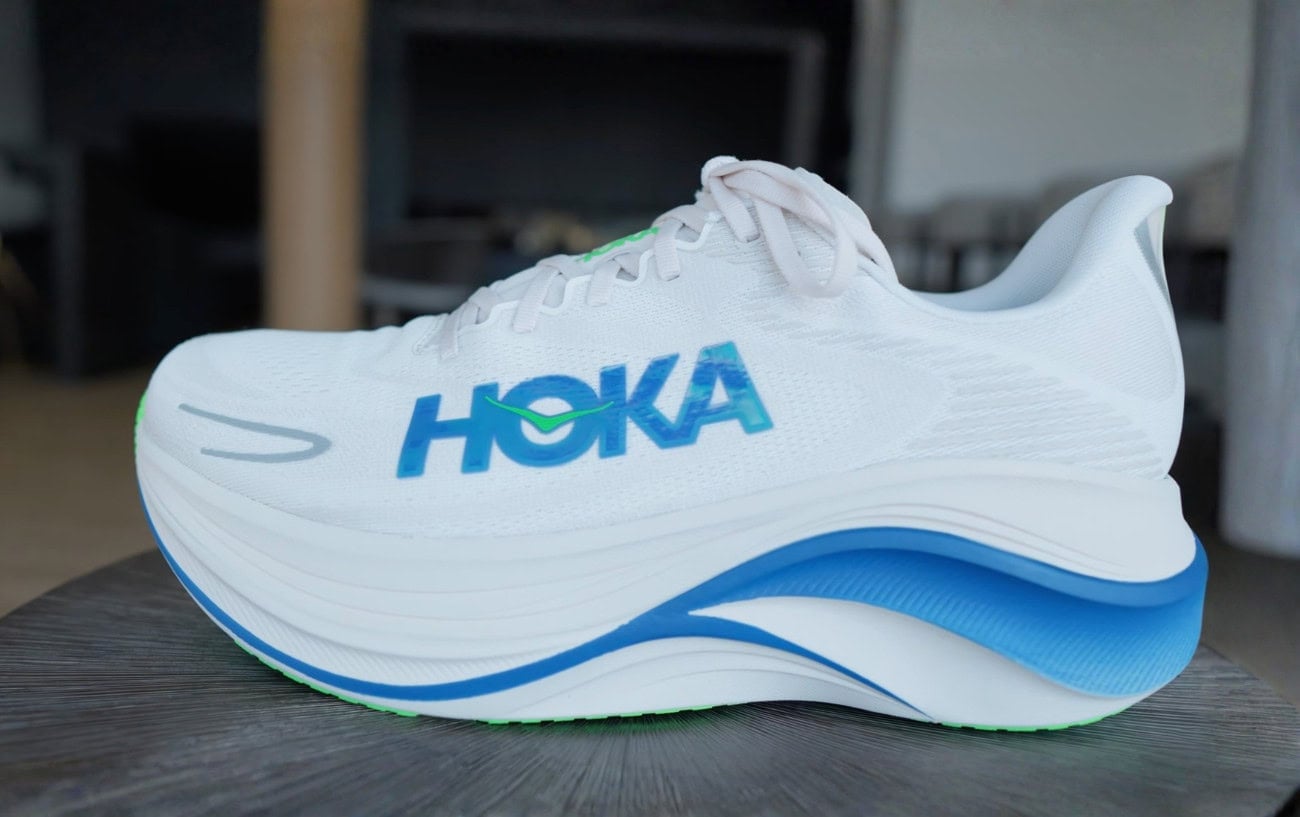
What you’ll notice with super shoes is that some are more geared for speed workouts, and others are more so made for long runs. The Skyward X2 is the latter. It’s a big, bulky, incredibly protective and durable shoe — especially for Hoka, which in the past has had some issues with the durability of their shoes.
The Skyward X2 is built different. It’s got 49 mm of stack height, making it one of the tallest shoes in the world. And that huge midsole is made of two foams: a PEBA foam up top for responsiveness, and a supercritical EVA at the bottom for stability and durability.
What I like about this shoe is that it’s a huge improvement from the Skyward X1, which was a massively weird shoe to put on the market back in 2024. When I tried it for the first time, it was big, tall, a little wobbly, and quite heavy. This shoe is lighter than its predecessor, and also importantly, it’s more stable. The carbon plate is shaped to give you forward propulsion, but also lateral stability — which is important when you’re 50 mm above ground.
Now, use cases for the Skyward X2: it’s not a fast interval shoe. It is a lot of material to carry around. But it’s excellent on long runs, even fartlek runs, and importantly, it can handle an easy run. I really like my super trainers to handle different paces. There are some super trainers I left out of this list because they’re so uncomfortable to run easy in. The Skyward X2 can kind of do everything.
We gave it an overall score of 8.5. Top marks for design. Props to the Hoka designers for making this shoe two years ago and breaking the mold a little bit — it was one of the very first super trainers on the market. And the two I really like because it dials in the problems that the one had. The one was too heavy, the one was too wobbly. This shoe takes care of both problems.

The Deets: Tech Specs For The Hoka Skyward X 2
- MSRP: $225 USD
- Stack height: Heel: 49mm; Forefoot: 44mm
- Weight: 10.0oz (283g)
- Heel-to-toe drop: 5mm
#4 Best Shoe For Versatility And Durability:
Adidas Hyperboost Edge
Score 8.5
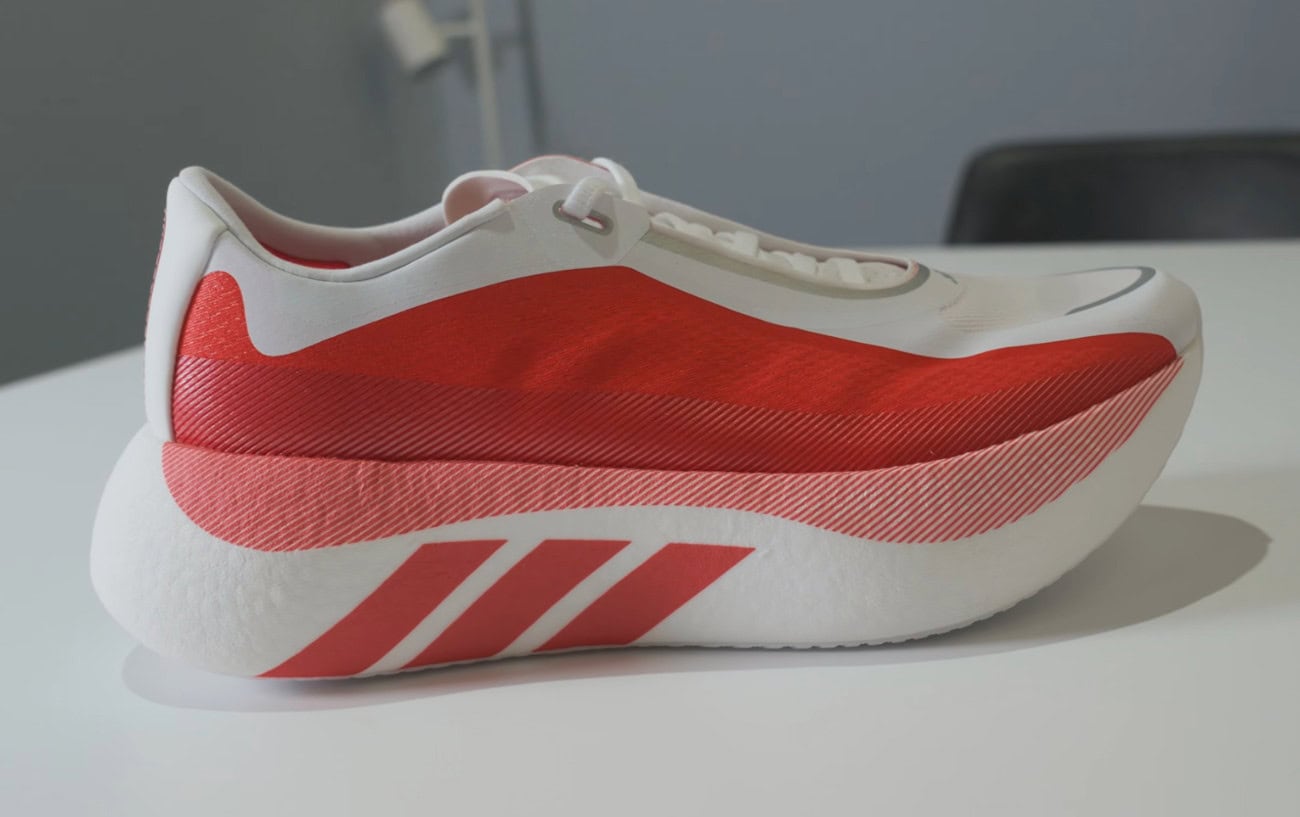
I didn’t see this shoe coming. Adidas had a problem inside of their shoe offering. They had super top-level racing shoes, especially seeing the success of the Pro Evo 3 on the feet of Sabastian Sawe and Yomif Kejelcha. And then on the other side of the spectrum, they have what might be the most popular shoe in the world in the Evo SL. I don’t really call that shoe a super trainer because it doesn’t quite have the power that all these shoes that I’m about to present have. What Adidas was missing was a powerful shoe that could handle your fastest workouts. And the Hyperboost Edge is pretty much that.
This shoe looks pretty simple, and it’s made of two parts. One part I like, and one part that I don’t.
What I really like is the midsole, called Hyperboost Pro. It’s a supercritical pellet-based foam that’s very responsive, very stable, and as far as I can tell, very durable as well. I’ve really enjoyed this shoe for workouts. I can run fast in it. I can run easy. It can handle a whole lot of different paces. Doesn’t hurt that the midsole looks good and doesn’t look too funky — I feel like I can wear this out and look kind of stylish. Maybe you be the judge on that.
But then on top of the midsole is the part that I don’t like. The upper is weird. It’s called Prime Weave, and it’s thick. It’s seemingly heavy, and it’s not that comfortable on the foot. So, disclaimer with this shoe: when I first put it on, my first couple runs, I developed a little blister over my Achilles tendon on both of my feet. Over time, that callused and went away, and now I don’t have any issues with the shoe. But still, in this day and age, you wouldn’t expect that to happen.
If not for the upper, this shoe would probably rank higher on my list. So clearly it lost marks in comfort, but we still gave it an overall score of 8.5. Its performance score really helped it here. I just love how it feels and how it moves. I think it’s actually my favorite shoe to wear on this list, but wearing it kind of comes at a cost. So it’s my number four. A version two of this has the potential to become my favorite shoe with a better upper.

The Deets: Tech Specs For The Adidas Hyperboost Edge
- MSRP: $200 USD
- Stack height: Heel: 45mm; Forefoot: 39mm
- Weight: 9.0oz (255g)
- Heel-to-toe drop: 6mm
#3 Best Shoe for Long Runs:
On Cloudmonster 3 Hyper
Score: 8.6
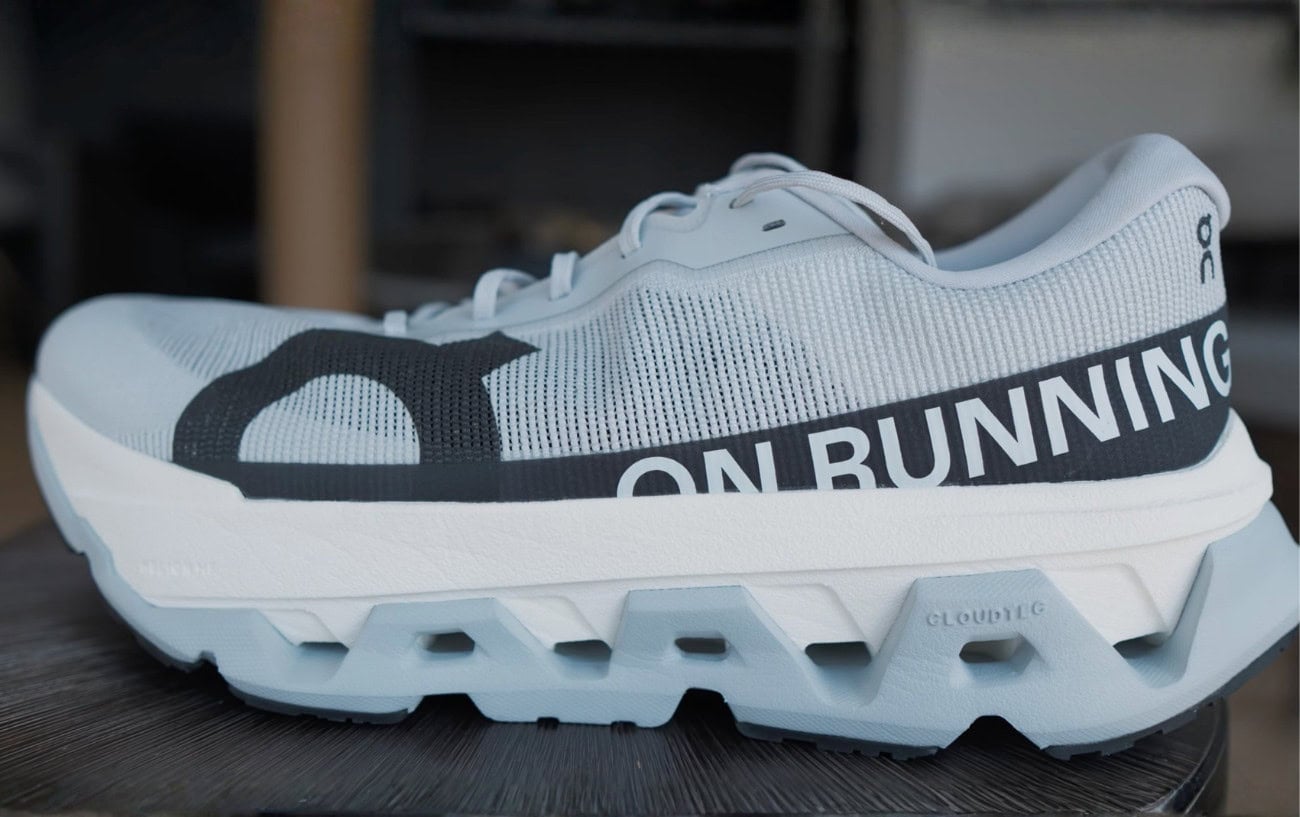
This is more of a speed-power super trainer than a cushioned and comfortable super trainer. The Cloudmonster Hyper series has always been speed-power, and this one is faster and more powerful than the previous.
To understand what’s going on with the Cloudmonster, we need to understand what’s going on with On. The brand is going through a not-so-subtle aesthetic change. We’ve come to know On as the shoe with tiny little cloud pods in its midsole. Those pods seem to be good for comfort, maybe even durability, but not so much for speed. So On’s fastest shoes seem to be slowly phasing those pods out. That’s what’s happening with the Cloudmonster 3 Hyper.
Instead of only having a half slab of supercritical foam like its predecessor did, this shoe has an entire slab from heel to toe, making it quite a bit faster. It still doubles with one layer of those Cloudtec pods to increase its stability and even durability, but in general, it feels a lot more like a super shoe than it does a daily trainer.
To me, the Cloudmonster is a bit too aggressive for easy runs, but I like it for long runs, for fartlek runs, and especially threshold runs — because it does have so much pop at the toe without being a full-on racing shoe.
I’ve also heard some complaints about comfort. Some people don’t like how the shoe feels on their feet. That hasn’t been the case for me. I’ve actually found the Cloudmonster 3 Hyper to be very comfortable. Maybe my favorite On shoe of all time, actually. So I gave it a pretty high rating in comfort and also performance.
The one drawback on this shoe is that it’s pretty pricey. $220 is almost as much as a super shoe. It will last you a long time, and it does feel good on the feet, but you could probably find something cheaper.

The Deets: Tech Specs For The On Cloudmonster 3 Hyper
- MSRP: $220 USD
- Stack height: Heel: 39.5mm; Forefoot: 33.5mm
- Weight: 9.6oz (272g)
- Heel-to-toe drop: 6mm
#2 Best Shoe for Power Without Compromising Comfort:
Brooks Hyperion Max 4
Score: 8.9
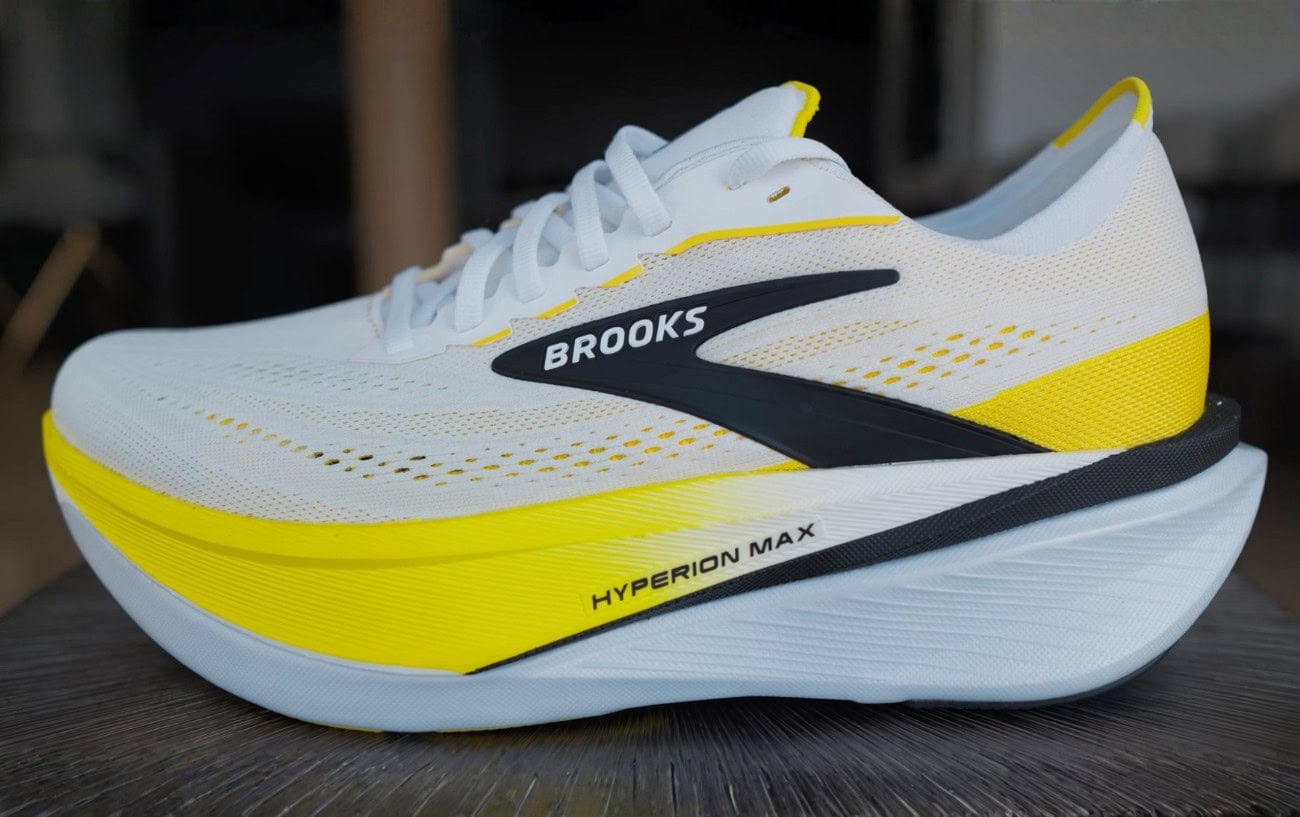
I’m especially a fan of this shoe because it represents a big revamp from Brooks. Not that the 4 is that different from the 3, but it’s solidifying Brooks as a brand that’s able to make not only light shoes and comfortable shoes, but powerful running shoes. And a couple years ago, that’s exactly what they were lacking.
The Hyperion Max 4 has three (actually four) components that I really like. The midsole is made of three parts: a DNA Gold PEBA foam up top, a supercritical EVA at the bottom for stability, and in the middle, a SpeedVault nylon plate. So not carbon — a little bit more forgiving, but still stiff enough to give you some pop. And on top is an upper that’s quite a bit more comfortable than most uppers we see in super trainers. So Brooks managed to find that balance between fast and aggressive and comfortable. I think it’s important for them to keep their shoes comfortable, because that’s kind of their trademark.
My one gripe with this shoe: somehow it’s the heaviest shoe on the list. I cannot believe that a shoe as big as the Skyward X2 is not heavier than the Brooks Hyperion Max 4. Brooks not only blew up their light shoes, they really gave them muscle — and it’s almost getting to be on the verge of too heavy, but it’s not there yet.
I love doing long runs in the Hyperion Max 4. I’ve done threshold runs, and I’ve even done hills, and those have felt good. It’s tough to make a big, powerful shoe that still feels good on the turnover, and I feel that Brooks has done that here.
Obviously, big points on design and comfort. Overall score: 8.9. I think this would have been the shoe of the year if not for our winning brand and our winning shoe’s magical release — I don’t think I can top number one. But this is clearly Brooks’s best super trainer to date.

The Deets: Tech Specs For The Brooks Hyperion Max 4
- MSRP: $200 USD
- Stack height: Heel: 46mm; Forefoot: 40mm
- Weight: 10.1 oz (286g)
- Heel-to-toe drop: 6mm
Honorable Mentions
A few quick honorable mentions before we move on to number one. I have two main ones here: the Brooks Glycerin Max 2 and the ASICS Magic Speed 5. The only reason that neither of these shoes has made it onto this list is that both exist too far on one side of the spectrum.
The Glycerin Max 2 is very comfortable and really fun to wear, but it doesn’t really have enough teeth to compete with these other shoes. You can run easy in this shoe. You can do a good long run. But as soon as you pick it up for a threshold, it feels like it’s missing a beat. That’s why I didn’t rank it in my top five. But the comfort of the shoe made it close.
And then the Magic Speed 5. I love this shoe. I do a lot of workouts in this shoe. I did not include it because it’s so aggressive that it almost feels like a racing shoe more than a workout shoe. And I’ve heard from a lot of people that they don’t find that this shoe has enough support to really be a workout shoe. So I kind of counted it more as a racing shoe, even though I know it’s for workouts. Anyway, maybe this is a call to action for people who like a stiff, fast running shoe for workouts to check out the Magic Speed 5, because I really like the shoe.

#1 Best Shoe overall:
ASICS Superblast 3
Need shoes for running too? See our picks for the best running shoes overall, the best marathon running shoes, and the best carbon plate running shoes for race day.
Score: 9.0
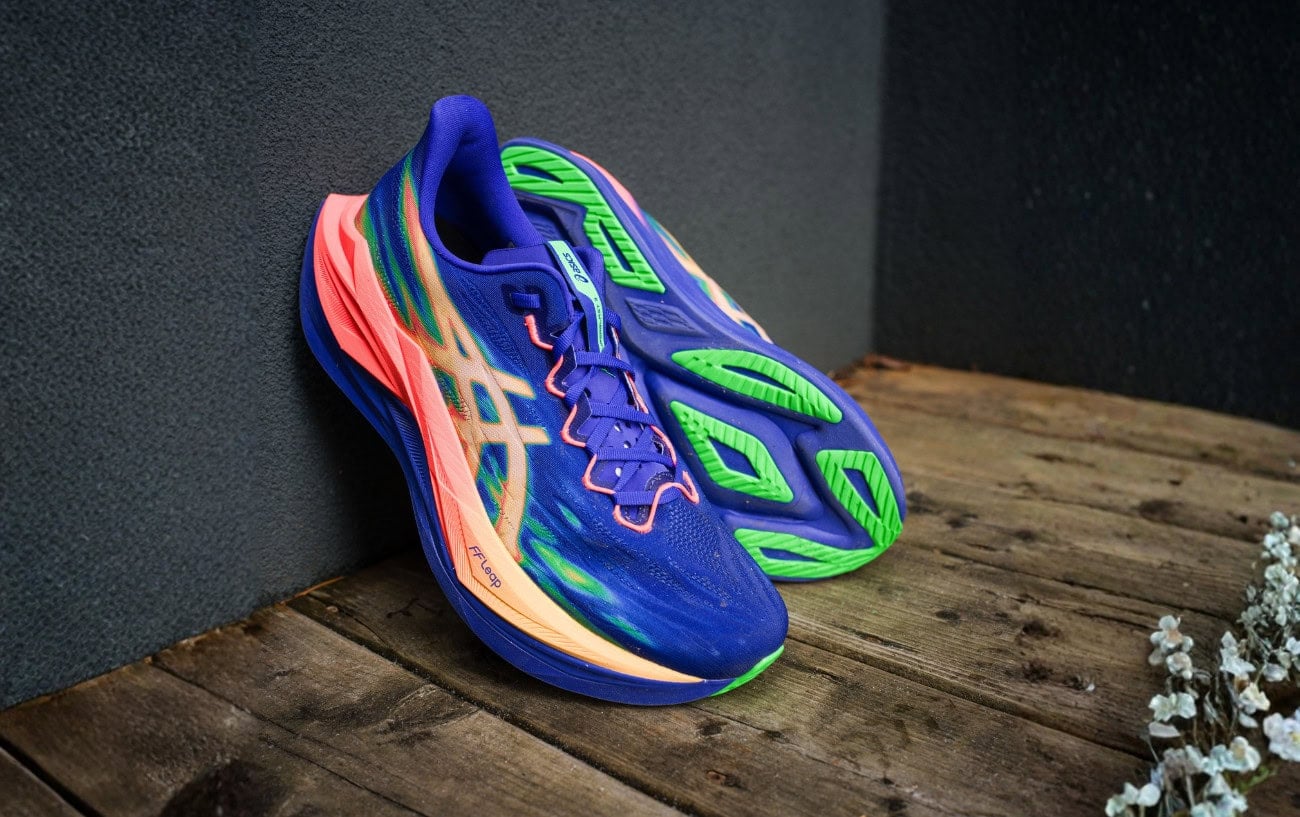
I’ve been a big Superblast fan since the 2. I challenged myself to find a shoe that I liked more, and I failed.
Here’s what’s cool about the Superblast. It’s the comfiest shoe on this list, but it’s also the lightest. It has a unique set of qualities that are hard to find in another shoe.
The Superblast’s secret weapon: ASICS took its FF Leap foam — their aTPU supercritical foam that they use in their racing shoes like the Metaspeed Ray — and put it inside of their super trainer’s midsole. Now, some people fear that it would make the shoe not all that durable, because that foam is known to not last that long. This has not been my experience. I have several hundreds of miles run in this shoe, and so far we’re doing fine. I think it was a brilliant move to put that really good foam inside of that shoe.
The drawback: it makes this shoe expensive. Like most super trainers on this list, you’re paying a premium to run in the Superblast 3. The bonus, and what they don’t want to tell you, is that that makes the Superblast 2, if you can find it, much cheaper than it used to be. So if you can get your hands on a pair of Superblast 2s, go for it. The changes are not that huge, but if you compare the two, the Superblast 3 still wins.
I would say the key quality of this shoe is that it feels good at every speed. You can very much run an easy run in this shoe. You can pick it up and go up to threshold pace. You can run a fartlek and feel good. You can even do hills and feel all right. On the spectrum, it’s more on the protection-and-support-and-stability side than it is on the speed-power side, but I’m starting to feel that you may not need a carbon plate in your super trainers. My own thoughts on this are evolving. We’ve talked about it on recent podcasts: should you have a carbon plate inside of your super trainers? That’s a whole other kettle of fish. But for now, I’ve become a big fan of the Superblast 3, and I bet you will too.
We ranked it at 9 out of 10. Good marks across the board. Value is the only knock, really, on the Superblast. Overall, it scored a tiny bit higher than our other shoes here, but it was close.

The Deets: Tech Specs For The ASICS Superblast 3
- MSRP: $270 USD
- Stack height: Heel: 45mm; Forefoot: 37mm
- Weight: 8.8oz (249g)
- Heel-to-toe drop: 8mm
The Top Super Shoes On The Market Right Now:

#5 Best for cushioning: Saucony Endorphin Elite 2
Score: 8.0

Since our last power ranking, this shoe slid from position three to five because a couple really cool shoes hit the market. But I was still very impressed by the Endorphin Elite 2.
Saucony hadn’t really been as big a player in the world of super shoes as I would’ve expected, especially given they were one of the first companies to develop a super shoe back in the 2017–2019 era.
The standout feature of this shoe is the midsole, which is incredibly bouncy. I’ve been calling this one of the best shoes in the world since early this year, even before it started getting much attention. Very few pros were wearing them at major marathons, very few pros are sponsored by Saucony. But that changed at the World Championships when Uruguay’s María Pía Fernández won a surprise bronze medal in the women’s marathon wearing the Endorphin Elite 2. Well deserved, because I do think these are some of the best shoes in the world.
We gave it an overall rating of 8. Its best score was in performance. I still struggle to find a shoe with as much propulsive force. It’s a really, really fun shoe to wear for workouts.
We docked some marks for comfort. The downside of a squishy foam is there’s not much stability for pronators. I’m a pronator, not enough to wear stability shoes, but enough that I noticed some soreness in odd places after workouts. My feet tend to drift inward in these, and the foam doesn’t do much to stop that. It wasn’t enough for me to ditch them, I still love using them, but it’s something to be aware of.
So, they’re totally worth buying if you don’t mind the squishiness and you want pure speed. But if stability is a concern, I’d look elsewhere. They’re also a bit weird around turns, so they do take some getting used to.
Here’s my video review and a round-up of the Endorphin series:

The Deets: Tech Specs For The Saucony Endorphin Elite 2
- MH Score: 8.0
- MSRP: $290 USD
- Stack height: Heel: 39.5mm; Forefoot: 31.5mm
- Weight: 7.0oz (199g)
- Heel-to-toe drop: 8mm
#2 Best for durability: Adidas Adios Pro 4
Score: 8.4
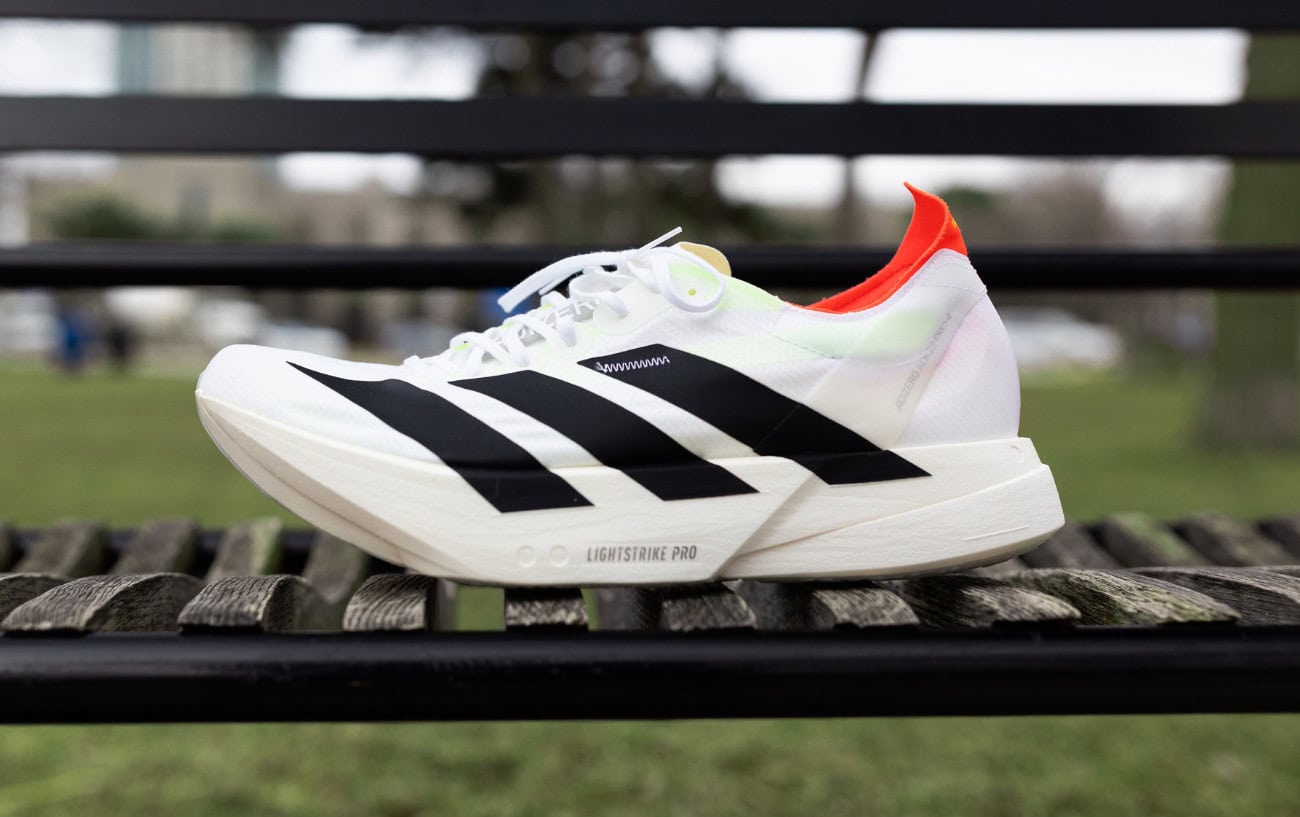
This was my racing shoe for the first half of 2024. I alternated between the Endorphin Elite 2 and the Pro 4. They’re very similar in terms of power. What the Pro 4 has over the Endorphin Elite 2 is more stability and better ground connection. I always felt secure taking turns in the Pro 4, not quite the case with the Saucony.
It’s interesting because even though this is a super shoe, it’s Adidas’s more “conservative” racing model compared to their Pro Evo 1 and 2, which are lighter but less durable. Even though the Evo is technically their flagship, some Adidas pros still wear the Pro 4 instead, like Rosemary Wanjiru and Tadu Abate, who finished top two in Berlin wearing the Pro 4, not the Evo.
For everyday runners, this is kind of a loophole, it’s cheaper than the Evo and easier to find.
The foam is TPE, similar to Saucony’s, but firmer. You can’t press into it easily, but it’s responsive. And Adidas doesn’t use a carbon plate, they use carbon rods shaped like foot tendons to save weight while keeping snap.
When we ranked the Pro 4, we didn’t have many complaints. Performance was high. Comfort got dinged a bit because the insole moved around. Could’ve been a sizing issue, I’m a men’s 11 and usually fine, but something was off here. Annoying in workouts, but otherwise it’s comfy and quite durable. Mine’s got over 400 km so far and is still going strong.
Buy the Pro 4 if you value durability and performance. If you need the absolute fastest shoe possible, Adidas does make one, but we’ll get to that.
Here’s my dedicated video review:

The Deets: Tech Specs For The Adidas Adios Pro 4
- MH Score: 8.4
- MSRP: $250 USD
- Stack height: Heel: 39mm; Forefoot: 33mm
- Weight: 6.1oz (200g)
- Heel-to-toe drop: 6mm
#3 Best for A Firm, Light Ride: Asics MetaSpeed Tokyo Edge & Sky
Score: 8.6
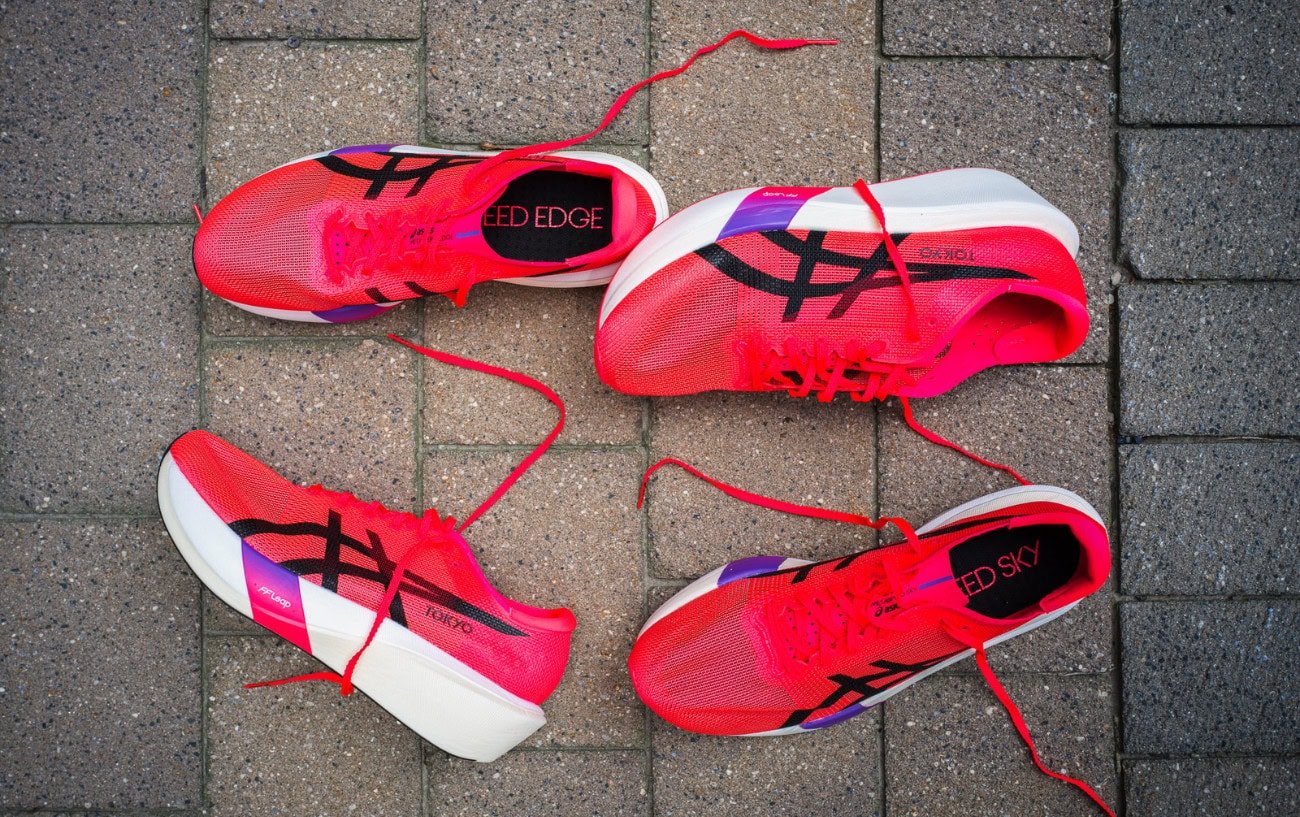
These are technically two different shoes, but we rank them together. The MetaSpeed Tokyo Edge and Sky are identical in stack height, heel-to-toe drop, and weight. The differences are subtle, the Sky is made for runners who increase stride length, and the Edge is for runners who increase cadence.
When these first came out in 2024, it took me a while to understand what Asics was going for. Just when I figured it out, they launched another curveball, the MetaSpeed Ray.
The Tokyo models have two foam layers, one is FF Turbo Plus (stable), the other is FF Leap (lighter, bouncier). The Ray only uses FF Leap and has a small carbon plate, likely for a touch of stability.
At first glance, I thought the Ray would be the pro-favorite. But Asics’s athletes are split. Ilhas Aouani wore the Ray to take bronze at Worlds. Hailemaryam Kiros won the Sydney Marathon wearing one of the Tokyos.
For the everyday runner, I think the Tokyo feels more stable, and that’ll appeal more to most people. Plus, the Ray is hard to get and hasn’t proven itself fully yet. So we’re sticking with the Tokyo for now.
We gave the Tokyo Edge and Sky a rating of 8.6, right up there with Saucony and Adidas. I’d give them a slight edge in speed and comfort. Durability is strong.
Buy the Tokyo if you like a firm, light super shoe. Avoid it if you want something squishy (the Saucony would be better) or if you have wide feet, it fits snug.
Here’s my dedicated video reveiw of both the Sky and the Edge:

The Deets: Tech Specs For The ASICS Metaspeed Tokyo
- MH Score: 8.6
- MSRP: $270 USD
- Stack height: Heel: 39.5mm; Forefoot: 34.5mm
- Weight: 5.7oz (163g)
- Heel-to-toe drop: 5mm
#2 Best Shoe For Your Next PR: Puma Fast-R Nitro Elite 3
Score: 8.6

I’ve become hard to impress with shoes, after a while, they all start to look the same. But this one was a jaw-dropper. It launched during Boston Marathon weekend and was the most exciting shoe of the year so far.
I can’t believe it’s not number one, but based on what’s happening at major marathons, it sits at number two.
The engineering is incredible. It has a 7-layer carbon plate that extends past the toe to help with toe-off. The midsole has deep cutouts, the geometry is specific, and everything about it feels pared down. It’s like a track bike, all muscle, no bulk.
I raced in it at the Canadian 10K Championships and set a PR. It became my racing shoe after that. It’s incredibly light, great for cornering, and just a blast to race in. But it’s not for everyone. It has minimal support, and you feel the ground. It’s not a shoe you want for next-day recovery or even hard workouts. This is your goal race shoe, the one for when you want a personal best and don’t care what happens the next day.
One caveat, it’s not durable. After one race, the outsole tread was gone. That doesn’t matter to me personally, but if it matters to you, be cautious.
Here is my dedicated video review:

The Deets: Tech Specs For The Puma Fast-R Nitro Elite 3
- MH Score: 8.6
- MSRP: $300 USD
- Stack height: Heel: 40mm; Forefoot: 32mm
- Weight: 6.0oz (170g)
- Heel-to-toe drop: 8mm
Honorable Mentions
Two shoes almost made this list but didn’t.
Nike Alphafly 3: Yes, it’s still on a lot of major podiums. But that’s because Nike sponsors the best athletes. The shoe is now nearly 18 months old, and while it was cutting edge at launch, the industry has moved on. Nike is surely working on the next version.
Adidas Adios Pro Evo 1: This was the best “pure speed” shoe for a while. But it had one job, go fast, once or twice. Mine lasted about 50 km. That’s not a typo. And at $500 a pair, it’s a hard sell. There’s now a shoe that does that job better.
So to the Alphafly 3 and the Evo 1, rest in peace, lest we remember.
Training for a marathon? Check out our dedicated guide to the best marathon running shoes and learn how carbon fiber technology works in modern racing shoes.
#1 Best overall: Adidas Adios Pro Evo 2
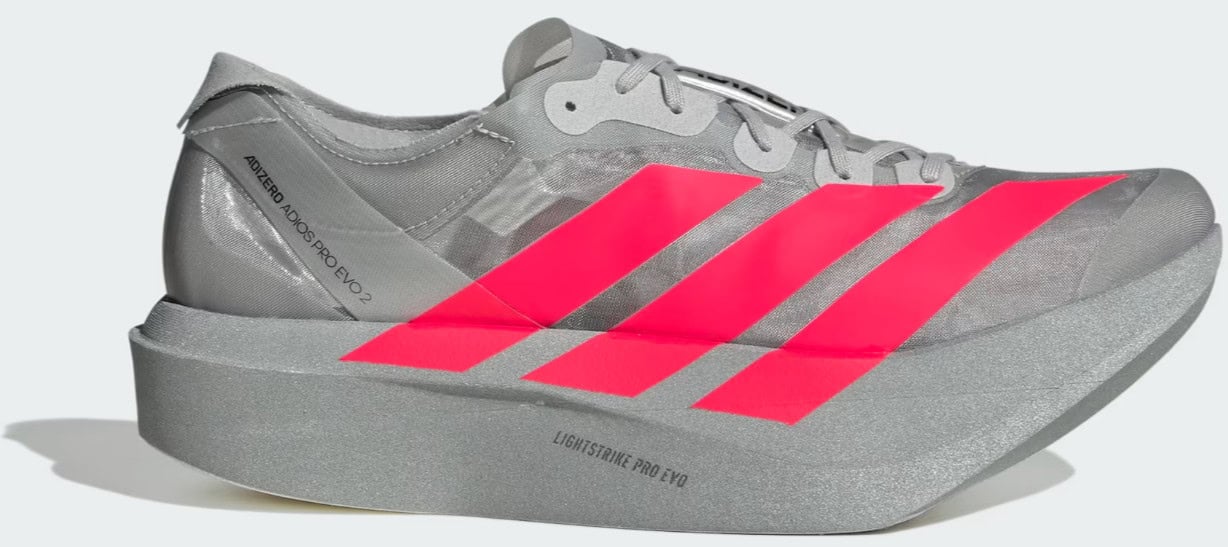
This shoe has dominated fall racing season. Alphonse Simbu and Peres Jepchirchir both won World Championship marathons in them. Sebastian Sawe won a hot Berlin Marathon in them. The Evo 2 is everywhere.
I’ve worn the Evo 1, so I have context. The Evo 1 was amazing, but not durable. The Evo 2 reportedly fixes that. The forefoot now has more foam, helping with both drop (now just 3 mm) and longevity. The outsole has more traction. And somehow, it weighs just 4.86 oz.
We’ll be testing it ourselves soon, but based on everything we’ve seen, it’s earned its spot at the top of this list. Right now, it’s the best super shoe in the world.
Just getting started? Read our guide on how to start running.
Make sure to also work on your proper running form to prevent injuries.
The Deets: Tech Specs For The Adidas Adios Pro Evo 2
- MSRP: $500 USD
- Stack height: Heel: 39mm; Forefoot: 36mm
- Weight: 4.86oz (138g)
- Heel-to-toe drop: 3mm
Frequently Asked Questions
How did you test these running shoes?
Our testing team logs at least 50 miles in each shoe across different surfaces, paces, and weather conditions. We evaluate cushioning, stability, responsiveness, durability, and fit before making our recommendations.
How often should you replace running shoes?
Most running shoes last between 300-500 miles, depending on the shoe construction, your running style, and the surfaces you run on. Signs it is time to replace include visible midsole compression, worn outsole tread, or new aches and pains during runs.
What is the difference between neutral and stability running shoes?
Neutral shoes work for runners with a normal gait or slight underpronation, offering cushioning without corrective features. Stability shoes include a medial post or guide rail to counter overpronation, where your foot rolls excessively inward during the stride.
Are expensive running shoes worth it?
Not always. Price often reflects premium materials and brand positioning rather than performance gains. Many mid-range shoes ($120-$150) offer excellent cushioning and durability. The best shoe is the one that fits your foot and running style, regardless of price.
Torn between Nike’s top two? See our detailed Nike Vomero vs Pegasus head-to-head comparison.
More Shoe Roundups From Marathon Handbook
- Best Running Shoes For Beginners
- Best Hoka Running Shoes
- Best Half Marathon Shoes
- Best Trail Running Shoes
RunClub — Free
Join 300,000+ runners in RunClub
Free training plans for every distance, a daily running game, exclusive coaching content, and a real community of runners. Create your free account in 20 seconds — no card.
Already a member? Log in →



Join the conversation
Thank you for the shoe data. Any comments on OnCloud. I have been running in them for a couple years. However, I now find differences especially in their Marathon “ version, Monster 3. They wear down quickly and the ankle height is high, causing me to wear higher ankle socks. I am a triathlete and marathoner, however just your average level. While I have completed many of both, I still at 64yo consider myself average. I love the width of the shoe, the weight and all the other features. I rarely see any info on them. Thank you.
One mans easy is another mans quick . So saying at easy paces means nothing unless you specify the pace. Can you recommend a plated shoe for an 80 yr old runner who ran a 3:37 marathon at age 69 then was out until 2 yrs ago with prostate problems and a complete year off due to op. I have done 2 marathons since being back on both, legs seized at first 13K, second just beyond half way. Can you suggest a pair of not to aggressive shoes for a 4:25ish marathon pace.