By the time January rolls around, most runners have settled into a familiar rhythm. The holiday chaos is over. Training plans are back on the fridge. Mileage creeps upward again. And for the last two years, there’s been one more strange but unmistakable sign for runners that the new year has officially begun.
The Chipotle x Strava Segment Challenge.
Or at least, there used to be.
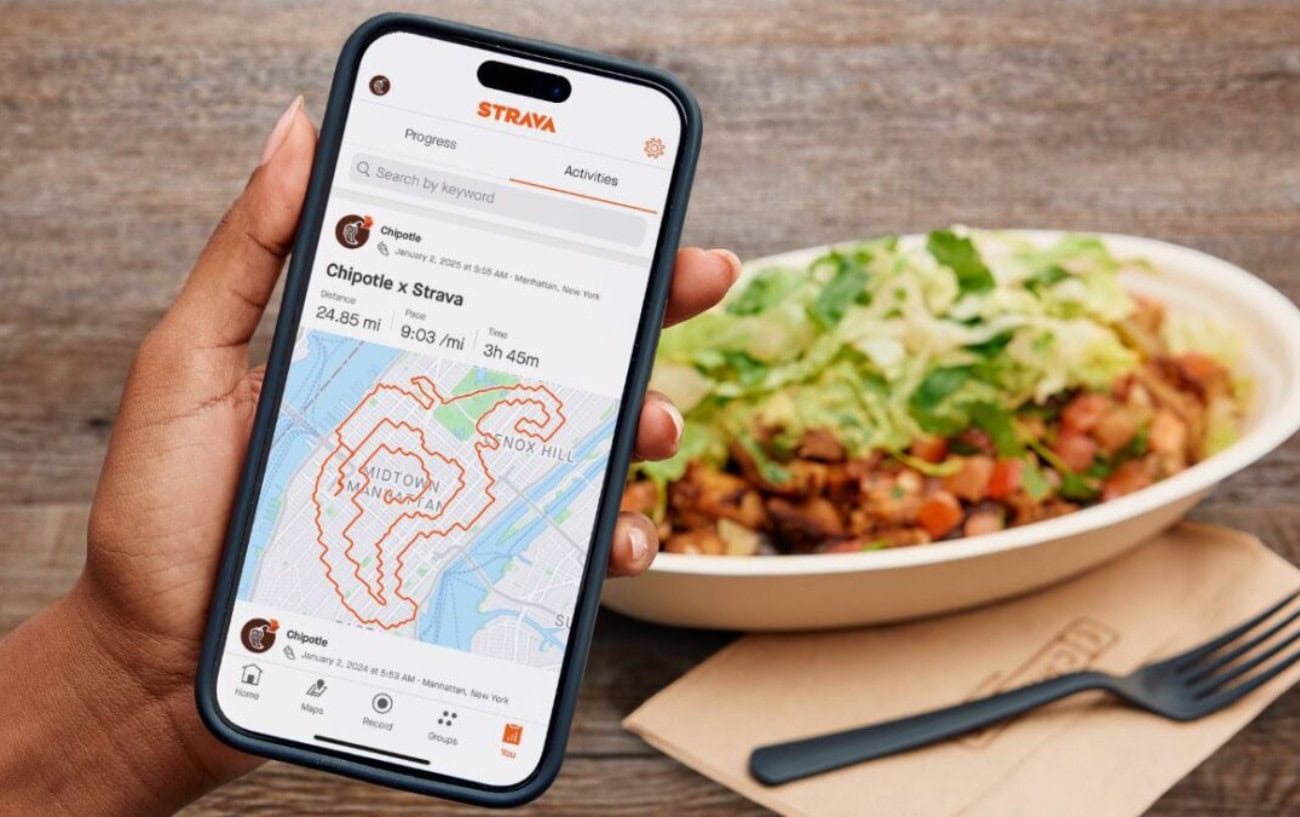
In both 2024 and 2025, Chipotle and Strava kicked off January with a coordinated announcement on Jan. 2.
Twenty-five cities. One Chipotle per city. A short, brutally repetitive segment wrapped around each location. Run it more times than anyone else over the month, and you’re crowned Local Legend, with the grand prize dangling at the end: free Chipotle for a year.
It was ridiculous. It was mildly unhinged. And runners absolutely loved it.
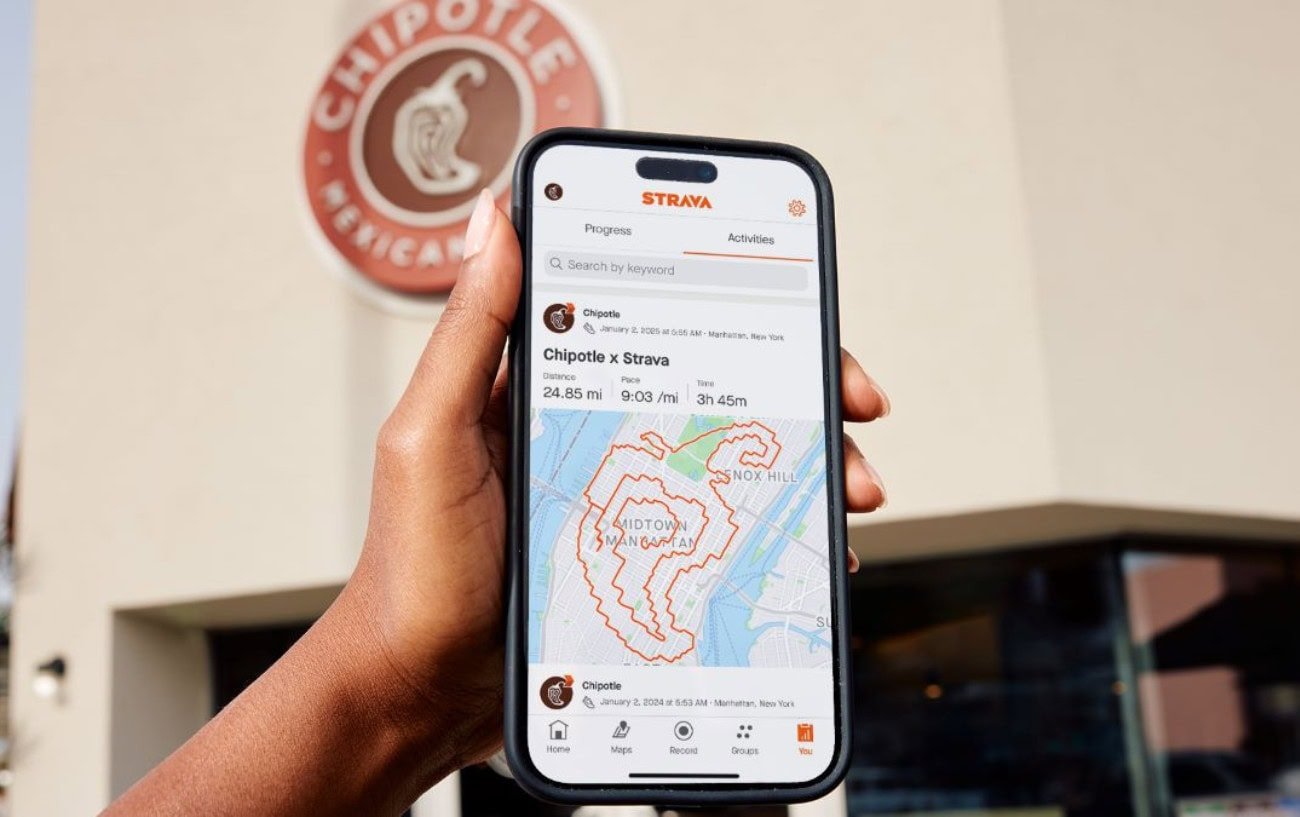
This year, Jan. 2 came and went quietly. No announcement. No segment drop. No Chipotle-branded Strava posts sliding into feeds. For most runners, that silence probably registered as nothing at all.
But for the small, highly committed, Chipotle-loving group of people who have turned this challenge into a month-long obsession, the absence was immediately obvious.
One of them was ultrarunner Jamil Coury.
On Instagram this week, Coury posted a screenshot of his Strava Local Legend stats from Mill Avenue in Tempe, Arizona, paired with the caption: “Look what they’ve taken from us. Feeling lost… Doing segments to cope.”
Now, we don’t genuinely believe Chipotle owes anyone free burritos, but Coury’s reaction shows us just how much this challenge has quietly become a January tradition for a certain kind of runner.
But now, for the first time since it started, it’s missing.
From marketing stunt to endurance folklore
When Chipotle and Strava first teamed up, the challenge looked like a straight-up brand play: Gamify running, drive foot traffic, get people talking online. It worked, but maybe in a different way than the companies expected.
Instead of casual joggers knocking out a lap or two, the challenge attracted a very specific personality type. People willing to run hundreds of laps around the same city block. People who scheduled their days around stoplights and sidewalk traffic. People who treated a 400–600 meter segment like it was an ultra course.
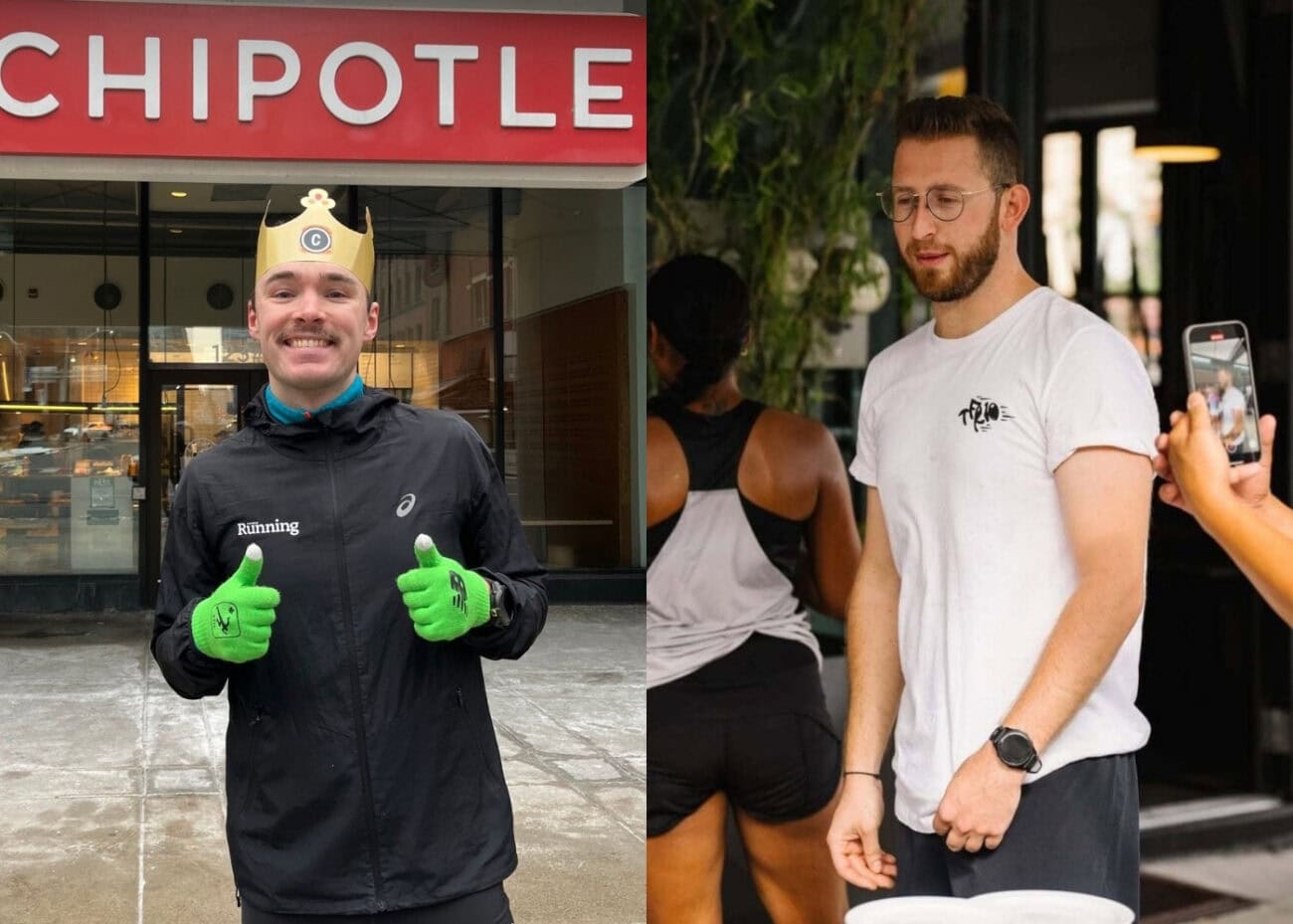
In Tempe last year, Coury and fellow ultrarunner Kevin Russ took things to the extreme. Over the course of January, they logged nearly 620 miles each on a single loop around a Chipotle. That’s like running from Phoenix to San Diego, just without ever really going anywhere.
In Toronto, runner and writer Marley Dickinson thought he had his local segment locked up after a month of grinding out laps through downtown congestion, only to be leapfrogged at the last minute by a rival who dumped a massive batch of hidden runs into Strava hours before the deadline.
In Washington, D.C., something similar played out the year before.
The rules were simple and somewhat brutal: whoever ran the segment the most times in January won. So then, strategy, deception, camaraderie, and a slightly deranged sense of humor all became part of the game.
Over time, the challenge started feeling like a weird, annual proving ground. A test of patience and strategic acumen, almost like a social experiment disguised as a marketing ploy and giveaway.
Running culture thrives on its strange little traditions. The Chipotle Strava Challenge became one of those traditions. It gave runners permission to be obsessive. It rewarded stubbornness. It turned a mundane city block into a stage.
At the time of publication, neither Chipotle nor Strava has commented publicly on whether the challenge will return later this month or if it’s been shelved entirely.
If it is, the challenge will no doubt go down in history. Few marketing campaigns can claim they inspired people to voluntarily run hundreds of miles in circles, argue about sportsmanship on the internet, and feel genuinely nostalgic when it all goes quiet.
And if it does come back? Well. A lot of people are already laced up.