


Not long ago, New Balance was the shoe you bought your father for his birthday because you knew he’d actually wear it. Comfortable, sensible, slightly uncool. The automotive equivalent of a Volvo.
That reputation is now worth $9.2 billion.
New Balance posted $9.2 billion in global sales for 2025 — a 19% jump over 2024 and the company’s fifth straight year of double-digit growth. The privately held, Boston-based company shared the results exclusively with CNBC on Thursday. North America grew 20% year-over-year. Europe grew 30%. And for the first time in the company’s 120-year history, both its global apparel business and its own retail stores each crossed the $1 billion mark in a single year.
The numbers put New Balance within reach of a milestone CEO Joe Preston has been openly chasing: $10 billion in annual revenue, possibly by the end of this year.
“We’re competitive. No question about it. But we want to make sure that as we get there and surpass it, that the quality of our business is first and foremost,” Preston told CNBC. “We don’t want empty calories here.”
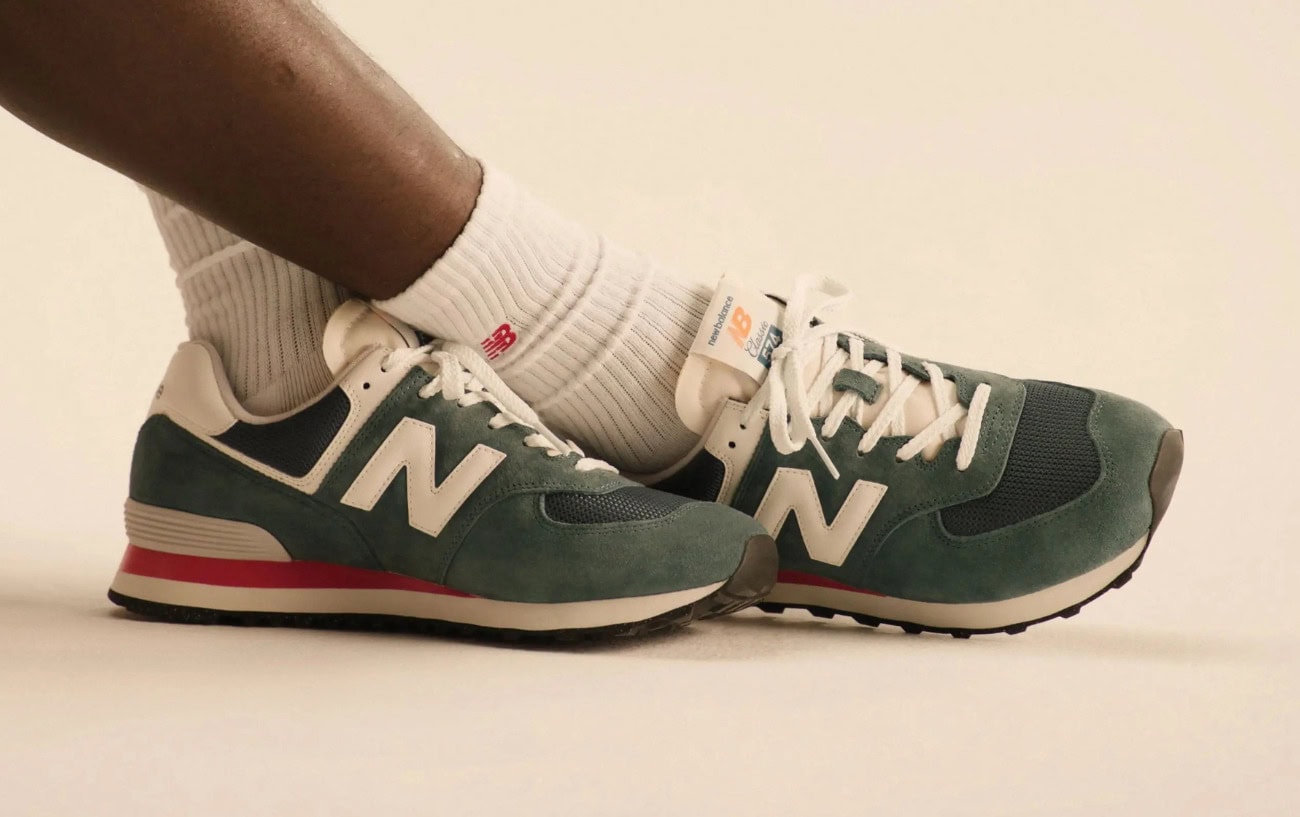
From dad shoe to cult brand — and it happened fast
The scale of New Balance’s rise is hard to overstate. Since 2020, the company has grown sales by a staggering 180%. To put that in sneaker terms: the brand that once sponsored Little League games is now signing Shohei Ohtani.
Some of this is timing. Coming out of the pandemic, ’90s fashion came roaring back, and New Balance happened to have warehouses full of exactly what people suddenly wanted. Younger shoppers who had never worn the brand started buying it — not to run, not to work out, just to be seen in them at the coffee shop. The company leaned in hard, pairing that nostalgia with a deliberate move upmarket. Its average selling price has climbed roughly 30% over five years.
But give credit where it’s due. New Balance also made smart bets that had nothing to do with luck.
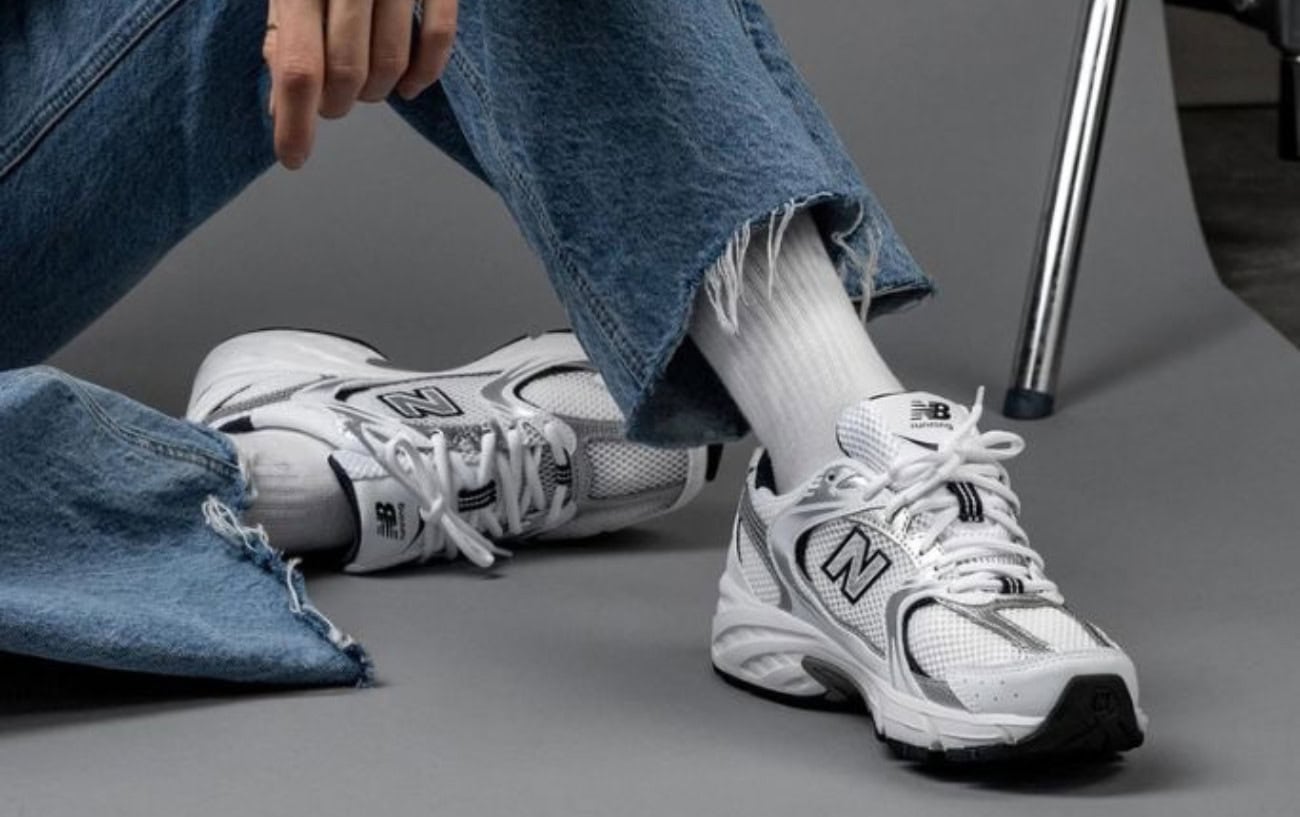
Nike tripped. New Balance ran through the gap.
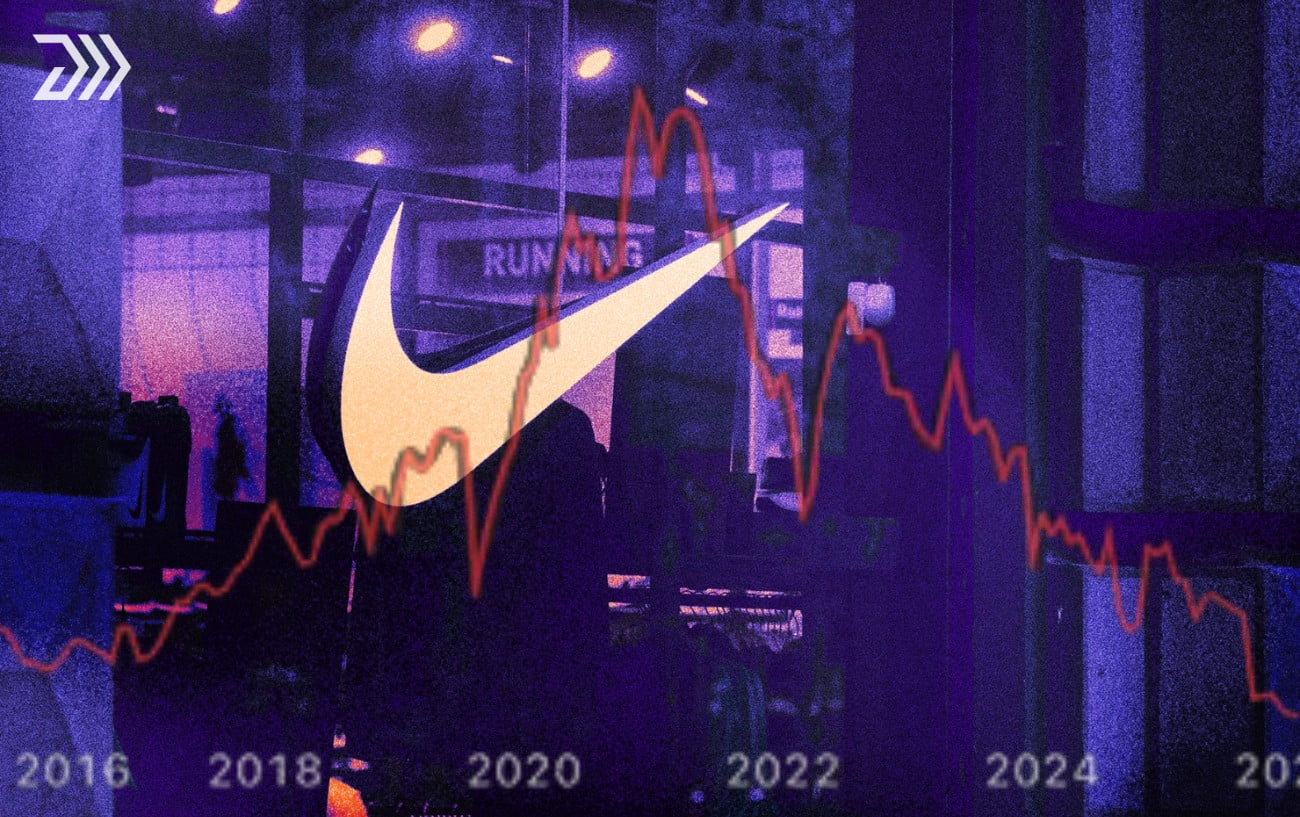
The elephant in the room — or rather, the stumbling giant — is Nike. During the pandemic, Nike made a bold strategic call to cut back on wholesale distribution and push sales through its own website and stores. The idea was cleaner margins and more brand control. The reality was that it handed competitors a gift basket of prime retail shelf space and frustrated loyal customers.
With Nike focused inward, brands like New Balance, Brooks, On, and Deckers moved fast to fill the void. New Balance was particularly aggressive, opening 80 new stores in 2025 alone while also deepening relationships with the independent specialty retailers that Nike had quietly walked away from.
For runners, that last part matters. Specialty running shops — the ones where someone actually watches you move before recommending a shoe — are where a lot of serious training decisions get made. Keeping those relationships intact was smart, not just commercially but for the sport. If you’ve been curious how the two brands stack up on your feet, our New Balance vs Nike running shoe comparison breaks it down in detail.
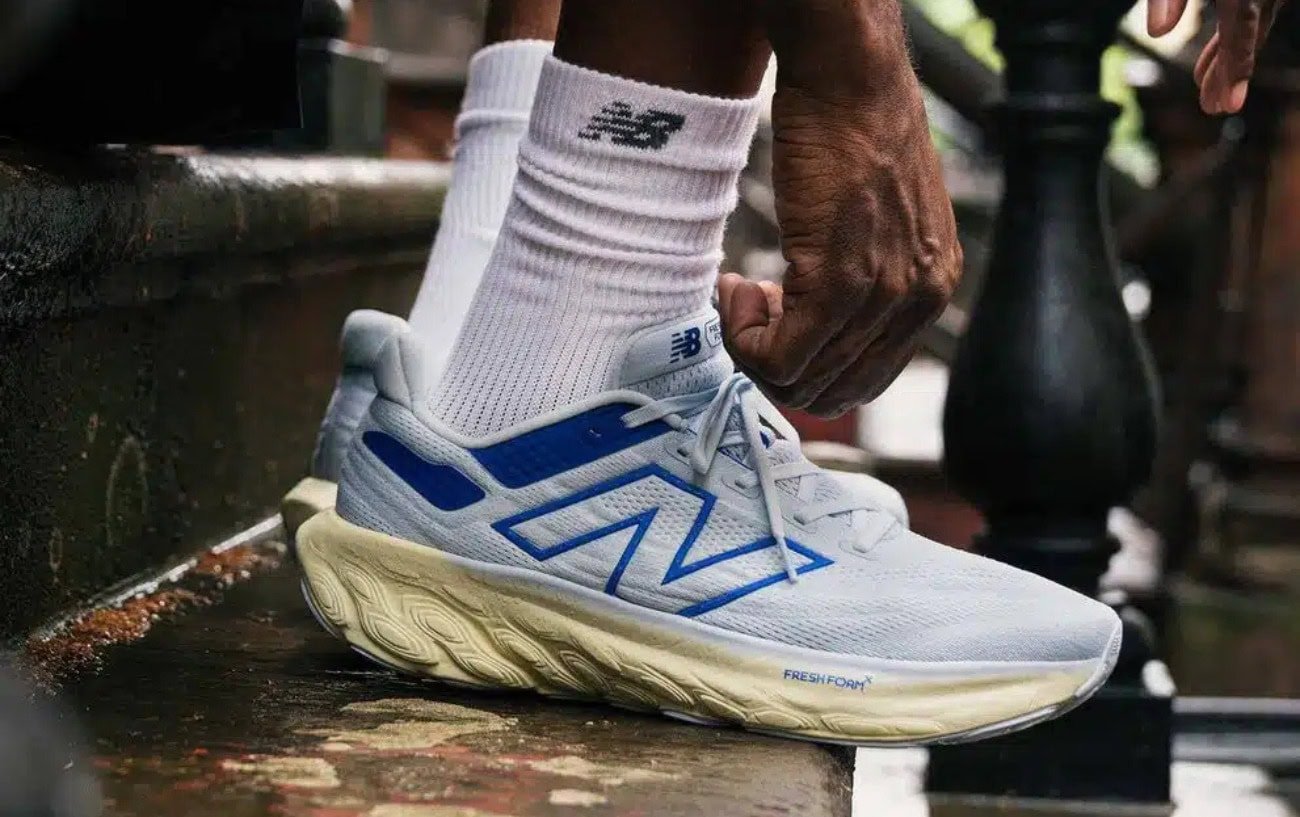
Performance is where it gets interesting for runners
Lifestyle hype can carry a brand for a while. But New Balance has been doing the less glamorous work too. The company has pushed hard into performance, and the results are showing up at race finish lines and on podiums.
Coco Gauff won the French Open in New Balance. Cooper Flagg went first overall in the NBA Draft wearing the brand. Josh Allen has been part of its athlete roster. And Shohei Ohtani, who seems constitutionally incapable of doing anything without winning something, took home a National League MVP Award while representing the brand.
New Balance also signed 13 high school track stars to NIL deals last year — a signal that the brand is playing a very long game on talent and youth culture simultaneously.
For runners specifically, the more telling development may be the company’s continued investment in its domestic manufacturing. New Balance expanded its Central Maine factory in Skowhegan and started production at a new advanced facility in Londonderry, New Hampshire — a genuine rarity in an industry that long ago shipped most production overseas.
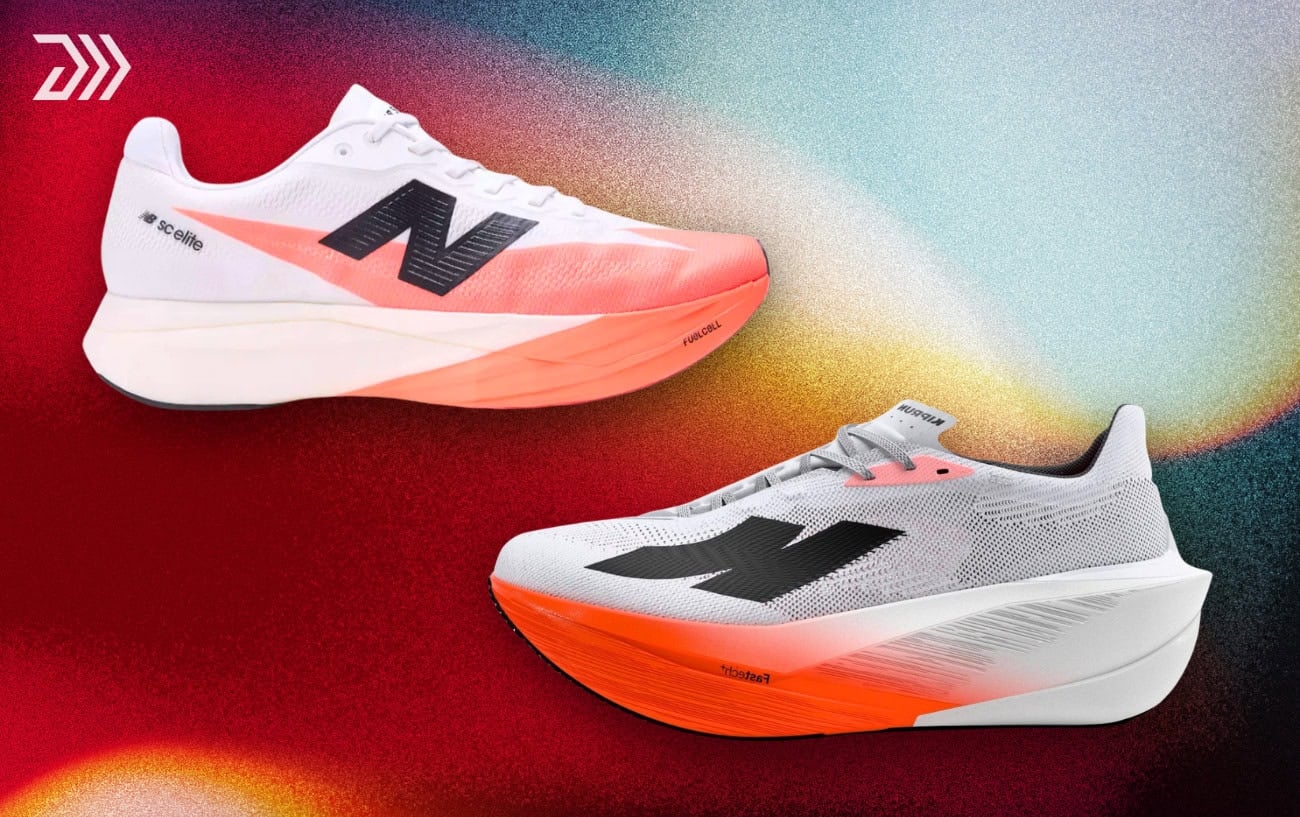
It also opened an Asia Design Studio last year, unifying lifestyle apparel teams across Tokyo, Shanghai, and Seoul. The idea is to bring design closer to local sensibilities and stop making product that feels like it was designed in Boston for everyone everywhere. On the performance side, their FuelCell Supercomp Elite V4 — which found its way onto the Boston Marathon podium — is a strong sign the brand is serious about race day, not just race aesthetics.
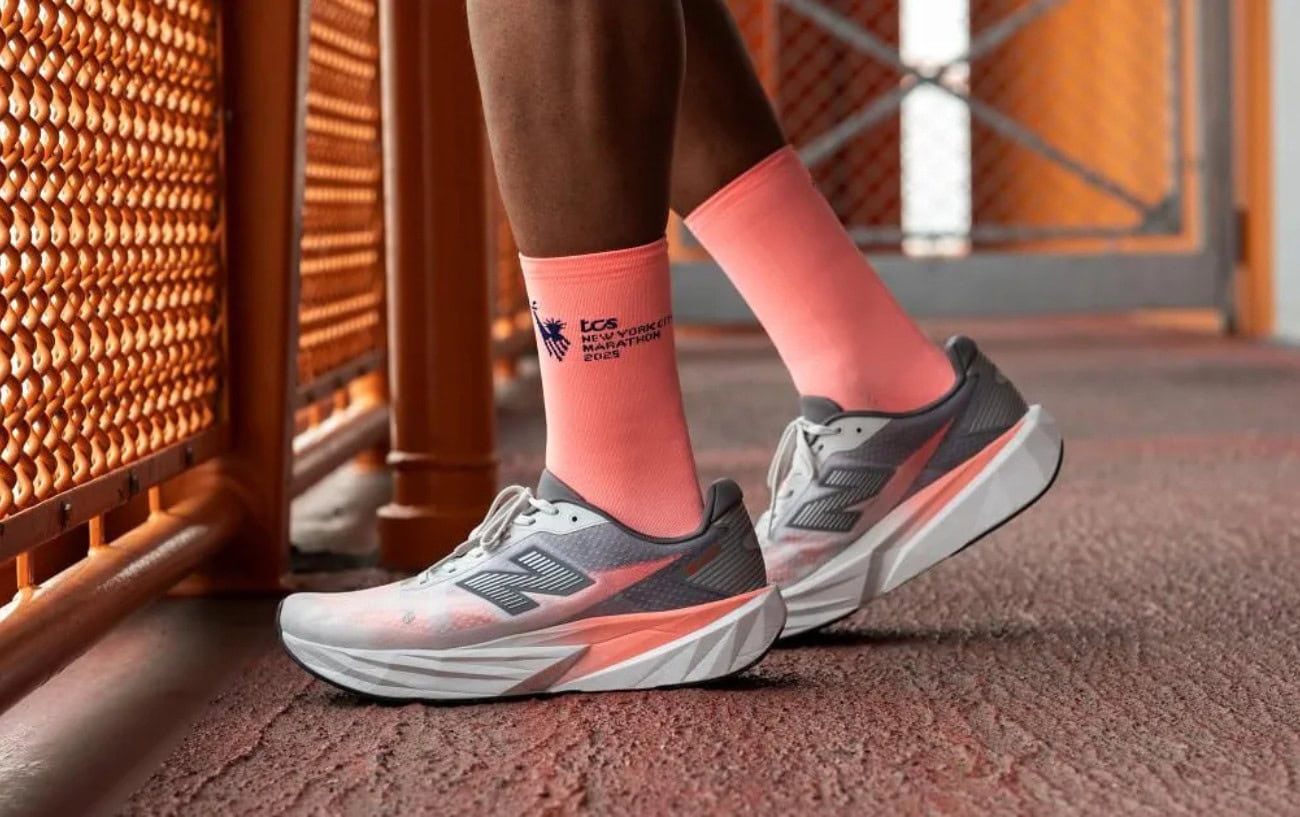
A detail that actually matters at the shoe store
New Balance rolled out a mismatch sizing program last fall that deserves more attention than it’s gotten. Runners with different-sized feet — a more common situation than the industry typically acknowledges — can now order two different sizes for the right and left foot, or even a single shoe. The pilot runs on the Made in USA Fresh Foam 1540v4.
It’s a small thing. It’s also the kind of thing that makes a real difference to the person who needs it, and most big brands haven’t bothered. If you’re still weighing up whether New Balance is the right fit for your training, our comparisons against Hoka, Brooks, and ASICS are a good place to start.

Can it last?
Preston credits a disciplined internal rhythm for keeping the company focused while competitors drifted. During the pandemic, he started a Tuesday morning leadership meeting at 7:30 a.m. with his global team. Five years later, it still happens every week.
“It allowed us to get on a global offense,” he said. “We came out of Covid stronger than any other company in our industry.”
Whether New Balance can sustain this pace is genuinely uncertain. The company declined to share profitability figures, so it’s hard to know how much the aggressive store expansion and manufacturing investment are weighing on margins. Growing to $10 billion sounds like a round number worth celebrating — but it requires the same absolute dollar increase as getting from $3 billion to $3.8 billion, just from a much harder starting point.
New product launches for 2026 include the futuristic 5030 sneaker and the P400 basketball shoe, due out this month. For runners keeping an eye on which New Balance model suits their training, the brand’s expanding lineup means more options — and more decisions — than ever before.
Still, for a brand that spent decades being quietly underestimated, the last five years have been something. And for runners who have watched New Balance quietly build out its performance line while everyone else debated its lifestyle credentials, the message is becoming harder to ignore.
The dad shoe grew up. And it’s running fast.
RunClub
Get more running stories — join RunClub
Daily running news, a community of 300,000+ runners, free training plans for every distance, and a daily running game. Free to join — no card.
Already a member? Log in →


Start the conversation