


A woman running alone on the Wolverine Bowl trail in Anchorage used her bear spray on a brown bear that injured her Thursday, then made her own way out to the Prospect Heights trailhead and was taken to a hospital.
She is the third person hurt by a bear on Anchorage’s front-country trails this summer. A mountain biker was attacked on the Dome Trail on June 16, and a hiker was injured in the Bear Valley area of south Anchorage on July 18.
The Alaska Department of Fish and Game described the attack in a release on Friday. No one else was with her, the department said, and she got the spray out while the bear was still there. She was treated at a local hospital, and biologists interviewed her afterward. Alaska Public Media reported Friday that the seriousness of her injuries had not been made clear. Fish and Game has not released her name, her age, the time of day, the nature of her injuries, or whether the bear had cubs with it.
The June encounter ended differently. A brown bear caught a mountain biker on the Dome Trail, within a mile of the Stuckagain Heights trailhead, and bit and scratched him above the waist. His injuries were serious but not life-threatening, and he too got himself back to a trailhead and was treated at a hospital. He was carrying bear spray and could not get it out.
Cory Stantorf, the Fish and Game area biologist for Anchorage, told Alaska Public Media, which reported that attack, that brown bears often respond this way. “A lot of times we see brown bears go into that fight mode. They see a perceived threat, they neutralize it.”
The July case involved a woman hiking with a companion, injured at about 5:30 p.m. on a trail in the Bear Valley area near Kenai Terrace Road and Brewsters Drive. Her injuries were not life-threatening. Firefighters carried her down the trail while officers tracked the bear with a drone, according to Anchorage police. Fish and Game’s reading of that encounter, as reported by Alaska Public Media, was that a narrow trail, heavy vegetation, poor visibility, and wind and rain most likely meant the group surprised the bear.
Bear spray is the standard deterrent for trail users in bear country, and its record has been measured. A 2008 study in the Journal of Wildlife Management by Tom Smith, Stephen Herrero, Terry DeBruyn and James Wilder examined 83 bear spray incidents in Alaska between 1985 and 2006. Against brown bears, the spray stopped the behavior it was aimed at 92 percent of the time. Of 175 people involved in 72 defensive sprayings, three were injured, all by brown bears, all minor, none requiring hospitalization. Wind threw off accuracy in five of 71 incidents, and in each of those the spray still reached the bear.
Thursday’s runner got hers out and June’s cyclist could not, nine weeks apart, on the same trail system, with the same piece of equipment.
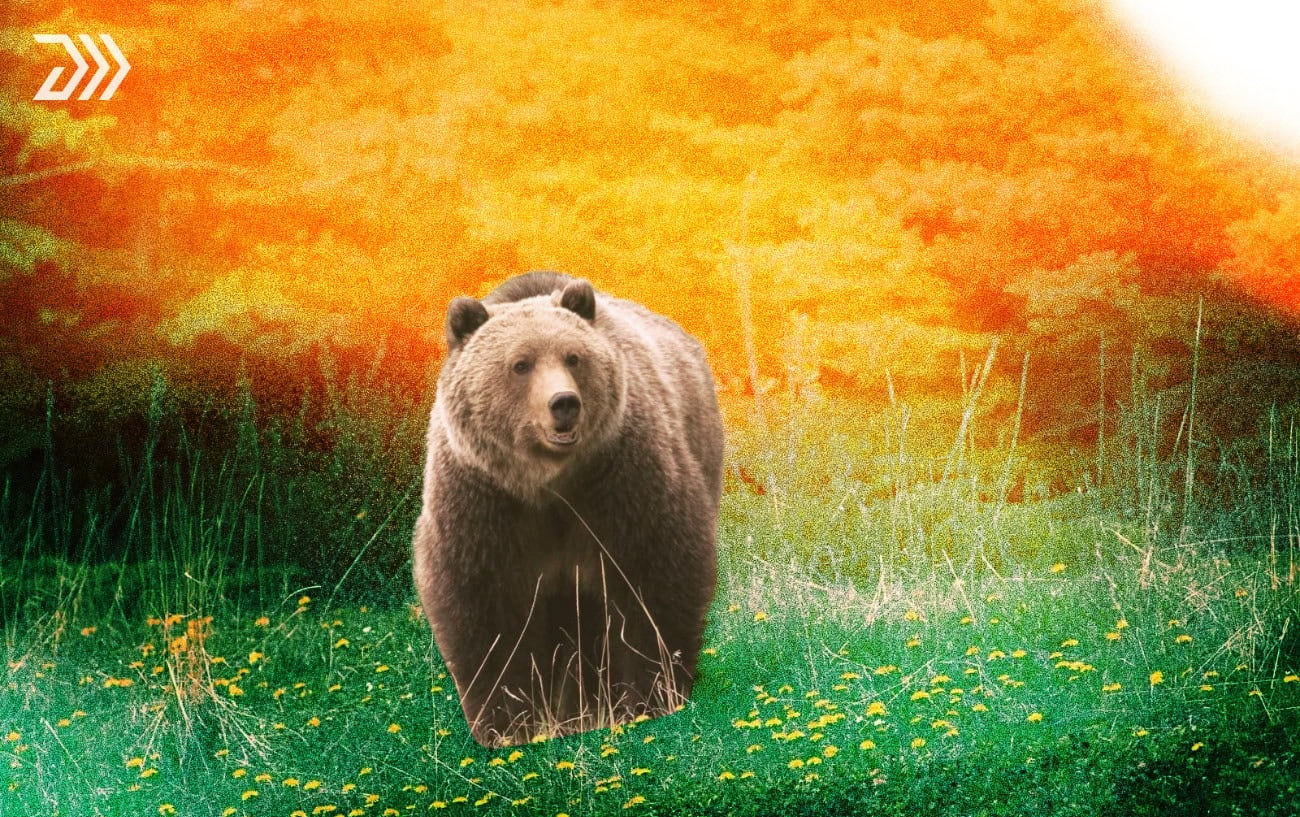
Going out alone is measurable too. Smith and Herrero, writing in the Wildlife Society Bulletin in 2018, logged 682 human-bear conflicts across Alaska between 1880 and 2015, and found that people in groups of two or more were significantly less likely to end up in a confrontation than people traveling by themselves. Grizzlies accounted for 88 percent of those conflicts and black bears for 11 percent, and 82 percent happened in daylight. Statewide, the conflicts averaged 2.6 a year across the whole period and 7.6 a year in the most recent decade the paper covered.
Warning signs are up at the Prospect Heights trailhead, and the department has asked the public not to use trails that have been closed. Biologists searched the site of Thursday’s attack and took samples there. They did not find the bear.
RunClub
Get more running stories — join RunClub
Daily running news, a community of 300,000+ runners, free training plans for every distance, and a daily running game. Free to join — no card.
Already a member? Log in →








Start the conversation