


Four months into his term, Chamonix mayor François-Xavier Laffin has begun cutting the world’s biggest trail running event down to size. In an interview with L’Équipe published July 16, Laffin described restrictions that start with this year’s race week, which runs Aug. 24 to 30, and a set of deeper changes he intends to have settled before anyone registers for 2027.
The sporting side of the 2026 edition is untouched. Registration closed before Laffin took office in late March, he told L’Équipe, leaving no room to alter the races themselves. The commercial side was still within reach. Laffin has ordered the brand village confined to the Place du Mont-Blanc rather than spreading through the town center, a decision he acknowledged organizers “weren’t exactly thrilled” to receive, in remarks translated here from the French. He also pointed to a newer irritant: brands staging their own unofficial races alongside the eight official events.

The list for 2027 and beyond is longer, and Laffin told L’Équipe it carries the backing of the prefecture and elected officials across the valley. Over the next five years, he wants fewer competitors passing through nature reserves, night racing reduced or eliminated in protected areas, a smaller race lineup, and limits on spectators, possibly including a rotation system in which fans who attended one year would be asked to sit out the next.
Laffin, an independent whose list won 53.94 percent of the vote in March to end Éric Fournier’s 18 years in office, framed the measures as a response to a collapse in local goodwill. “A large majority of Chamonix residents despise this event,” he told L’Équipe, describing neighbors who cannot reach work or sleep during a week when finish-line arrivals continue around the clock, sometimes spanning 20 hours for a single race, and who “feel excluded from their own community, dispossessed of their town.” Some landowners in the valley already refuse to let races cross their property, he said.
The numbers explain the strain. Chamonix counted 8,733 permanent residents at the 2019 census, per INSEE data. The event brings more than 100,000 people into the valley, including about 10,000 runners across the weeklong festival, according to Reporterre, the French environmental outlet that documented resident anger over the event as far back as 2023. Its reporting traced the event’s growth over the preceding decade from four races to eight and from 5,000 runners to 10,000.
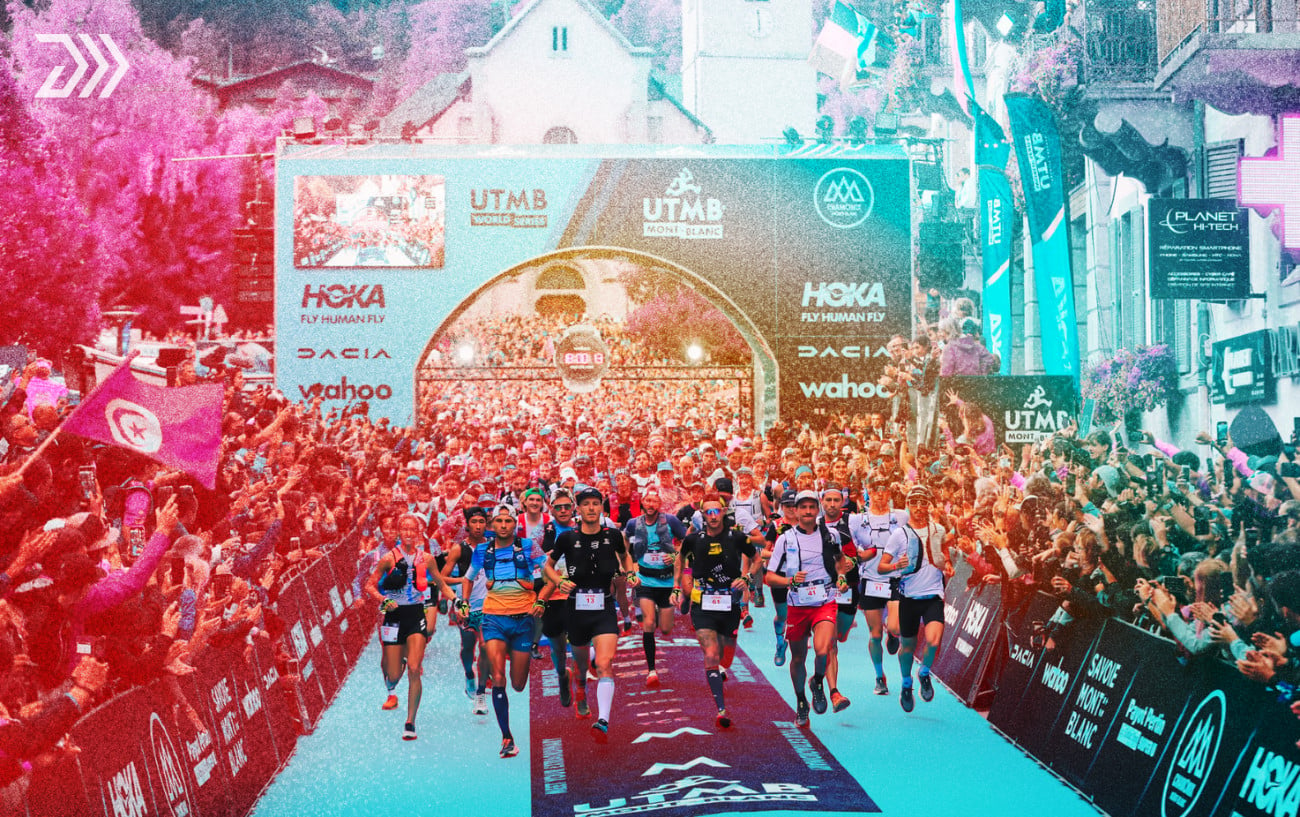
The organization across the table from Laffin has outgrown its village origins. UTMB Group partnered with The Ironman Group in 2021 to build the UTMB World Series, the global circuit whose Running Stones system funnels qualifiers toward the Chamonix finals; within two years it had grown to 36 races worldwide, per Reporterre. Laffin’s writ, meanwhile, extends past the town limits: in April he was elected president of the intermunicipal council that governs the whole Chamonix valley. And the organization has already shown it will adjust under environmental pressure. Ahead of the 2025 race, organizers removed the La Balme aid station to shrink the course’s footprint in the Contamines-Montjoie Nature Reserve.
The mayor, the prefecture, and the organizing committee are scheduled to meet in September, or October at the latest, to settle the 2027 format before registration opens.
RunClub
Get more running stories — join RunClub
Daily running news, a community of 300,000+ runners, free training plans for every distance, and a daily running game. Free to join — no card.
Already a member? Log in →







Join the conversation
It’s not just UTMB race week that the locals despise but also the training groups that barge past hikers on the trails, presumably assuming that they have precedence. Courtesy and spatial awareness are noticeable by their absence.
“Gotta get my PB”…BS .
And then there’s the human mess left along the trails. Yuk.