Two weeks out from the 2026 Boston Marathon, Clayton Young ran his biggest week of the build — 123 miles, a double threshold training day, and a 25-mile long run that ended with six miles of hard, controlled effort. For an athlete who spent 18 weeks sidelined with an ankle injury before this cycle, it felt like a turning point.
“The comeback will be better than the setback,” Young said in his latest training video. “But it’s a lot harder to believe that yourself — and to believe that your body can adapt and change that fast and get back to where it was. But this build kind of has shown to me that it’s possible.”
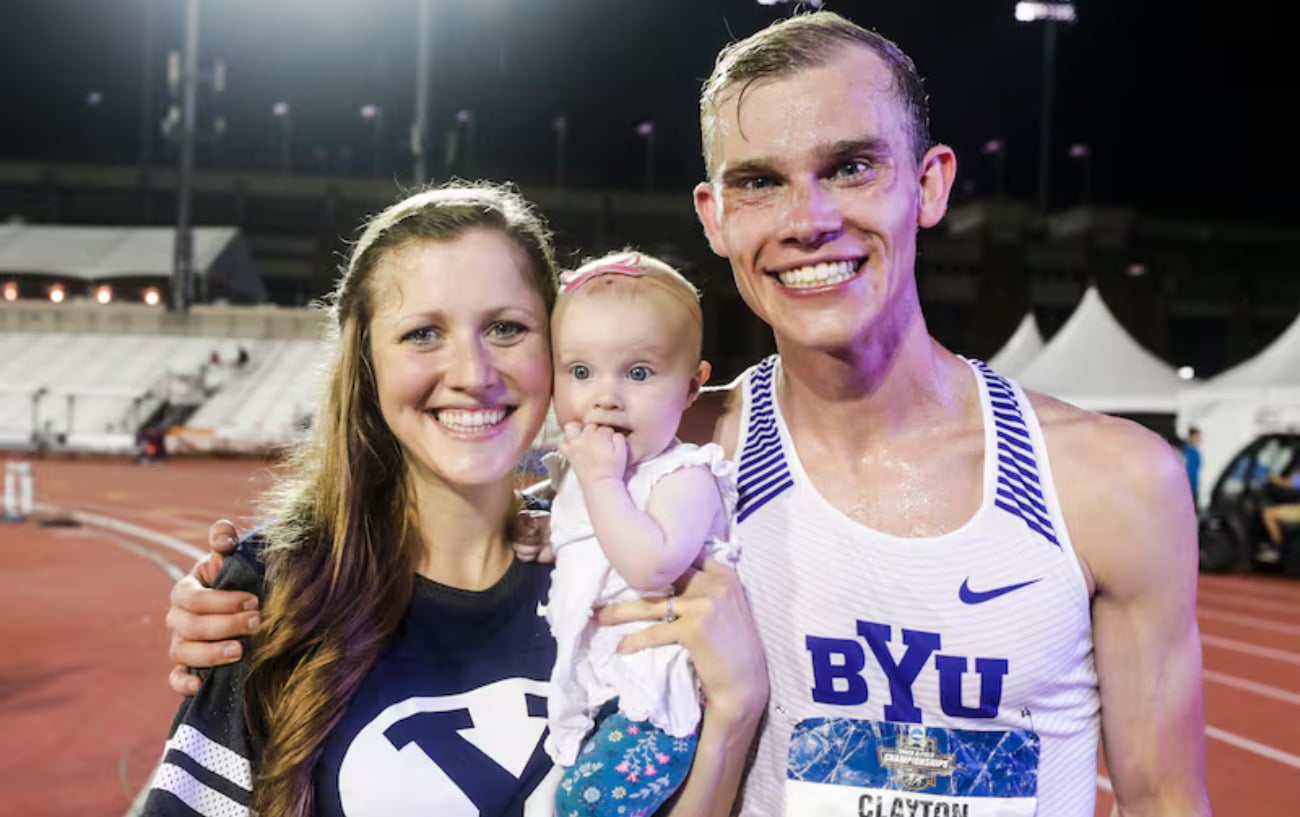
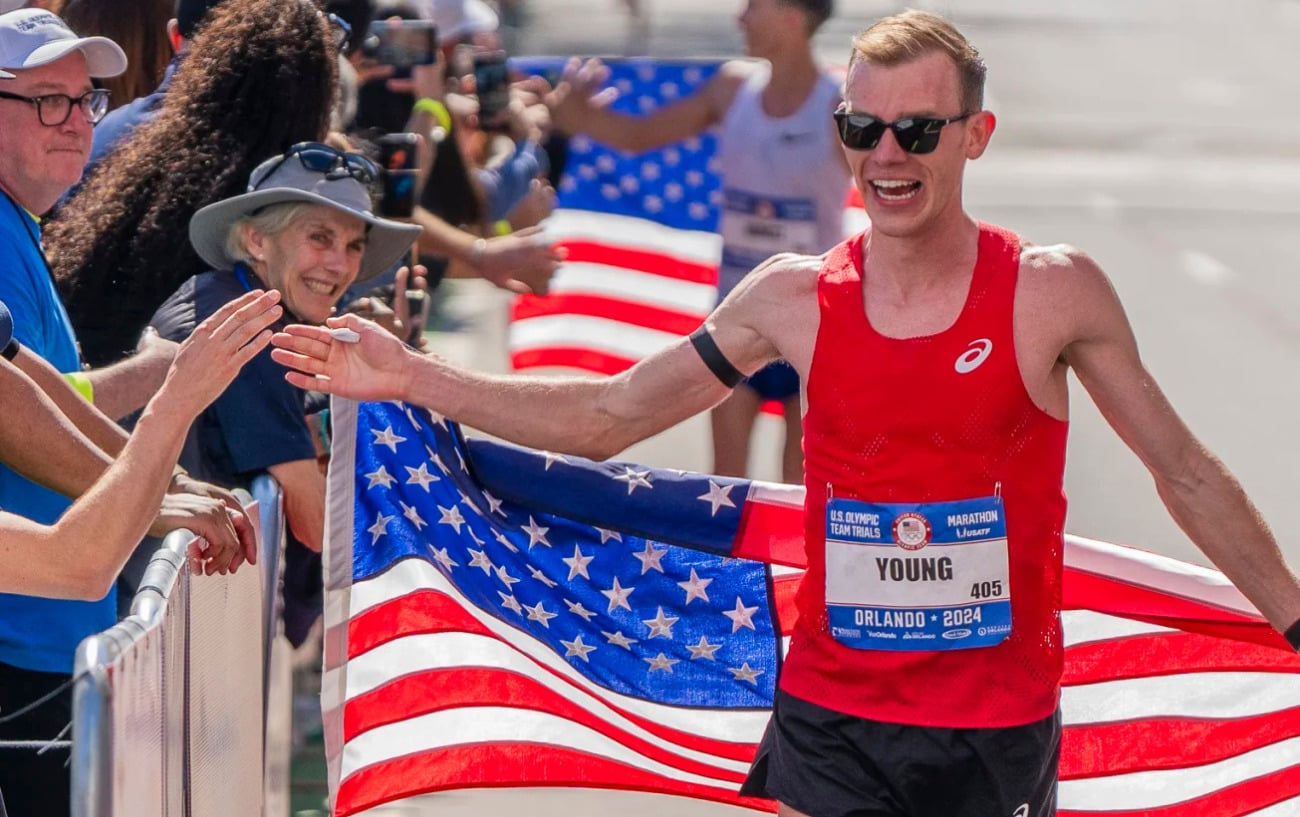
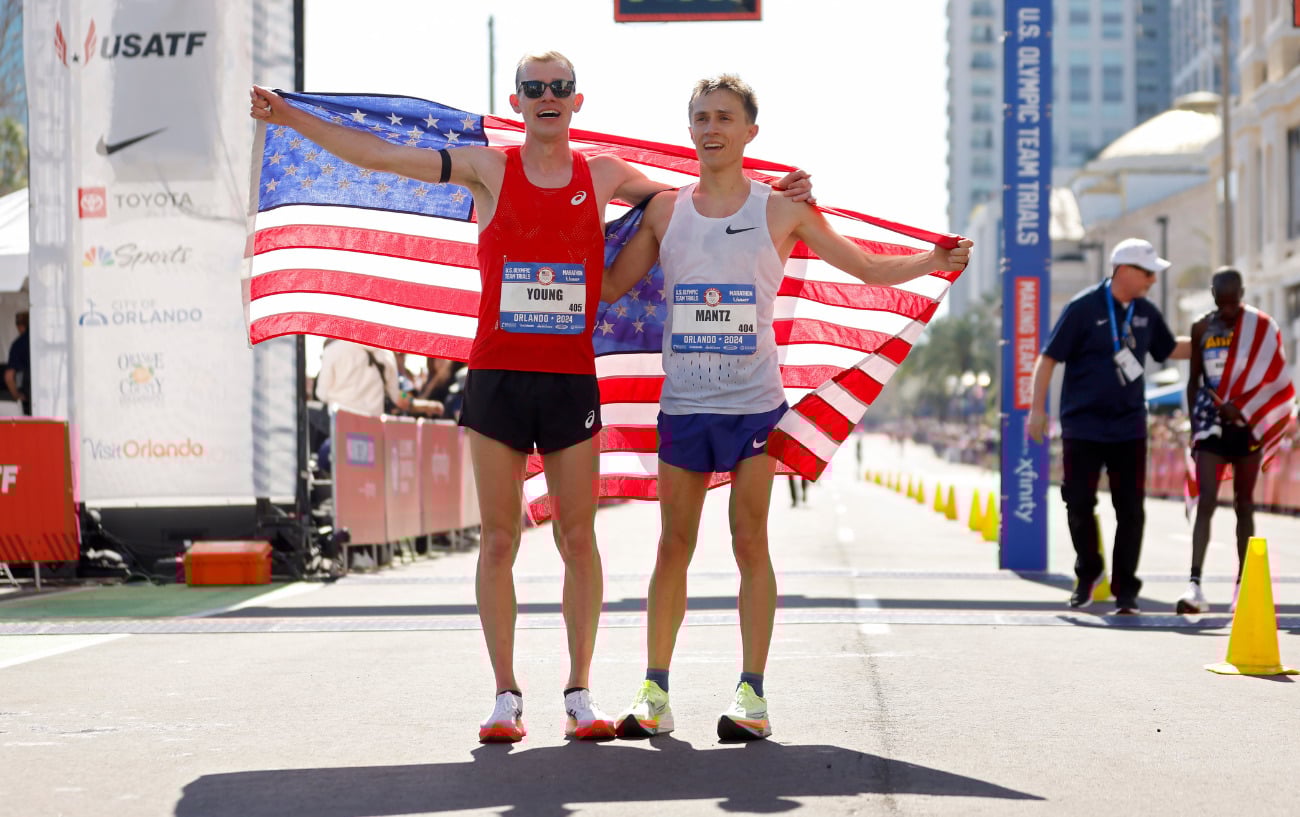
Young, a BYU-trained elite who ran a personal best of 2:07:04 to finish seventh at last year’s Boston Marathon, is chasing another strong result on April 20. The challenge this time is that he had far less runway to get there.

Shorter Build, Higher Stakes
After his ankle injury cost him the bulk of his fall and winter training, Young entered this Boston cycle with only 11 weeks to rebuild. At the start, he was running around 50 miles per week. By peak week, he was at 130.
That kind of mileage ramp — roughly tripling volume in under three months — is aggressive by any standard. Young has been candid throughout the build about the physical toll, and this week was no exception. He described his body as tired but his mindset as sharper than ever.
“I’m just more than anything grateful that I’ve been able to put this together — that I can feel this confident going into the race, coming off this injury, and being on that start line,” he said.
The condensed timeline also shaped how his coaching team, led by Ed Eyestone at BYU, has structured the final weeks. Rather than pulling back early, they’ve held load later into the cycle than they typically would. “We’re just delaying the taper as long as possible,” Young explained, “because we’ve had to give up so much on that back end.”

Tuesday’s Double Threshold
The week’s signature session came on a Tuesday — a double threshold day that began on the track in the morning and returned to the BYU facility in the afternoon.
The morning workout was a six-mile tempo run. Young said it didn’t go exactly as planned. His lower back, a recurring issue tied to biomechanics and glute activation, gave him trouble mid-effort. “I kind of walked away from that workout a little frustrated,” he admitted. “Usually by this point in the build, I have my lower back figured out.”
He came back that afternoon to train alongside the BYU college team, alternating threshold miles between the track and grass. Running back-to-back hard sessions in the same day is a training method increasingly used by elite distance runners to build aerobic capacity without exceeding the body’s structural load. Young kept the afternoon effort controlled, focusing on consistency rather than pace.
Later in the week, a second quality session — four sets of a tempo mile followed immediately by an 800-meter effort — showed more of the form he was looking for. His tempo miles held between 4:40 and 4:45 per mile. His 800s came in at 2:08, 2:08, 2:08, before he closed his final rep in 2:04.
“I don’t get to rip it on the track very often anymore,” Young said. “And will that come into play on the marathon? Who knows — maybe in those last half mile, 100 meters. But really fun day.”
The Long Run That Built Confidence
The week closed with a 25-mile long run — Young’s final one before Boston. His coach kept the route deliberately flat, sending him to a lake loop rather than the hilly terrain that more closely resembles the Boston course. With the ankle still a factor, protecting his health through to race day took priority.
The final six miles were run as a hard effort — marathon-effort pace from 4:50 per mile, working down to 4:43 by the finish. Running that fast at the back end of a 25-mile effort, in the middle of a 123-mile week, is the kind of data that tells an athlete something useful.
Young came away from it with something he hadn’t fully had before: genuine confidence.
“I think I’m going to be okay,” he said. “I finally felt confident enough to where I knew that I could compete — that I could go out with that lead pack and see what happens.”
A Week of More Than Just Miles
Amid the training load, Young also fit in a session at the BYU weight room, focused PT work on glute activation and hip mechanics, and an easy recovery run through Provo Canyon with ultra runner Max Jolliffe. The conversation between the two touched on training longevity and comeback, with Jolliffe noting that elite ultra runners like French competitor Ludovic Pomeray — who won Hard Rock 100 at age 49 — are still competitive into their late 40s.
Young has also been using data from Stryd, a running power meter worn on the foot, to compare his biomechanics before and after the injury. The technology has helped his team track how his body is compensating and adjusting as he rebuilds.
What Comes Next
Boston is now two weeks away. Young has said he expects two more episodes documenting the final stretch — one covering the week two weeks out, and one from race week itself. Research on Boston Marathon training consistently shows that how an athlete manages these final weeks is as important as the peak mileage itself.
He heads to the start line in Hopkinton knowing that his preparation has been unusual, that his body has been through a lot, and that the outcome is genuinely uncertain. That, he has suggested, is exactly the point.
“I don’t know what will happen on race day,” he said earlier in the build. “But I am excited for all of us to find out.”
The 2026 Boston Marathon takes place on April 20, 2026.