


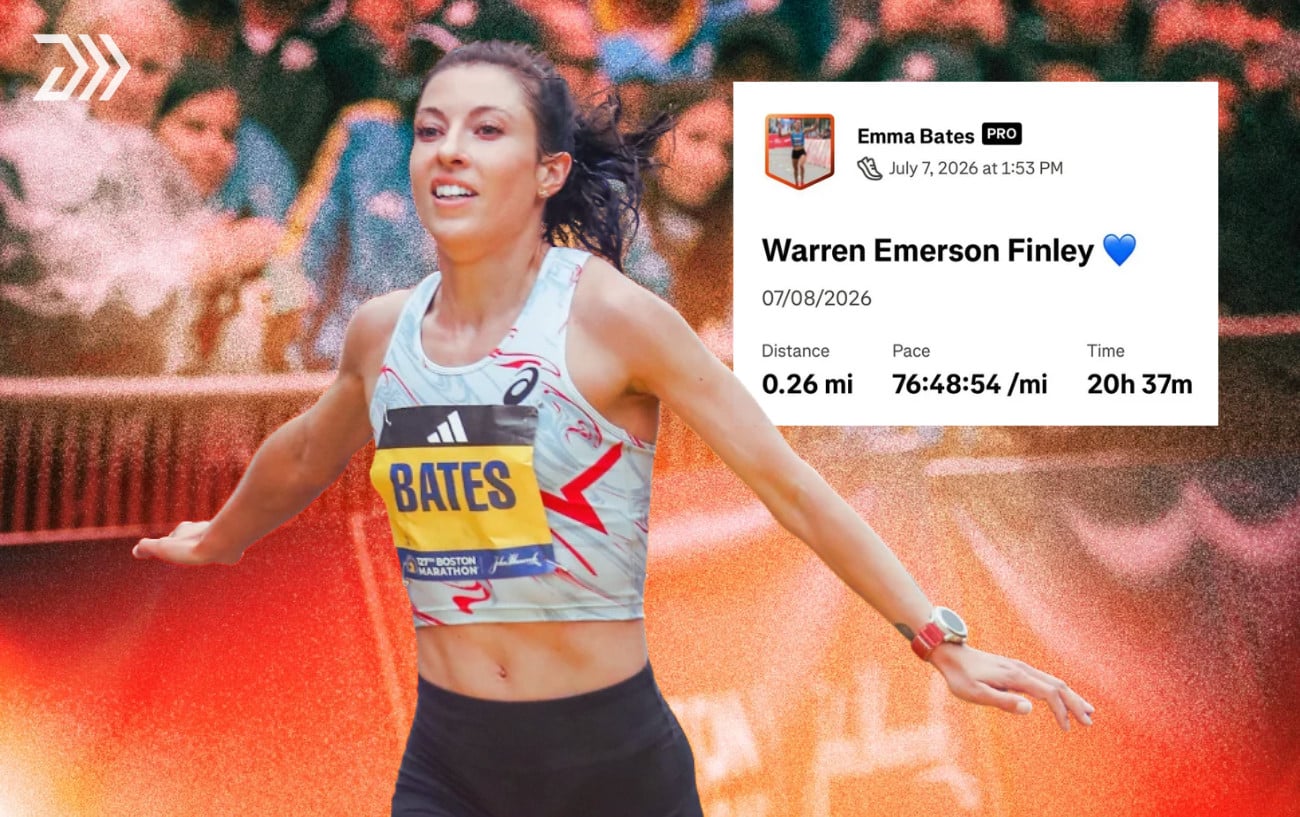
Three weeks after announcing her pregnancy, Emma Bates says she’s already lost an endorsement deal over it.
“Since my fueling company dropped me after telling them I was pregnant,” the 33-year-old posted on Instagram Tuesday, “I have been trying a bunch of new gels.”
She had announced her pregnancy on March 5.
UCAN Pushes Back
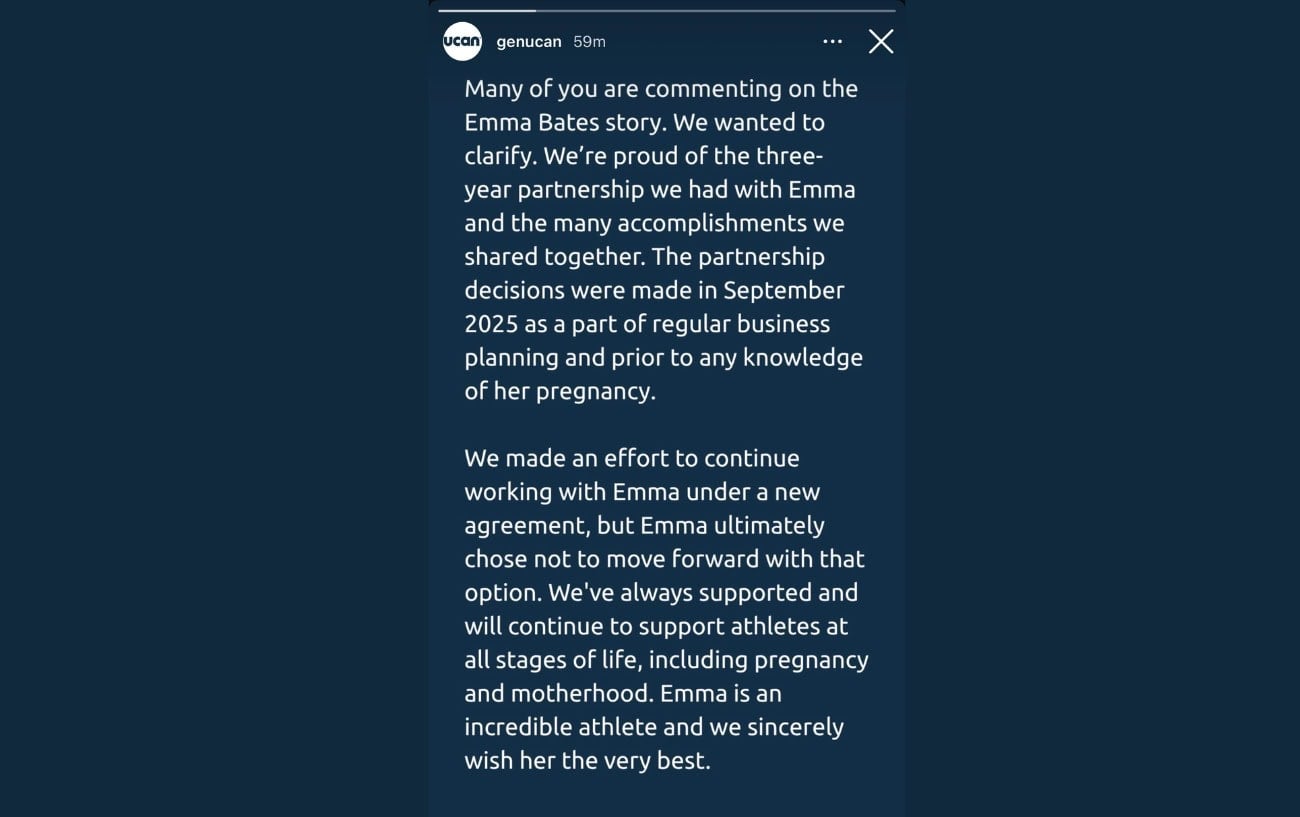
UCAN, which makes energy gels, bars, and powders popular among endurance athletes, issued a firm denial. The decision to part ways, they said, was made in September 2025 — months before she announced her pregnancy — as part of regular business planning.
“We’re proud of the three-year partnership we had with Emma and the many accomplishments we shared together,” the company said. “The partnership decisions were made in September 2025 as a part of regular business planning and prior to any knowledge of her pregnancy.”
The company also said it had tried to keep Bates on: “We made an effort to continue working with Emma under a new agreement, but Emma ultimately chose not to move forward with that option.”
Bates’ agent, Matt Sonnenfeldt of Flynn Sports Management, disputes that version of events. “We were in discussions after September,” he told Front Office Sports. “They made an offer in December and then changed it.”
That single sentence is the crux of the dispute: if negotiations were still active in December — after Bates had told the company about her pregnancy — UCAN’s September timeline becomes harder to defend.
Who Is Emma Bates?
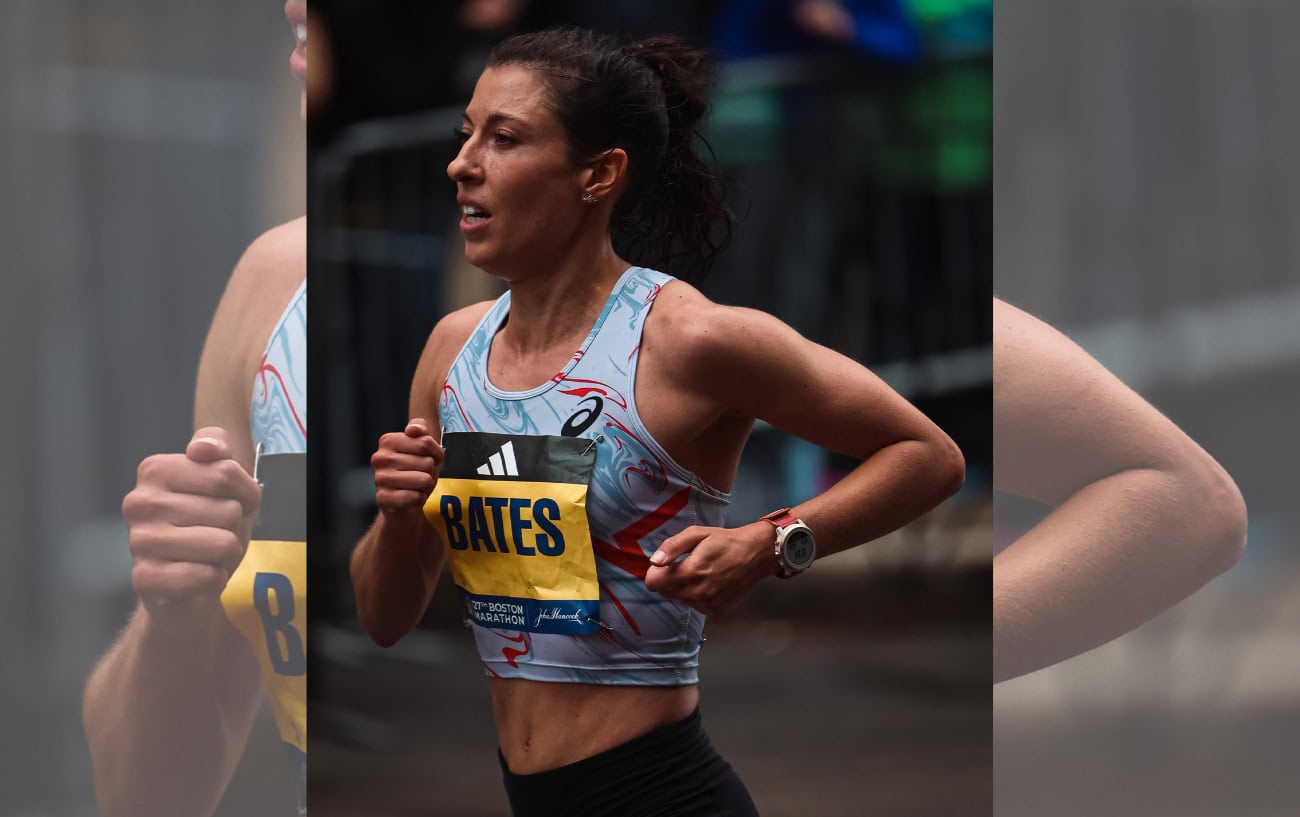
If you follow American distance running, you already know. If you don’t: she’s one of the best marathoners the country has produced in years. Her 2:23:18 personal best ranks 14th in U.S. history. She finished second at the Chicago Marathon in 2021, fifth at Boston in 2023, and eighth there last year. In December, she ran 2:25:51 in Valencia — a race she has since confirmed she ran while in the early stages of her pregnancy.
Her other major sponsor, Asics, has confirmed her contract is untouched and includes pregnancy protections. “Emma’s contract remains unchanged as ASICS honors the contracts of sponsored athletes through pregnancy and return to competition,” a spokesperson said. UCAN, notably, did not have such protections in place.
Here We Go Again
If any of this sounds familiar, that’s because it is. In 2019, Allyson Felix, Alysia Montaño, and Kara Goucher went public with accounts of Nike reducing — or attempting to renegotiate — their contracts while they were pregnant. The backlash was swift enough that Nike rewrote its policies, and other brands followed.
Montaño’s story carried a particularly grim irony: she had partly left Nike because of this issue, moved to Asics — and then watched Asics cut her contract in half after the birth of her second child.
“Getting pregnant is the kiss of death for a female athlete,” middle-distance runner Phoebe Wright said at the time. Six years on, that line still does a lot of heavy lifting.
The structural problem hasn’t changed. Professional runners are independent contractors, which means standard employment protections for pregnant workers don’t apply to them. Their income comes almost entirely from endorsements — including from fueling brands like UCAN — and contracts are routinely written to let brands reduce pay based on performance, with pregnancy falling into a legal grey zone that companies have historically been happy to exploit.
Other sports have at least started patching the gaps. The WNBA’s most recent collective bargaining agreement now requires teams to get a pregnant player’s consent before trading her — a clause that came directly out of Dearica Hamby’s lawsuit against the Las Vegas Aces, which settled in December 2025.
RunClub
Get more running stories — join RunClub
Daily running news, a community of 300,000+ runners, free training plans for every distance, and a daily running game. Free to join — no card.
Already a member? Log in →






Start the conversation