


India’s sports minister says lawmakers will be asked in their next session to make supplying banned drugs to athletes a crime punishable by up to five years in prison, a response to a doping problem in which athletics has produced more positive tests than any other Indian sport.
Mansukh Mandaviya was speaking in New Delhi on Tuesday, after he chaired two meetings of the bodies that run UNESCO’s International Convention against Doping in Sport. “We will also bring another amendment in the next session of our parliament, which aims to introduce criminal provisions to deal with violations even more effectively, including those by coaches and supply chain stakeholders,” he said, according to the government’s statement.
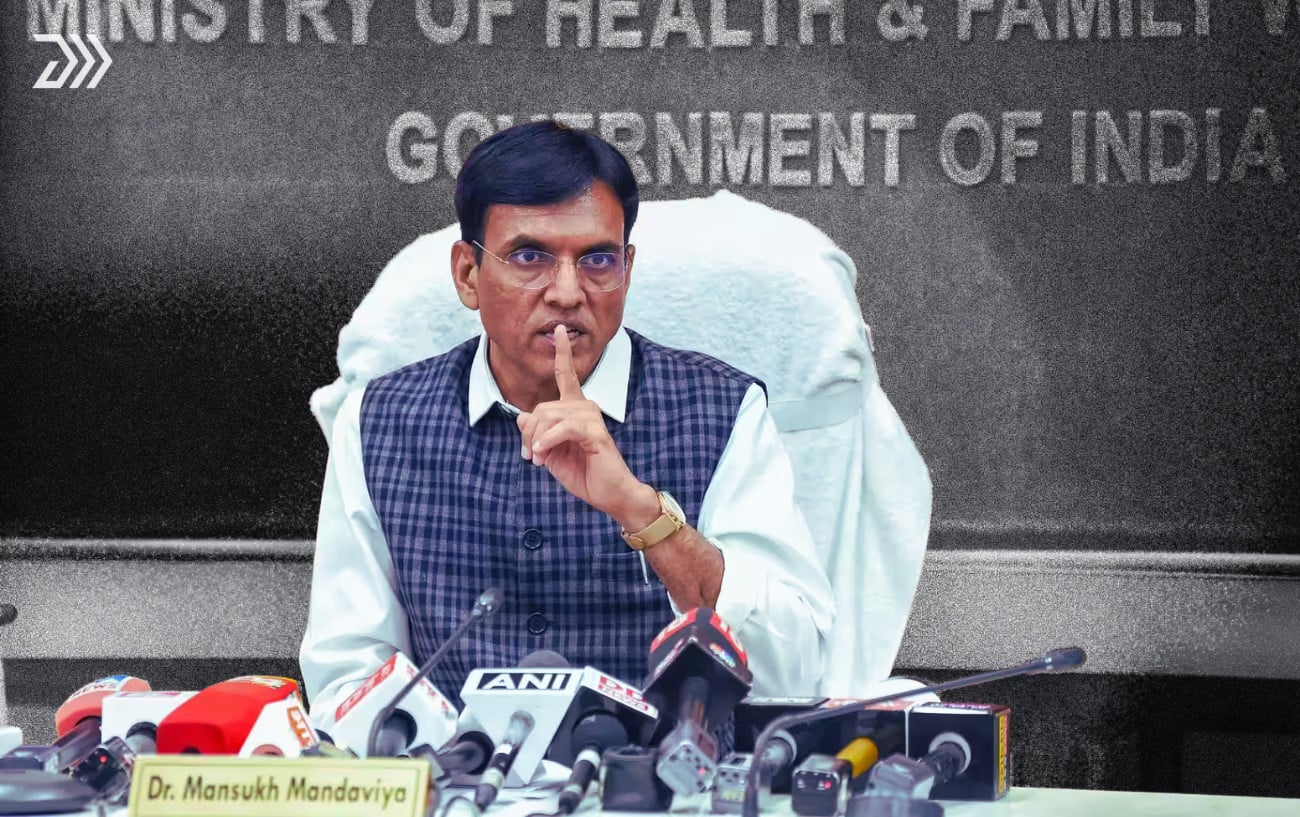
The plan has been public since May, when the ministry posted a draft for comment and Mandaviya told the Press Trust of India, “We only punish those who are consuming but suppliers need to be targetted as well.” Under the draft, anyone who gives an athlete a banned substance in connection with doping could be jailed, fined up to 200,000 rupees ($2,100), or both. PTI reported this week that doctors who prescribe prohibited medicine knowing what it is would be covered too. Athletes would not face prosecution themselves, Outlook reported. The current Indian law, in effect along with a 2025 amendment since July, has no criminal penalties for supplying athletes.
Three runners from the Pune Half Marathon on Dec. 15, 2024 were later banned by the Athletics Integrity Unit, including the winner, Pradhan Kirulkar, who ran 1:04:22 and tested positive for meldonium. Vivek More got five years after his sample showed meldonium, mephentermine and a form of EPO, and Archana Jadhav, fourth among Indian women at the Delhi Half Marathon two months earlier, got four years for the steroid oxandrolone. In 2023, so many athletes left the Delhi State championships when national testers arrived that only one man started the senior 100m final.
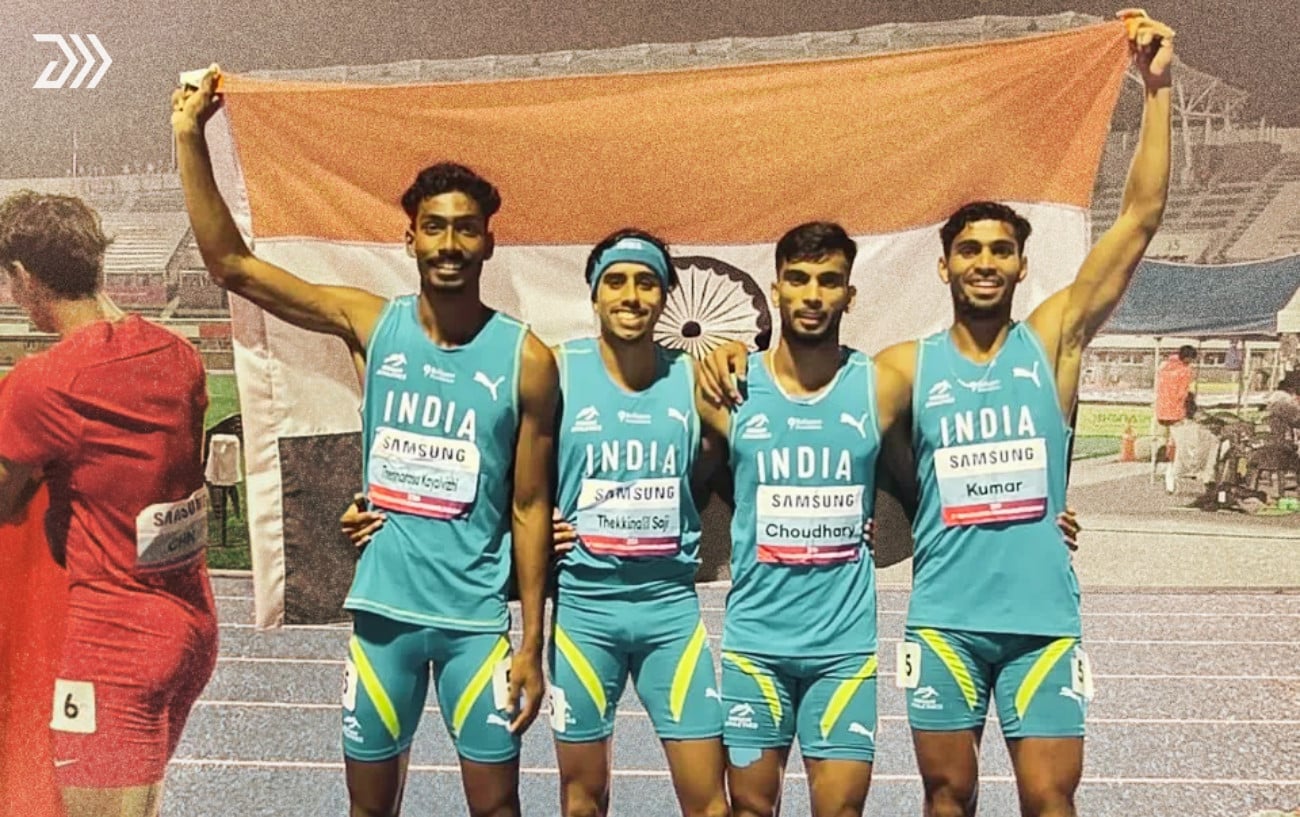
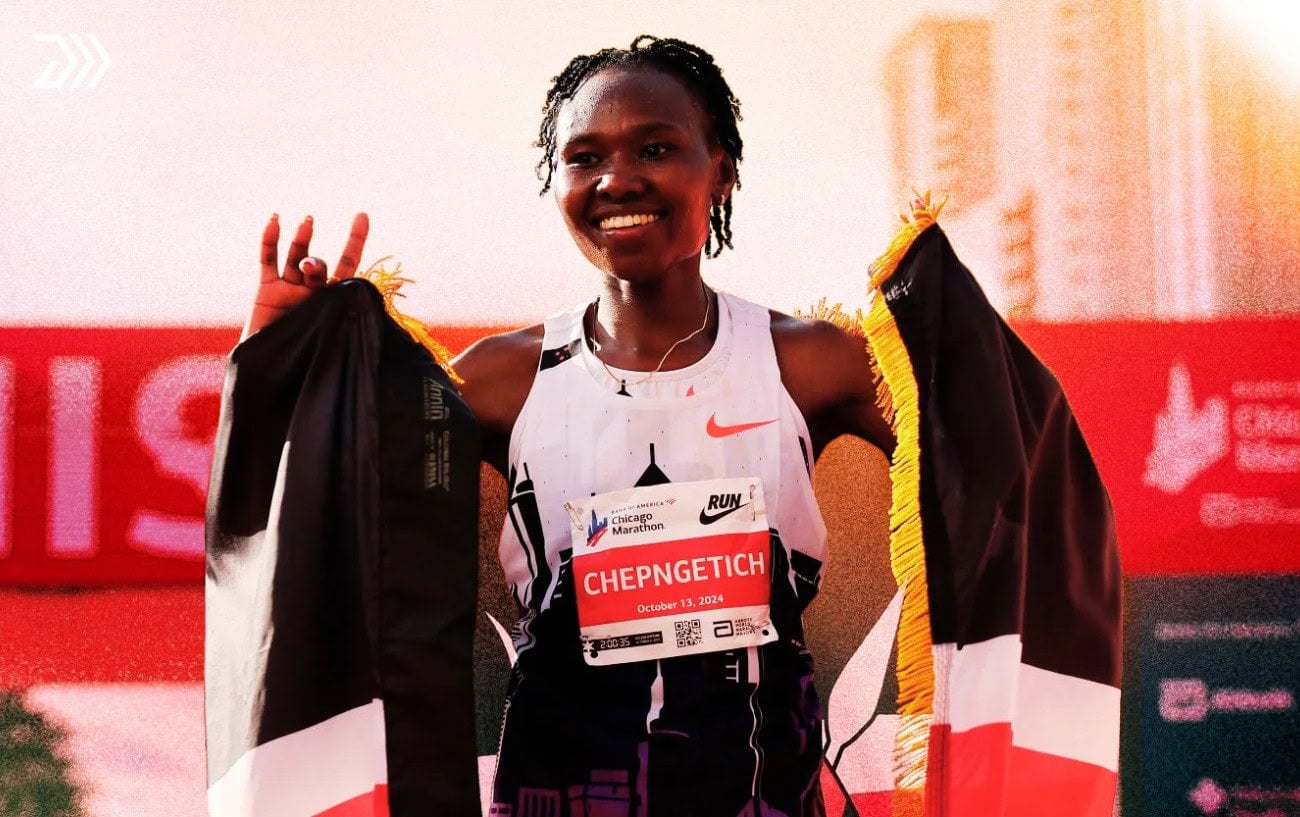
By April 1, Outlook counted 148 Indian athletes on the AIU’s list of suspended and banned athletes, two more than Kenya, where bans over the past 13 months have included Ruth Chepng’etich, Albert Korir and Kibiwott Kandie. Later in April the AIU moved the Athletics Federation of India into Category A, its highest risk tier, alongside Kenya, Ethiopia, Nigeria, Ukraine, Russia and Belarus. “The quality of the domestic anti-doping programme is simply not proportionate to the doping risk,” AIU chair David Howman said, according to Al Jazeera. WADA’s 2024 testing figures showed 260 positive findings from 7,113 Indian samples, and athletics had more of them than any other sport, 76 from 1,862 samples, The Bridge reported. The Sports Authority of India has argued that the totals reflect how much more testing the country now does.
Kenya already has jail terms in its anti-doping law, and one of its recent convictions involved an Indian national. In September 2025, a magistrate at the court serving Nairobi’s main airport sentenced 19-year-old Aman Malik to a total of three years in prison after he pleaded guilty to four doping charges. Police and Kenya’s anti-doping agency had picked him up in Iten in May of that year, holding human growth hormone, meldonium and mannitol, as well as drip bags and syringes that had not been used, Citizen Digital reported. He is to be sent back to India once his sentence is served.
The proposal also arrives as India pursues the 2036 Olympics for Ahmedabad, and Reuters framed the new law as a possible boost to that bid. Mandaviya said the National Anti-Doping Agency ran more than 7,000 tests in 2025-26 and that its Know Your Medicine app, which lets athletes check whether a medicine is permitted, has been searched more than half a million times. Parliament’s Winter Session, where the bill is due, should open in late November.
RunClub
Get more running stories — join RunClub
Daily running news, a community of 300,000+ runners, free training plans for every distance, and a daily running game. Free to join — no card.
Already a member? Log in →







Start the conversation