Jo Lodder set off from the Great Wall of China in October with a simple plan: run about 60 kilometers a day, keep going for two months, and see if his body (and his resolve) would hold.
Sixty days later, he arrived in Hong Kong having covered roughly 3,140 kilometers, or 1,950 miles, on foot. Lodder, 55, believes he is one of the first people to complete the route, and the first to do so starting from the Great Wall itself.
Along the way, he raised £160,000 for the Action Asia Foundation, a charity that supports people with disabilities through rehabilitation, job training, and mentorship programs. The total is expected to grow, with a longer-term target of about £600,000.
A daily grind across China
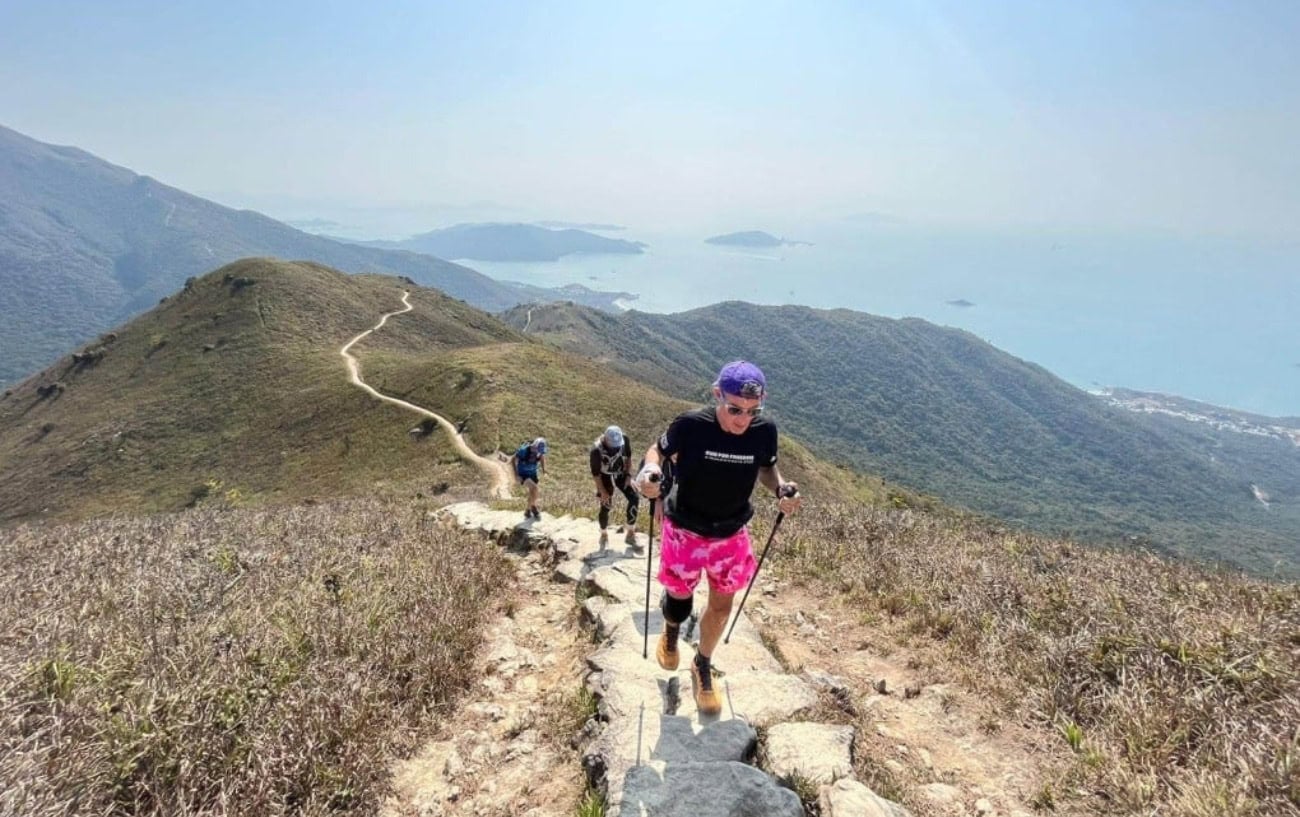
The run began just outside Beijing and crossed nine provinces and municipalities before finishing in Hong Kong in mid-December. Lodder ran alongside fellow endurance runner John Fan and was joined at different stages by nine students and a small support crew.
Each day followed a similar rhythm: eight to 12 hours on the road, often on highways and busy urban stretches, followed by food wherever it was available and sleep in hotels or hostels. Some sections were monotonous and exposed, while others took him through mountainous and rural areas.
“The next 500 kilometers after Beijing were just straight lines on horrible roads, with heavy lorries,” Lodder said after the run. “Then we got into Mount Tai, which was completely different. Very spiritual.”
Local runners frequently joined in, sometimes unexpectedly as they’d come out of their hotels.
Running with a purpose
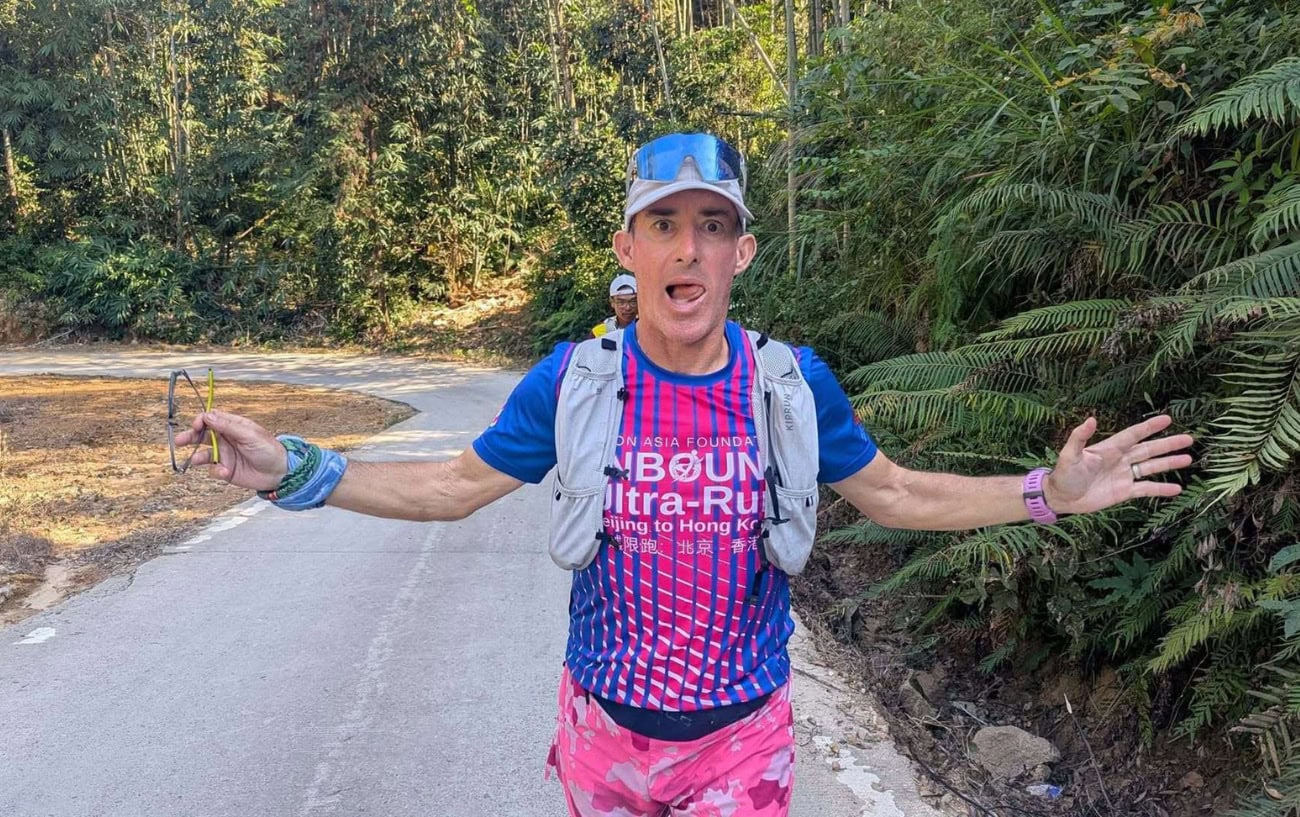
From the start, Lodder said the challenge was designed to be symbolic as well as physical. Each runner carried two pairs of shoes: one clean and untouched, the other worn daily on the road.
“We carried clean shoes with us, on our backs, all the way,” Lodder told BBC Hereford & Worcester. “That represented people in wheelchairs.”
The second pair, he said, reflected the daily grind.
“Our dirty shoes were for the grime, the grit, and the determination we were going through to represent them,” he said. “When it got hard, and 60 kilometers a day is tough, we’d look at the shoes and remember why we were doing it.”
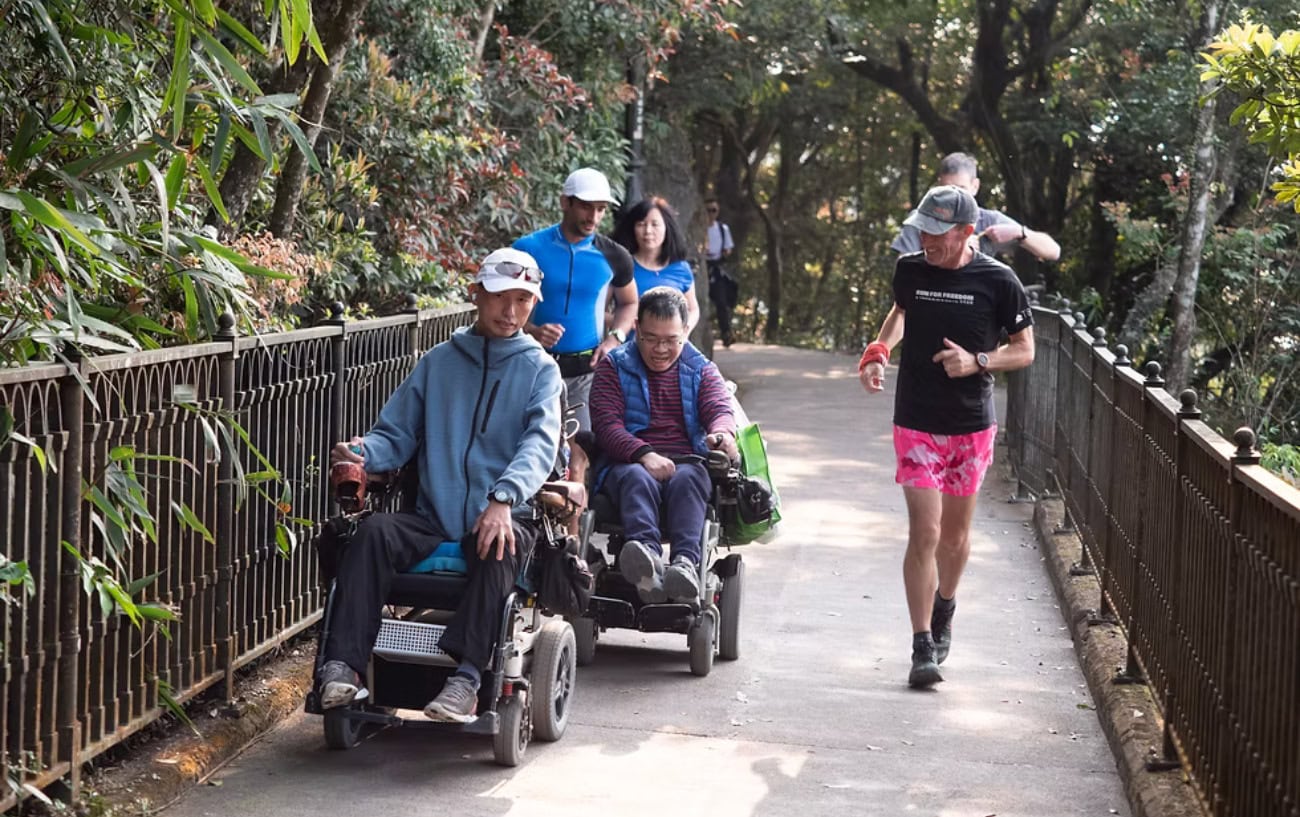
The funds raised will go toward disability programs in Hong Kong and across Asia, including outdoor access initiatives and mentorship led by Paralympians.
An injury on day two
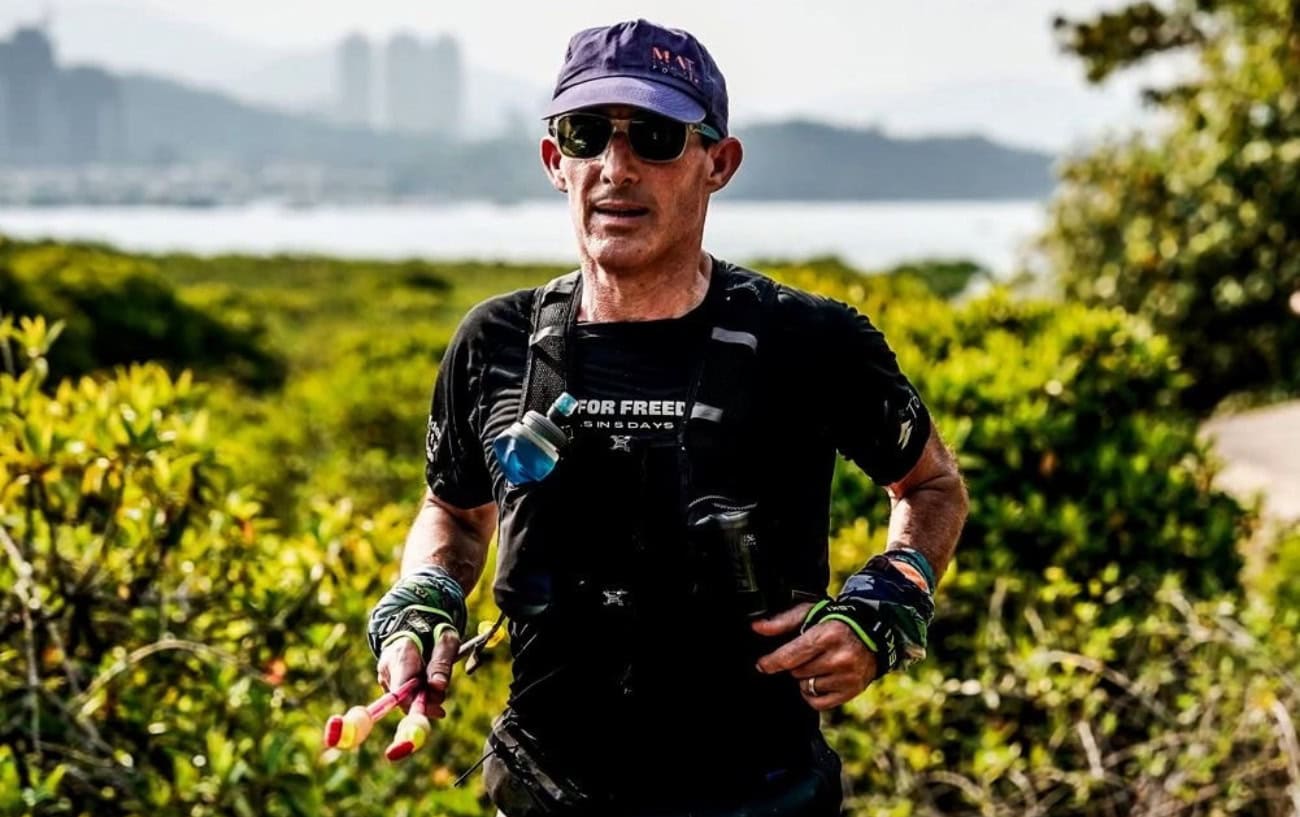
Despite years of ultra-distance experience, the run nearly ended almost as soon as it began. Lodder injured his leg on the second day, developing swelling that worsened over the first week.
“Very early on it was really tough,” he said. “I was doing 60 kilometers like a normal training day, and suddenly I was injured. I don’t know why.”
Doctors advised him to stop running, but with help from a sports massage therapist, he continued, icing the leg and managing the pain. The swelling lasted for weeks before gradually subsiding.
“While I was in pain, I had to deal with that and my mind focused on what I was doing. When I had no pain, that’s when my mind went all over the shop,” he said.
He recalled watching buses pass and thinking, briefly, about getting on one.
From the saddle to the road
Lodder’s story does not begin with running. In his 20s and 30s, he rode professionally as a jump jockey in the UK before breaking his back in a fall, an injury that ended his racing career.
He says he was lucky, a millimeter the other way and it could have been very different.
After leaving racing, he struggled for years, including a period of heavy drinking and weight gain. He later moved to Hong Kong, where he works as an entrepreneur, and began running seriously in his late 40s.
By 2023, he had completed Hong Kong’s demanding “Five Trails” challenge in five days. In 2024, he was part of a winning team at the 100-kilometer Oxfam Trailwalker. Still, the China crossing was unlike anything he had attempted.
The finish, and what comes next
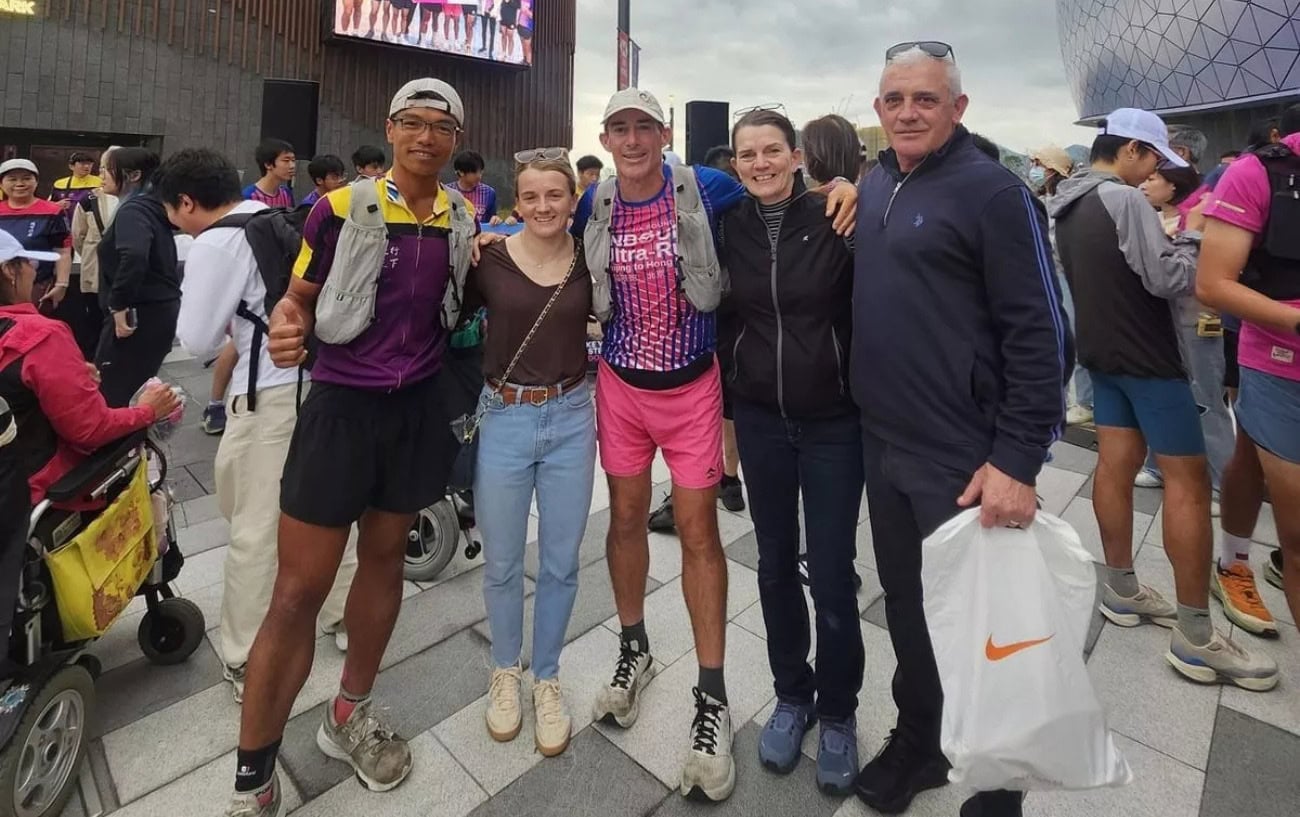
Lodder completed the run on December 15, finishing in Hong Kong to a small crowd of friends, supporters, and members of the horse racing community, including jockey Hollie Doyle, a longtime family connection.
Physically, he said, the toll was severe. Mentally, it took longer to process.
“My brain was totally fried at the end of it,” he said. “I’m 55 now. You don’t see many 55-year-olds doing this.”
Fundraising for the Action Asia Foundation will continue into 2026. As for another challenge, Lodder said he has ideas including a possible run around the edge of Wales but no immediate plans.