


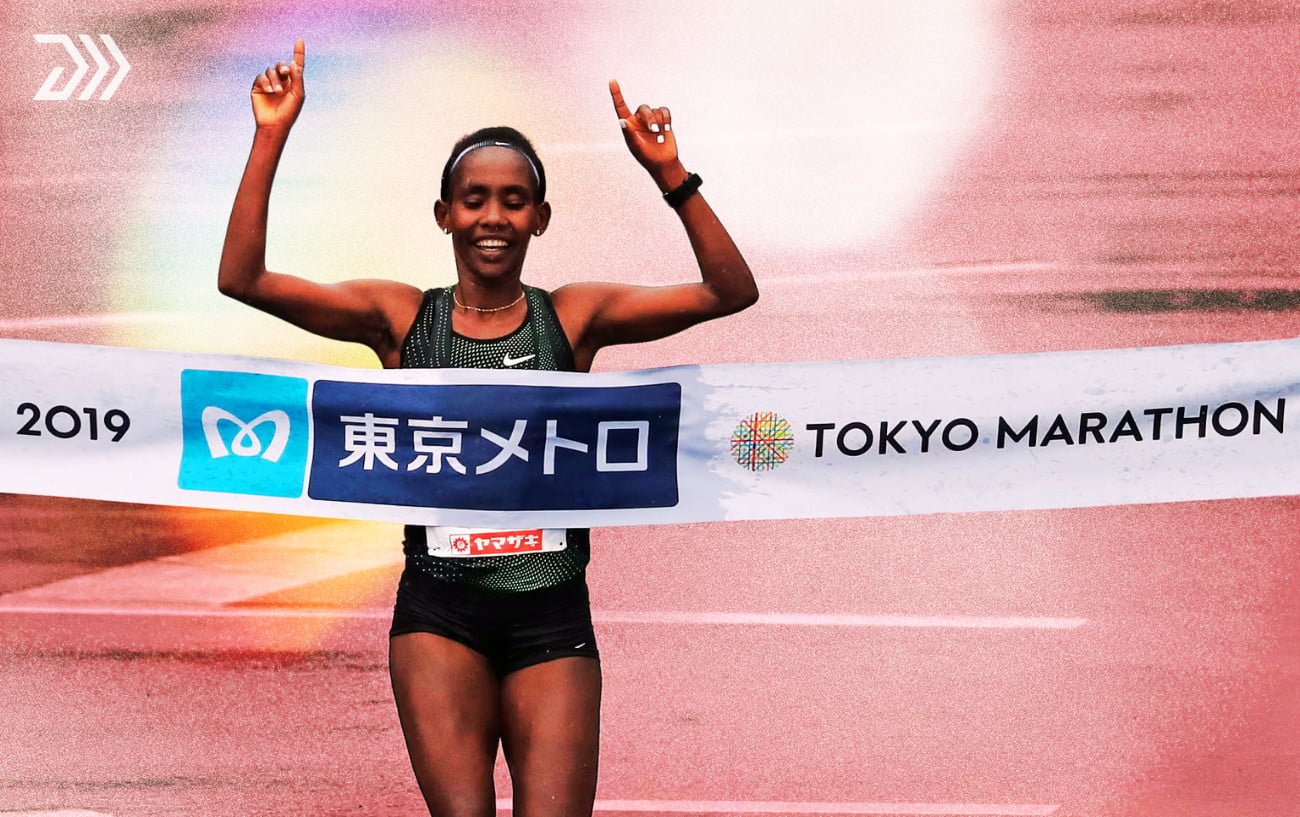
The Athletics Integrity Unit has charged Ruti Aga, the Ethiopian who won the Tokyo Marathon in 2019 and the Xiamen Marathon in January, with the presence and use of methylprednisolone and with tampering. She is provisionally suspended, which keeps her out of competition while the case runs.
The AIU dates the provisional suspension to Sept. 10 on its list of suspensions in force, under Articles 2.1, 2.2 and 2.5 of the World Athletics anti-doping rules. The listing was picked up by the athletics press on Thursday. A notice of charge opens the disciplinary process rather than closing it. No ban has been imposed, Aga is entitled to contest the charge, and neither she nor anyone representing her has commented publicly.
Methylprednisolone is a glucocorticoid, one of the anti-inflammatory steroids prescribed for everything from joint pain to allergic reactions, and it is prohibited only in competition. Taken by mouth, rectally or by injection into a muscle or a vein, it was already banned in competition before 2022. What changed on Jan. 1 of that year was the rest of the injectable routes, including injections into a joint or the epidural space, which WADA added to the list. Inhalers, nasal sprays, eye drops and skin creams remain legal, and an athlete given an intramuscular injection of methylprednisolone within five days of racing is told to apply for a therapeutic use exemption first.
Article 2.5 covers tampering, or attempted tampering, with any part of the doping control process. The AIU has not said publicly what Aga is alleged to have done, and none of the cases that gave the charge its reputation in road running is connected to hers.
Diana Kipyokei was banned for six years after the unit established that she had submitted false hospital documentation to explain a positive test for triamcinolone acetonide, another glucocorticoid, and she lost the 2021 Boston Marathon title along with every result she recorded from Oct. 11 of that year. Betty Wilson Lempus got five years in a similar case, the doctor named on her medical paperwork turning out not to work at the hospital she had cited.
A tampering finding can add four years to whatever the underlying charge already carries, which is how Kibiwott Kandie ended up facing a possible eight.
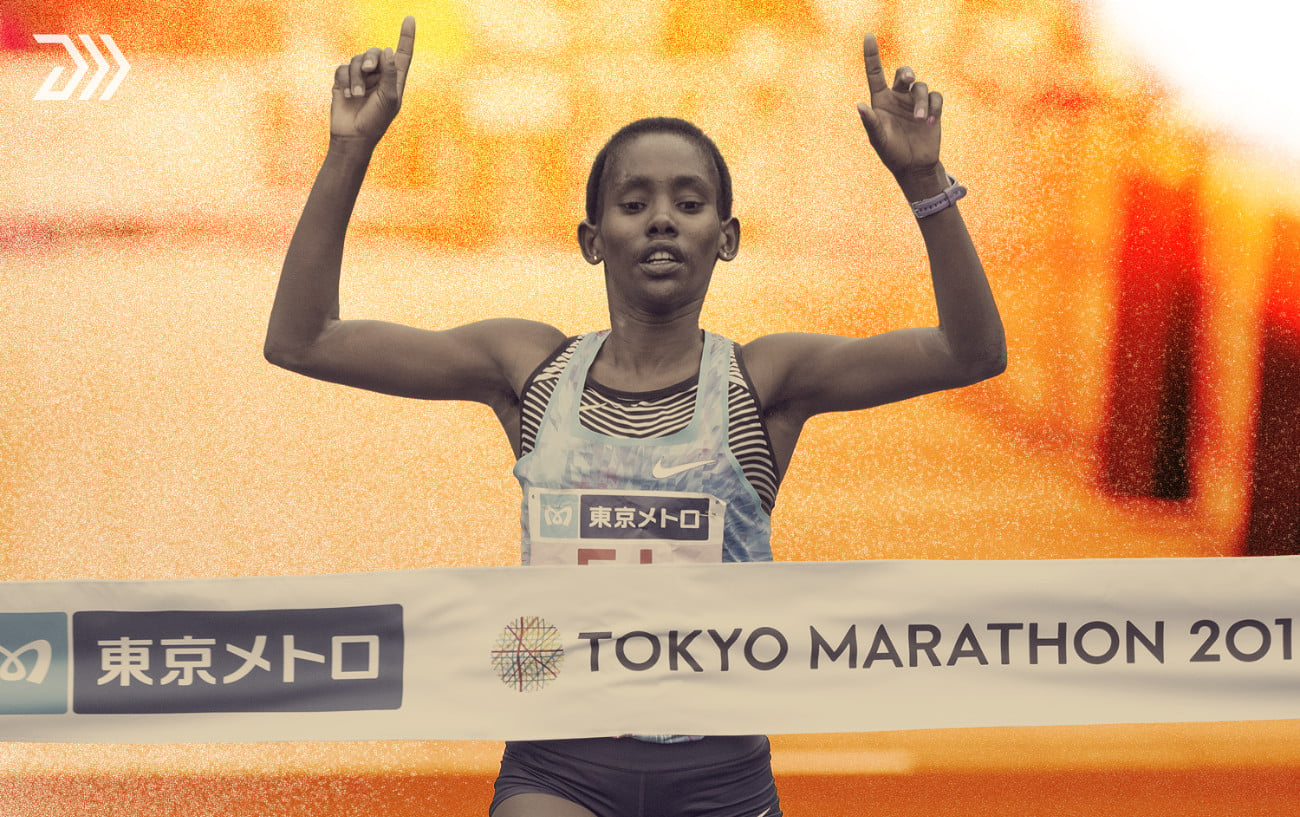
Aga won in Xiamen on Jan. 11 in 2:22:45, two and a half minutes clear of Meseret Abebayehu. “Last year I brought my personal pacer here, so I was pushing from the beginning,” she told World Athletics afterward. “This year, I was running with the official pacers and some of male athletes. I was just concentrating on winning.” Her 2:18:46 at the same race a year earlier is still the course record, and she won in Hangzhou that November.
Tokyo, in March 2019, was the first marathon win of her career, and she got it in the wet, 21 seconds up on Helen Tola in 2:20:40. She had been second in Berlin the previous September in 2:18:34, and second in Tokyo itself in 2018. The 2:18:09 she ran at Dongying in October 2023 stands as her personal best, and she matched it in Dubai the following January, where only Tigist Ketema’s 2:16:07 marathon debut beat her.
Which of those results would be at risk if the charge is upheld depends on the date of the sample, and neither that date nor the race it came from has been made public. As of Sept. 17, Aga was one of 11 athletes serving provisional suspensions on the AIU’s list and one of two Ethiopians on it. The unit’s full ineligibility list held 481 names at the end of 2024.
RunClub
Get more running stories — join RunClub
Daily running news, a community of 300,000+ runners, free training plans for every distance, and a daily running game. Free to join — no card.
Already a member? Log in →










Start the conversation