Sunita “Suni” Williams has already done something no runner on Earth can claim: she ran the Boston Marathon at 17,500 miles per hour, orbiting the planet at an altitude of 250 miles. On April 21, 2026, the Needham, Massachusetts native will do it again — this time with her feet on the ground.
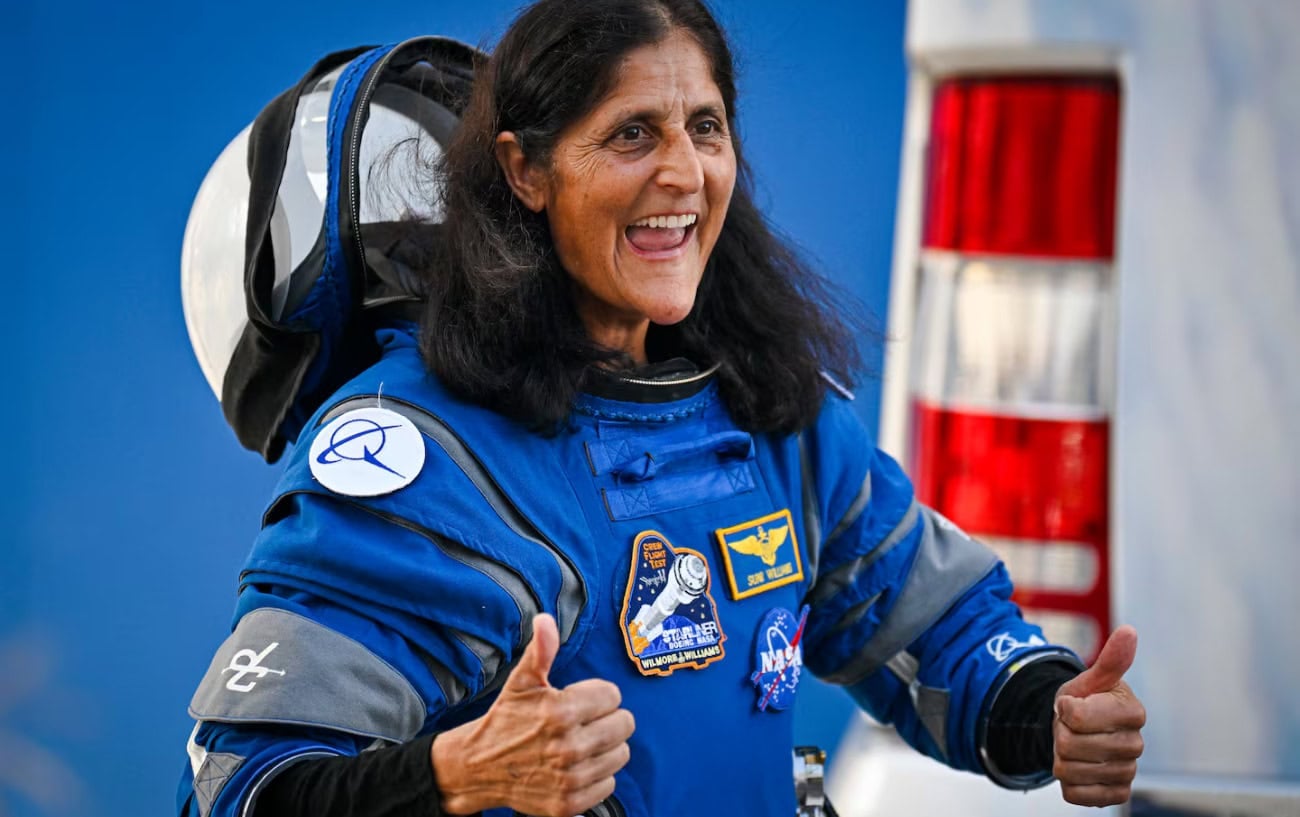
The Boston Athletic Association announced in February that Williams, a Navy veteran and NASA astronaut, is the 2026 recipient of the Patriots’ Award, an annual honor given to a New England-based individual or organization that embodies patriotism, philanthropy, and sportsmanship. She will also run the race as an official participant.
“Suni’s career as a Navy Officer and astronaut has made a lasting impact on space exploration and inspiring future generations in science,” the BAA said in its announcement. The organization cited her “spirit of perseverance, service, and curiosity” as the reason for the selection.
A Marathon Like No Other
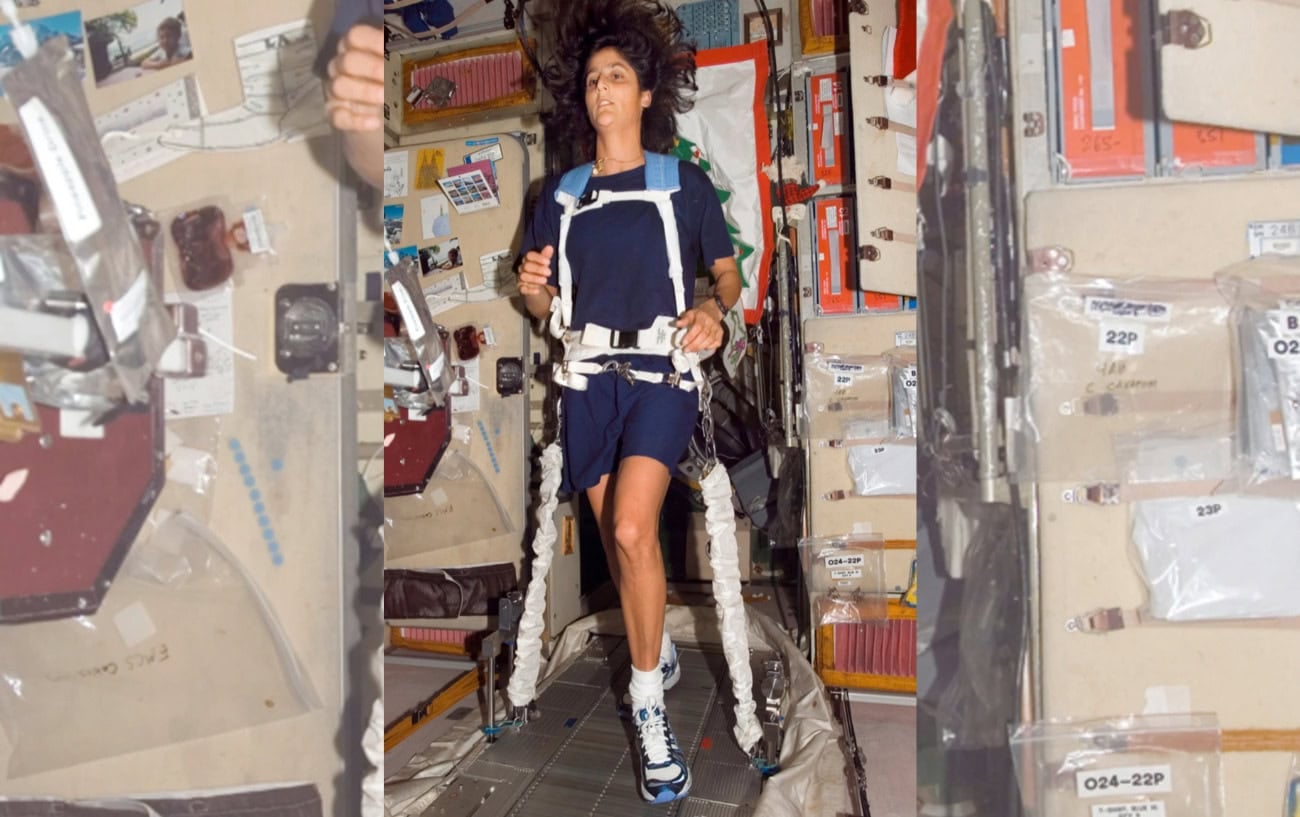
Back in 2007, Williams — then stationed aboard the International Space Station — ran the Boston Marathon on a treadmill while tethered to the station’s walls to simulate gravity. She crossed the finish line in 4 hours, 23 minutes, and 46 seconds, becoming the first person ever to run a marathon in space. The course, needless to say, was 250 miles above it.
If you’re wondering how that time stacks up, the average Boston Marathon finish time sits around 4 hours 30 minutes — meaning Williams ran a perfectly respectable race, even while floating above the atmosphere.
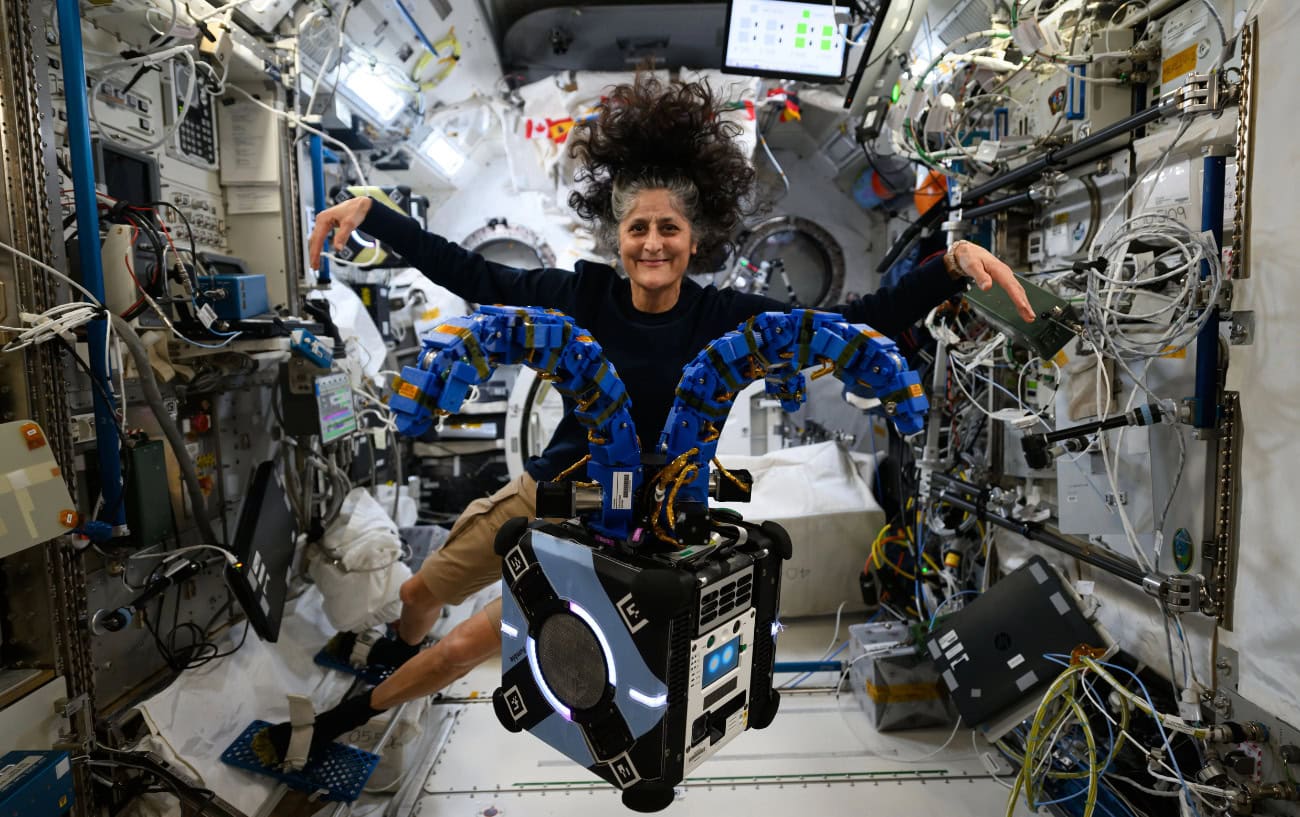
She didn’t stop there. In 2024, while on a second stay at the ISS, Williams completed the Falmouth Road Race — also in space, also on a treadmill. Her feat is a reminder that marathon training on a treadmill can get you surprisingly far — even when “far” means orbit.
Nine Months She Didn’t Plan For
Williams’ most recent mission nearly became something far heavier than a running story. In July 2024, she and fellow astronaut Butch Wilmore flew to the ISS for what was supposed to be a trip lasting just over a week. Technical issues grounded their return repeatedly, and the pair ended up staying 286 days — nearly nine months — before finally coming home in March 2025.
Williams later said that while she and Wilmore weren’t entirely surprised the trip ran long, the extended stay was “a bit of a shock.” In January 2025, speaking to students at Needham High School, she admitted she was “trying to remember what it’s like to walk.”
Six months after returning to Earth, she told WBZ-TV that she felt “great, running a little slow but still feel perfect.” Anyone who’s taken extended time away from the sport will recognize that feeling — coming back to running after a long time off is its own kind of challenge, no matter the reason. For structured guidance, these seven key steps for returning to running apply just as well to astronauts as they do to injured weekend warriors.
A Homecoming Race
For Williams, running Boston carries obvious personal weight. She grew up in Needham, just miles from the finish line on Boylston Street. The Patriots’ Award, presented annually since 1897 alongside the race on one of the most iconic race days in American running, has previously gone to figures including Joan Benoit Samuelson, David Ortiz, Rick and Dick Hoyt, and Rob Gronkowski.
The 2026 Boston Marathon takes place April 21, 2026. For tens of thousands of runners who have spent months logging miles through cold mornings and long weekend runs, Williams’ story offers a straightforward reminder: the marathon has a way of finding you wherever you are.
Even in orbit.