


Every December, runners face the same low-stakes but oddly loaded question: Do you run on Christmas, or do you let it go?
Some people treat it like any other day. Shoes on, out the door, back in time for coffee. Others can’t imagine prioritizing a run on a day that’s supposed to be about rest, family, and slowing down. Both camps feel pretty confident they’re right.
What makes the question interesting is that it’s not really about training. It’s about how running fits into your life when the rules change. Christmas has a way of stripping things back and revealing what running actually is to you, stress relief, routine, obligation, joy, or all of the above.
That’s why there’s a real case to be made on both sides.
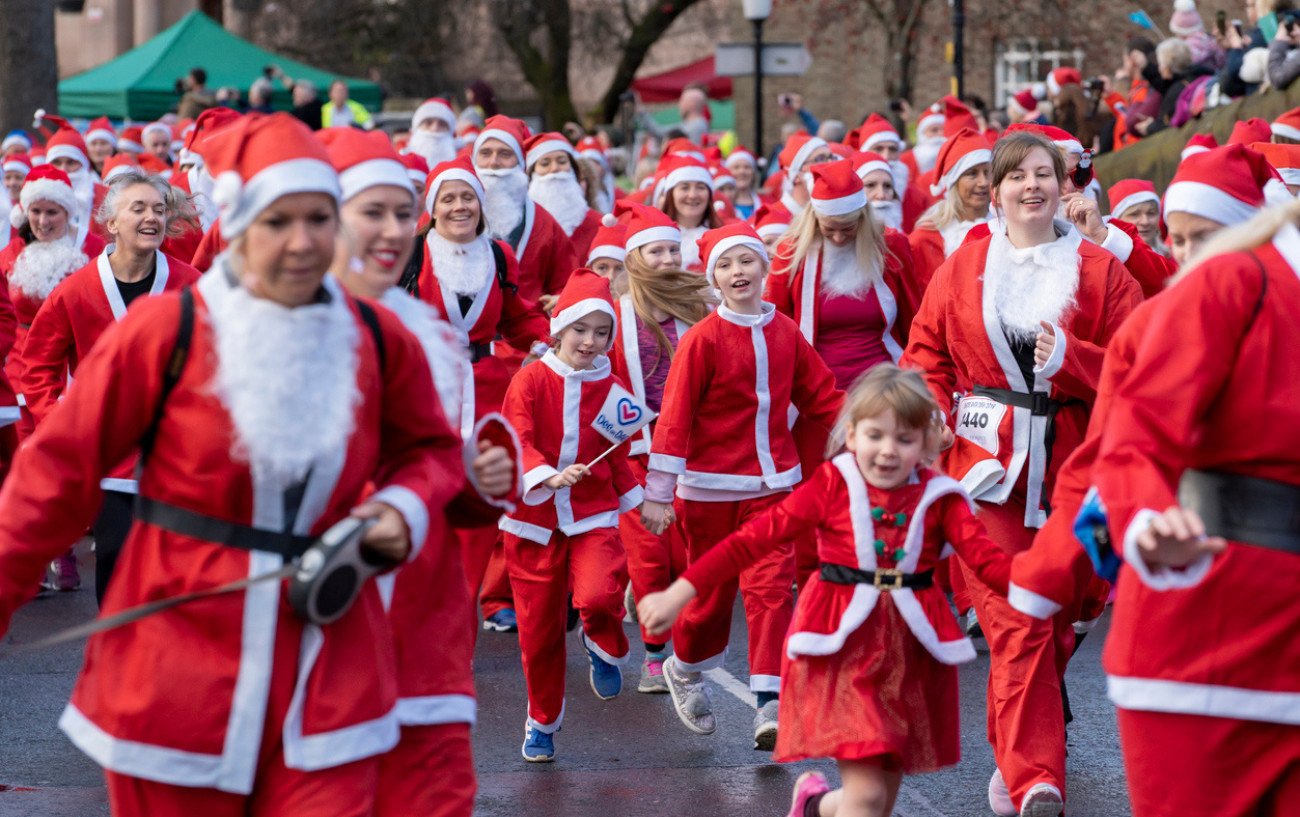
The Case for Running on Christmas
It brings calm to a day that can feel loud
Christmas tends to fill itself up. Even the good versions of it come with noise, conversation, and expectations. A run, especially early in the day, can be one of the only quiet windows you get.
For runners in cities, Christmas morning is often eerily peaceful. Streets are empty, trails are still, and you notice your surroundings in a way you don’t the rest of the year. It’s not dramatic, it’s just calm, and that calm can carry into the rest of the day.
Running in that space doesn’t feel like escaping Christmas. It feels like preparing for it.
It preserves routine when everything else is upside down
The holidays are brutal on routine. Sleep is off, meals are irregular, and training plans get bent out of shape. For runners who rely on structure, that disruption can be more stressful than the running itself.
A short, easy run can act as an anchor. Not a workout, not a performance, just something familiar in a day that otherwise doesn’t look like a normal day at all.
That sense of continuity can be surprisingly grounding, especially for people who use running as a way to stay balanced.
It can support mental health in a very real way
Christmas isn’t automatically joyful. For plenty of people, it’s complicated. There’s grief, loneliness, family tension, or just the exhaustion of having to be “on” all day.
Running offers a break from that intensity. There’s something clarifying about physical effort when emotions are messy, focusing on breathing, moving forward, and letting your thoughts settle on their own.
For some runners, that run isn’t optional self-care. It’s how they get through the day.
It doesn’t have to look like “training”
Running on Christmas doesn’t mean squeezing in mileage for the sake of it. The best Christmas runs are often the least structured ones.
No watch, no pace goals, no post-run breakdown. Just an easy jog around the neighborhood or through a quiet park. Something that feels closer to movement than exercise.
When you strip away performance, the run stops being a metric and starts being a moment.
Early-season races don’t care that it’s Christmas
If you’re training for an early January race, think Houston, Dubai, or even an indoor track season, Christmas often lands right in the middle of a key training block. At that point, the calendar doesn’t offer much flexibility.
That doesn’t mean Christmas needs to be a hard workout day, but for some runners, skipping it creates more stress than running it. When long runs and tune-ups are already carefully placed, maintaining momentum can feel simpler than reshuffling an entire week.
In that context, running on Christmas isn’t about being hardcore. It’s about respecting the reality of the race you’ve already committed to, while still keeping the effort easy and appropriate for the day.

The Case Against Running on Christmas
One missed run genuinely does not matter
From a training standpoint, skipping Christmas is inconsequential. One day off won’t affect your fitness, your race goals, or your long-term progress.
If anything, many runners would benefit more from a full rest day than from forcing an easy run out of habit. Especially during a week where the body is already dealing with disrupted sleep and routine.
If you’re worried about “losing fitness,” this is the wrong day to be concerned about it.
Rest can be more valuable than movement
Christmas often brings late nights, travel, rich food, alcohol, and long days on your feet. Even if your plan says “easy,” your body might be handling more than usual.
True recovery sometimes means not doing anything at all. No run, no shakeout, no justification. Just rest.
That kind of rest is part of training too, even if it doesn’t show up on Strava.
Time with people is part of the equation
Christmas is one of the few days where time feels genuinely limited. If you only see certain friends or family members once a year, stepping away for a run can feel costly.
Even when everyone is supportive, it can create quiet tension or guilt, especially when schedules are tight and expectations are high.
In those moments, choosing presence over pounding the pavement can be the more meaningful decision.
Guilt is a bad reason to lace up
If the main reason you’re running on Christmas is fear, fear of breaking a streak, fear of losing momentum, fear of feeling lazy, that’s worth paying attention to.
Running out of obligation has a way of draining the joy out of something that’s supposed to add to your life. Christmas tends to expose that tension more clearly than most days.
Sometimes the healthiest choice is not to push through, but to step back.

So, should you run on Christmas?
There’s no universal right answer, and that’s kind of the point.
If running makes the day calmer, quieter, or more enjoyable, go for it. If it adds pressure, stress, or resentment, don’t. Neither choice says anything meaningful about your discipline or dedication as a runner.
The question isn’t really whether you can run on Christmas. It’s whether you want to, and why.
So, do you run on Christmas?












1 Comment
Should you run on Christmas? If it’s a running day for me, I run, much harder when my kids were young (just gotta wake up that much earlier). This year Christmas is on a Thursday, one of my 2 off days so I luck out.