


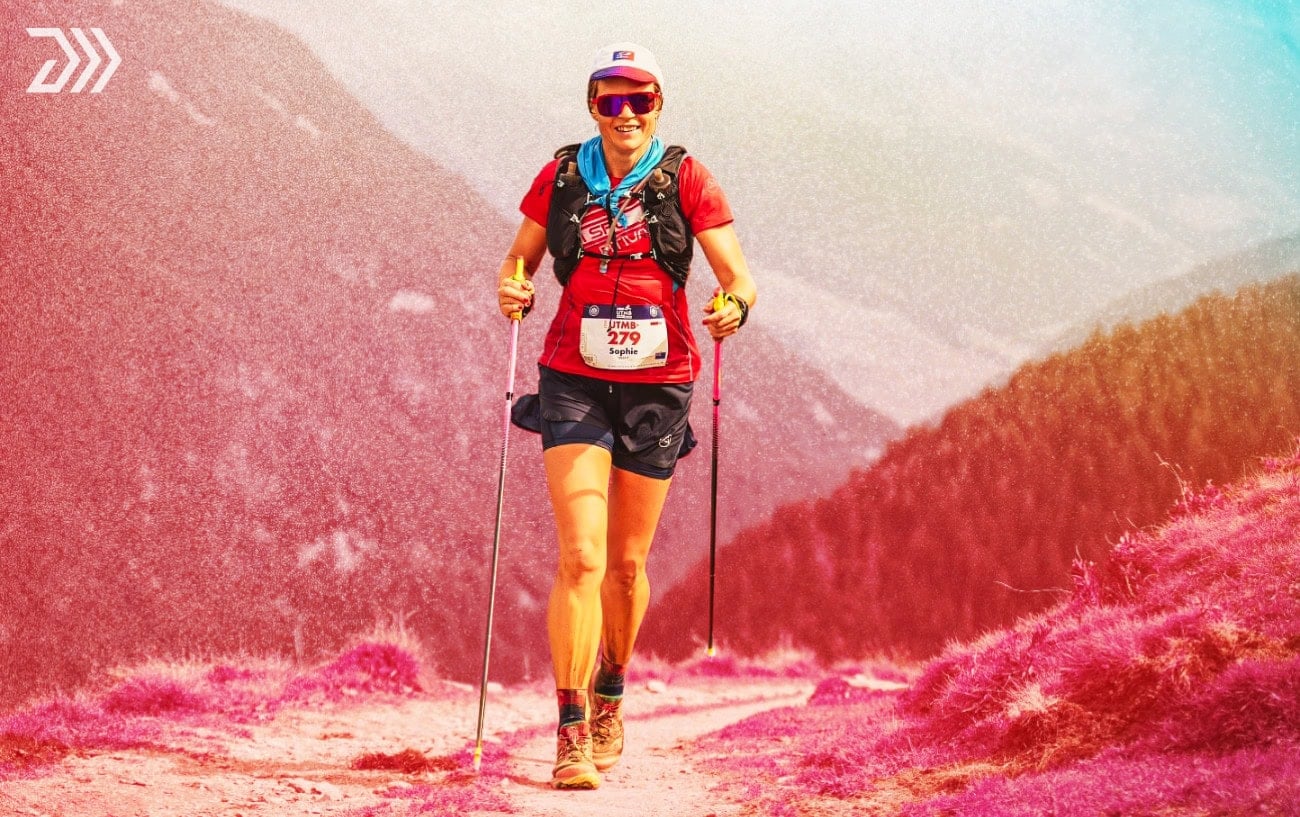
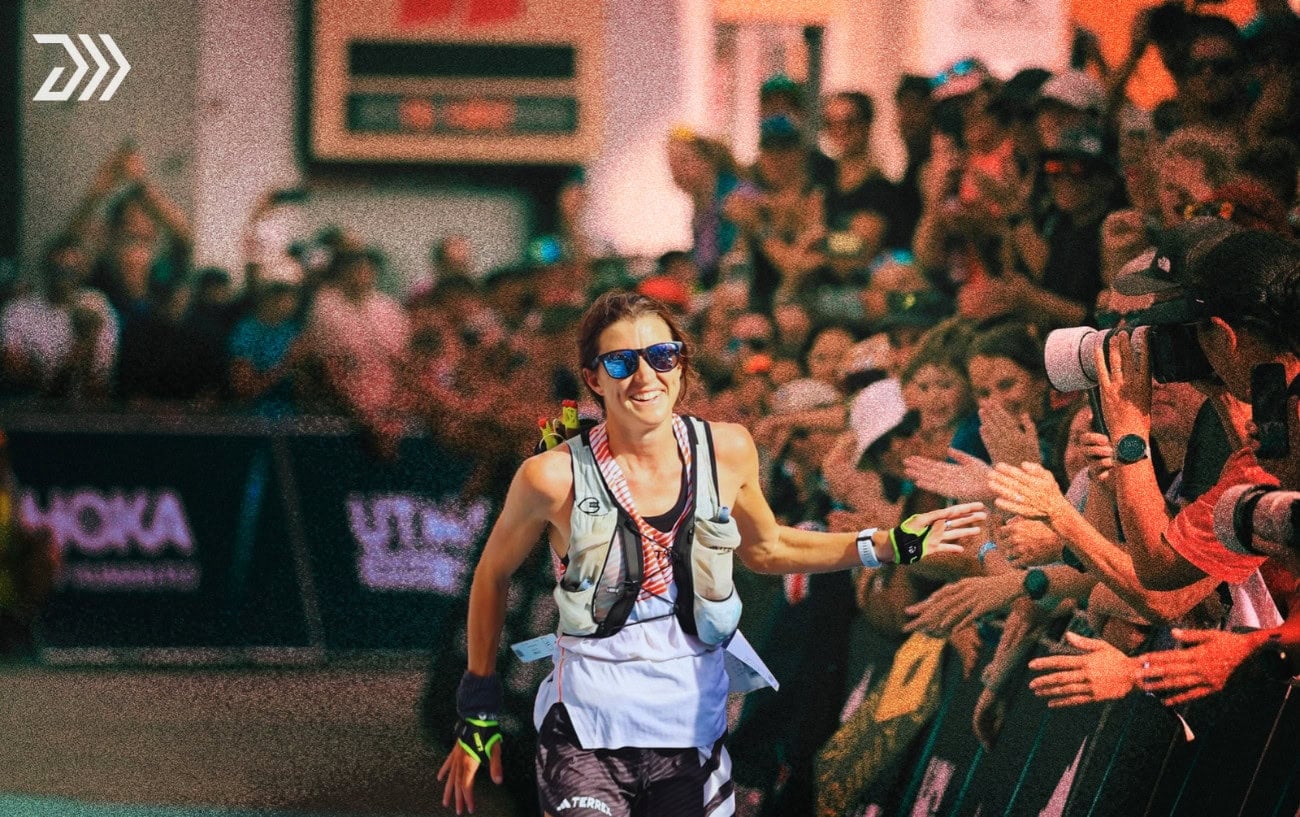
Sophie Woods has run the full length of the Alps faster than anyone in history. The 42-year-old New Zealander reached the Mediterranean coast in Monaco on Saturday night, closing out 2,000km (about 1,240 miles) across eight countries in 29 days to set the fastest known time for the Via Alpina, one of the world’s hardest endurance routes. When we caught up with her three weeks in, the record was in reach but the finish was still a long way off. “I can’t believe I did it,” she wrote on Instagram. “I am ecstatic but knackered,” she told BBC Sport. “I’m really tired.”
What She Did
The Via Alpina runs the entire spine of the Alps, and Woods started it on July 4 in Italy before threading through Slovenia, Austria, Germany, Liechtenstein, Switzerland and France on her way to Monaco. The route carries elevation equivalent to climbing Mount Everest 12 times over. She covered it running 15 to 18 hours a day, and pushed so hard at the end that her final days ran on as little as one and a half hours of sleep. “That tipped me over the edge a little bit,” she told BBC Sport.
Her 29 days took roughly six days off the previous fastest known time, the 35 days British runner Jake Catterall set in 2024. Only a handful of runners have ever taken the route on under formal timing.
Heatwaves, Wildfires, and a Swarm of Horseflies
Woods was fighting more than the clock. She and her crew battled two heatwaves, storms, a swarm of horseflies, and wildfires serious enough to force a detour that added five kilometers and 200 meters of climbing to an already brutal route. Her run coincided with a summer of extreme heat across Europe, with Italy placing nearly all its major cities on the highest heat alert and wildfires in France, Spain and Portugal forcing hundreds of thousands to evacuate. “I’ve been close to wildfires before and they are terrifying,” she told BBC Sport. “I didn’t want to put myself, my crew or anyone in danger.”
There was no fixed plan to fall back on. “We had a rough plan of what it was going to look like, but there was quite a lot of winging it along the way,” Woods said. “All of our calculations were out. Every day was longer and higher than we had calculated.”
McDonald’s, a Dog Named Nila, and One Step at a Time
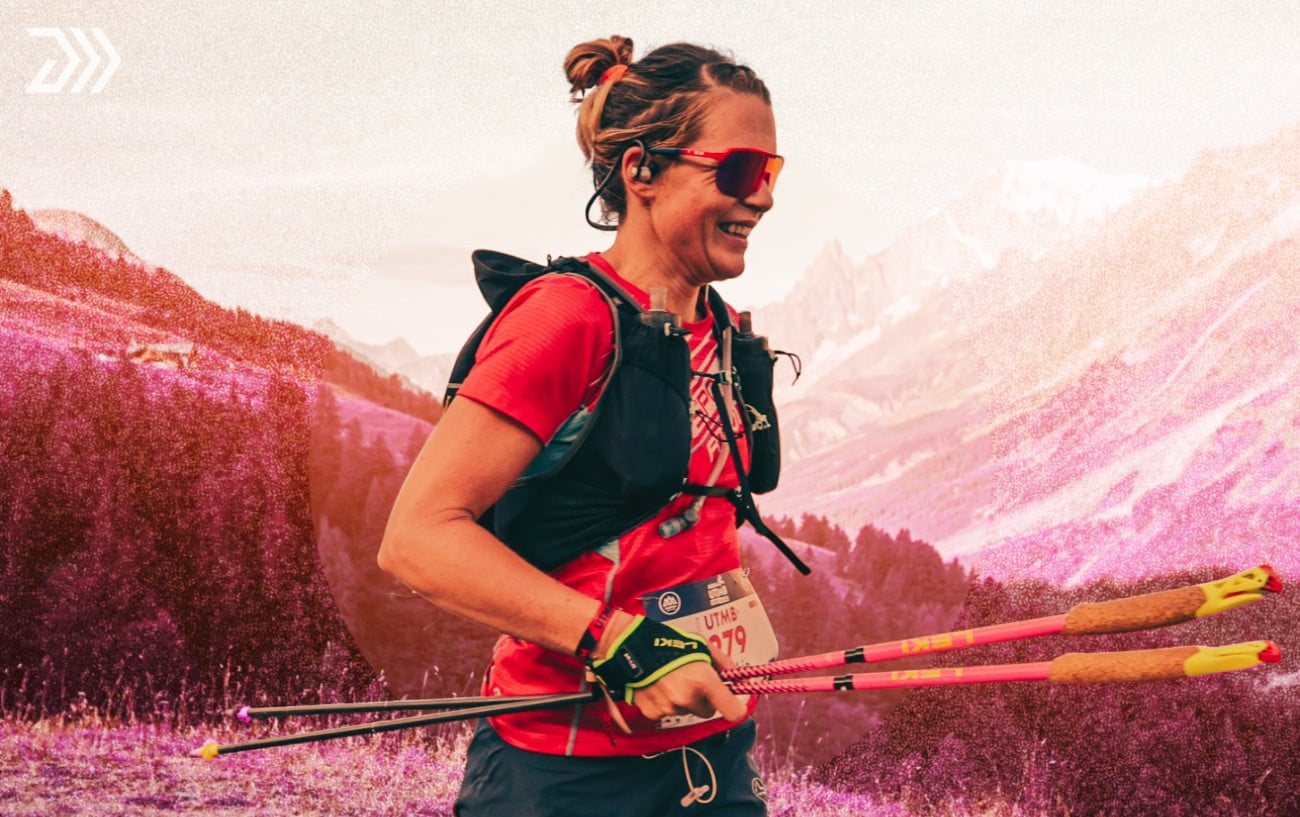
Woods fueled on McDonald’s, pasta and energy gels, and was supported the whole way by her husband George, her friend Zoe, and Nila the dog. The first week was, by her own account, horrendous, everything swollen and sore, but by the third week something turned. “I felt like I was getting fitter,” she said. “It was like I was eating mountains for breakfast.”
When it got dark, she narrowed the task down to a single instruction: “Just one step. That’s all you have to do. Just one step forward.” It is the same message she said carried her through the worst of it. “I might not be the fastest person out there, but I know how to do big, long days in the mountains and just keep moving when everything hurts.”
Why It Meant More Than a Record
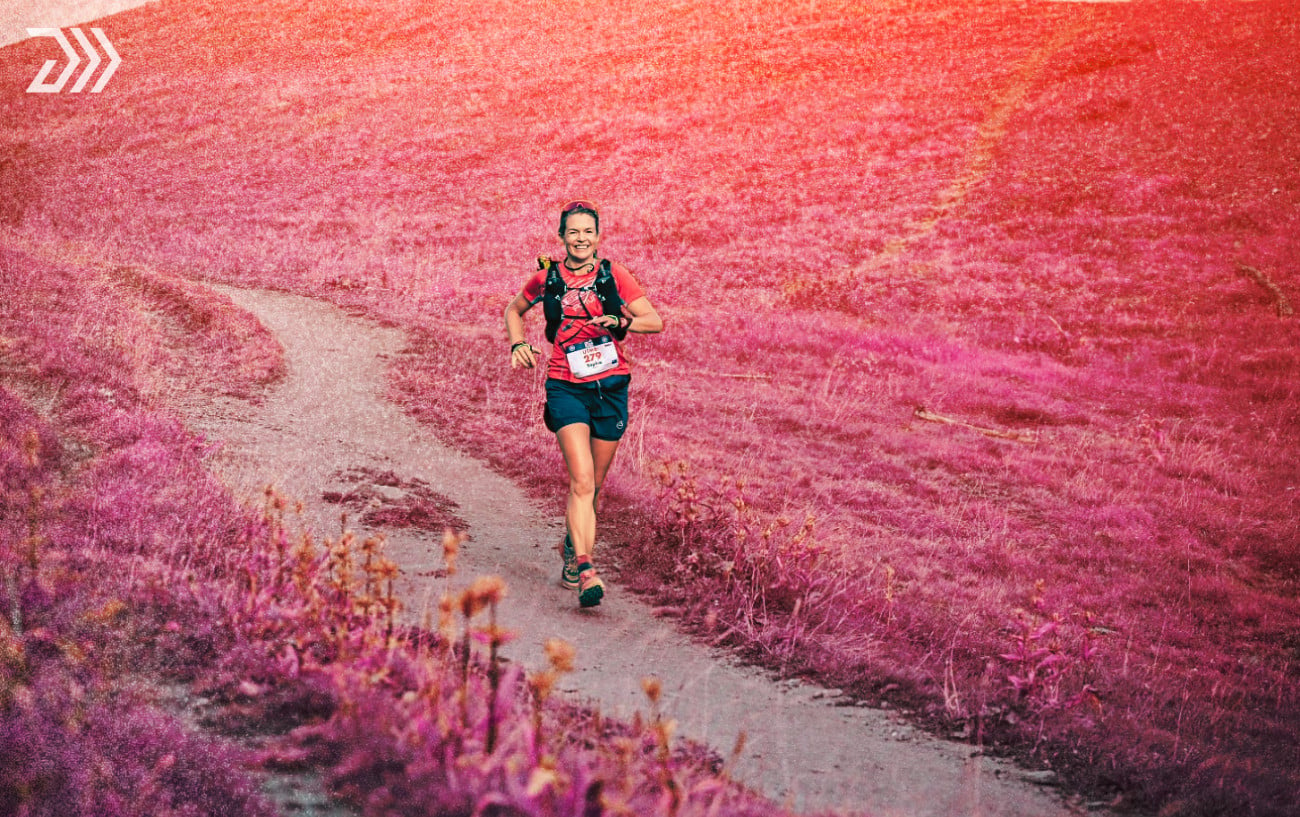
For Woods, the attempt grew out of a hard chapter. After a grueling fertility journey that included IVF, she said she wanted her life to “look different,” and once she committed to the Via Alpina, the record was the target from the start. Her run caps a strong year for women in ultra-running, months after Rachel Entrekin won the Cocodona 250 outright and Tara Dower’s record on Vermont’s Long Trail. “Ultra-running is about preparation, mental strength and being able to continue to persevere when things go wrong,” Woods told BBC Sport. “I think women are really good at adapting and continuing.”
As for what a person does after running 18 hours a day for 29 straight days, Woods has plans. “I intend to spend quite a lot of time on the couch and watch Netflix,” she told BBC Sport, “and eat some vegetables.”
RunClub
Get more running stories — join RunClub
Daily running news, a community of 300,000+ runners, free training plans for every distance, and a daily running game. Free to join — no card.
Already a member? Log in →


Start the conversation