


The announcement that the marathon will get its own standalone World Championships from 2030 raised an obvious question: why now? Alessio Punzi, World Athletics’ Head of Running and Mass Participation, has offered the clearest answer yet — and it comes down to heat and money.
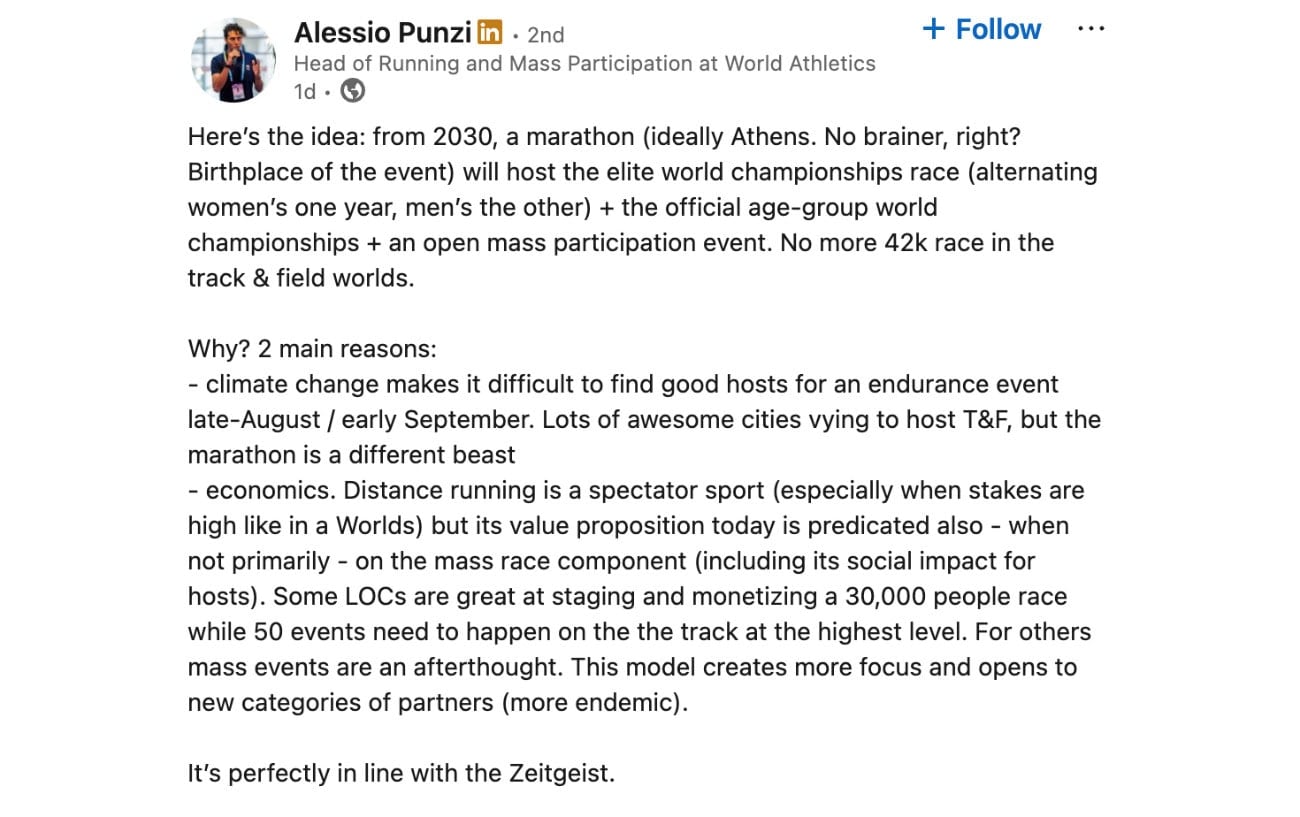
Writing on LinkedIn, Punzi confirmed that the new event won’t just be an elite race. The plan is for the World Athletics Marathon Championships to combine three things under one roof: the elite world championship race alternating between women and men each year, an official age-group world championship, and an open mass participation event. In other words, it’s being built from the ground up as a running festival, not just a broadcast event.
Climate Was Making the Old Format Unsustainable
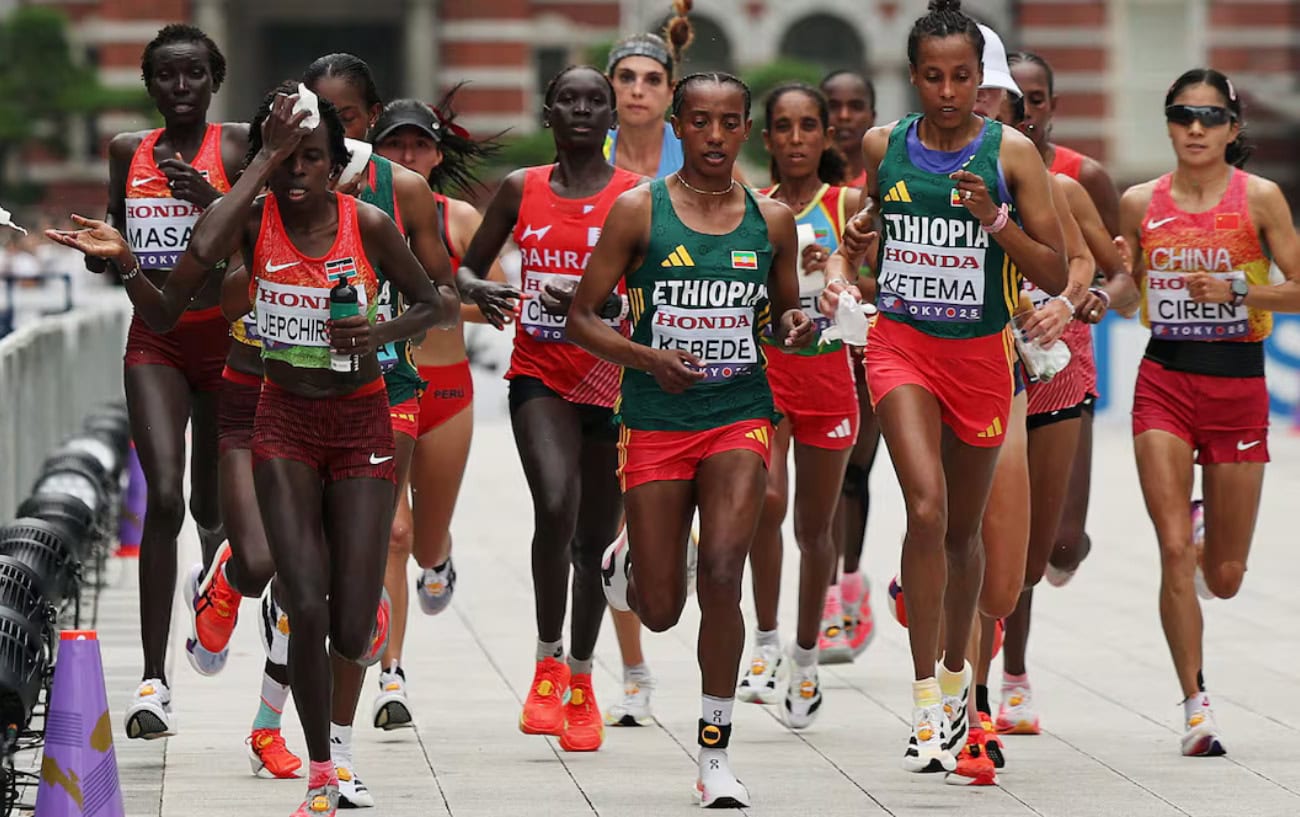
Punzi was direct about the first reason for the change. Running a marathon at the World Athletics Championships — typically held in late August or early September — has become increasingly difficult to justify as global temperatures rise. “Climate change makes it difficult to find good hosts for an endurance event late-August / early September,” he wrote, noting that while plenty of cities want to host a track and field championships, the marathon operates under entirely different conditions.
The 2019 World Championships in Doha made that tension impossible to ignore, with the marathon moved to midnight to avoid dangerous heat and finishing with a significant portion of the field unable to complete the race. Breaking the marathon out into its own event — held at a time of year that actually suits 26.2 miles — is a straightforward fix to a problem that was only going to get worse.
The Economics of Mass Participation
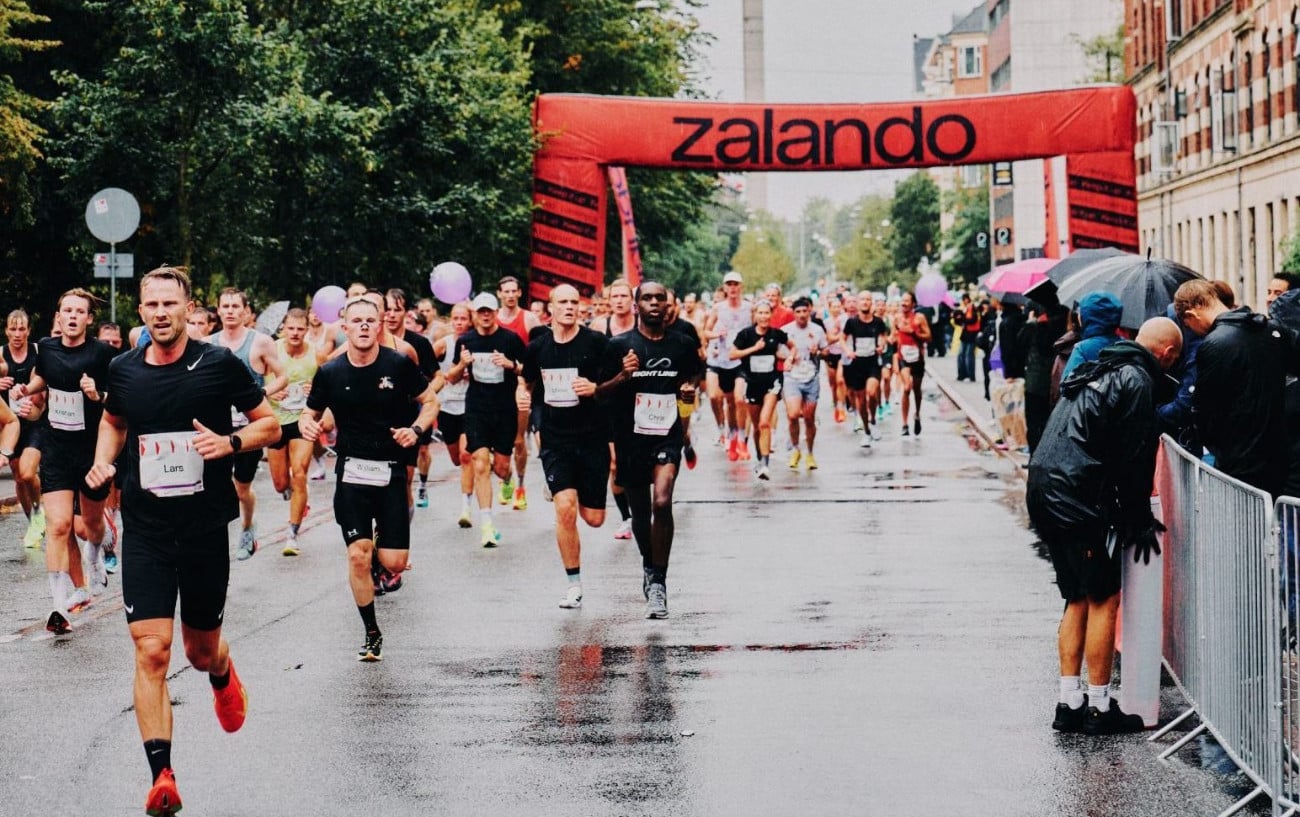
The second reason is about where the marathon’s real value sits. Punzi argued that distance running’s commercial proposition is increasingly tied to its mass participation component — the tens of thousands of recreational runners who enter, the social impact on host cities, the community built around the start and finish lines. “Some LOCs are great at staging and monetising a 30,000 people race while 50 events need to happen on the track at the highest level,” he wrote. “For others, mass events are an afterthought.”
A standalone marathon championship, by contrast, gives a host city the chance to build the entire event around the race itself — and opens the door to a different category of sponsors and partners that would never engage with a multi-discipline athletics meet. It’s a model that the Abbott World Marathon Majors has proven works at enormous scale. World Athletics is, in effect, borrowing that playbook for its own championship.
Punzi’s conclusion was simple: “It’s perfectly in line with the Zeitgeist.” With recreational running at an all-time high and cities from Athens to beyond keen to own a marquee race, it’s hard to argue otherwise.
RunClub
Get more running stories — join RunClub
Daily running news, a community of 300,000+ runners, free training plans for every distance, and a daily running game. Free to join — no card.
Already a member? Log in →






Start the conversation