


For a discipline that draws millions of participants worldwide, the marathon has always shared a stage. That’s about to change.
World Athletics announced Tuesday that it will launch a standalone World Athletics Marathon Championships from 2030, cutting the event loose from the broader World Athletics Championships for the first time.
The marathon will still appear at the 2027 and 2029 editions of those championships, but from 2031 it won’t feature there at all. It will have its own event — annual, alternating between men and women — and, if early discussions go to plan, it will launch in the most fitting city imaginable.
Athens, Greece, where the marathon began.
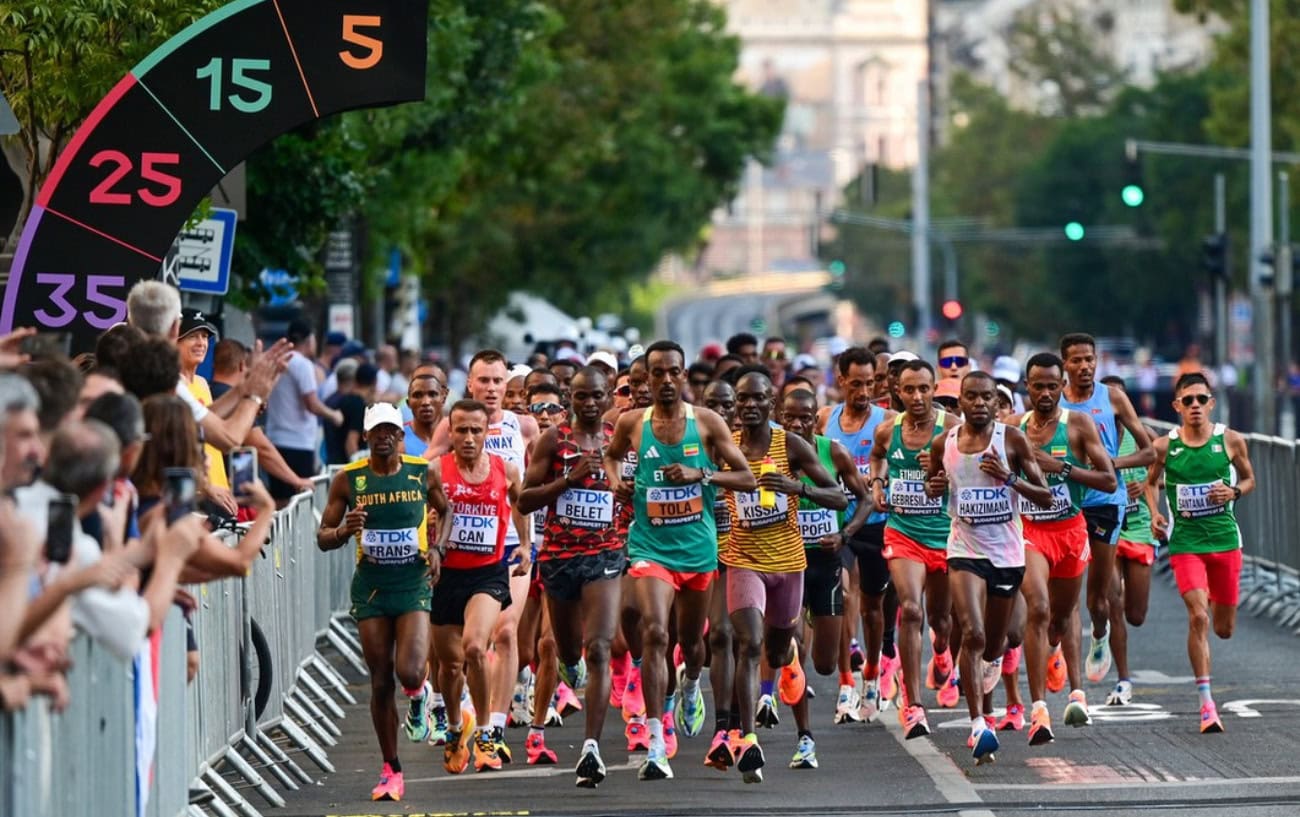
Back to Where It Started
World Athletics confirmed it has opened formal exploratory discussions with the Hellenic Athletics Federation (SEGAS) and the Region of Attica about hosting that inaugural championship in 2030. The symbolism is hard to miss. The marathon’s origin story runs 26.2 miles from the town of Marathon to Athens, a route that has been retraced by competitive and recreational runners ever since.
“Few events in sport carry the weight and resonance of the marathon; it is both a test of the very highest performance and a celebration of mass participation,” said World Athletics President Sebastian Coe. “This is an opportunity to create a dedicated global celebration of marathon running, held in a setting that honours its heritage while shaping a modern championship that reflects the scale and spirit of the global running community.”
World Athletics CEO Jon Ridgeon, speaking at a press conference in Athens, called it a chance to bring “the sport’s greatest global showcase back to where it all began.”
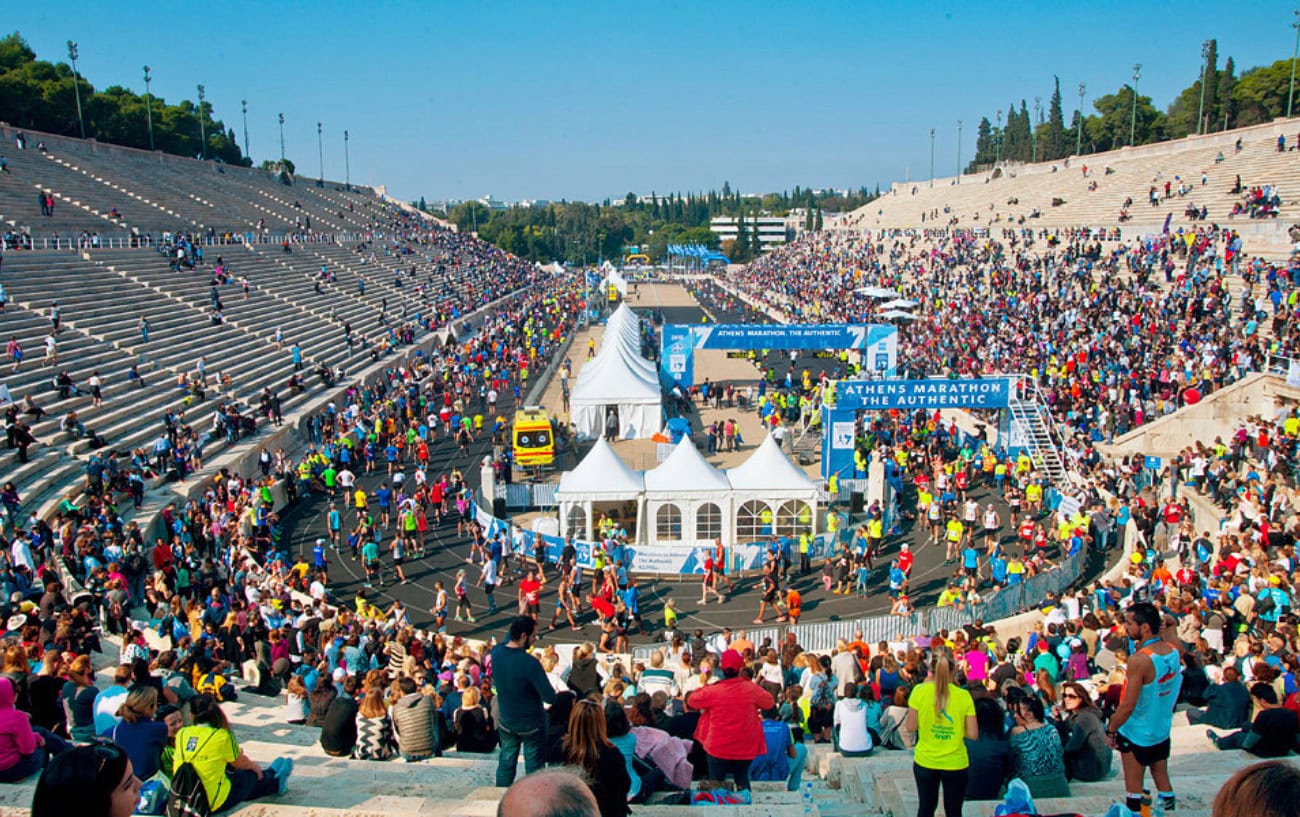
The Athens Marathon Is Getting a Serious Overhaul
The announcement came packaged with another significant upgrade. The Athens Marathon The Authentic — the annual race that follows the original Olympic course to the Panathenaic Stadium — has been awarded Elite Label status by World Athletics. Athens is now targeting Platinum Label, the highest tier in road racing, by 2029. That would put it alongside London, Berlin, and Tokyo among the most elite marathons on the planet.
For anyone who has run or is considering running Athens, the practical impact will be real. Registration is being restructured in line with World Athletics Elite standards, with the 2026 race on November 8 serving as the first benchmark of that transformation. The changes will fund expanded medical, safety, and participant services along the course.
SEGAS President Sofia Sakorafa framed it as an investment in every runner who makes that journey. “We are investing in the future of every runner who steps on to the road from Marathon to the Panathenaic Stadium, ensuring they receive a world-class experience that honours the legend of this course,” she said.
The Region of Attica is putting money directly into the route itself. Governor Nikos Hardalias said the region is funding the redevelopment and modernisation of the Authentic Marathon Route, with a focus on quality, safety, and functionality. “Our commitment is clear: to restore Attica not only as the birthplace of the Marathon, but as its global capital,” he said.
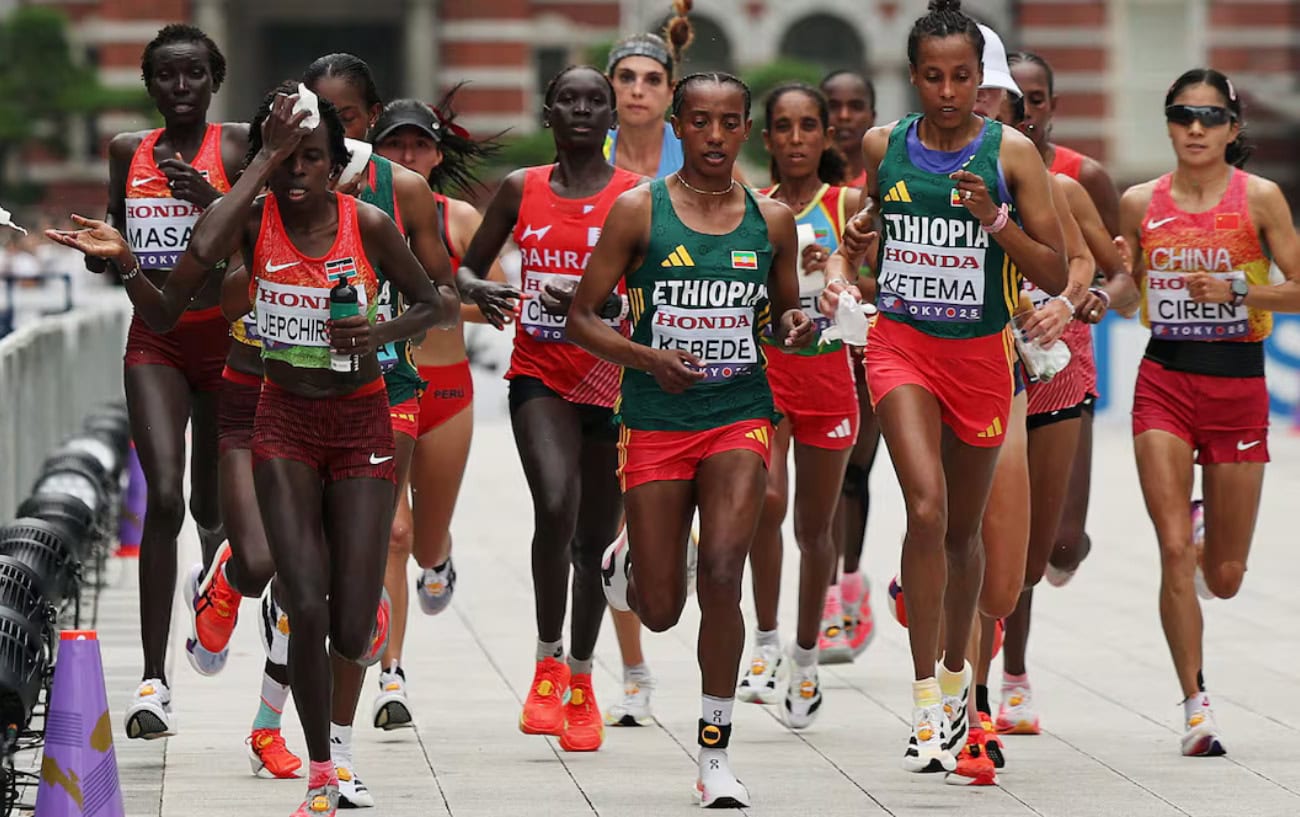
A Championship Built Around the Race
The new standalone championship will run annually, with men and women competing in alternate years — the same frequency as the current World Athletics Championships marathon. World Athletics said the event was conceived in close partnership with those who have shaped marathon running into the global phenomenon it is today, with full partnership details to be announced in the coming months.
The World Athletics Road Running Championships, a separate annual event, will continue unchanged alongside it.
Full details on Athens’ hosting bid are still to be confirmed, but the direction of travel is clear. A race born from legend, now being handed a stage worthy of it.
RunClub
Get more running stories — join RunClub
Daily running news, a community of 300,000+ runners, free training plans for every distance, and a daily running game. Free to join — no card.
Already a member? Log in →








Start the conversation