


The Badwater 135, the 135-mile race across Death Valley that its organizers call the world’s toughest foot race, is underway this week under a National Weather Service extreme heat warning, with temperatures on the valley floor near 118 F and overnight lows that barely fall below 90.
The 39th running began Monday evening, when 98 runners from 21 nations left Badwater Basin, the lowest point in North America at 280 feet below sea level, in three staggered waves at 8, 9 and 10 p.m. They race 135 miles and about 14,600 feet of climbing to Whitney Portal at 8,360 feet, where the air is cooler but the final 13 miles run all uphill.
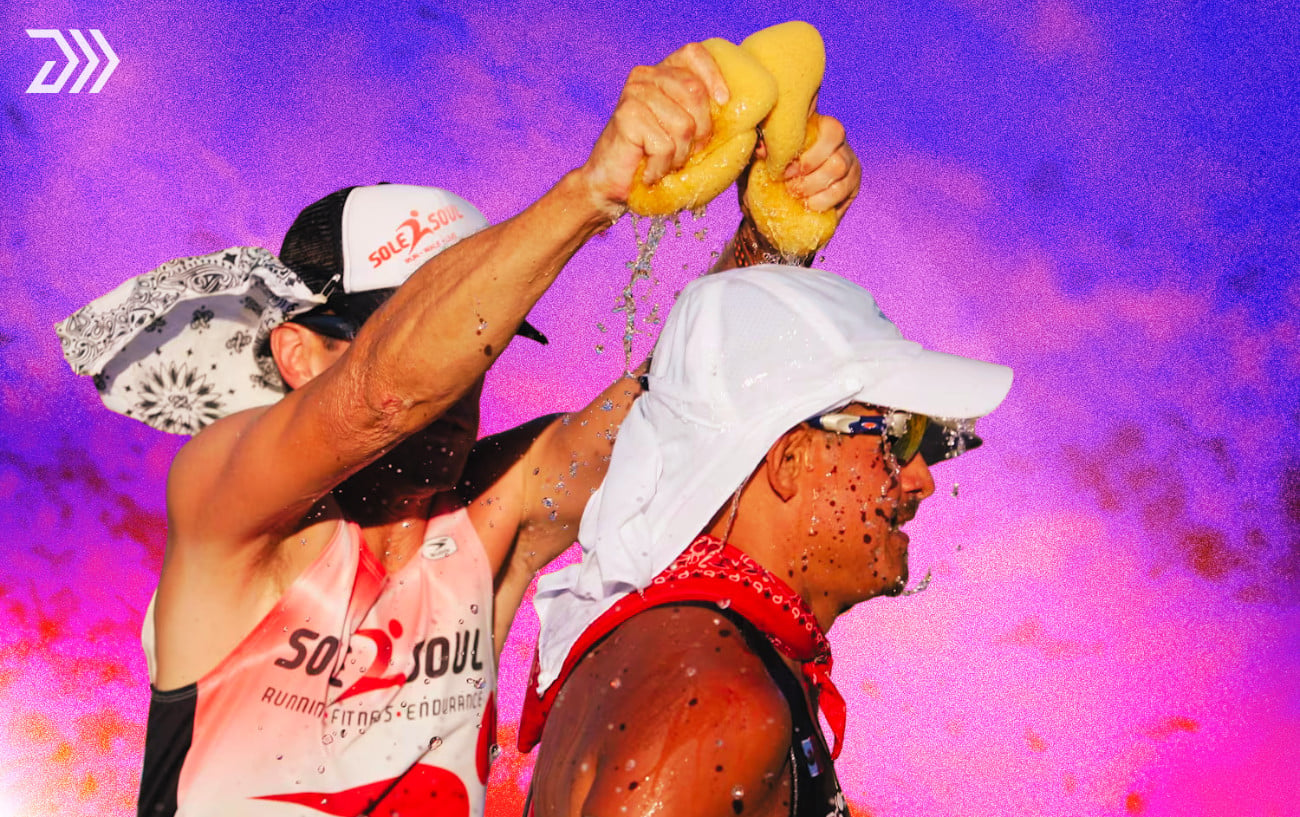
The heat is the point of Badwater, and this week it is severe even by the race’s standards. The National Weather Service forecast highs near 118 F at Furnace Creek on both Monday and Tuesday, with an extreme heat warning covering the afternoon hours, and temperatures in the area are expected to climb toward 124 to 127 F later in the week. The overnight low offers little relief, sitting around 90 F, which means runners get no real break from the heat through the dark hours when most of the field is still moving.
The conditions are extreme but short of record territory. Death Valley reached 120.9 F on July 15, the hottest reading anywhere in the United States this year, and its modern verified record is 130 F, set in August 2020. (An often-cited 1913 mark of 134 F is disputed by climate historians.) Even so, few places on Earth are hotter than this course right now.
Badwater 135 starts tonight in Death Valley 👀🔥 https://t.co/cVJV1rrs0d
— Jonathan Levitt (@JWLevitt) July 27, 2026
Heat shapes how the race is run. The asphalt can grow hot enough to soften the soles of running shoes, so competitors often run along the painted white line at the road’s edge, a few degrees cooler than the black pavement. Each runner travels with a support crew and one vehicle that leapfrogs ahead with water, ice and food, since there are no aid stations in the usual sense. The rules bar artificial cooling, meaning no cooling vests, hats or visors while a runner is moving.
The weather lands harder this year because the race also has less time to give. Organizers lowered the overall cutoff to 45 hours from 48, and the three hours come out of the back of the field, where runners have historically used nearly the full two days to reach the portal in the heat. For those competitors, a hotter course and a tighter clock compound each other.

The long-term trend runs the same way. Death Valley National Park superintendent Mike Reynolds has said the park’s nighttime temperatures are roughly 10 percent hotter than they were 20 years ago, and the hottest months in its records are recent ones. One of the hardest races anywhere, Badwater is not getting easier.
The fastest runners were expected to reach Whitney Portal by Tuesday evening. AdventureCORPS is posting live time splits and updates through the finish on Wednesday.
RunClub
Get more running stories — join RunClub
Daily running news, a community of 300,000+ runners, free training plans for every distance, and a daily running game. Free to join — no card.
Already a member? Log in →







Start the conversation