


The Badwater 135, which its organizers bill as the world’s toughest foot race, returns to Death Valley on Monday for its 39th running, and this year the race begins without a defending champion in either division. Both of last year’s winners are absent, which leaves one of the most open fields in recent memory. Here is what to know before the first runners leave Badwater Basin on Monday evening.
What Is the Badwater 135?
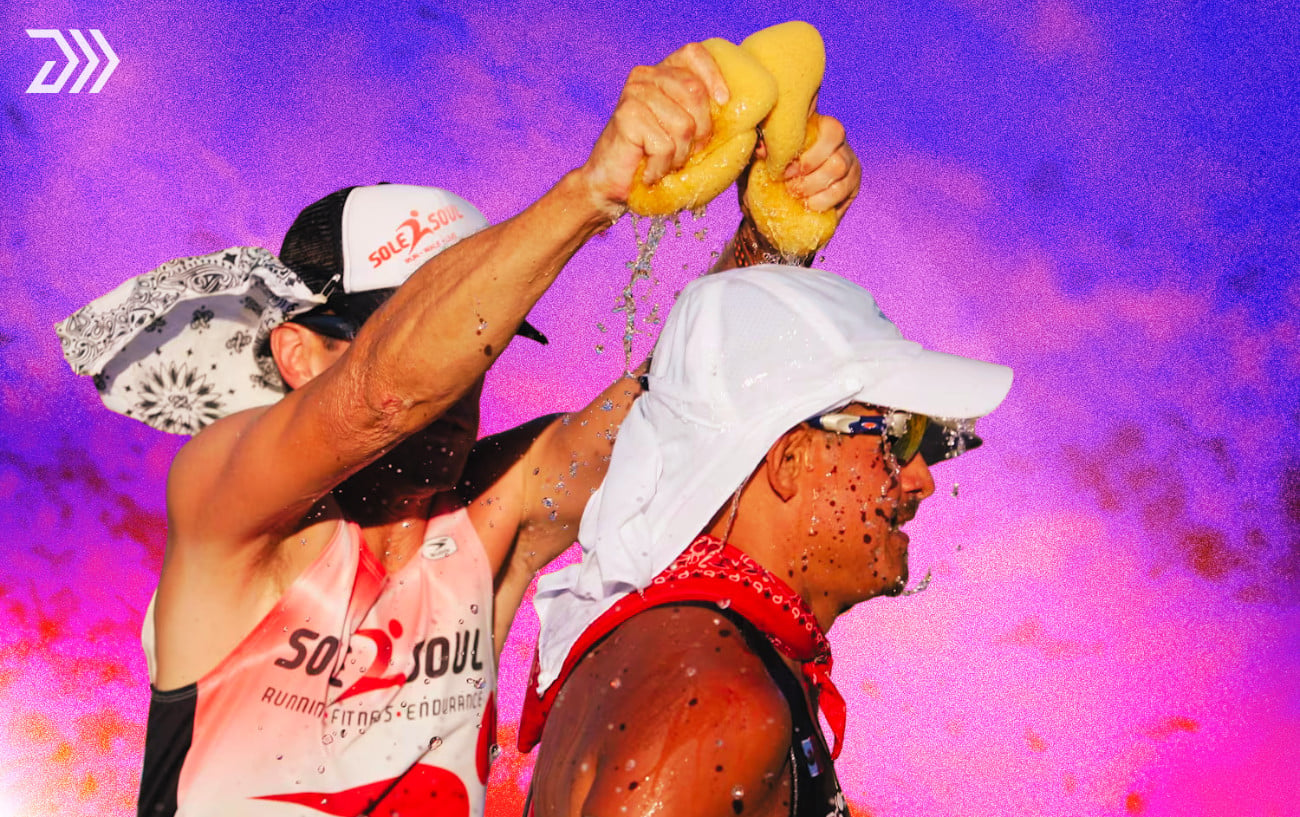
The race covers 135 miles, without a break, from Badwater Basin, the lowest point in North America at 280 feet below sea level, to Whitney Portal at 8,360 feet, the trailhead below Mount Whitney, the highest summit in the contiguous United States. Runners climb roughly 14,600 feet across three mountain ranges, with little shade and no real night off the clock. What separates it from other brutally hard ultramarathons is the heat. The race is held in mid-July, when temperatures on the valley floor routinely pass 120 F and can approach 130 F. The pavement grows hot enough to soften the soles of running shoes, and competitors often run along the painted white line at the road’s edge, which sits a few degrees cooler than the black asphalt.
When It Starts and How to Follow
The 2026 race runs Monday through Wednesday, July 27 to 29. Runners set off in three waves on Monday evening, at 8, 9 and 10 p.m., seeded slowest to fastest so the field draws together through the night. There is no live television broadcast. AdventureCORPS, the race organizer, posts rolling time splits, photo galleries and updates on its website and social channels for the full duration of the race, and that is the best way to follow the leaders in real time. The fastest runners reach the finish in a little over a day; many others need most of the time allowed.
The Course
From the salt flats at Badwater Basin, the route passes Furnace Creek at mile 17.5, the first of eight official time stations, then reaches Stovepipe Wells at mile 42 before the long climb over Towne Pass at nearly 5,000 feet. It drops to Panamint Springs at mile 72, climbs again past Father Crowley’s Turnout and Darwin, and runs a long, exposed stretch toward Lone Pine at mile 122. The last 13 miles turn up Whitney Portal Road, a steep grind that gains about 5,000 feet to the line. Those three big climbs are what stack up the race’s vertical. The race ends at the portal, not the summit of Mount Whitney, which is not part of the event.
A Field With No Defending Champion
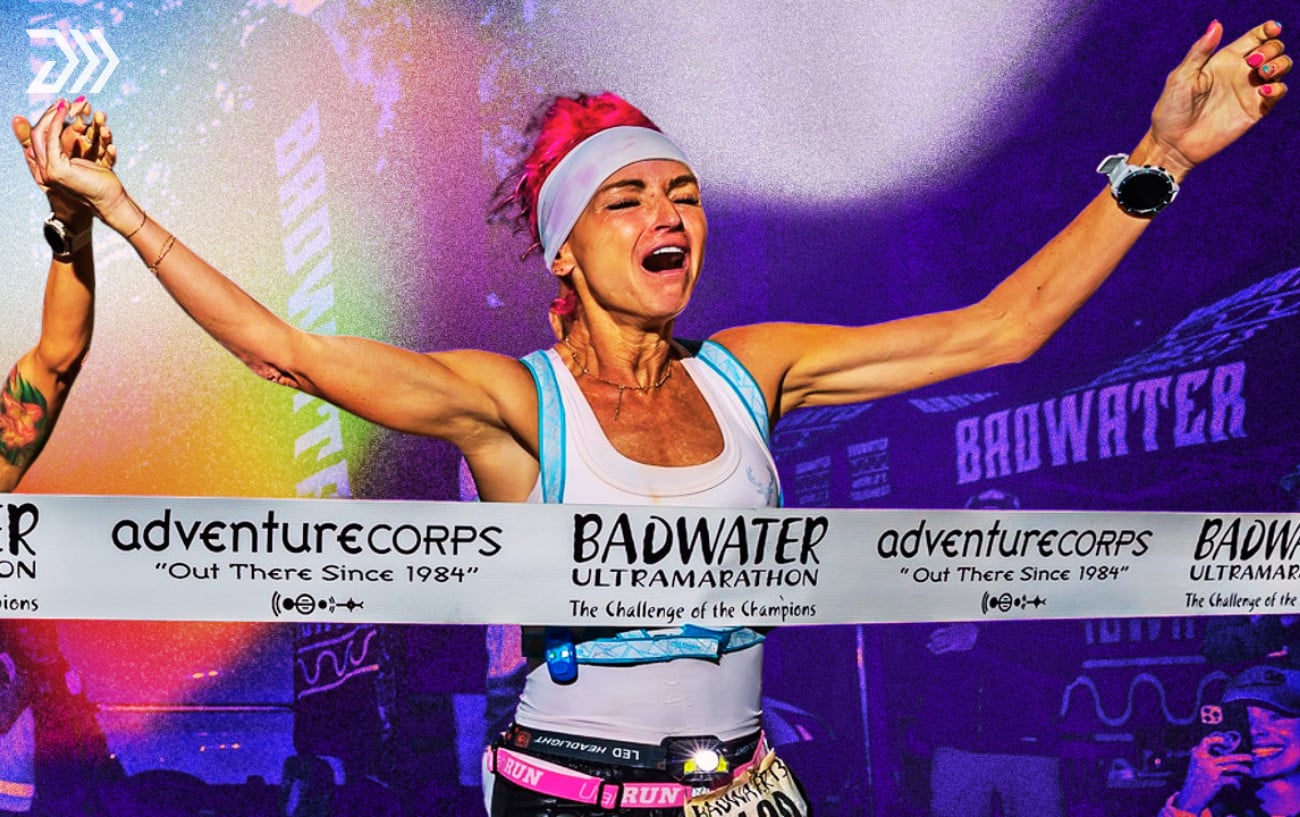
For the first time in several years, neither reigning champion is on the start list. Simen Holvik of Norway, who won the men’s race in 2023 and again in 2025, is not entered, and neither is Marisa Lizak, the 2025 women’s winner. Yoshihiko Ishikawa, who holds the men’s course record, is also absent. The result is an unusually open race, with no obvious front-runner among the men and a clear favorite, though not a defending one, among the women. The field is capped near 100 runners. This year 98 athletes from 21 nations are entered, 70 men and 28 women, 33 of them previous finishers and 65 racing Badwater for the first time.
The Women to Watch
Ashley Paulson is the most accomplished name in the field. Racing under bib 1, the runner from St. George, Utah, won the race outright in 2023, beating every man on the course, and set the women’s record of 21:44:35 that still stands. Earlier this year she set a 100-mile treadmill world record at the Boston Marathon expo. Also entered are Sally McRae, a familiar name in American ultrarunning, and Britain’s Sophie Power. No other woman in the field carries a Badwater result to match Paulson’s.
The Men to Watch
The men’s race has no clear favorite, but several names stand out. Ivan Penalba Lopez of Spain has finished second three times, in 2022, 2024 and 2025, and is the most consistent contender on the roster. Harvey Lewis, a schoolteacher from Cincinnati who won in 2014 and 2021, returns at 50 for a 15th consecutive finish. Max Jolliffe, listed on the roster as a professional athlete, is among the rookies who could contend, and Pete Kostelnick, a former transcontinental record holder, is also in.

The Records
The men’s course record is 21:33:01, set by Ishikawa in 2019. With the record holder not racing, it would take a standout run to threaten it. The women’s record of 21:44:35 belongs to Paulson, who is on the start line, which makes hers the more plausible mark to fall this year.
What Has Changed for 2026
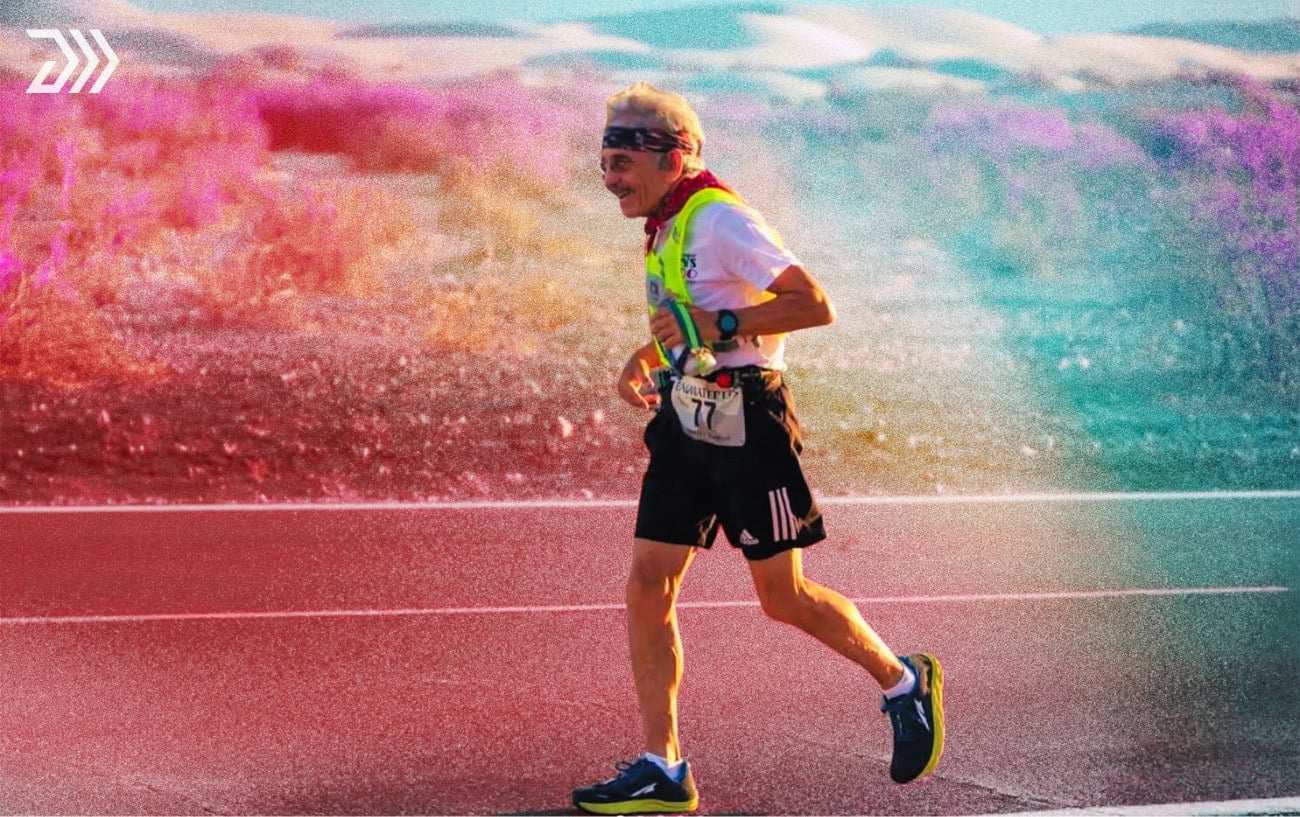
The one significant rule change is the clock. Organizers have lowered the overall time limit to 45 hours from 48. Because the average finish is around 36 hours, the leaders are unaffected. The runners who feel it are the ones at the back of the field, who have historically used nearly the full two days to reach the portal. The change carries real weight there: in 2022, under the old limit, Bob Becker missed the 48-hour cutoff by 17 minutes at age 77, then came back to become the oldest person to finish the race, at 80. Three fewer hours narrows the margin for runners in exactly that position.
The Streak Runners and Other Storylines
Part of Badwater’s character comes from the runners who return year after year. Danny Westergaard is going for a 19th consecutive finish, Karla Kent a 14th, and Gerald Tabios a 10th, while Ray Sanchez is chasing a 17th finish overall. The oldest entrant is Pamela Chapman-Markle, 70, a nurse anesthetist from Texas and seven-time finisher; the youngest is 27-year-old Nicholas Cerbone. The average age across the field is 46, a sign that Badwater tends to reward experience and heat tolerance over youth.
How Runners Get In
Entry is by invitation, not open registration. Each year hundreds apply during a short window, usually in January, and about 100 are chosen. Applicants must be at least 18 and clear demanding qualifying standards, such as a previous Badwater finish paired with a recent 50-mile race, or three separate 100-mile finishes within about a year. Every runner must field a support crew with a designated crew chief and one vehicle, because there are no aid stations in the usual sense; the crew drives ahead and leapfrogs the runner to hand off water, ice, food and dry clothing. The rules forbid artificial cooling, meaning no cooling vests, hats or visors while a runner is moving, and no walking poles. After dark, runners and their pacers must wear full reflective gear with front and rear lights.
From One Man’s Crossing to the World’s Toughest Foot Race
The route came before the race. In 1977, Al Arnold became the first person to run from Badwater Basin to the summit of Mount Whitney, reaching the top in about 84 hours after two failed attempts in earlier years. The organized, head-to-head race began a decade later, in 1987, when five runners finished. AdventureCORPS, under director Chris Kostman, has run the event for more than two decades, and its profile has kept rising; the race is the backdrop for an upcoming thriller, “Ultra,” starring Shailene Woodley.
There is no prize money. Runners who beat the 45-hour limit earn the finisher’s belt buckle, which the organizers call the Holy Grail of ultrarunning. The first wave leaves Badwater Basin on Monday at 8 p.m., and the fastest runners should reach Whitney Portal by Tuesday evening. AdventureCORPS will post live splits throughout.
RunClub
Get more running stories — join RunClub
Daily running news, a community of 300,000+ runners, free training plans for every distance, and a daily running game. Free to join — no card.
Already a member? Log in →








Start the conversation