


Bill Rodgers turned 78 this week, marking 50 years since his first Boston Marathon victory in 1975, the race that launched one of the most dominant stretches in American distance running history. He went on to win Boston and New York City four times each, becoming one of the most iconic runners in the U.S. running boom of the 1970s, and in history.
Half a century later, Rodgers is still running about 20 to 25 miles a week.
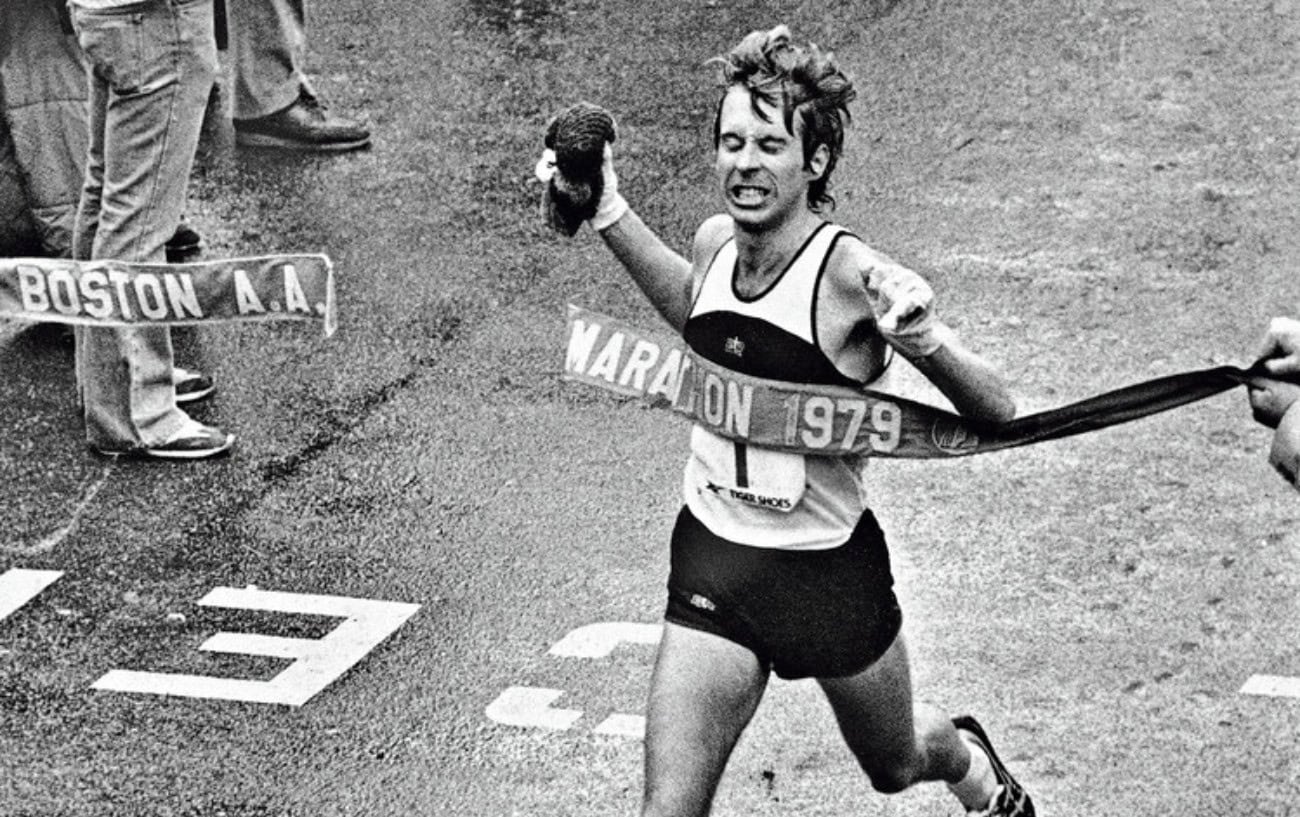
“I think it was Johnny Kelley who called running the fountain of youth,” Rodgers said in a recent interview in Somerville. “And I totally believe in that. Everyone who runs benefits.”
That belief has shaped much of Rodgers’ life beyond racing. Even at the height of his success, he pushed the idea that running was not an elite pursuit, but something open to anyone. No special equipment, no barriers, no permission required.
“This is the sport where the door is open,” Rodgers said. “No one says, ‘You can’t take part.’”
That thinking led to one of his lesser-known but longer-lasting contributions: the Bill Rodgers Jingle Bell Run. The event began in the late 1970s during the energy crisis, when Rodgers, his brother Charlie, and a small group of friends went out for an informal run to look at Christmas lights.
It stuck.
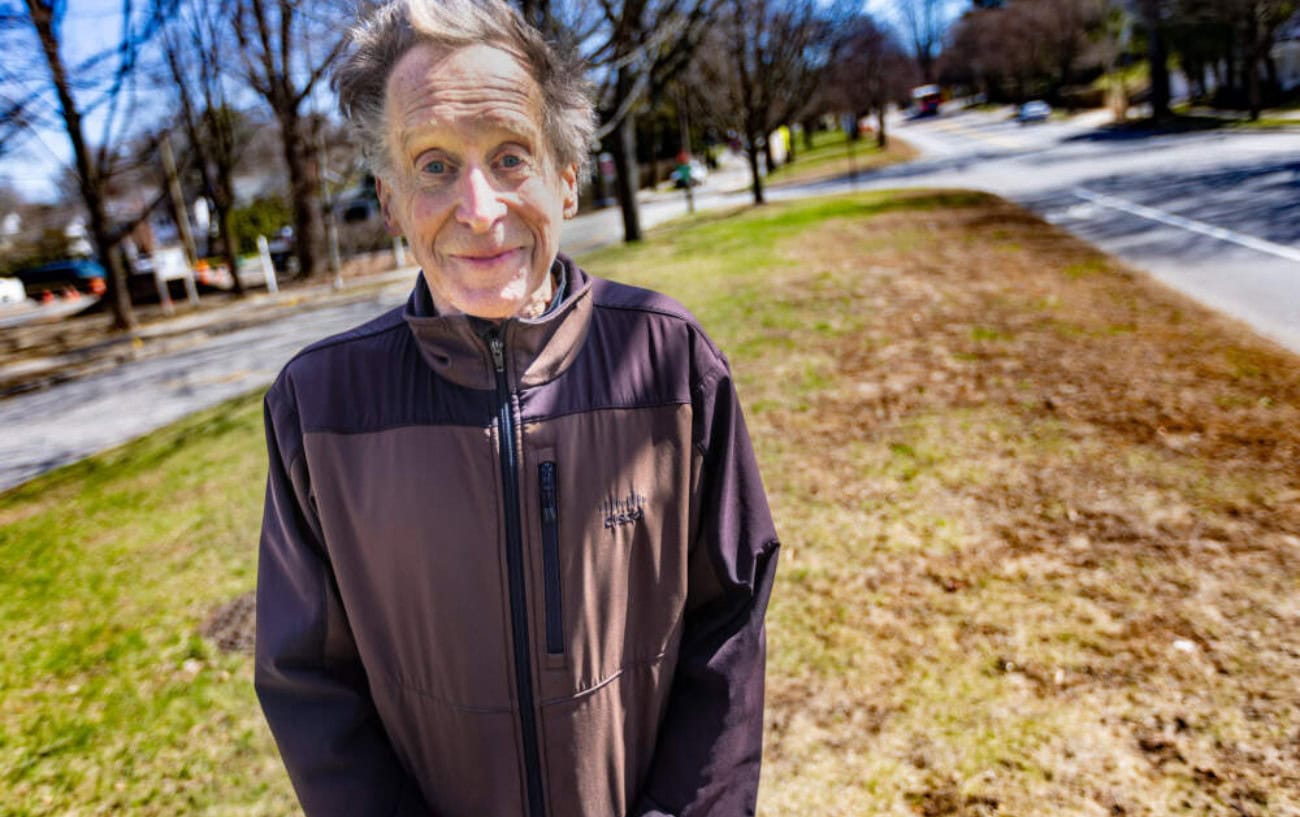
Decades later, the Jingle Bell Run is still held every December in Somerville’s Davis Square, drawing thousands of runners and walkers. It has never been about times or placings.
“The Jingle Bell Run is totally the opposite of the Boston Marathon,” Rodgers said. “The Boston Marathon’s tough. The Jingle Bell Run is a celebration of life.”
For years, the event raised money for the Massachusetts Special Olympics, an ode to Rodgers’ background as a special education teacher and his focus on inclusion rather than performance. Similar runs soon popped up elsewhere, inspired by the same low-pressure model.
Rodgers’ influence on American running is often measured in his wins and his records, but his longer-lasting impact may be cultural. He helped push the idea that running could be social, low-pressure, and communal, not just a test of toughness.
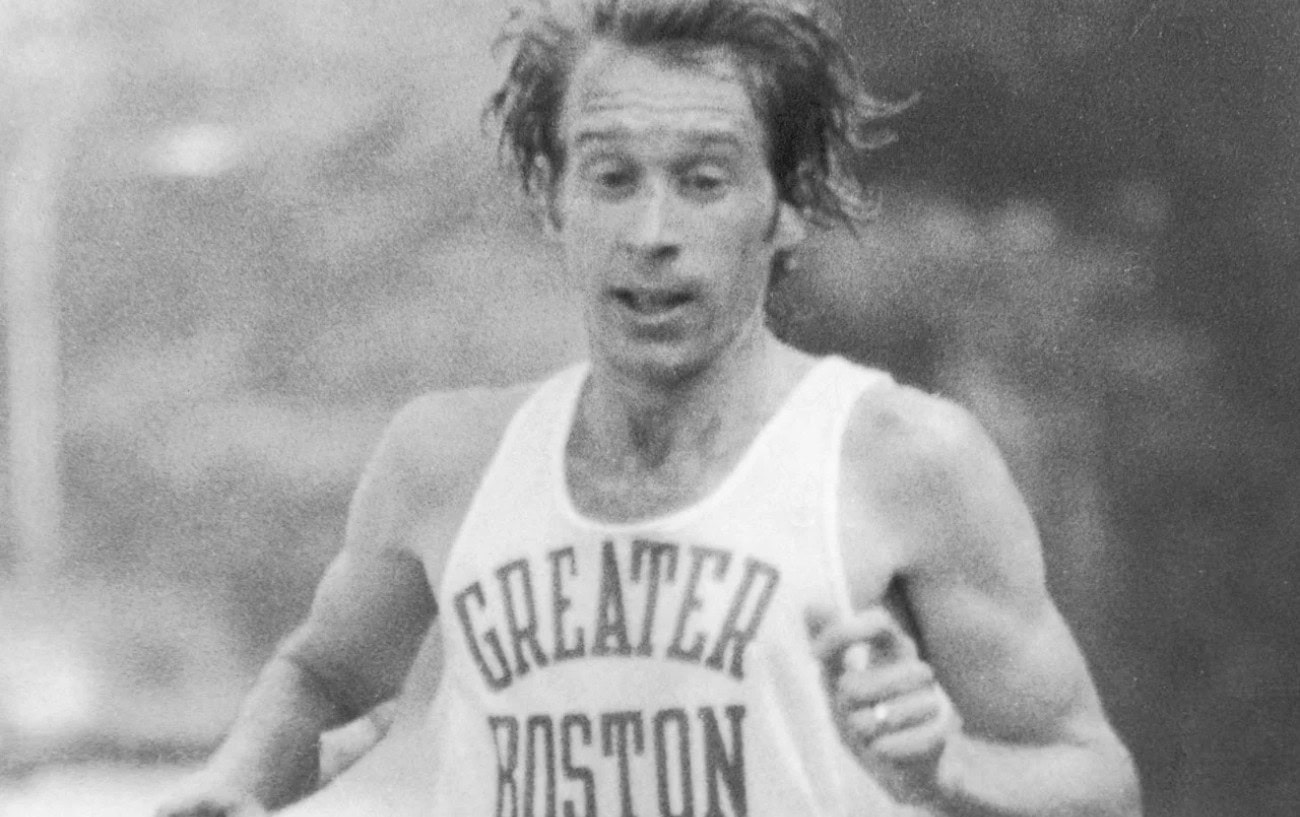
Even now, Rodgers still shows up. He still runs Boston. He still runs easy. He still runs with friends.
“People don’t think running is a team sport,” he said. “But it is. You run with your friends.”
Fifty years after his first Boston title, Rodgers’ message remains simple and unchanged.
“Have fun,” he said. “That’s the name of the game.”



1 Comment
Great article