


The Barkley Marathons does not have a reputation for kindness. Twenty people have finished it in 39 years of attempts, and most coverage of the Tennessee race tends to dwell on what makes it so hard: the sawbriars, the fog, the unmarked course, and the standard warning issued to every runner that “no help is coming.”
Damian Hall would like to add some nuance to that picture. The British ultrarunner, who has now lined up at Frozen Head State Park three times, used a new column in Runner’s World UK, published June 6, to make a different case. The race itself remains brutal, Hall acknowledged. The community around it, he wrote, is something else. Frozen Head, in his words, is “simply one of the loveliest and most welcoming places I’ve ever been.”
Hall’s column reads as a deliberate counterweight to how Barkley is usually told. Instead of focusing on his own race, he spent most of the piece describing what happens off the course: the locals, the park staff, the race officials, the other runners and their crews.
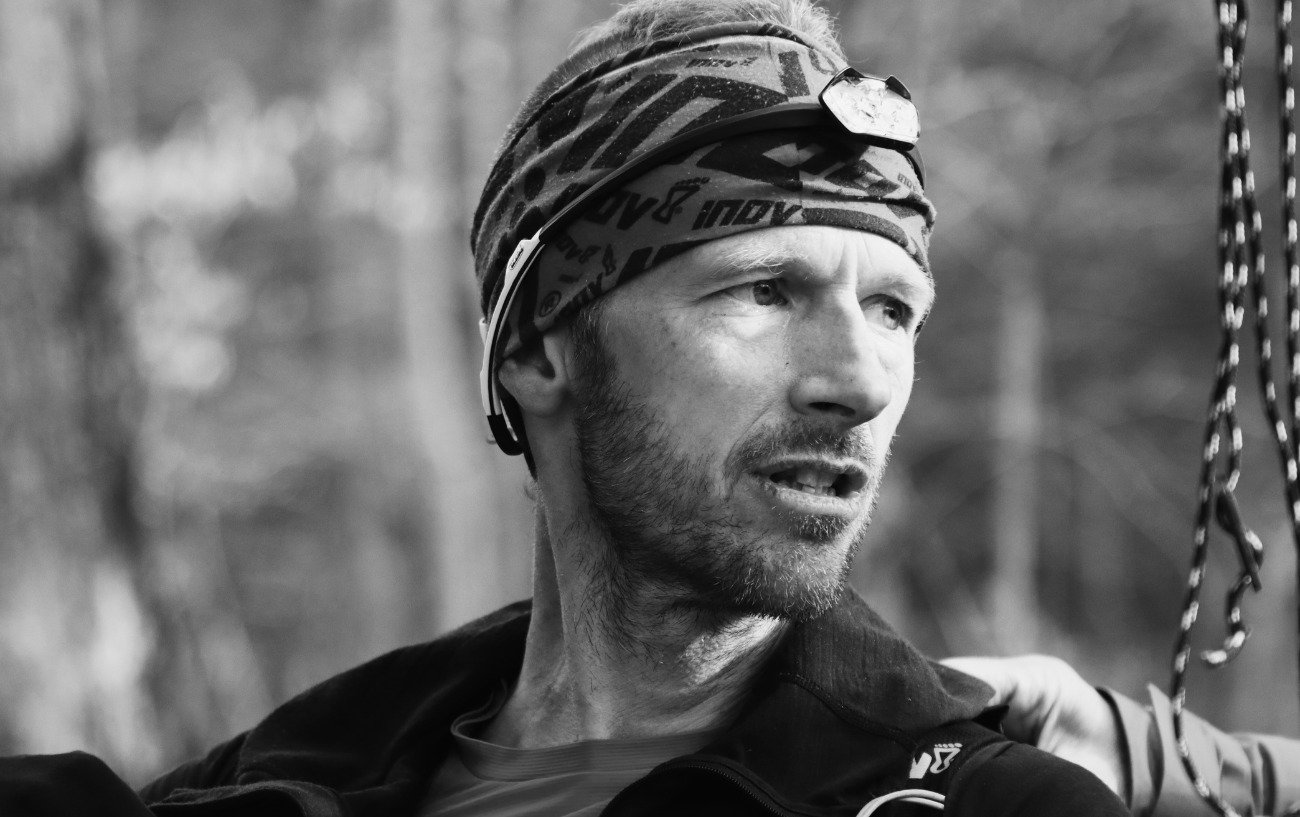
The locals around Wartburg
The race takes place each spring in the woods outside Wartburg, a small town in east Tennessee. Hall described the locals there as curious and friendly. He recounted one resident who, after complimenting his vocabulary, threw in a piece of unsolicited safety advice. “I love how you say ‘holiday’ instead of ‘vacation’ and oh, don’t hug the wild hogs, they’ll eat you.”
State park staff, Hall reported, handed out maps and merchandise and walked runners through what to do if they crossed paths with rattlesnakes, bears or coyotes. Co-race directors Lazarus Lake and Carl Laniak, and the volunteer staff Hall referred to as the Geezers, helped runners pick out camping spots and checked everyone had what they needed. The one thing they refused to share, in keeping with tradition, was the start time of the race.
A barbecue with 20-plus accents
Hall devoted a section of his column to the pre-race meal. The night before the race, he wrote, runners from more than 20 countries gathered for a barbecue where each competitor brought food from home. He brought Tunnock’s, the Scottish chocolate-covered teacakes. The accents, he said, ran late into the night.
Much of the hosting, Hall noted, was handled by the family of John Kelly, one of the rare runners to have completed the Barkley. They lent equipment, laid on food and made the foreign runners feel at home, Hall said, in what he described as the heart of Trump country.

What surprised him most on the course
The point Hall returned to most often in the column was how the runners and their crews behaved once the race began. He wrote that they swapped route information, gear advice and snacks rather than racing each other for an edge.
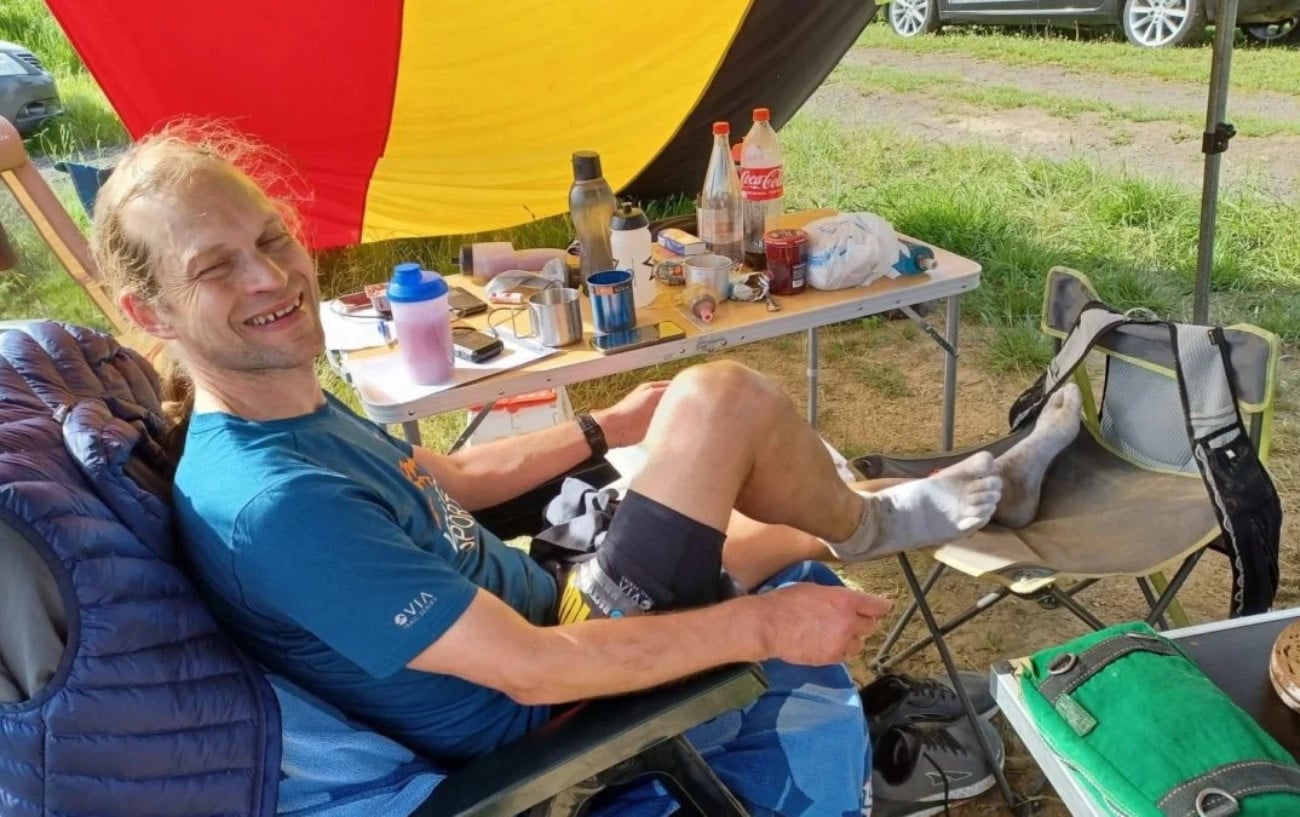
The example he chose to lead with involved a stove. His crew had turned up with a cheap unit from Walmart, which broke at a bad moment and put his interloopal tea in jeopardy. According to Hall, another crew donated a working stove without being asked, even though it potentially left them without warm food. His crewmate Allie also mentioned, in passing, a liking for cinnamon rolls. Cinnamon rolls, Hall reported, magically appeared.
Allie, quoted in the column, put it plainly. “Everyone was helping everyone, sharing everything,” she said. “There was no competition between crews.”
Hall added that when the last runner of the weekend was still out in the dark woods, bearded Barkley veterans he had assumed would not “give two hoots” were instead asking detailed questions about how much food the runner had on him, how his head torch batteries were holding up, and whether he was carrying enough warm kit. The campground during Barkley, Hall wrote, is a place of “human and actual warmth, kindness and community.”
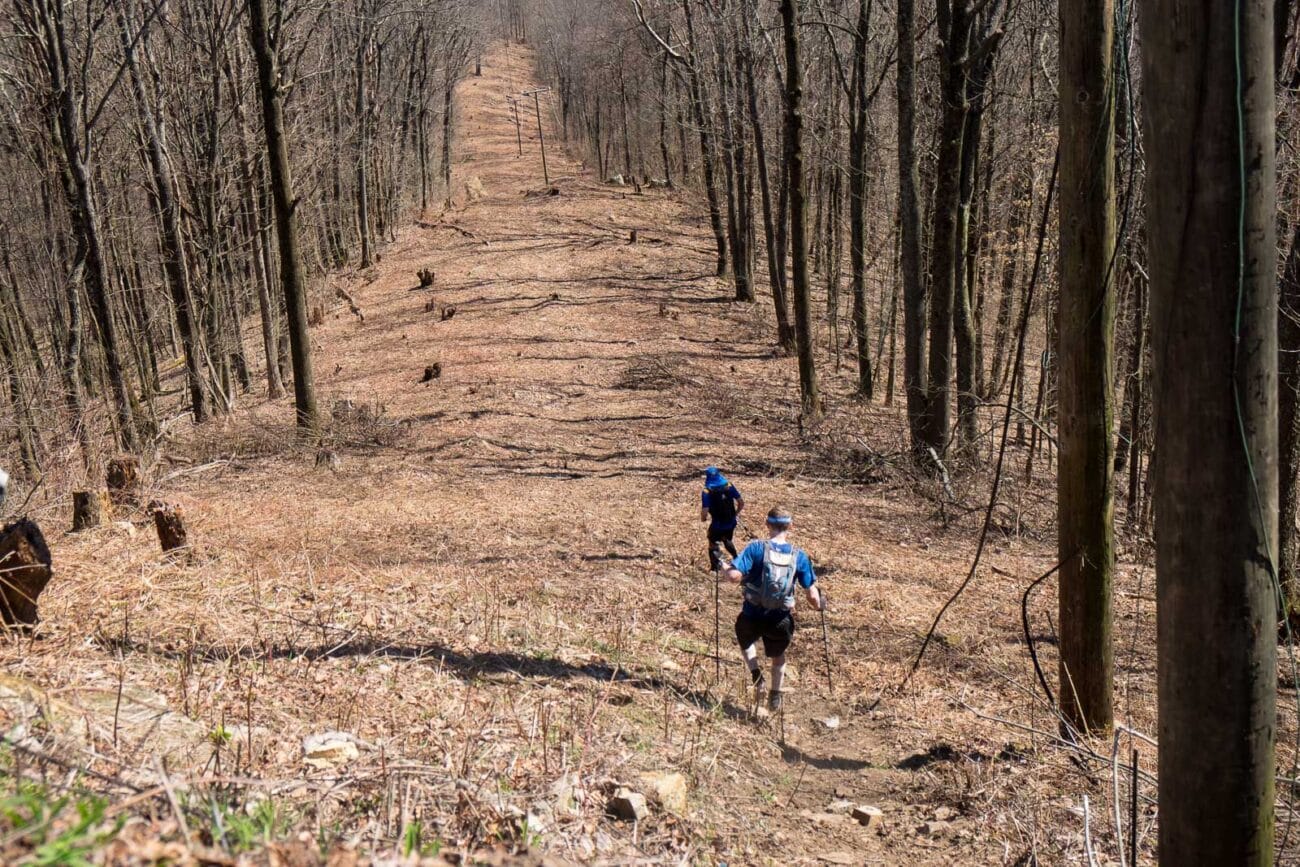
A caveat on the course itself
Hall was careful not to let his own praise become an advertisement. He pointed out, in the same Runner’s World column, that for the second year in a row no one got past loop three of the race. The organisers, he wrote, could have made the course considerably kinder this year and chose not to. They could also have allowed runners to use the perfectly good footbridge that sits beside the campground. Instead, runners were sent through the river.
Hall recounted asking the race staff one evening when they might start searching for the final runner if he stayed out overnight. The reply, he wrote, was characteristically Barkley. “Ah, maybe in the morning.”
His own closing line in Runner’s World made the point neatly: “We wouldn’t want anyone thinking that the Barkley was going soft now, would we.”
RunClub
Get more running stories — join RunClub
Daily running news, a community of 300,000+ runners, free training plans for every distance, and a daily running game. Free to join — no card.
Already a member? Log in →


Start the conversation