


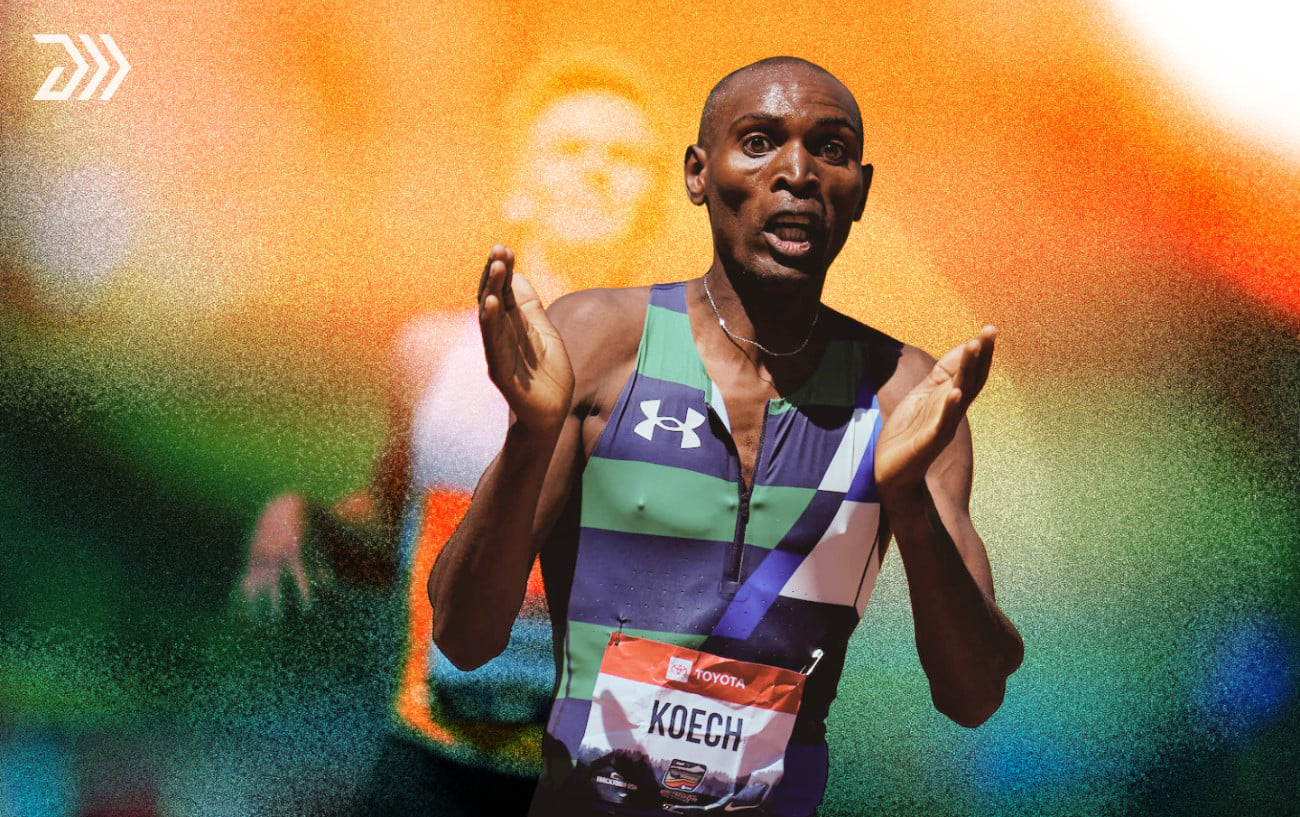
Hobbs Kessler finished fourth in the U.S. 1,500m final last August, one place short of the World Championships team. On Monday, the result that kept him off it was erased. USADA, the United States’ anti-doping agency, said the winner, Jonah Koech, had been blood doping around that race, stripped his national title, and voided every result he has run since July 30, 2025.
Koech, 29 and based in Colorado Springs, did not contest the case and agreed to a three-year suspension. There was no failed drug test. The case rested on his Athlete Biological Passport. The passport profiles a runner’s blood readings, built up over months of testing, and rather than catch a banned substance in the body it looks for patterns that betray transfusions or drugs such as EPO.
Such monitoring has been part of anti-doping since 2009 and can catch blood manipulation that no single test would reveal. Both methods do the same thing: they push up an athlete’s red blood cell count so the blood carries more oxygen to the muscles, which lets a distance runner hold a hard pace longer and recover faster between surges.
Over 1,500m, a race often settled by a few hundredths of a second, that is a large and direct advantage. It is banned in part because it is also dangerous, since thicker blood makes the heart work harder and raises the risk of clots. An expert panel unanimously ruled that Koech’s numbers matched blood doping. The standard four-year sanction was cut to three, USADA said, because he admitted the violation early. “This case is proof that the Athlete Biological Passport can both deter and detect doping,” said USADA chief executive Travis T. Tygart.
His blood was tested twice around the Eugene final, on July 30 and Aug. 8, 2025. The finding did not reach USADA until February 2026, and the ban came this week. After those samples, Koech raced the September World Championships in Tokyo for the United States and finished 13th in the final. His provisional suspension runs from July 17, 2026 through July 16, 2029, a window that rules out the Los Angeles Olympics in 2028.
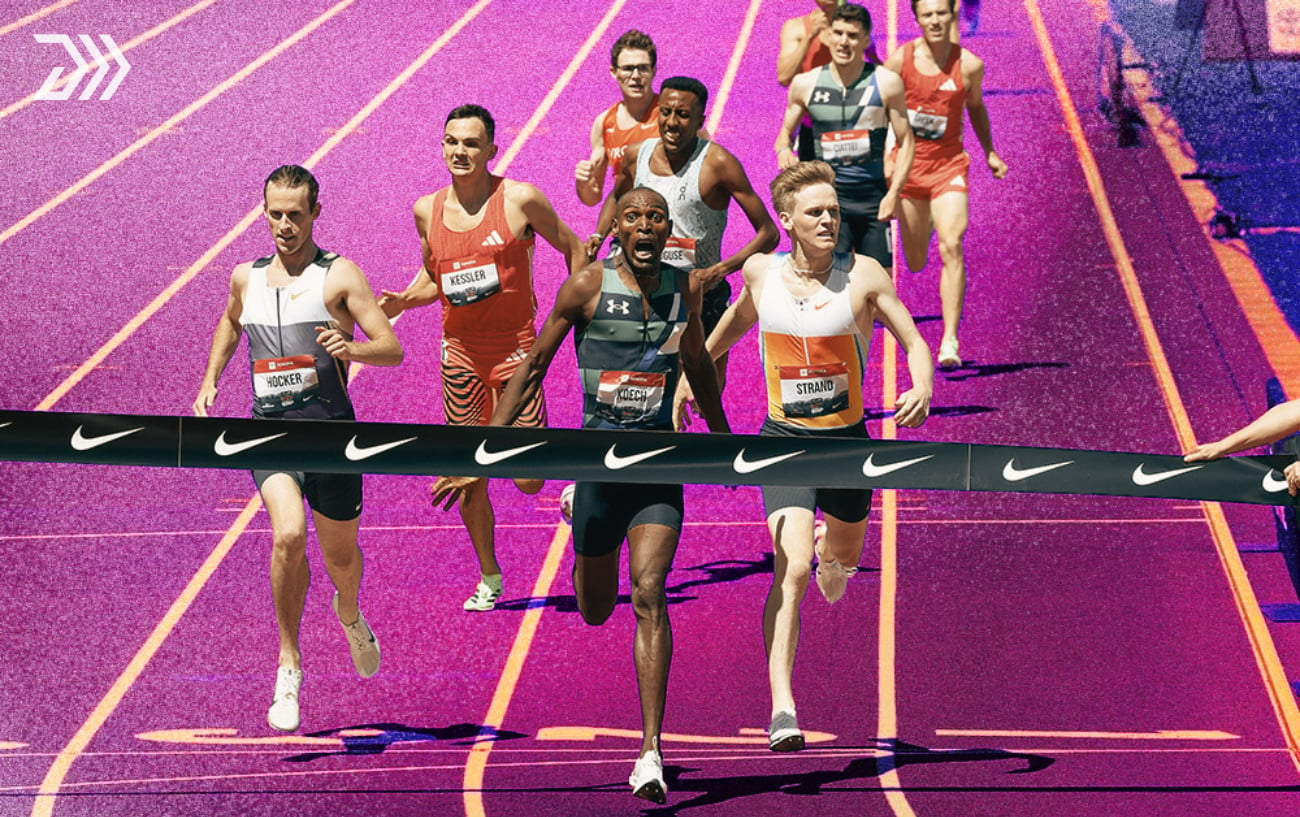
The disqualification reorders the top of that U.S. final. Koech won in 3:30.17, a championship record, ahead of Ethan Strand (3:30.25) and Cole Hocker (3:30.37), the reigning Olympic 1,500m champion, with Yared Nuguse, the Olympic bronze medalist, fifth. Strand moves up to the national title, Hocker to second, and Kessler, fourth in 3:31.12, to third. Only the top three finishers made the Tokyo team. The reshuffle gives Kessler the bronze on paper. It does not give him back the World Championships start he missed by one place.
Koech’s win had been a surprise. He was born in Kenya, ran in college at UTEP and then Texas Tech, and became a U.S. citizen in 2019. World Athletics cleared him to compete internationally for the United States in June 2021. He ran for the World Class Athlete Program, the elite-athlete unit of the U.S. Army. A converted 800m runner, he took the national 1,500m crown in his first full season at the distance. His breakout had come earlier that year, with a win at the Rabat Diamond League 1,500m in 3:31.43 in May and an 800m best of 1:43.32. Because the disqualification starts only on July 30, those two marks survive.
Tokyo was his last race. His suspension runs through July 16, 2029, when he will be 32.
RunClub
Get more running stories — join RunClub
Daily running news, a community of 300,000+ runners, free training plans for every distance, and a daily running game. Free to join — no card.
Already a member? Log in →




Start the conversation