


Among the questions Josh Kerr answered on Reddit on Monday was how far he could get on a single square sausage and a can of Irn-Bru. A marathon, he reckons, in “maybe 2:40 or something close,” downing the Irn-Bru beforehand so it would not fizz up on the run and keeping the sausage in his pocket for later. BBC Sport hosted the Ask Me Anything on r/trackandfield, and Kerr, who broke the mile world record in July, also took on the questions fans most wanted answered.
I’m Josh Kerr. Ask Me Anything!
by u/BBCSport in trackandfield
Jakob Ingebrigtsen
Kerr was blunt about Jakob Ingebrigtsen, saying he “wouldn’t say we’re buddies.” He thinks rivalries are good for the sport, and pointed out that the two of them are rarely more than a few seconds past the finish line before someone puts a microphone in front of them. “It’s very difficult to bridge that gap between being the competitive athlete on the track and the human being off the track,” he said. “So there’s definitely some stuff going on with that one.”
Ingebrigtsen was fourth at the Diamond League final in Brussels, where he turned on the field over a pacemaker who trains with Cole Hocker. He later apologized for calling his rivals losers but stood by what he said about Hocker’s team.
How He Built the Mile Record
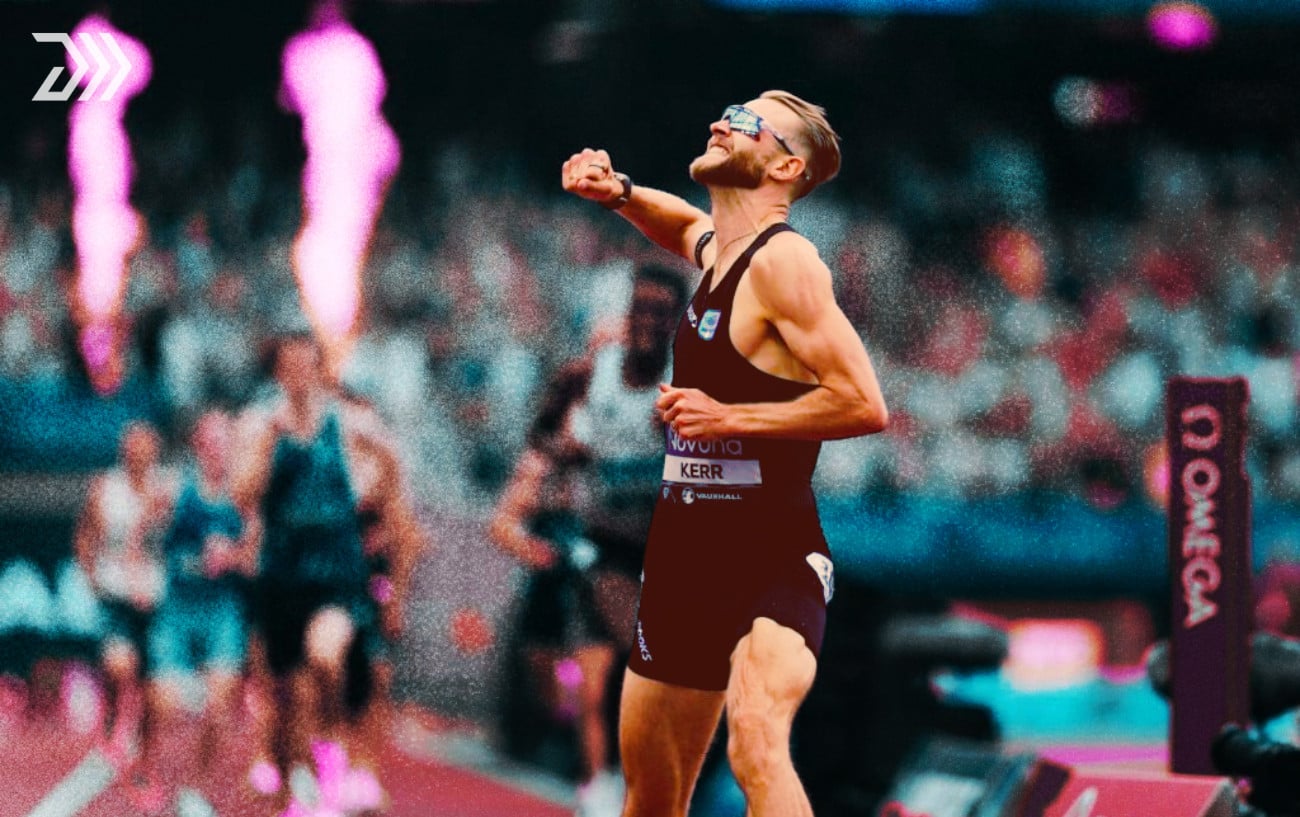
The workout Kerr named as his hardest of the build to his 3:42.66 in London was a set of 600m and 400m repeats totaling about 4,000m, every one of them at 55 seconds per lap. The idea was to make that speed feel normal while keeping lactate under control. A whole mile at 55-second laps would be 3:41.3, and on record day he averaged 55.3 per lap, so the race came out almost exactly at the rhythm he had been practicing.
Pitching the attempt to his sponsors and coaches was when he felt most sure of it. The doubt came later, during “a week or 10 days down after the World Championships before building things back up.” In Kerr’s experience a runner is most likely to get hurt while ramping back up, which is why he avoids stopping completely. His usual break is 10 days completely off, then about a week of easy runs on alternate days. This year he skipped the rest altogether and spent two weeks jogging for 15 or 20 minutes every other day.
One fan wrote in about freezing up on start lines and feeling like a letdown to their coach. Kerr told them nerves are universal, and that he has watched athletes throw up and cry while waiting to be called to the track at major championships. On record day he only thought about the next thing in front of him, from breakfast to the warmup to his introduction. “We lily-padded our way through the day,” he said.

Paris and the 1,500m Record
“I have no regrets,” Kerr said of the Paris 1,500m final, which Hocker won in an Olympic record of 3:27.65. Kerr’s silver came in a British record of 3:27.79, just a hundredth of a second ahead of Yared Nuguse, with Ingebrigtsen fourth. He called it the best 1,500m he has run, and the one change he could think of was the start: “If I went back, maybe being a little less aggressive out of the gates would have helped.” His focus now is the 2028 Games in Los Angeles.
Kerr would not be drawn on Hicham El Guerrouj’s 1,500m world record of 3:26.00, which has stood since 1998. Big goals stay in the background during winter training, he said, and he wants to “earn those conversations come January” with his coaches. The World Championships in Beijing and the European Indoors are both on next year’s calendar.
Advice for Everyday Runners
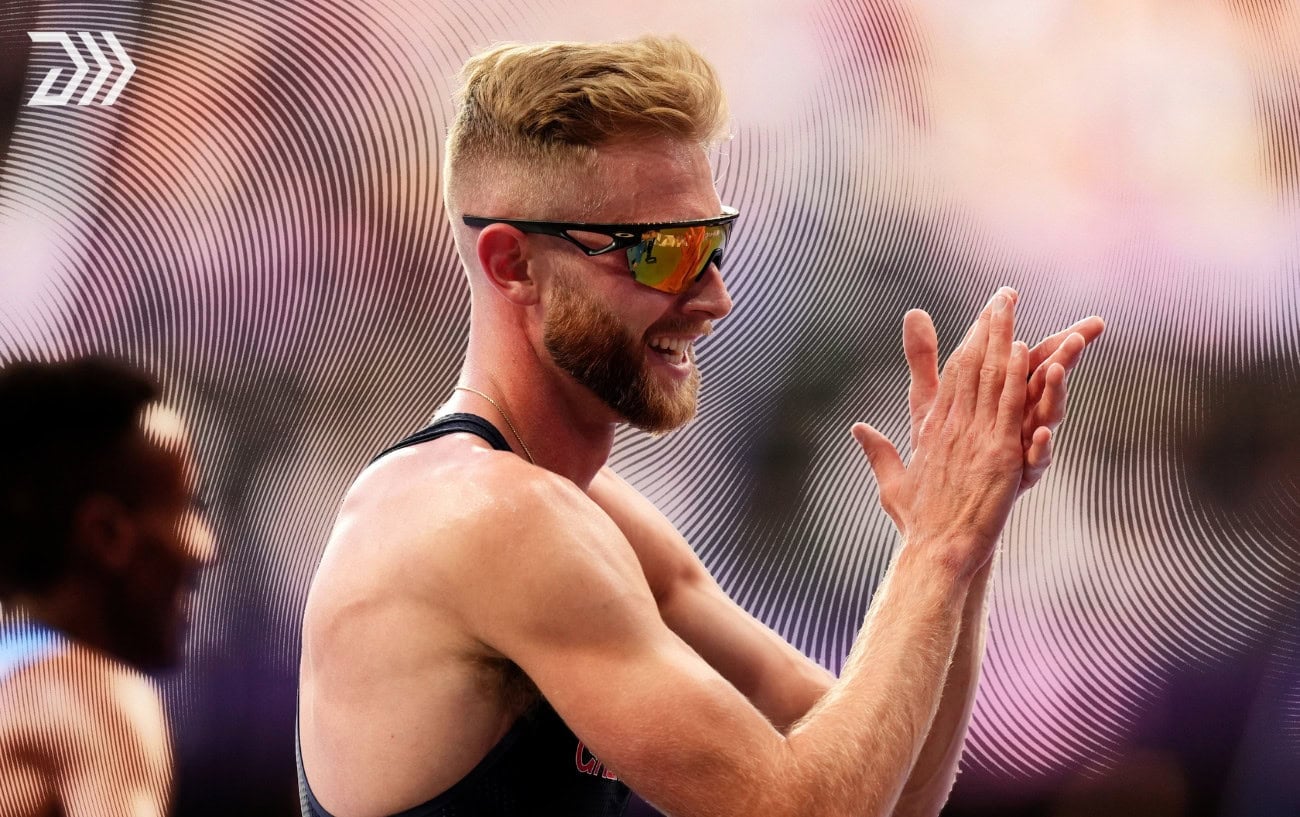
Kerr sees a lot of running trends as marketing, and hydration vests were the example he chose. “I’d say that if you’re running less than 12 miles, you probably don’t need to bring water bottles with you,” he said, adding that city runners can always buy a bottle if they get desperate, and he is all for gels and fueling. The habit from the professional world he would most like amateurs to pick up is shoe rotation, with a sturdy trainer for most runs instead of carbon racers every day, and some strength training without shoes on so the feet are not always propped up by thick foam.
The Marathon
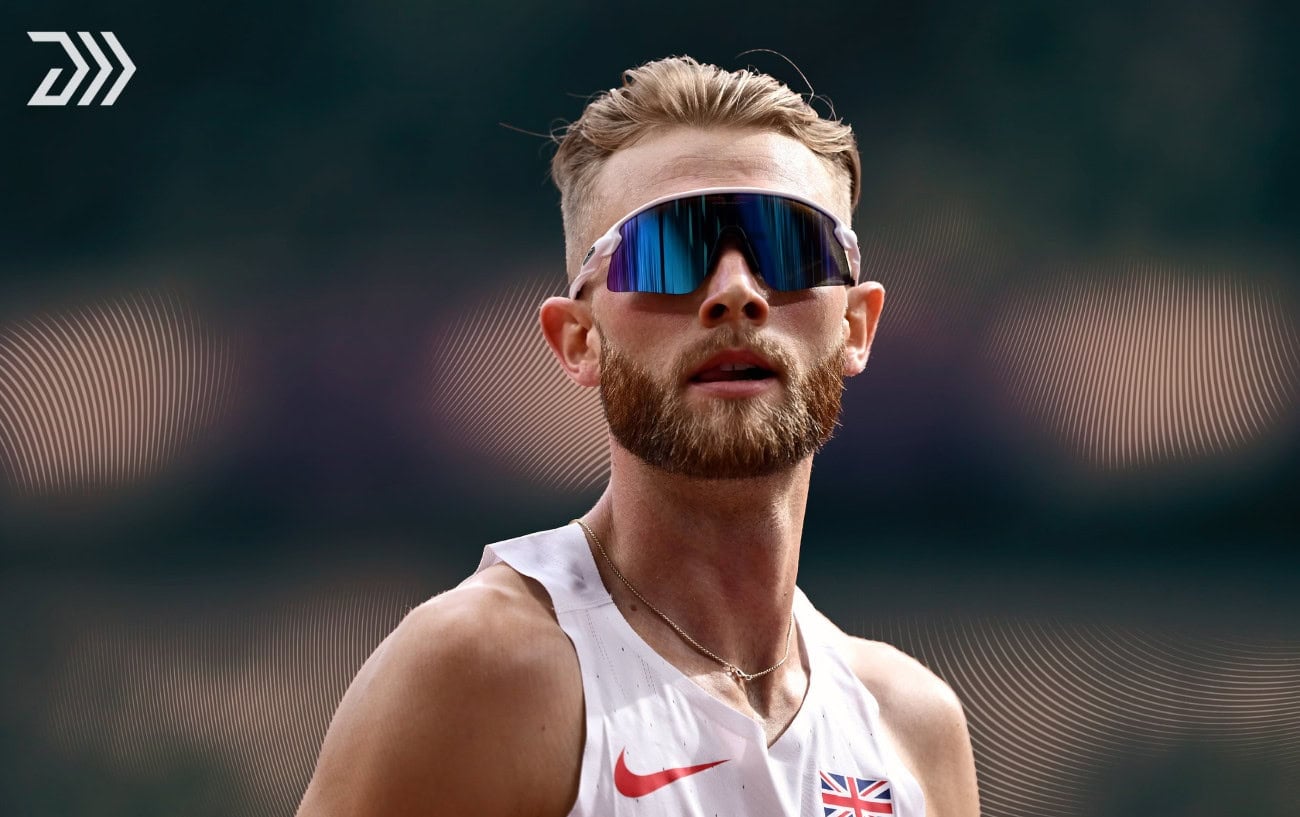
Andreas Almgren won the New York City Marathon in 2:06:01 on his debut this month, six weeks after setting a European half-marathon record of 58:06. Kerr thinks it is no accident that so many top marathoners started on the track, where turnover and economy get drilled in early. “In any race, whether it’s 100 metres or a marathon, if you can’t sprint, you’re not going to win these races,” he said. He expects a good few more seasons at 1,500m first, and after that the roads, a plan that lines up with what he said in April when he named winning a World Major as a goal.
RunClub
Get more running stories — join RunClub
Daily running news, a community of 300,000+ runners, free training plans for every distance, and a daily running game. Free to join — no card.
Already a member? Log in →






Start the conversation