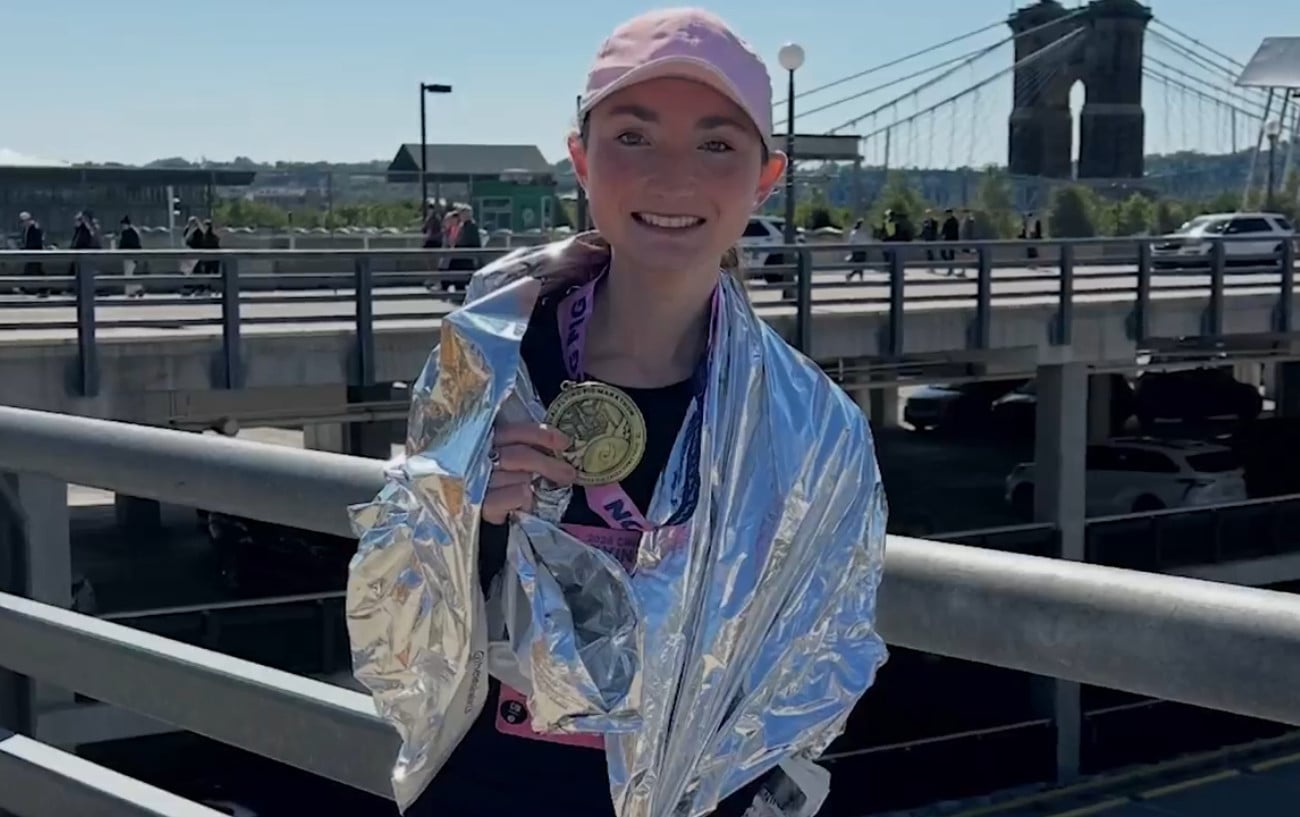
Megan Boxall finished her 200th marathon on Saturday morning, jogging onto Sizewell beach in Suffolk to become the fastest woman to run the entire coastline of Britain. She had been running for 204 days. Minutes later she lined up at the start of the local parkrun, the same 5km course where her trip began on 18 October.
“It’s been the most incredible morning, I cannot really believe I’ve done it,” Boxall, 33, told the BBC. “It feels so nice to be back home in Suffolk, and I’m quite overwhelmed, but I’m feeling good. It was phenomenal, and I loved it.”
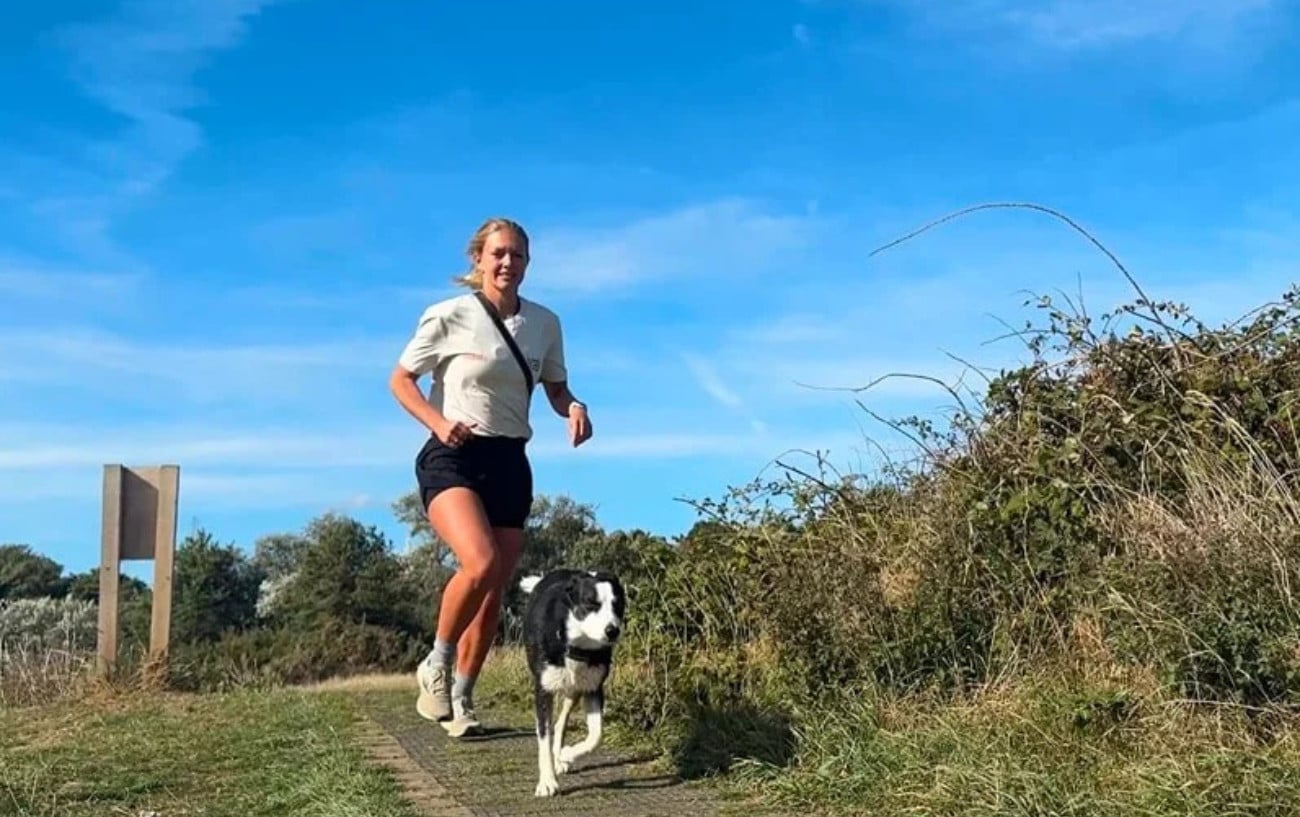
Her 5,240-mile loop around England, Scotland and Wales knocks 97 days off the previous record, set by Elise Downing in 2016. The average works out to 26.2 miles a day, though her longest day stretched to 35.4 miles around the inner Firth of Forth, and her shortest, cut short by weather, was 10 miles. Guinness World Records does not recognise the title because the route varies from runner to runner.
Boxall, a financial journalist from Thorpeness, was diagnosed with relapsing-remitting multiple sclerosis in 2024 after two flare-ups. She lost vision in one eye during the first and feeling in her hands and feet during the second. The same year she ended up in psychiatric crisis care following several suicide attempts, and called the Samaritans five times.
She told The Times she wanted the run to push other people to talk. “The main thing I really wanted to do with this was talk about the importance of reaching out if you are struggling with your mental health. That was how I really got into such a state because I just didn’t talk. Mental illness wants to isolate you.”
The project was inspired by her late uncle Tom Isaacs, who walked the British coast after his Parkinson’s diagnosis.
A typical day started at 6am with as much breakfast as she could manage and ended around 3pm. Boxall ran a half marathon, broke for food, then ran another 13 miles. Across the 204 days she clocked roughly 1,000 hours of running, 8 million steps, and 83,600 metres of climbing. Her fastest marathon on the route was 4 hours 20 minutes. She picked up around 30 blisters and tried to eat 4,500 calories a day, though she didn’t always manage it. At one point she ran 50 marathon days in a row.
Scotland in winter was the hardest stretch. Wind chill temperatures hit minus 15 in Stranraer and gusts of 60 to 70mph battered her near John O’Groats. “The weather in the winter was really hard, and there were some quite big chunks that were incredibly windy, cold and lonely,” she said. “But that’s all forgotten now.”
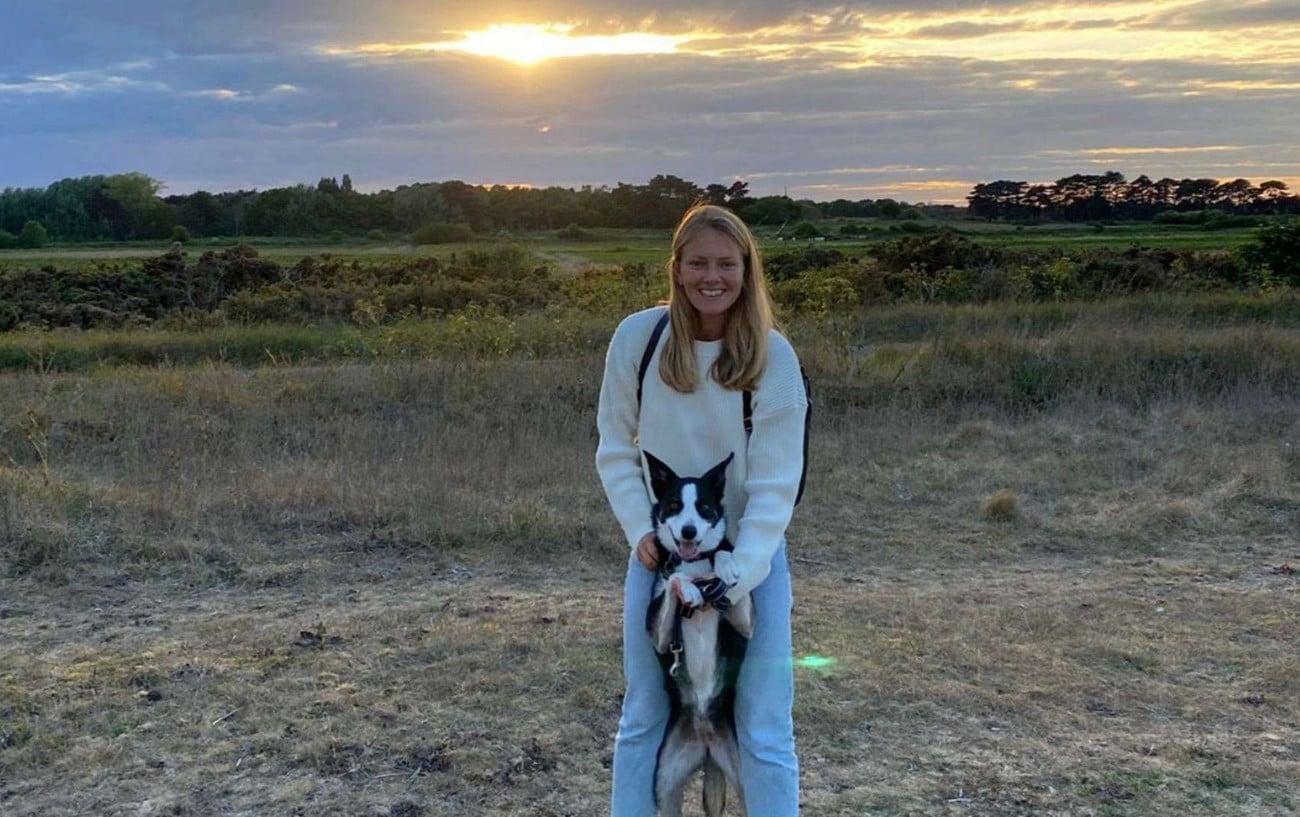
About 50 strangers offered her a bed along the way. Her sister ran part of the final stretch, and her dog Shadow joined her for sections of the route. In Cornwall a local runner kept her company every single day for 15 days. “We really do have so much to celebrate in Britain,” she said.
Boxall already has her next goal lined up. This autumn she plans to attempt the world record for the fastest marathon run by a woman with MS, currently 3 hours 12 minutes. Her personal best is 3:29, set at the London Marathon last year.
“I’m sure this sort of adventure is going to be a part of my life forever,” she said, “or as long as my body will let it be.”