After more than a decade on the shelf, the Presidential Fitness Test is officially making a comeback.
On Thursday, President Donald Trump signed an executive order reviving the school-based physical assessment program that once struck equal parts excitement and dread into generations of American kids.
The rebooted initiative, part of a broader push to “Make America Healthy Again,” will be administered by Health and Human Services Secretary Robert F. Kennedy Jr. and backed by a roster of professional athletes, including golfer Bryson DeChambeau and NFL Hall of Famer Lawrence Taylor.
ARE YOU READY… TO MAKE AMERICA FIT AGAIN
— The White House (@WhiteHouse) July 31, 2025
WHITE HOUSE X @TRIPLEH 🔥 pic.twitter.com/2sBFWok5ZF
At the White House signing ceremony, Trump declared the test’s return as a “wonderful tradition” aimed at rebuilding a culture of discipline and excellence in public schools. The original program, first launched under President Eisenhower in the 1950s, was a Cold War-era effort to measure physical readiness in youth.
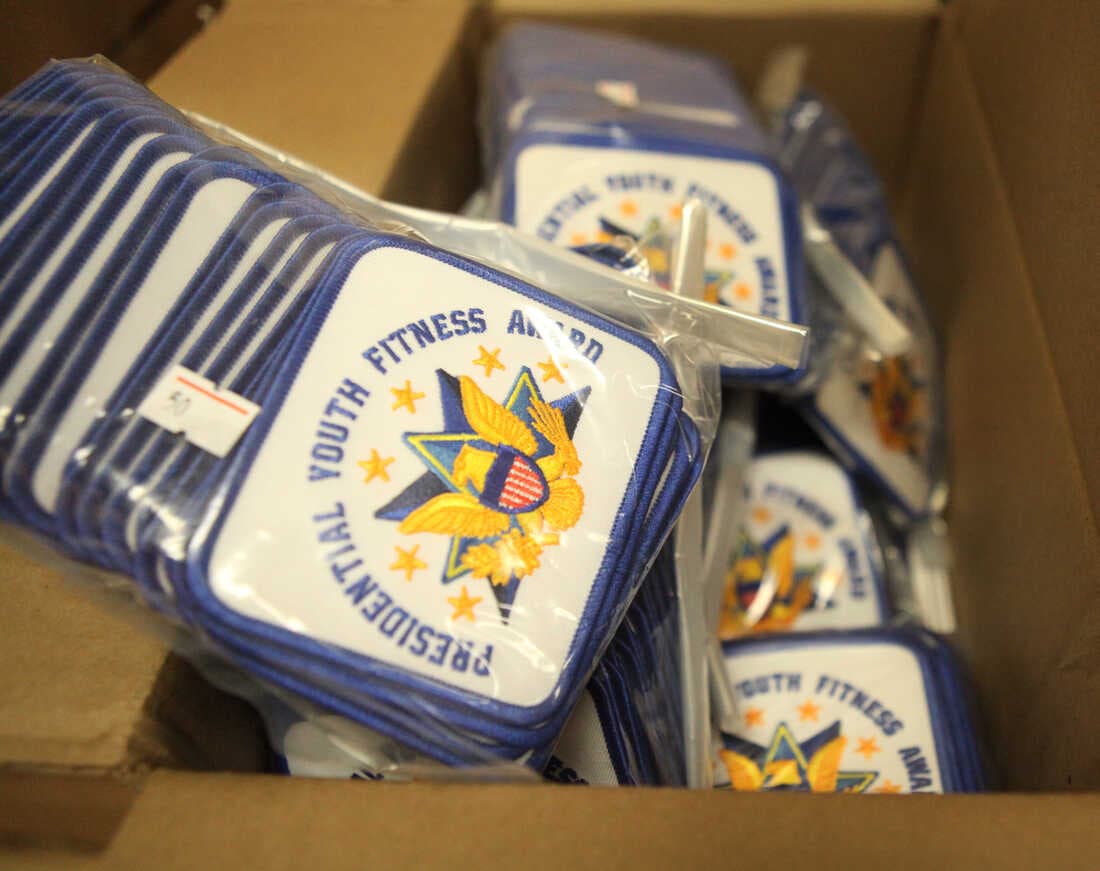
It typically included a one-mile run, sit-ups, pull-ups, push-ups, and the infamous sit-and-reach flexibility test. Top-performing students received the Presidential Physical Fitness Award, a source of pride for some, and trauma for others.
Now, Trump wants to bring that competitive edge back.
“From the late 1950s until 2013, students all across our country competed in the Presidential Fitness Test, and it was a big deal,” Trump said. “We’re bringing it back.”
New Era, Same Benchmarks
The move is being framed as a response to what the administration calls a national health crisis, citing surging rates of childhood obesity and declining physical activity.
According to Trump officials, the program is designed to promote stronger physical education standards in public schools, and, not incidentally, to emphasize traits like strength, competition, and discipline.
Kennedy, who has long been outspoken on public health issues and childhood wellness, called the test’s revival “a return to pride in fitness.” He’s tasked with rolling out updated award criteria and helping states implement new school-based programs that reward physical achievement. The Presidential Fitness Award, historically given to the top 15% of student performers, is being reintroduced.
Whether the new version will adjust for things like age, gender, or ability hasn’t been clarified. The original test, phased out by the Obama administration in 2013, had drawn criticism for favoring athletic kids and discouraging others.
It was replaced by the more inclusive Presidential Youth Fitness Program, which focused on individual progress and general health rather than raw performance.

A Cast of Trump-Adjacent Athletes
The rollout wasn’t short on spectacle. Trump surrounded himself with high-profile athletes and wrestling personalities who’ve shown public loyalty to him.
LIV Golf’s Bryson DeChambeau was tapped as chairman of the fitness council. Harrison Butker, the Kansas City Chiefs kicker known as much for his controversial commencement speeches as his playoff field goals, was also there. So was Triple H (Paul Levesque), the WWE executive and former champion, and Swedish golf icon Annika Sörenstam.
Notably absent were athletes from track and field or endurance sports, despite the fact that running a mile is still part of the test.
Still, the message was clear, this version of the test is about more than just fitness. It’s about cultural identity. The event’s “us vs. them” overtones, traditional values versus progressive trends, matched Trump’s ongoing efforts to reshape how Americans talk about gender in sports, school curricula, and national pride.
And for a president who reportedly once said that exercise “uses up the body’s finite energy supply” (The New Yorker, 2017), it’s an ironic turn. Now he’s positioning competitive youth fitness as a key legacy item in his second term, just ahead of the 2025 Ryder Cup, 2026 FIFA World Cup, and the 2028 Summer Olympics — all of which will take place on U.S. soil under his watch.
“We’ll have the chance to showcase our nation’s athletic dominance on the world stage,” Trump said Thursday. “This council will play an important role in shaping that future.”
A Return to the Mile
For runners of a certain generation, the mile-run portion of the Presidential Fitness Test is a core memory. Whether you crushed it or wheezed your way to the finish, it was often the most visible test of your fitness, and probably your identity, in school.
What’s unclear is how today’s kids, schools, and parents will respond to its return. Will it motivate? Intimidate? Inspire?
That’s where the running and endurance community may have something to contribute.
Programs like Girls on the Run, Marathon Kids, and school-based cross country already show how goal-setting, incremental fitness, and positive coaching can lead to lifelong habits. If the new test embraces that mindset rather than just rewarding the genetically gifted, it could be more than a throwback, it could be an opportunity.
But that’s a big “if.” For now, the mile is back. So are the push-ups.
Get ready.