


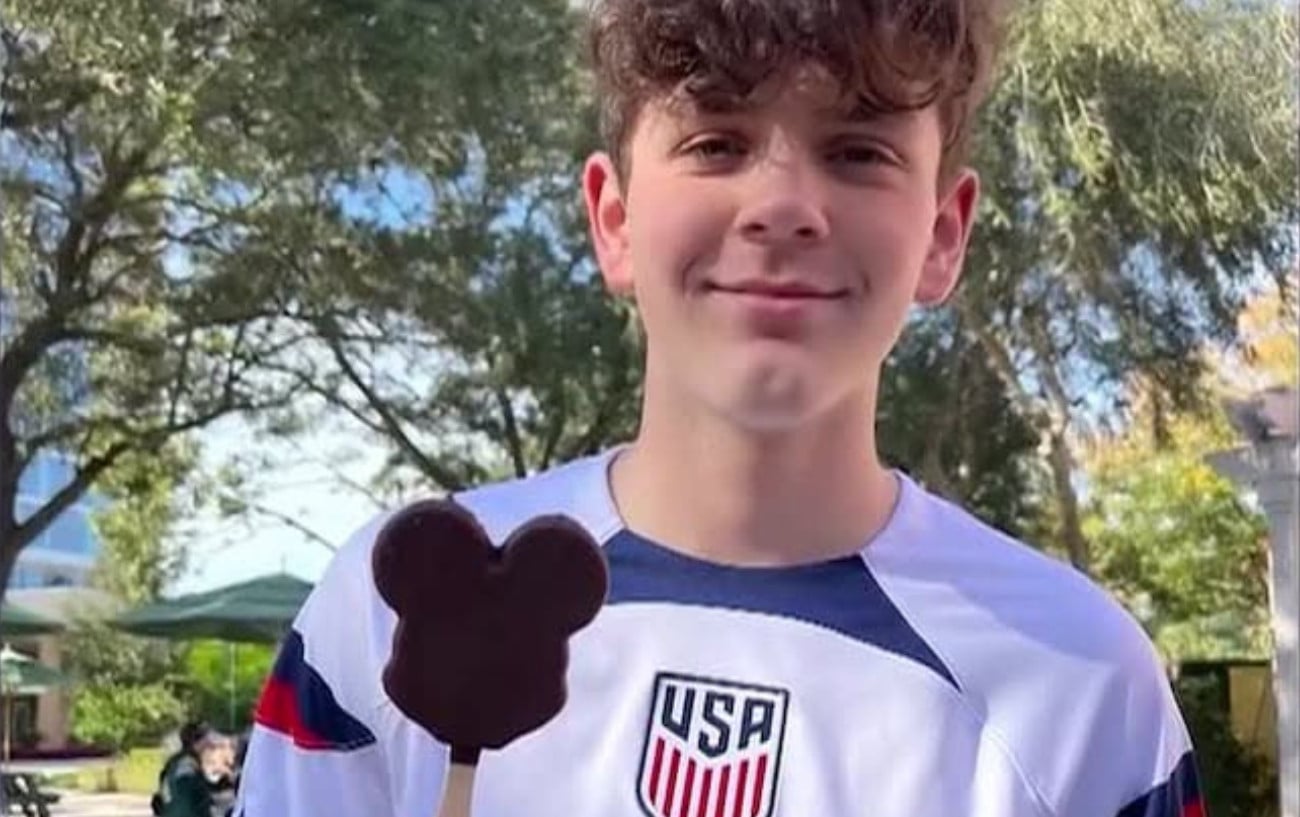
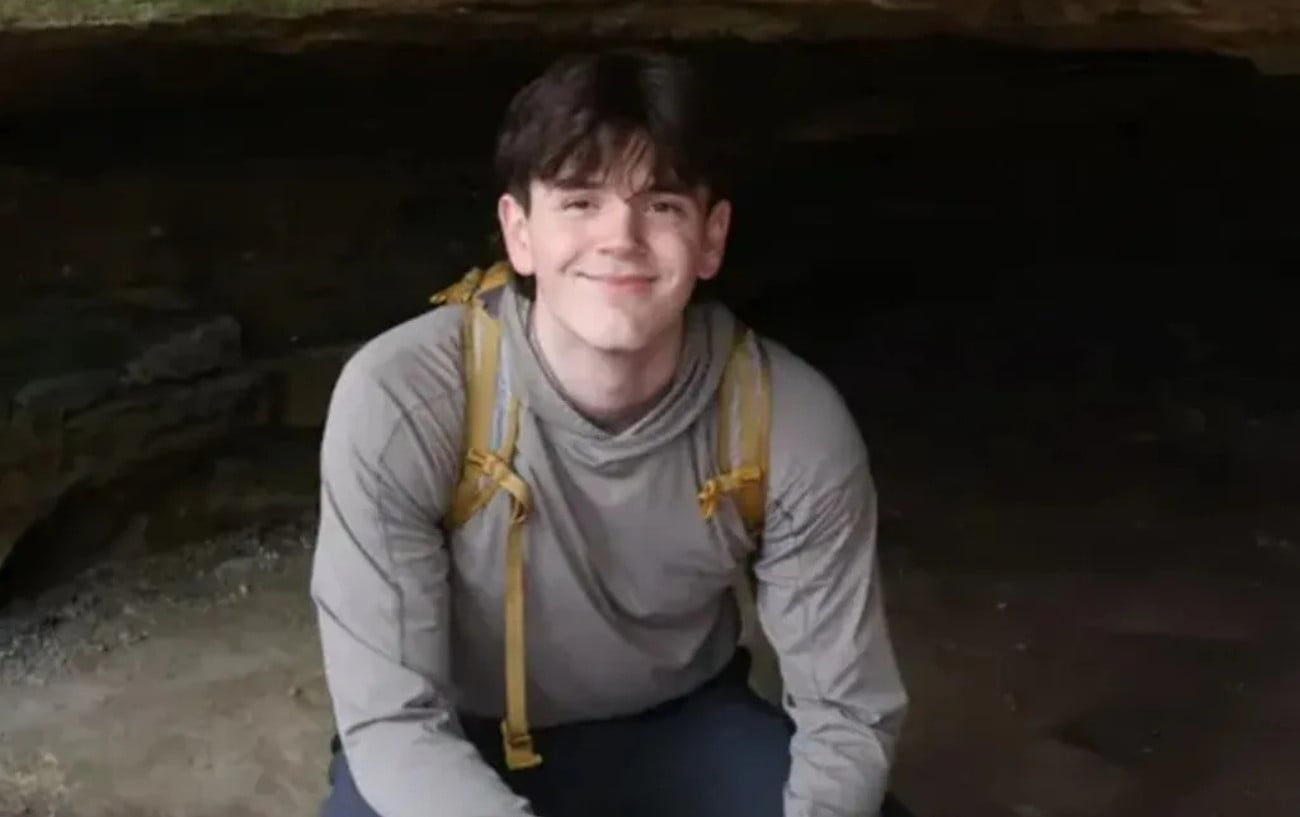
Matthew Jenkins, a 20-year-old training for the Chicago Marathon, was killed by lightning on an evening run in Celebration, Fla., on Sept. 8, the sixth lightning death recorded in Florida this year and the 15th in the United States.
Jenkins had moved down from Shelby Township, Mich., about a week earlier, for a place on the Disney College Program, the paid scheme Disney runs for college students at its Florida resort. His family told WFTV that he was an avid runner, that he was preparing for Chicago, and that he had taken to running around Celebration since arriving. Blake Jahn, who ran cross country alongside him at school and stayed close to him for seven years, told ClickOrlando, the Orlando station that named Jenkins first, that he had gone out to run on the evening he died. “He cared so deeply for everyone around him,” Jahn said.
The Osceola County Sheriff’s Office said people nearby watched lightning come down behind a hotel on Bloom Street at around 6:30 p.m. Deputies who took the call found him unresponsive on the walking path that runs behind the building, with bystanders already giving him CPR. He was taken to AdventHealth Celebration and died there. The medical examiner ruled that he had been electrocuted by the strike and that the death was accidental.
Disney said in a statement to ClickOrlando: “We are deeply saddened by the passing of Matthew. He had just begun his Disney College Program journey and will always be remembered as part of our Disney community.”
Florida Leads the Country in Lightning Deaths
Florida loses more people to lightning than any other state, and 2026 has been heavy even by its standards. Six of the 15 lightning fatalities the National Weather Service has logged nationally this year happened there: an 18-year-old kayaking on a river in May, a 51-year-old in the water at a beach in July, a 31-year-old woman and a two-year-old girl struck on a sidewalk on the same August day, a 41-year-old on a jet ski three days after that, and Jenkins. The federal list records his activity as walking.
Sport accounts for only a small slice of lightning deaths, and running is third on that list. John Jensenius of the National Lightning Safety Council, whose analysis the Weather Service publishes, looked at the 418 people killed by lightning in the United States between 2006 and 2019. Among the deaths that happened during sport, soccer came first at 34 percent, golf second at 29 percent and running third at 23 percent. In raw numbers, soccer accounted for 12 and golf for 10.
The Weather Service calls central Florida the lightning capital of the United States. Its Melbourne office counts 80 to 90 thunderstorm days a year in the interior around Orlando, and 90 to 100 on the west coast of the peninsula. Strikes have been recorded as far as 10 miles from any falling rain, and occasionally further, which is why a storm that still looks distant can already be within range.
The guidance is to stop at the first rumble, get behind solid walls and a roof or into a car, and stay put until half an hour has passed since the last thunder. A roof on its own is not protection: an open garage, a picnic pavilion or a tree all leave a runner exposed. Advice about running in the rain stops applying the moment thunder is audible. Running safety guidance for a Florida September is otherwise mostly about heat and humidity, both of which push sessions toward the early morning and the evening.
Races in the area work to a formal version of that rule. In January 2024, runDisney cut the Walt Disney World Half Marathon from 13.1 miles to a little over seven and moved the start 15 minutes earlier, to get runners off the course before the forecast lightning arrived. Its standing policy warns entrants that a race “may have a delayed start or, depending on the intensity of the weather, be cancelled” if there is lightning around, and that anyone ordered to stop by race officials, medical staff or a government authority has to do so immediately.
RunClub
Get more running stories — join RunClub
Daily running news, a community of 300,000+ runners, free training plans for every distance, and a daily running game. Free to join — no card.
Already a member? Log in →




Start the conversation