


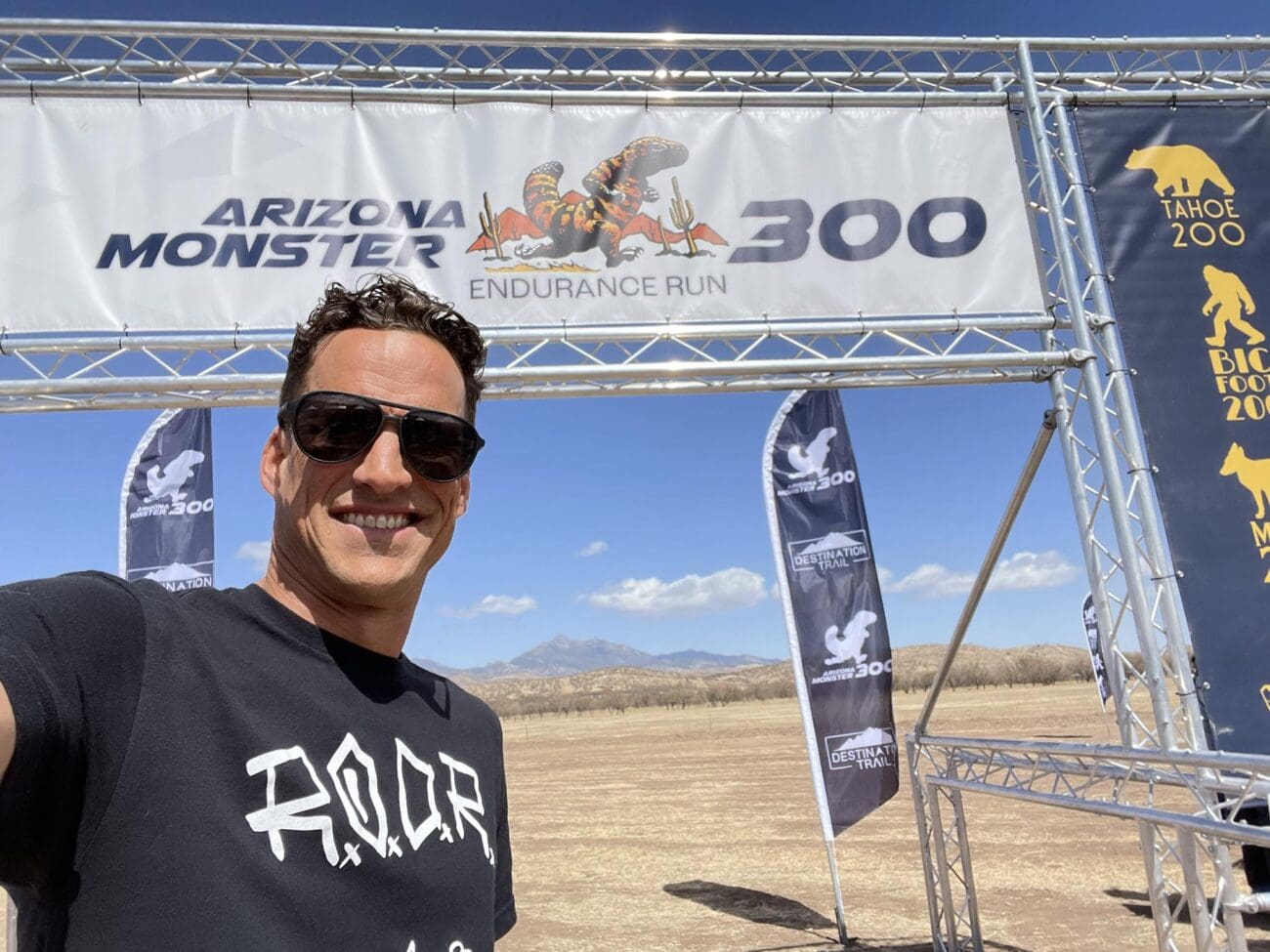
The Arizona Monster 300 had the makings of a bold new chapter in ultrarunning.
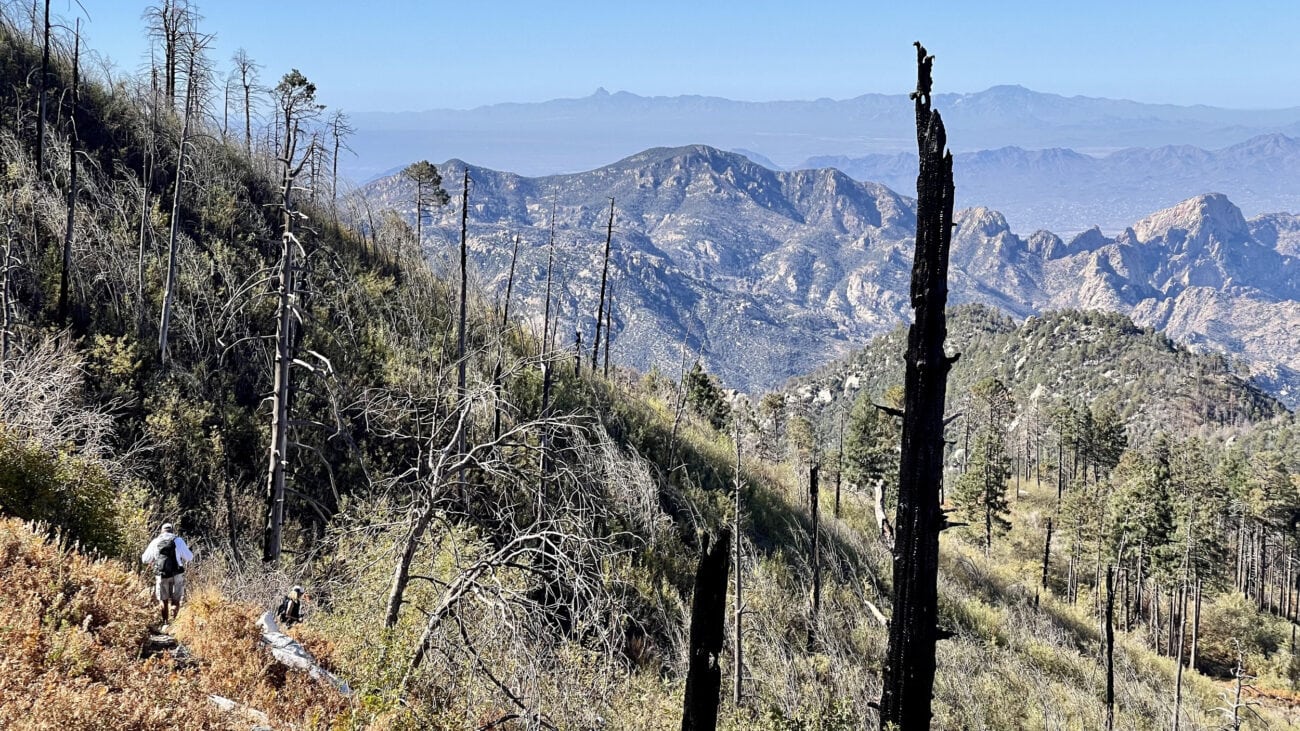
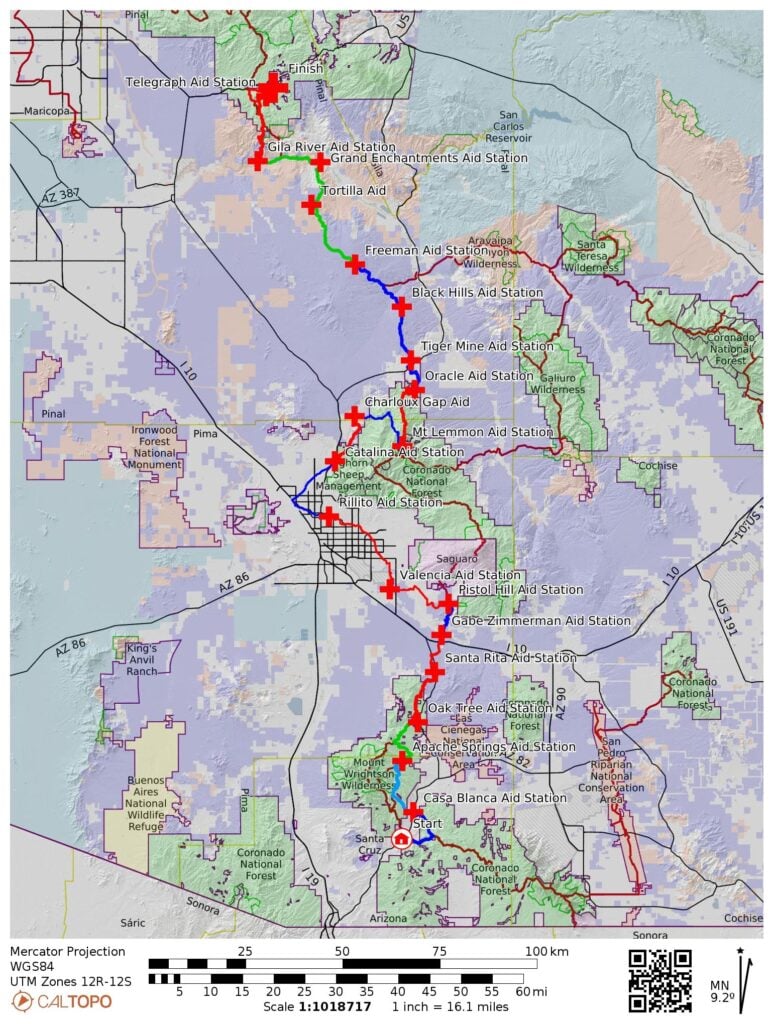
A 300-mile race through some of the most challenging terrain Arizona has to offer, with sky island climbs, desert heat, and remote trails. Billed by Destination Trail (DT)—the company behind races like Moab 240 and Tahoe 200—it promised runners a brutal but unforgettable challenge.
Instead, what many participants and volunteers experienced was a logistical failure that left runners scrambling for food and water, course markings missing, and a growing list of complaints echoing across the ultrarunning world.
“Pretty much everyone got lost in the first hour,” one commenter said bluntly. “Andy Glaze got lost twice—and he’s a pro at this.”
Aid Stations Running on Empty
One of the first major concerns reported was the state of the aid stations.
Runners posted about arriving to find food tables stripped bare, popular supplies gone, and water being rationed.
Some volunteers noted they were short-staffed and undersupplied. For a race that costs over $2,000 to enter, the expectations were higher—much higher.
“At Oracle Aid Station we had chips, Oreos, gummies, and soda,” one runner wrote. “But that was about it. We’re used to seeing PB&Js, wraps, potatoes—hot food laid out and ready. Here, it felt like the expectation was for runners to bring most of their own stuff.”
Another runner said they climbed 6,500 feet up Mt. Lemmon only to be greeted with “zero hot food” and coffee in what amounted to mouthwash cups. “Aid station said it would be 1.5 hours till they got food. Water was also being rationed.”
Volunteers Caught in the Crossfire
Behind the scenes, things weren’t faring much better for the volunteers.
Multiple posts described a chaotic lack of communication in the weeks leading up to the race. One volunteer said they never received a shift schedule. Another said they didn’t even get confirmation they were assigned until race week.
“I left at 4am because I had to work the next day,” one aid station worker wrote. “I don’t know if they expected us to be there for two and a half days straight. And we were cooking hot food all night with barely any supplies.”
In some cases, volunteers brought their own gear just to make the aid stations usable—solar chargers, chairs, espresso machines, even dietary-specific food. “There was no way to safely prep vegan or gluten-free food,” a volunteer said. “I just used my own supplies.”
Confusing Course Markings and Getting Lost Early
Runners getting lost in the early miles isn’t totally unheard of in ultras, but the scale of the issue here raised eyebrows.
Several reports said the course markings were sparse, placed too early, or possibly removed by others before race day. On sections of urban bike path, runners reportedly couldn’t figure out where to cross or which direction to go.
“They marked it two weeks before the race,” one commenter noted. “Of course stuff got removed or washed away. And they were told not to overmark by park officials.”
While GPS files were required and useful, not everyone was comfortable relying solely on tech when sleep-deprived and physically wrecked. “Yes, everyone had a GPX file,” one person wrote. “But nobody wants to stare at their watch at mile 210.”
Leadership, or Lack Thereof
Candice Burt, the high-profile founder of Destination Trail, became a lightning rod for criticism during and after the race. Though she isn’t the official race director for these events (Garrett Froelich reportedly holds that title), Burt remains the public face—and many felt she was prioritizing social media over logistics.
“She was hiking alongside the top runners doing media interviews,” a pacer said. “Meanwhile the aid stations were out of food. I found it pretty irresponsible for the owner of the event to be miles from the nearest road while the rest of the field was struggling.”
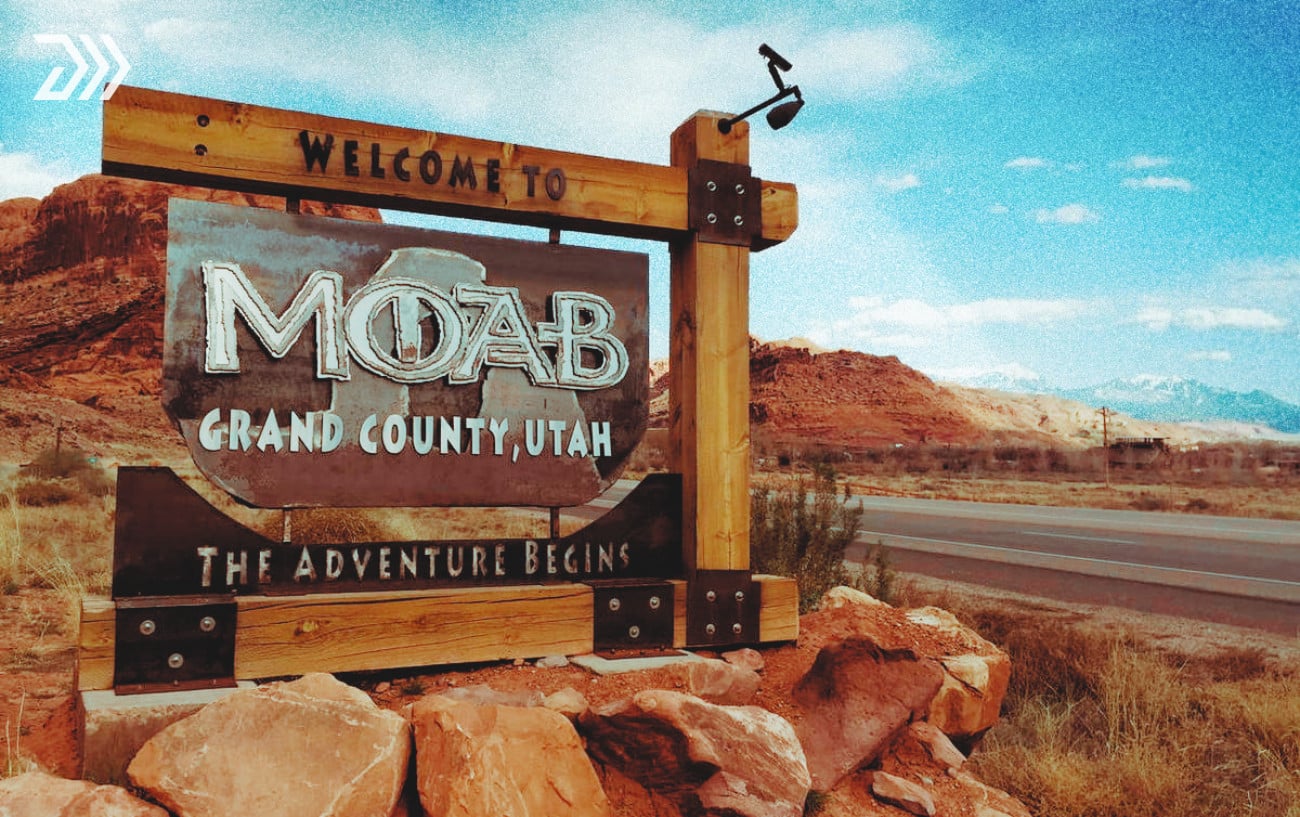
A former volunteer added, “This isn’t a one-off. At Moab one year, a remote water drop was empty in a 50-mile dry stretch, and they never fixed it. My friend ran out of water with 17 miles to go. That’s not bad luck—that’s bad planning.”
A Pattern Emerging
As the Reddit thread grew, more stories surfaced from past Destination Trail races.
Aid stations running out of ice and food. Runners being told they missed cutoffs with no warning. Drop bags being pulled in error. Communication breakdowns. And volunteers working 48-hour shifts without a thank you.
“It’s just an unfortunate trend with DT races,” one commenter summed up. “The volunteers are amazing, but the organization is lacking.”
Many contrasted these experiences with races by Aravaipa Running, which has built a reputation for tight logistics and solid support at events like Cocodona 250. “At Javelina, aid station captains rotate out every 4–6 hours to rest,” one user said. “Here, they expected us to go nonstop.”

Are Experience Requirements Needed?
Another layer to the chaos: many runners appeared wildly underprepared.
Volunteers reported talking to runners who had never done a 100-mile race, hadn’t trained on trails, or didn’t know how far they had to run each day to make cutoffs.
“I couldn’t believe how many people showed up without a clue,” a volunteer said. “Some had only trained on treadmills. One guy didn’t even know the distance between aid stations.”
This raises a broader question: Should races like this require qualifying races or proof of experience? In Europe and the UK, many long ultras do. But at the Arizona Monster, anyone with the entry fee could toe the line.
So Where Did the Money Go?
It’s hard to ignore the elephant in the room: the price.
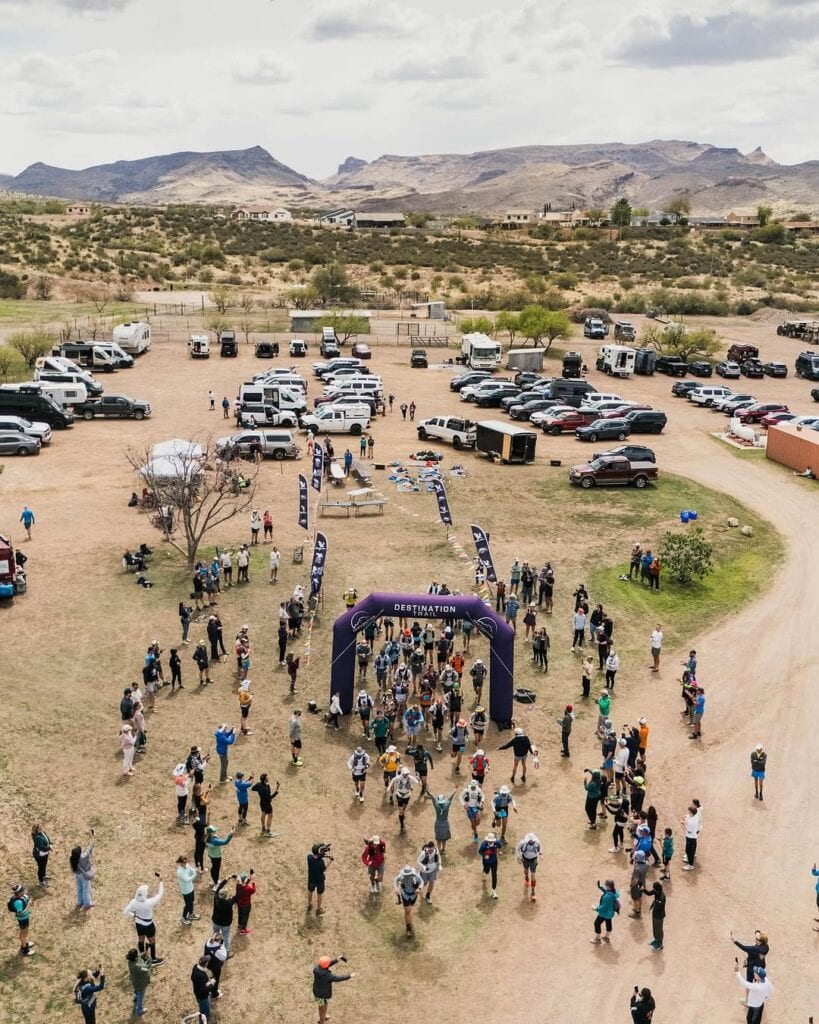
With 280 runners registered for the 300-miler alone, the race brought in an estimated $616,000 in fees—just from one event.
“The revenue from the four major 200s alone is over $1.8 million,” one volunteer estimated. “But the aid stations are stocked like a small-town 50k.”
Volunteers claimed they weren’t paid, not even in race credits or with a t-shirt. “All I got were a couple Oreos I snacked on at 2am,” one said.
Even if permitting and insurance costs are steep, several race directors chimed in to say those expenses are relatively minor—especially for public land. “We’re talking a couple thousand bucks per agency,” one RD noted. “Nowhere near what they’re bringing in.”
The Community is Losing Faith
There’s a sense that the ultrarunning community is growing weary.
Some have stopped signing up for DT races. Others are voicing regret, saying they feel misled or taken advantage of.
“She used to care,” wrote one long-time runner. “It’s like once the CEO title and Instagram clout came in, the soul of the races left.”
Another summed it up more bluntly: “If you’re charging two grand for a race, the bare minimum is food and water.”
With a growing number of credible alternatives—including Aravaipa’s events and more community-based ultras—it’s clear that runners are starting to vote with their feet.
RunClub
Get more running stories — join RunClub
Daily running news, a community of 300,000+ runners, free training plans for every distance, and a daily running game. Free to join — no card.
Already a member? Log in →









Start the conversation