


Runners who can hold hard paces behind a training partner but back off the same workout alone are not imagining the difference, and researchers have been documenting it for more than 125 years. The useful part for anyone who trains solo is what those studies found: most of the gap is perception, and perception responds to training.
The earliest evidence dates to 1898, when psychologist Norman Triplett combed through a season of American cycling records and found that riders in paced and competitive races went faster than riders racing alone against the clock. His follow-up experiment, often called the first study in social psychology, found the same pattern in children winding fishing reels. Side by side, they simply worked harder.
Modern research has put firmer numbers on it. In a 2012 Michigan State University study published in the Annals of Behavioral Medicine, 58 women rode stationary bikes at a set intensity across six sessions. Those who exercised alone lasted 10.6 minutes on average. Those paired with a more capable partner shown on a screen, in a format where the session ended when either rider quit, lasted 21.89 minutes, more than twice as long. Researchers call this the Köhler effect. Nobody wants to be the one who stops first.
The Gap Is Mostly Perception
Here is the twist. That same year, researchers from the University of Cape Town and Northumbria University published a 5km time trial study in the International Journal of Sports Physiology and Performance. Eleven trained runners ran five 5km time trials, some alone and some with a second runner positioned ahead, behind, or alongside them. Finishing times, heart rate, and perceived exertion were statistically identical across every condition.
And yet 9 of the 11 runners said the trial felt easier with company. The second runner changed nothing the researchers could measure except the experience.
A pacer is not automatically a free ride, either. A study of 1600 meter runners found that athletes assigned a personalized pacesetter reported higher pre-run anxiety than runners left to pace themselves, with no improvement in finishing time, apparently because falling off a pacer is a visible failure in a way that easing off your own pace is not.
For a runner chasing a 5K goal, the takeaway from all three studies is the same. A partner is a real and legitimate tool, but the fitness is yours either way. What the partner mostly provides is a place to put your attention that is not the discomfort.
How To Build Solo Confidence
The most direct fix is learning to run by effort instead of chasing the watch. Runners who practice dialing in perceived effort develop an internal pacing sense that does the job a partner’s back usually does, and it holds up on race day when the plan falls apart.
Self-talk is the most tested mental tool. In a 2014 study published in Medicine and Science in Sports and Exercise, athletes who spent two weeks practicing motivational self-talk lasted 18 percent longer in a cycling test at fixed intensity and reported lower effort while doing it. The phrases were simple, along the lines of “feeling good” and “push through this.” A well-worn running mantra works the same way.
The rest is exposure. Schedule some quality sessions alone on purpose, the way you would schedule tempo work or hills, and treat holding pace solo as its own skill with its own progression. Breaking the workout into segments helps, since the brain negotiates one interval far more willingly than a whole session. Sports scientists who study endurance, including those whose work fills Alex Hutchinson’s book Endure, keep arriving at the same conclusion: the limits in these efforts are negotiable, and the negotiation improves with practice.
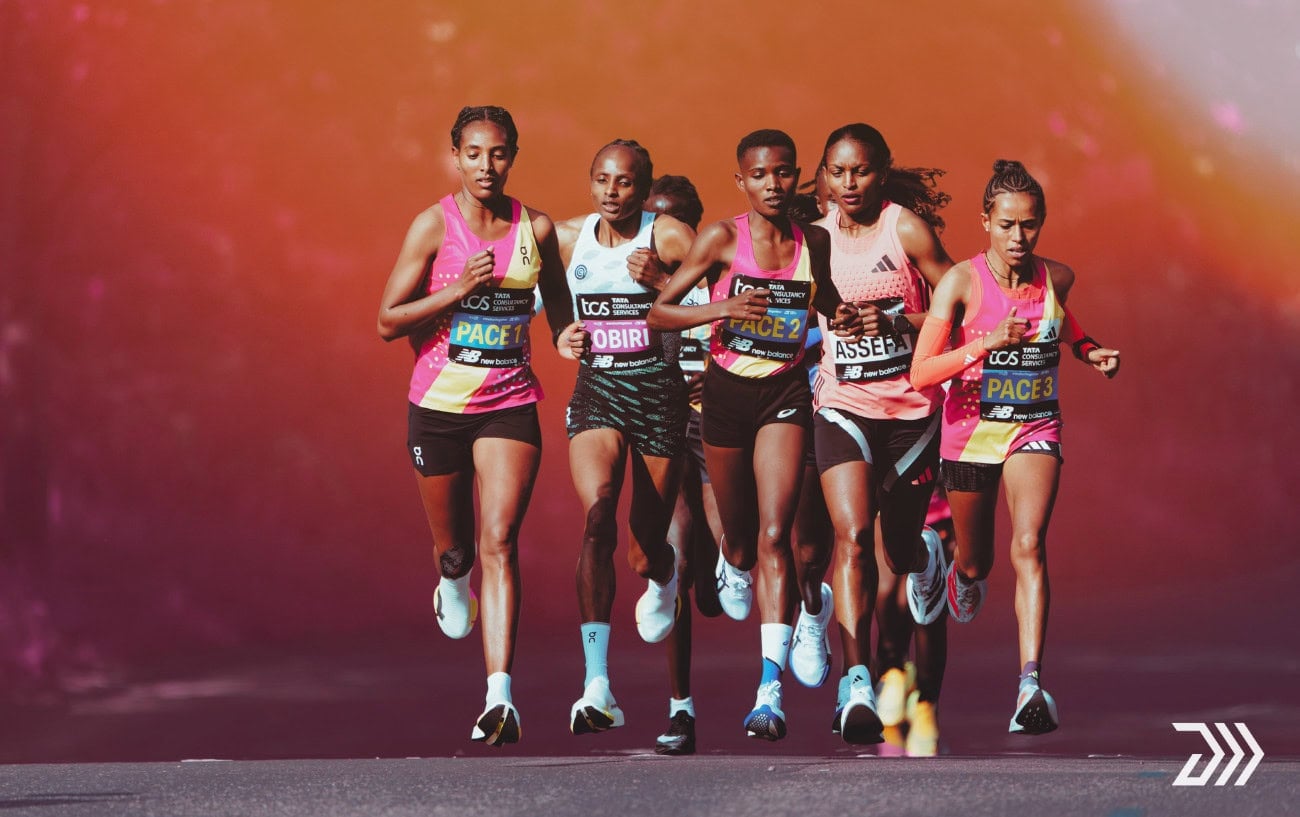
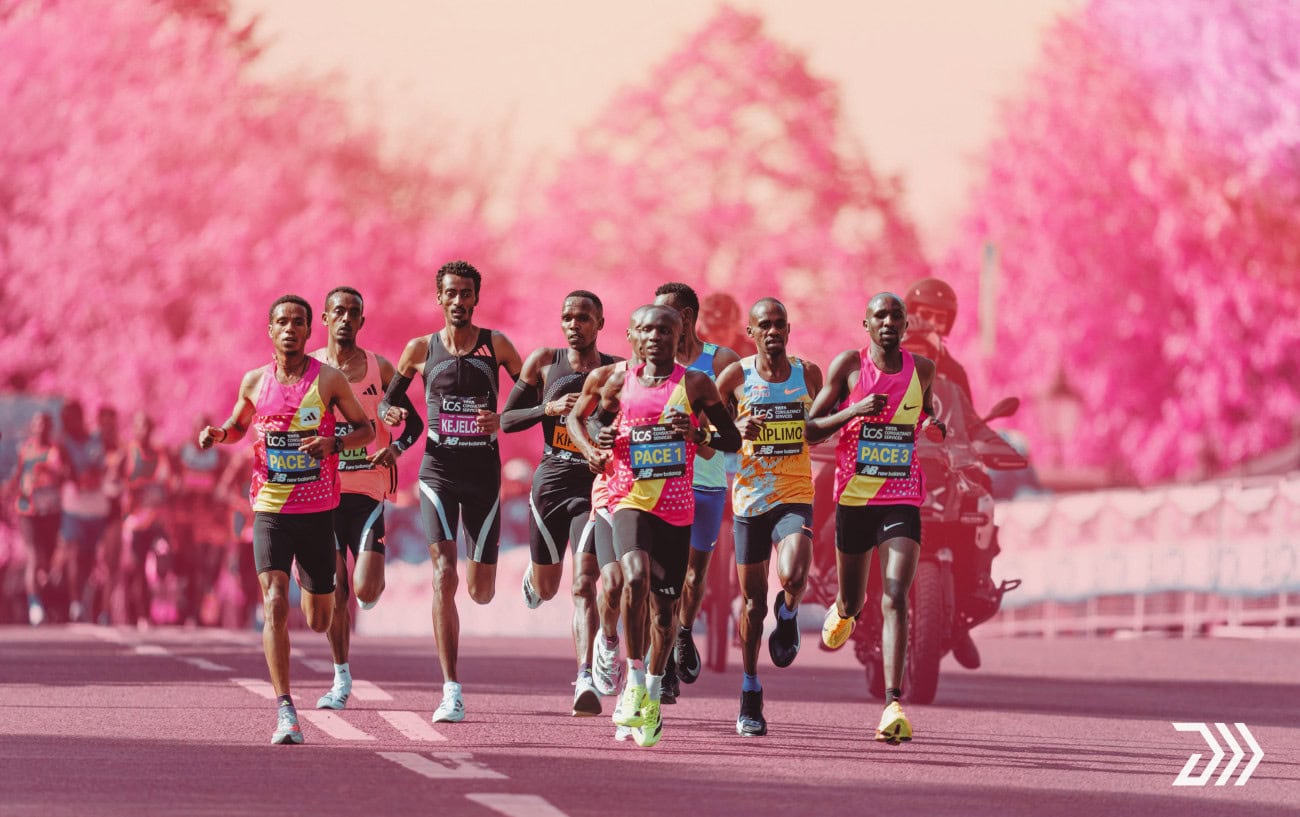
None of this means outgrowing partners. The effect never fully disappears, and even at the top of the sport nobody pretends it does. Most recent distance world records, from the track to the marathon, were set behind designated pacemakers. The skill worth building is running well after they step aside.
RunClub
Get more running stories — join RunClub
Daily running news, a community of 300,000+ runners, free training plans for every distance, and a daily running game. Free to join — no card.
Already a member? Log in →





Start the conversation