


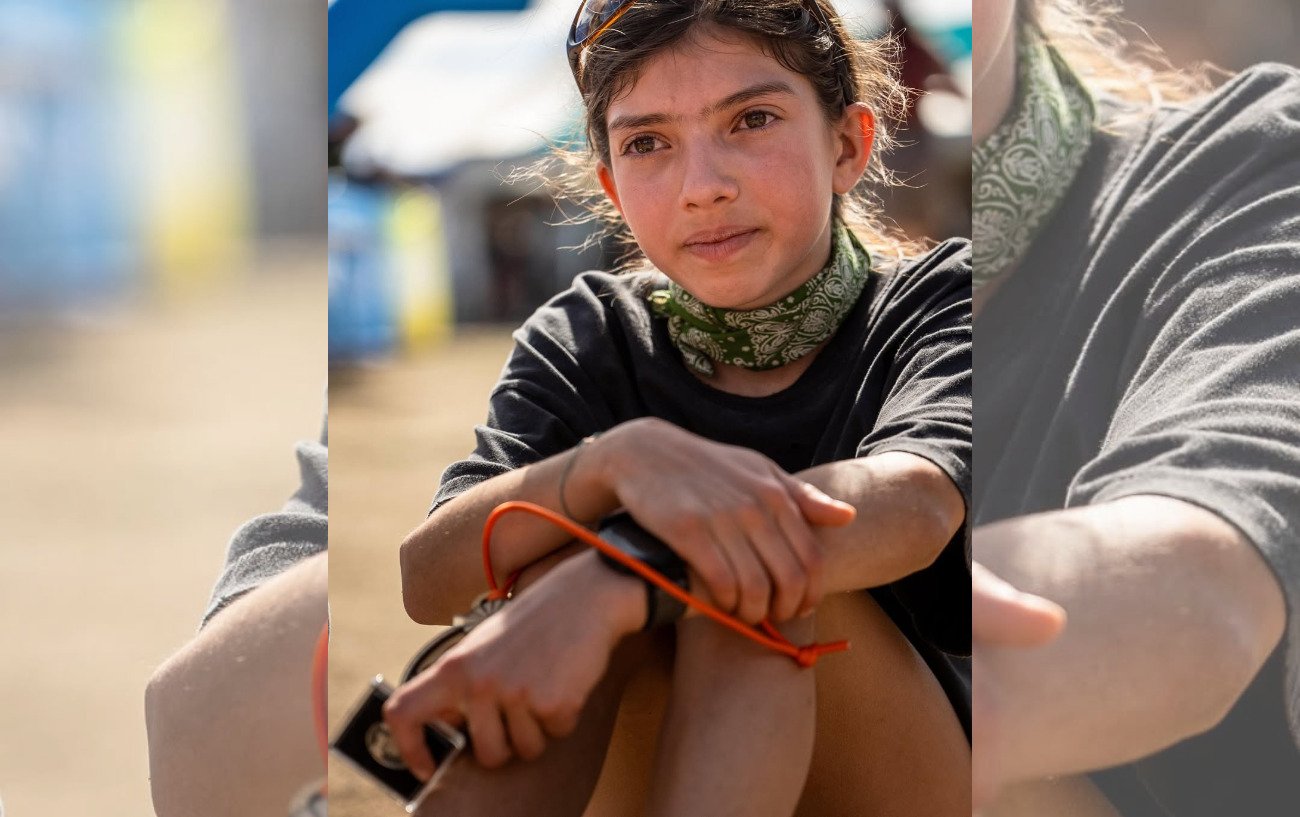
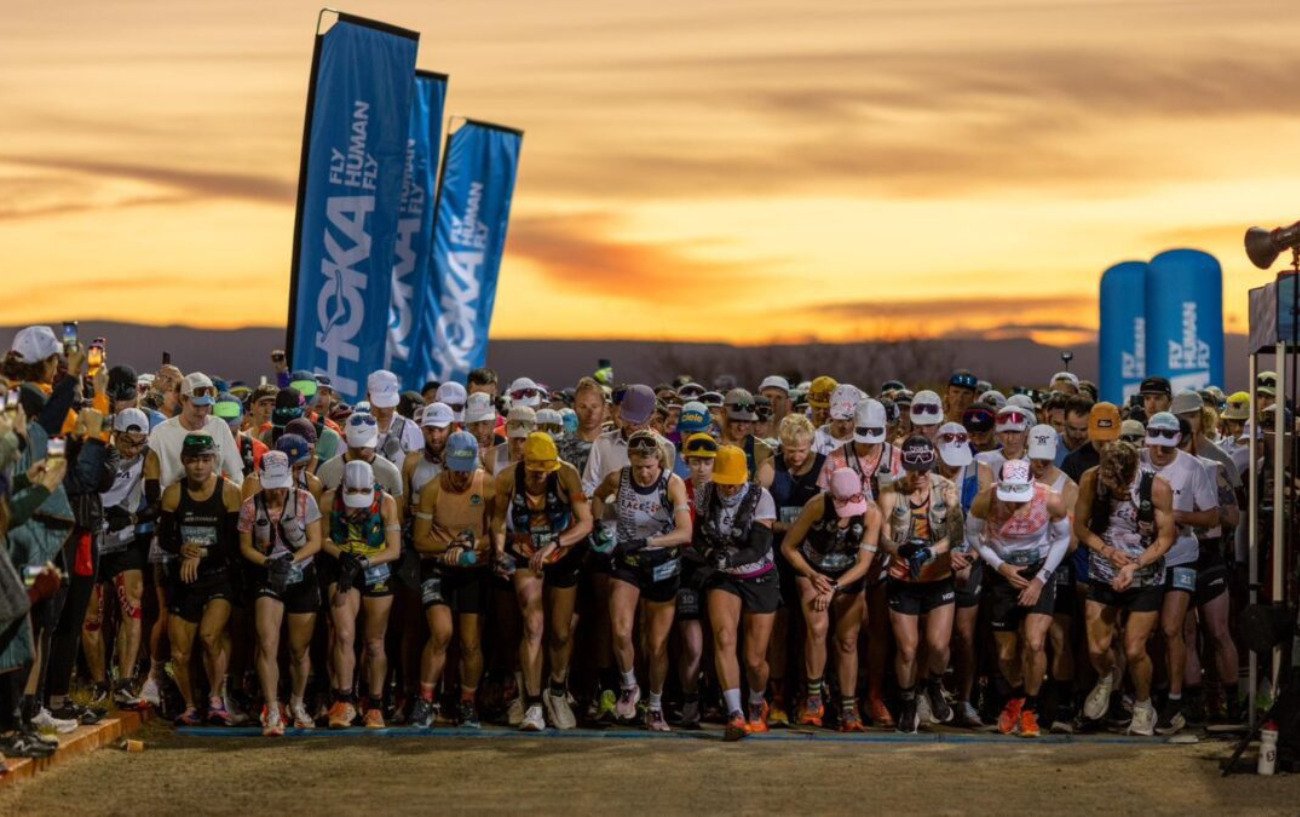
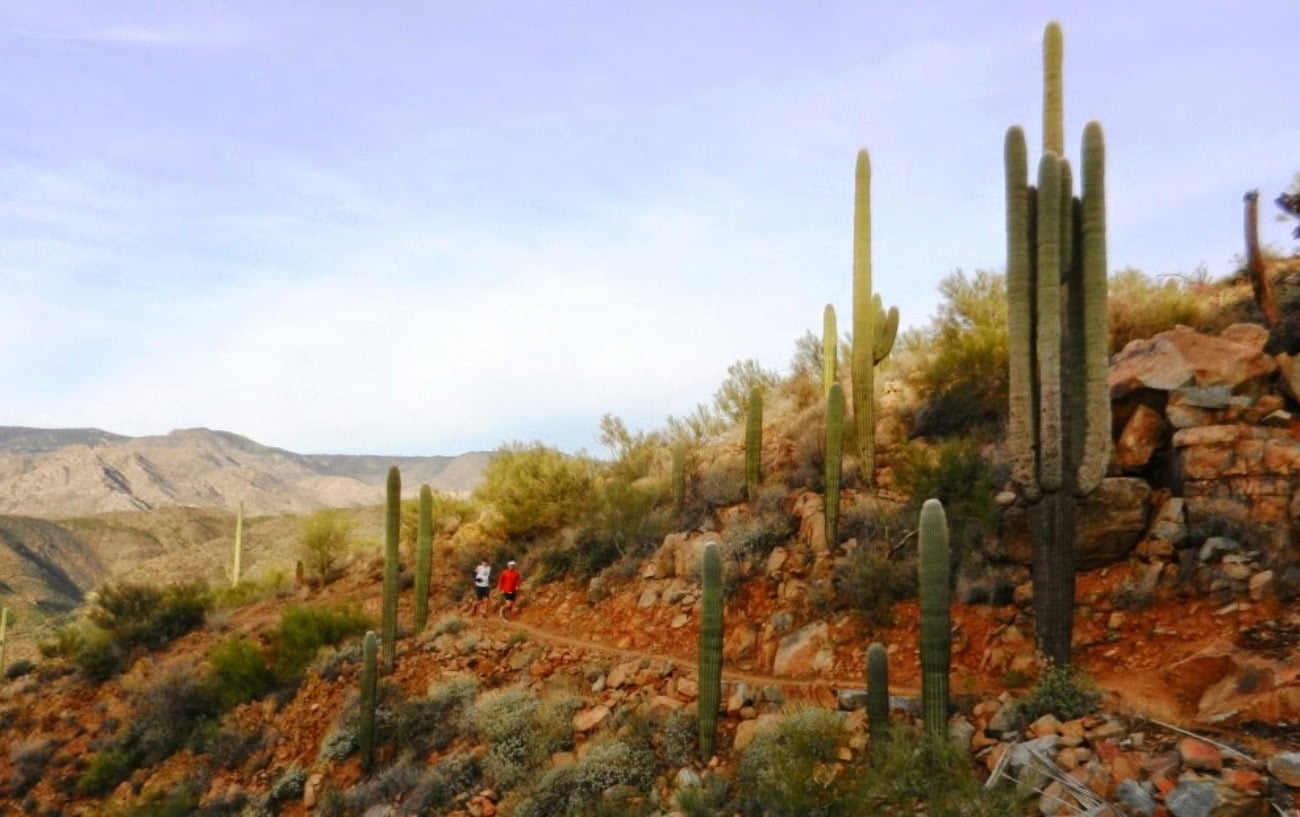
Let’s get the number out of the way first: 5 hours, 39 minutes, 9 seconds. That’s how long it took Marta Bontognali to cover 50 kilometers on the dusty, sunbaked trails of Arizona’s Black Canyon corridor this past weekend. She averaged roughly 6:47 per kilometer. On trail. For the better part of six hours.
She is 12 years old.
If you just re-read that sentence, you’re not alone. The trail running internet has been doing the same thing since Saturday.
Dad Got Dropped
Bontognali, who hails from Switzerland, was originally supposed to run alongside her father. That arrangement didn’t survive very long. She found her rhythm early, settled into a pace that felt right, and gradually pulled away from him as the race wore on. By the time it was over, she’d put together a performance that most adult ultrarunners who train for years would be proud to claim.
No dramatic surges. No spectacular fade. Just a 12-year-old running a remarkably even, controlled 50K on a course that mixes fast, runnable sections with genuinely technical terrain. Her father, for the record, did finish. Presumably with a complicated mix of pride and bruised ego.
The Talent Is Obvious. The Concern Is Real.
There’s no debate about whether Bontognali is gifted. Sub-6:50 pace on trails for 50K requires serious aerobic fitness, efficient biomechanics, and the mental toughness to keep going when your legs start filing complaints. Most recreational runners who train diligently for years never produce an ultra result this fast. She did it before she’s old enough for a learner’s permit.
Kids actually have some built-in advantages for endurance. Their VO2max relative to body weight tends to be high, and they bounce back quickly between efforts. But here’s where it gets complicated: what the cardiovascular system can handle and what the rest of the body is ready for are two very different things.
At 12, growth plates are still active. Bone mineral density is still increasing. Tendons and ligaments develop on a slower timeline than the heart and lungs. Think of it this way: the engine might be revving, but the frame is still being welded together.
Over 50 kilometers, every foot strike sends a small shockwave up through the skeleton. Tens of thousands of those impacts, sustained over hours, add up to a serious cumulative load on the tibias, knees, hips, and spine. A trained adult with a fully mature musculoskeletal system absorbs those forces in stride. In a pre-adolescent, the sports science literature gets a lot less confident.
Nobody is saying one race is going to break her. The worry is about what comes after. Stress fractures. Growth plate issues. Hormonal disruption from excessive training volume. Chronic fatigue. The danger isn’t the single performance. It’s the gravitational pull that follows a performance like this: more races, more attention, more pressure to keep producing.
The Burnout Question
And then there’s the part that doesn’t show up on an MRI. At 12, motivation can be ferocious, but it’s also fragile. Getting stamped with labels like “phenomenon” and “future champion” has a way of turning something a kid loves into something she’s expected to do. That’s a distinction most adults struggle with. For a pre-teen, it can be suffocating.
Early athletic burnout is one of the most well-documented phenomena in sports science, and it claims talented kids across every discipline. They don’t quit because they stop being good. They quit because they stop enjoying it. If you’ve been around running long enough, you’ve watched it happen to someone.
None of this makes Bontognali’s race a bad thing. It makes the response to it the thing worth watching. Medical supervision, intelligent training plans, adults who can distinguish between a kid who wants to run and a kid who’s being pushed to run: that’s the stuff that actually matters now.

Who’s Writing the Rules? (Good Question.)
This is where the conversation gets uncomfortable. In France and Quebec, regulations generally prohibit minors from competing in ultra-distance events. In the United States, rules vary wildly from one race organization to the next. Plenty of events have no age minimum beyond a signed parental waiver.
Trail running has always marketed itself on freedom and self-reliance. That’s part of why people love it. But a 12-year-old doesn’t choose to enter a 50K race in isolation. That decision involves parents, organizers, and, increasingly, sponsors who see a marketable story. When the athlete in question can’t legally drive a car, the question of who’s looking out for her long-term welfare deserves a better answer than “well, her parents signed the form.”
The history of endurance sports isn’t short on cautionary tales. The most durable ultra careers are overwhelmingly built through patient, gradual development. Peak performance in ultra-trail running routinely arrives after 30, sometimes deep into the mid-30s. Early brilliance doesn’t predict longevity. If anything, the opposite is more common.
The Only Finish Line That Counts
Marta Bontognali has extraordinary talent. That was settled on the trails outside Phoenix. The open question is whether the people around her will protect it.
I know how this sport works. We love an underdog story, and a 12-year-old who drops her dad over 50K is about as good as it gets. But if we’re being honest with ourselves, the best possible outcome isn’t another jaw-dropping ultra result next month. It’s that at 25, or 30, or 35, Bontognali is still out there—healthy, happy, running because she wants to, not because the internet expects her to.
That’s a harder story to tell. But it’s a much better one.
Meanwhile, in the 100K
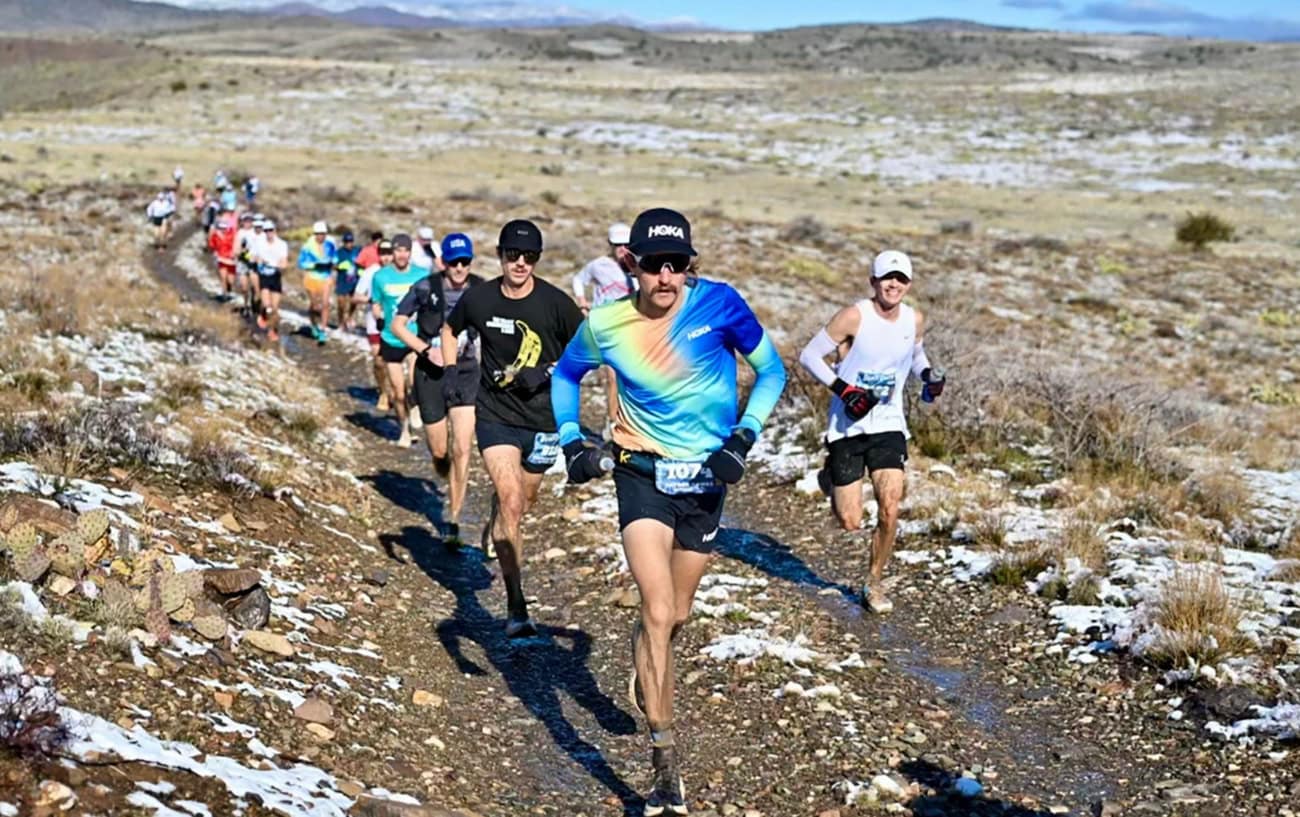
Bontognali wasn’t the only one making noise at Black Canyon this weekend. The 100K race produced a couple of standout performances of its own.
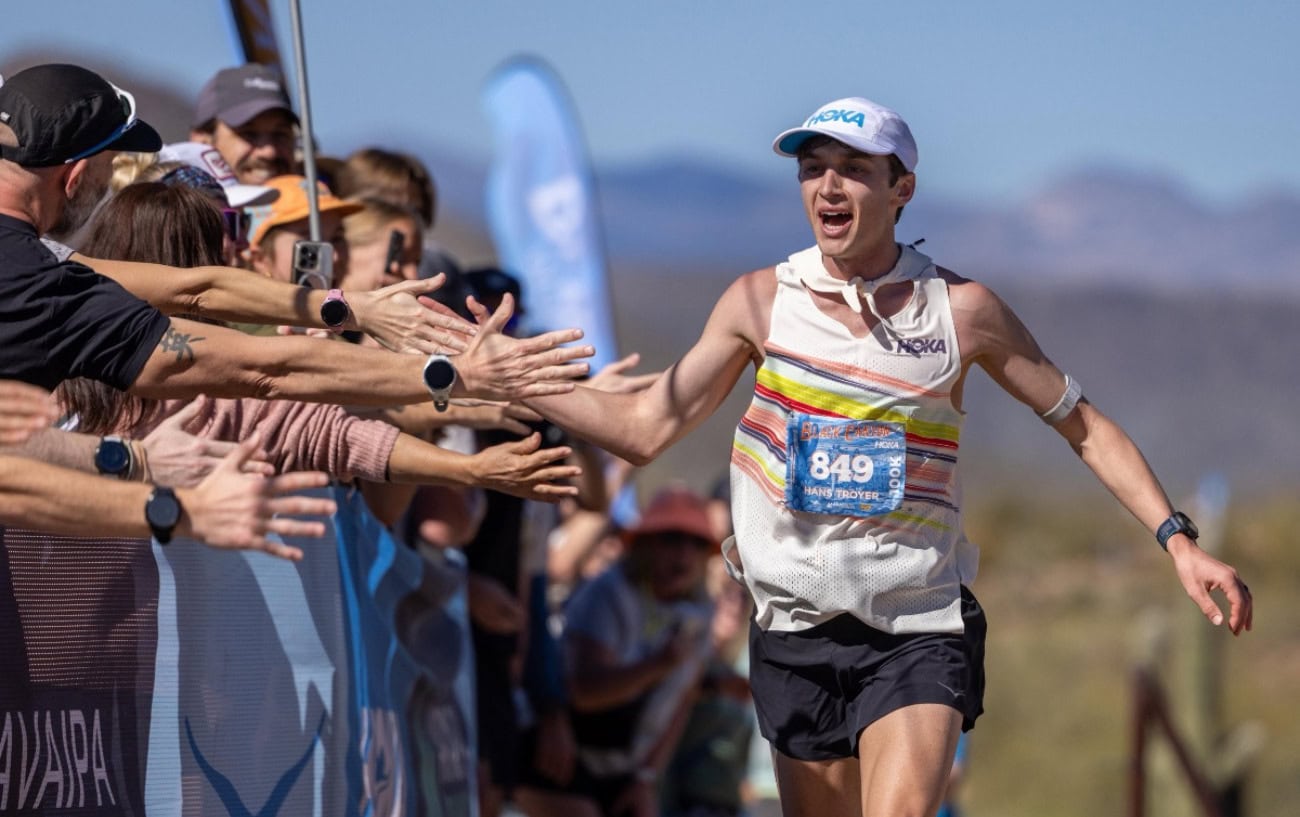
Hans Troyer took the men’s title in 7:20:00, a new course record, with Anthony Costales and Tracen Knopp filling out the podium. On the women’s side, Jennifer Lichter ran 7:57:05 in her first-ever 100K, becoming the first woman to break eight hours on the Black Canyon course. That is an absurd debut. Anne Flower and Tara Dower rounded out the top three.
Black Canyon is a qualifying race for the Western States 100, with Golden Ticket entries on the line, so the field was stacked. Lichter’s sub-8 in that kind of company is the sort of thing that makes you circle her name for the rest of the season.


It’s funny that there’s so much worry for a 12 year old ‘falling out of love’ with running and ceasing to do it because she ran a 50k when she was 12, yet the professional who is no longer doing it because they chased the sun or had too many injuries, but had glory for X amount of years while they’re winning is still an accepted scenario. She’s 12 – no the choice wasn’t made in a vacuum, but she dropped her dad, which means she wasn’t being pulled along by the back of her shirt. She’s also not from the US, which we all know is ripe with keyboard opinions (mine included), it’s probably more acceptable to let a kid do something like this outside of these borders because probably those countries haven’t taken it upon themselves to broadcast every opinion they’ve ever had on the internet. LET HER RUN. STFU about anything not in your lane – move on. It’s sad the nature of this article was even written in the name of ‘lets all hear your bad opinions’ – mine included.