


For a lot of runners, the hardest part of training isn’t the workout itself — it’s finding the time. Between work, family, commuting, and a never-ending to-do list, runs can get pushed later and later in the day, until they don’t happen at all.
Some people love knocking it out first thing in the morning before the day has a chance to derail them. Others swear by an end-of-day run to clear their head and shake off whatever work threw at them. But there’s another underrated option that can be a total game-changer for busy schedules: the lunch run.
A midday run is convenient, efficient, and surprisingly refreshing. It’s a quick reset button that gets your training done and helps you come back to the afternoon more energized.
No battling early alarms, no fighting fading motivation after a long day, but just a simple, practical way to keep training consistent even when life is packed.
We put together 11 tips to make lunch runs work smoothly (without feeling rushed, stressed, or under-fueled).

Why The Lunch Run Might Be Your New Favorite Training Slot
Running during your lunch break is one of the easiest ways to clear your head, break up a long workday, and return to your afternoon sharper and more energized. It’s a mini reset that often boosts productivity as much as it boosts fitness.
I’ve been living and working in Madrid, Spain, for the past three years, and one of the most significant cultural shifts has been the legendary long lunch. It’s genuinely not unusual for someone to sit down for a relaxed, multi-course meal that stretches well past an hour — sometimes closer to two.
While many of my colleagues lean into that tradition, I’ve learned to use the midday window differently: I get my running shoes on and head out for a lunch run.
Of course, most of us don’t have a Madrid-style lunch break, and the classic one-hour slot is far more common. That’s exactly why this matters: with the right strategy, you can fit in a great run, get cleaned up, and be back at your desk without feeling rushed.
Here’s my step-by-step guide to make lunch runs work in the real world.

#1: Make It Ridiculously Easy To Get Going
The secret to a successful lunch run isn’t motivation; it’s removing friction. You’re working with a tight window, so the fewer decisions you have to make (and the fewer things you have to hunt down), the more likely the run actually happens.
Pack your lunch-run bag the night before so you’re not scrambling at noon. Include the basics: shoes, socks, kit, a small towel, deodorant/wipes, and anything you’ll need to feel presentable after.
If you can, set up a simple “grab-and-go” system: keep a duplicate set of essentials at work or in your car so you’re never thrown off by forgetting an item.
Also: change fast on purpose. Little hacks add up. Some runners wear their running top under a work layer (or choose a base layer they can run in), stash their shoes at the office, or keep everything laid out so they can switch from work mode to run mode in two minutes.
The goal is to make the transition so seamless that “I don’t have time” becomes a lot harder to say.
#2: Pack your things the night before
A methodical, planned approach is familiar to most runners, and for lunch runs, that same mindset makes everything run more smoothly. When your kit is packed and ready to grab, you’re far less likely to waste precious minutes (or talk yourself out of the run altogether).
Here are the essentials to keep in your lunch-run bag:
- Shorts or running tights
- T-shirt (and a long-sleeve layer if needed)
- Sports bra (if needed)
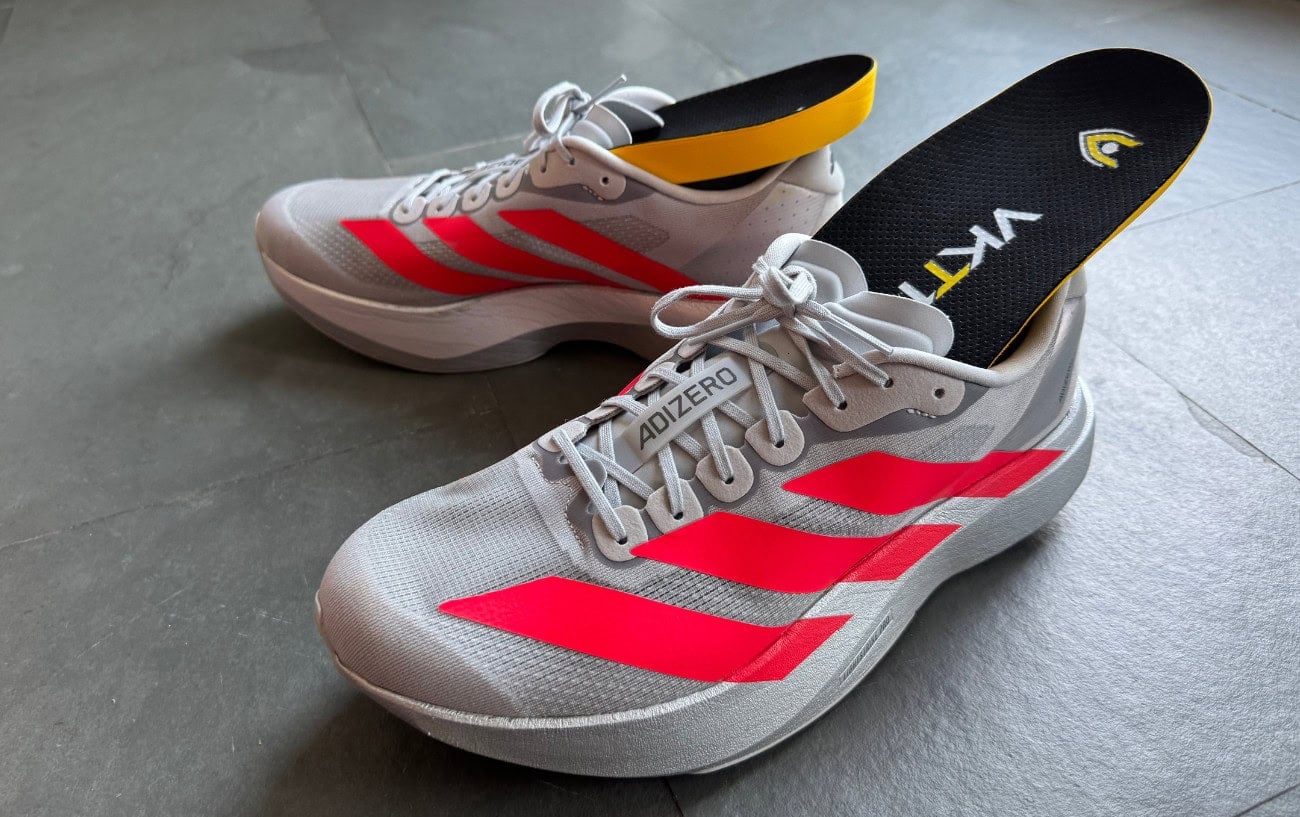
- Socks + running shoes
- Cap/hat (especially in sunny climates)
- Post-run underwear (and a dry top if you’re changing fully)
- GPS watch
- Small towel
- Deodorant
- Soap/body wash + face wash
- Baby wipes (if you don’t have shower access)
- Sunscreen
- Dry shampoo
- Brush/comb
One extra tip: consider leaving a lightweight running jacket and a spare long-sleeve top at work (in your locker, desk, or car). That way, cold or rainy weather won’t be the reason you skip your run.

#3: Plan your route
Before you start squeezing runs into your lunch break, it helps to take a minute to scope out your options.
Is there a park near your office? Safe sidewalks or quiet streets? Any gentle hills or a stretch of path where you won’t be stuck stopping at traffic lights every two minutes? Thinking through the “where” ahead of time makes the run feel effortless when your break actually rolls around.
A quick way to do this is to use Google Maps or browse Strava routes in the area. I also love getting to know the neighborhood on foot first. Take one lunch break and do a simple 20–30 minute walk to find a good loop, an out-and-back, or a path with minimal interruptions.
The classic “15 minutes out, then turn around” works almost anywhere, and once you start exploring, you’ll be surprised how many solid routes you can build right outside your workplace.
Bottom line: plan your route the night before (or at least that morning) so when lunch hits, you can just lace up and go.
#4: Snack before going out
In addition to staying well hydrated throughout the morning, I recommend you eat a pre-run snack. banana, handful of nuts, or a granola bar works well.
It’s best to eat about 60-90 minutes before your run to give your body ample time to digest it.

#5: Hydrate
Drinking water throughout the workday is important for everyone, but it matters even more if you’re planning a lunch run. Even mild dehydration can make a short, easy run feel unexpectedly tough, especially if you’ve spent the morning sipping coffee and sitting in a warm office.
Aim to hydrate steadily from the time you wake up, rather than chugging a ton right before you head out.
If it’s hot or humid, or you tend to sweat a lot, consider adding an electrolyte tablet to one bottle to top up sodium and key minerals. It can make a noticeable difference in how you feel during and after the run.
#6: Sort Out Your Changing Setup
Some runners are lucky enough to have lockers, changing rooms, or even showers at work — and if your office is near a gym, that can be a perfect lunch-run base. But if you don’t have those options, you can absolutely still make it work. You just need a simple plan.
The easiest workaround is to use the restroom: change in a stall, then neatly stash your work clothes and bag under your desk or in a low-traffic area.
Ideally, choose a restroom near your workspace so post-run logistics are quick. Finish your run, grab your things, change, and you’re back in work mode with minimal fuss.
Quick time-saver: if your workplace dress code allows it, wear your running shoes to work on lunch-run days. It’s one less thing to swap, and it makes that “Clark Kent” mid-day transformation way faster — five minutes is plenty.
And if you don’t have shower access, don’t worry. A small kit with baby wipes, deodorant, and a fresh shirt goes a long way.

#7: Vary Your Types of Sessions
Being creative is the key here. Depending on how you feel and how these runs fit into your weekly plan, you’ll be able to try some different types of runs. The key, as always, is to be as time-efficient as possible.
We recommend these 30-minute running sessions:
- Classic out and back – 15 minutes out and then turn back
- Hill session – 15 minutes warmup, 6 x 45 seconds hill, with jog back to recover, cool down
- Long reps – 10 minutes warmup, 3 x 5 mins reps at 10k pace, 90 seconds recovery, cool down
- Short reps – 10 minutes warmup, 8 x 1 min reps, equal recovery, cool down
- Tempo – 10 minutes warmup, 15 minutes at Tempo pace, cool down
Quick tip – if you’re planning on running one of the harder sessions (one of the final 4 sessions from the above list), go easy at first. Ease into the first rep; with limited warm-up time, you’ll want to give your body more time to fully prepare.
#8: Plan Your Post-run cleanup
If you’re lucky enough to have a shower at work or you have access to one in a nearby gym, then you’re sorted. If not, don´t worry, as there are alternative ways to have you feeling fresh and clean for the return to your desk.
Baby wipes can be very handy, especially when you use the sink in the toilet facilities with your soap and face cloth; you’ll be surprised by how clean you’ll feel.
#9: Eat at your desk (And have the food prepared)
The post-run food is an essential part of the lunch run process. Following the 30-minute session and the time taken to get changed, showered, and dressed again, you won’t have time to go out and buy your lunch. So it should then be part of your packing list the night before.
We recommend that you reintroduce carbohydrates. Nice wholemeal bread sandwiches should do the trick. If you have access to a microwave, reheating some rice or pasta from the previous night’s dinner would work wonders.

#10: Stretch later in the afternoon
Sitting back at your desk after the lunchtime run will allow you to recover from your efforts, but don’t neglect the need to stretch later in the afternoon.
We recommend you schedule a 5- or 10-minute break in the late afternoon to walk around the office and stretch out a bit.
Focus on calves, hamstrings, glutes, and quadriceps.
#11: Make the most of the post-run glow
Give yourself a well-earned pat on the back after your efforts to get out and stick to your running routine.
With all the endorphins and high levels of serotonin now flowing through your body, you can really make the most of this newfound energy and avoid the afternoon slump that affects so many office workers.
Consider structuring your workday so you can focus on a creative task immediately after your run.
Remember, see the run as a chance to alleviate stress and clear your mind.
If you can meet a friend during the run, if possible, try to find a work colleague who runs at a similar pace. That way, you’ll be more likely to stick to your plan.
However, if this isn’t possible, don’t worry. After all, we are all different, and some people prefer the benefits of going alone and being with their thoughts.
So have a go, and if you commit to a lunch run over a consistent period, you’ll be amazed at how both you and your company will benefit from your increased energy levels and newfound creative spark.
For a closer look at the different types of workouts you could work into your schedule, take a look at this next guide:
RunClub — Free
Join 300,000+ runners in RunClub
Free training plans for every distance, a daily running game, exclusive coaching content, and a real community of runners. Create your free account in 20 seconds — no card.
Already a member? Log in →










Start the conversation