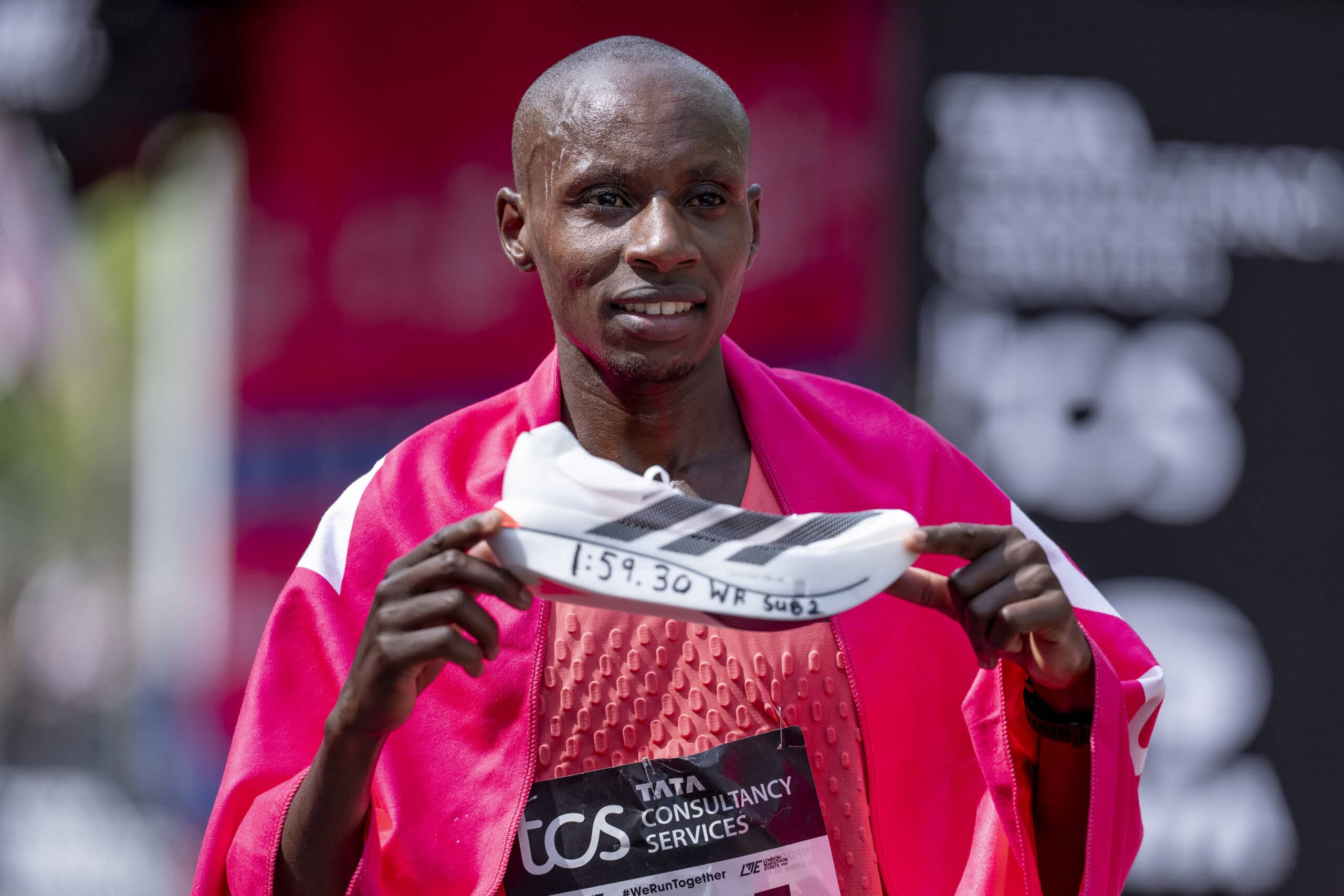
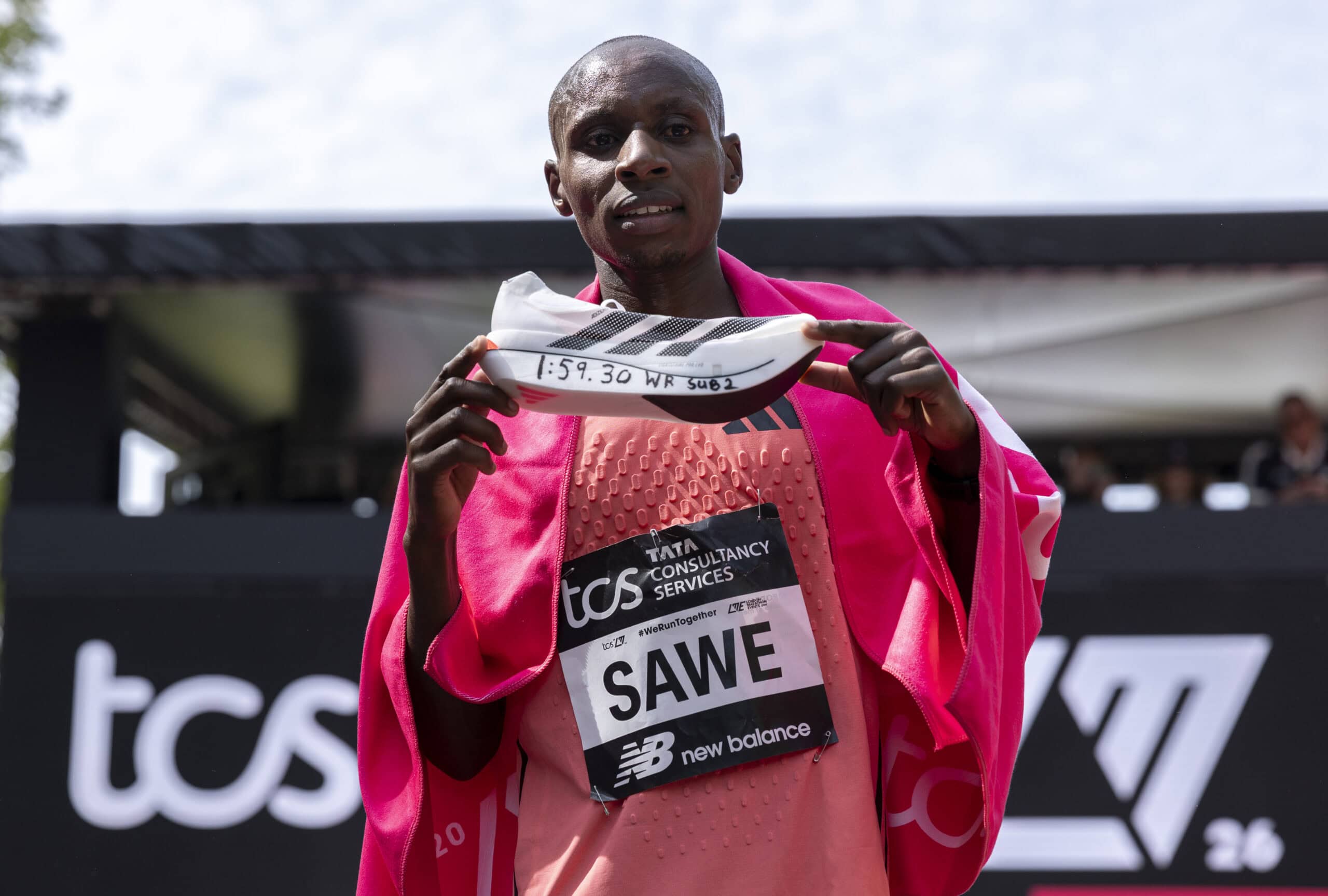
In 2026, marathon training is entering a new phase. Runners are using smarter digital tools, experimenting with hybrid training models, and tailoring plans to their bodies in ways that were rare just a few years ago. The goal is no longer just to run more miles. It is to train with greater precision, recover better, and arrive at the starting line healthier and more confident.
For experienced runners and coaches, keeping up with these changes has become part of staying competitive.

The Impact of Digital Tools on Training Plans
Digital technology is now central to how many runners train. Training apps increasingly rely on artificial intelligence and machine learning to analyze large amounts of data, including pace, heart rate, sleep, and recovery trends.
These systems do more than track workouts. They adjust training plans in real time. If a runner shows signs of fatigue or poor recovery, the software can reduce intensity or suggest extra rest. If fitness is improving faster than expected, workouts may become more challenging.
Popular platforms combine data from GPS watches, heart-rate monitors, and even smart scales. Many runners already use ecosystems tied to brands like Garmin, Coros, Strava, and TrainingPeaks. In 2026, the difference is how automated and responsive these systems have become.
Instead of following a static 16- or 18-week plan, runners are increasingly guided by adaptive schedules that respond to daily conditions. Coaches say this approach reduces overtraining and makes it easier to balance running with work, family, and travel.
Online communities have also grown around these tools. Runners compare data, share progress, and discuss changes to traditional plans. In recent months, discussions on forums like r/AdvancedRunning have highlighted growing skepticism toward rigid, one-size-fits-all programs, reflecting a broader shift toward flexibility and customization.

New Approaches to Marathon Preparation
While technology plays a growing role, training methods themselves are also evolving.
Many runners are adopting hybrid training models that blend classic marathon principles with newer ideas. Long runs and tempo workouts remain essential. But they are now paired with strength training, mobility work, and cross-training in more structured ways.
Mental training has also gained attention. Visualization, breathing exercises, and stress management techniques are increasingly included in marathon plans. Coaches argue that mental fatigue can derail a race as quickly as physical exhaustion, especially late in the marathon.
Recovery has become another major focus. Practices once limited to elite athletes, such as cryotherapy, compression therapy, and massage guns, are now widely available. Nutrition strategies have also advanced, with more emphasis on fueling during training, not just on race day.
Rather than pushing through pain or fatigue, runners are encouraged to treat recovery as part of the training load. This approach reflects a broader cultural shift in endurance sports, where longevity and consistency matter as much as peak performance.

The Future of Personalized Training
Personalization is perhaps the most significant trend shaping marathon training in 2026.
Some runners are turning to genetic testing to better understand how their bodies respond to endurance training, carbohydrates, caffeine, and recovery stress. These tests do not predict race times, but they can help guide nutrition choices and training intensity.
Virtual coaching platforms are also expanding. Using video analysis, motion sensors, and even virtual reality environments, runners can receive feedback on form, cadence, and pacing without meeting a coach in person. This has made high-level coaching more accessible, especially for runners outside major cities.
Many training systems now operate on continuous feedback loops. Performance data feeds into training adjustments, which are then refined week by week. Over time, the plan becomes more closely aligned with the runner’s physiology, schedule, and goals.
For runners interested in personalization, experts suggest starting small. Tracking sleep and recovery consistently, experimenting with fueling strategies during long runs, and reviewing training data weekly can all provide useful insights without expensive equipment.

Insights from Runners Embracing New Methods
Early adopters of these trends report mixed but often positive results.
Some runners say adaptive training plans helped them avoid injury after years of following rigid schedules. Others note improvements in consistency rather than dramatic gains in speed. The biggest challenge, many say, is learning to trust the data without becoming overly dependent on it.
Coaches working with competitive amateurs describe a transition period. Runners accustomed to traditional plans may struggle with frequent changes or reduced mileage on days when the system flags fatigue. Over time, however, many come to appreciate the emphasis on long-term progress.
In club settings, training groups are also adapting. Shared workouts are often adjusted to allow for individual pacing and recovery needs, rather than forcing everyone into the same session.
These experiences suggest that new methods work best when combined with self-awareness and clear goals, rather than blind reliance on technology.

Looking Ahead: Your Training Transformation
Marathon training in 2026 is not about replacing old wisdom. It is about refining it. Digital tools, personalized plans, and recovery-focused approaches are giving runners more options, not fewer.
For those willing to experiment and adapt, the payoff may be greater consistency, fewer injuries, and better race-day execution.
As training continues to evolve, one question remains central for runners everywhere: What’s the biggest change in your training this year? Share below.