


Fred Kerley, one of the fastest men alive just three years ago, will not compete in clean athletics until August 2027. The Athletics Integrity Unit handed the American sprinter a two-year ban on Friday after he missed three required drug tests over a seven-month stretch in 2024.
The tribunal didn’t mince words. It called Kerley “negligent and, to a certain extent, reckless” in failing to meet his anti-doping obligations — obligations he has been subject to since joining the testing pool back in 2017.
What He Did Wrong
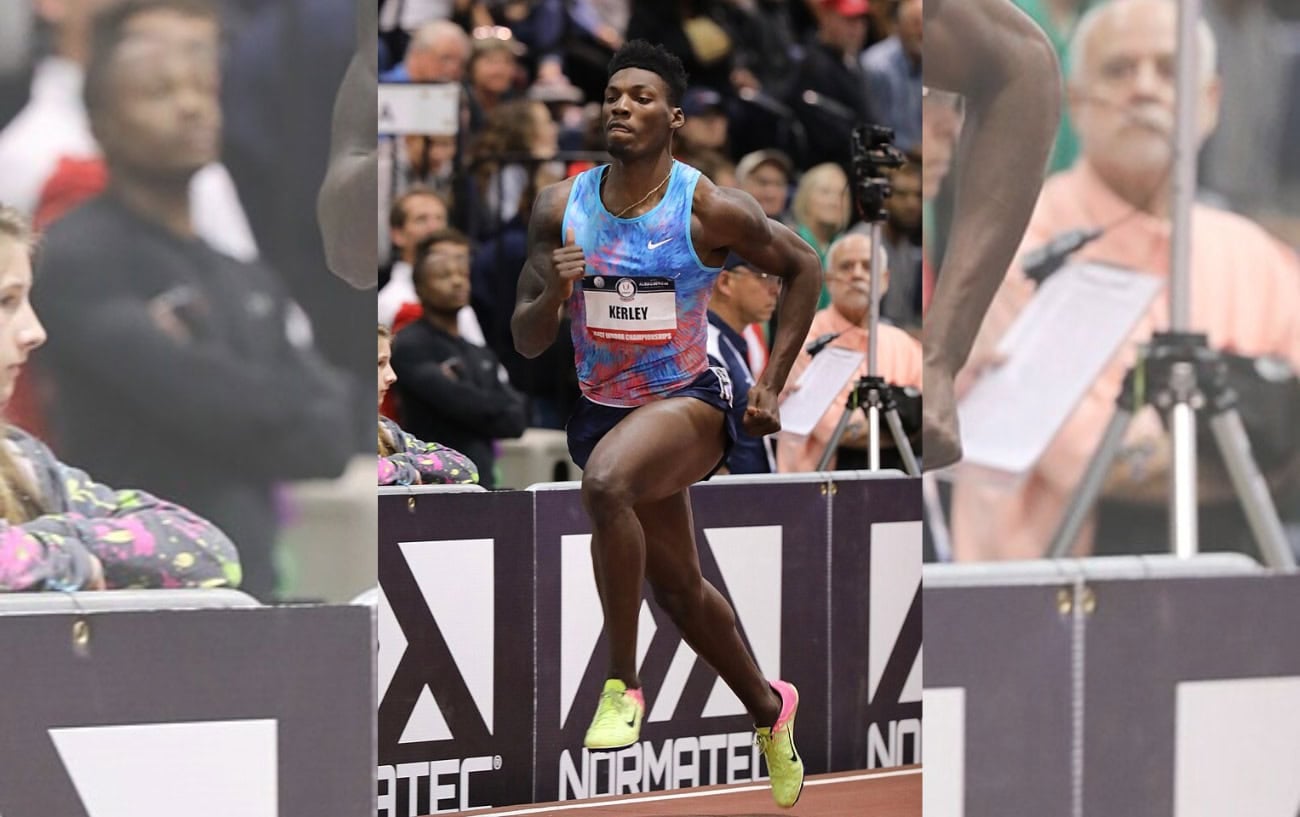
Under the World Anti-Doping Code, athletes in the testing pool must make themselves available for unannounced testing at any time. Miss three tests or filing appointments within a 12-month window, and you’ve committed a violation. Kerley did exactly that, with failures recorded on May 11, June 13, and December 6, 2024.
He conceded the June 13 failure. For May 11, he blamed technical problems with the USADA app. For December, he blamed the doping control officer — and, in a social media post that raised eyebrows, questioned why he should answer a call from an unknown Mexican number.
“A random number from Mexico that looked like a scam call and I’m supposed to answer that? I live in USA why is a number calling my phone from Mexico.”
The Fallout
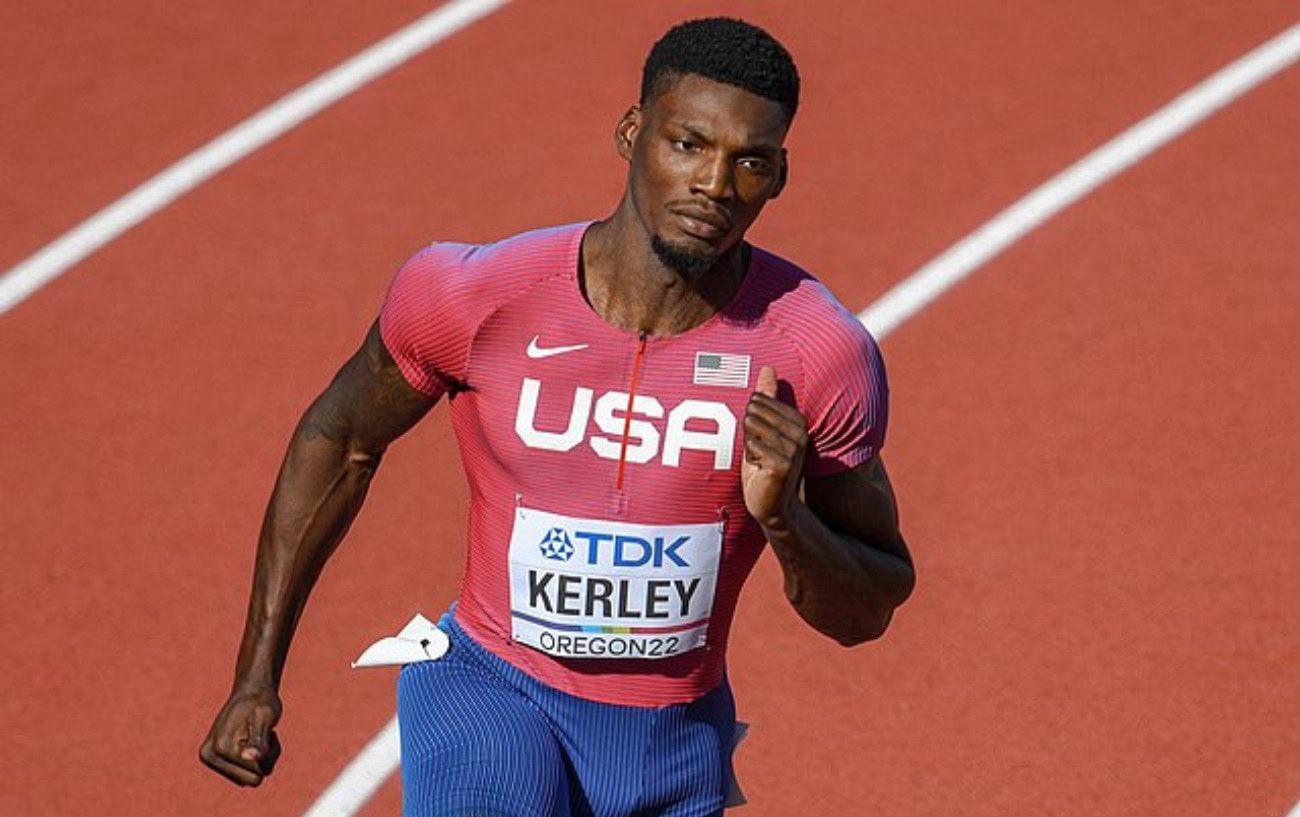
His ban runs from August 11, 2025 through August 11, 2027. All results from December 6, 2024 through August 12, 2025 have been wiped from the record — prize money, titles, and rankings, all gone. He’s also been ordered to pay World Athletics $4,000 in legal costs. This isn’t the first time we’ve seen athletes face serious consequences for missed doping tests.
AIU head Brett Clothier explained why the rules exist in the first place. “Sophisticated doping substances may only be detectable within an athlete’s sample for a few days or even hours after administration,” he said. “Anti-doping organisations need to be able to test athletes without notice on the day and hour of our choosing, otherwise anti-doping programmes will not work.”
Kerley can appeal to the Court of Arbitration for Sport within 30 days. What happens next for a banned athlete is rarely straightforward.
How Far He Fell
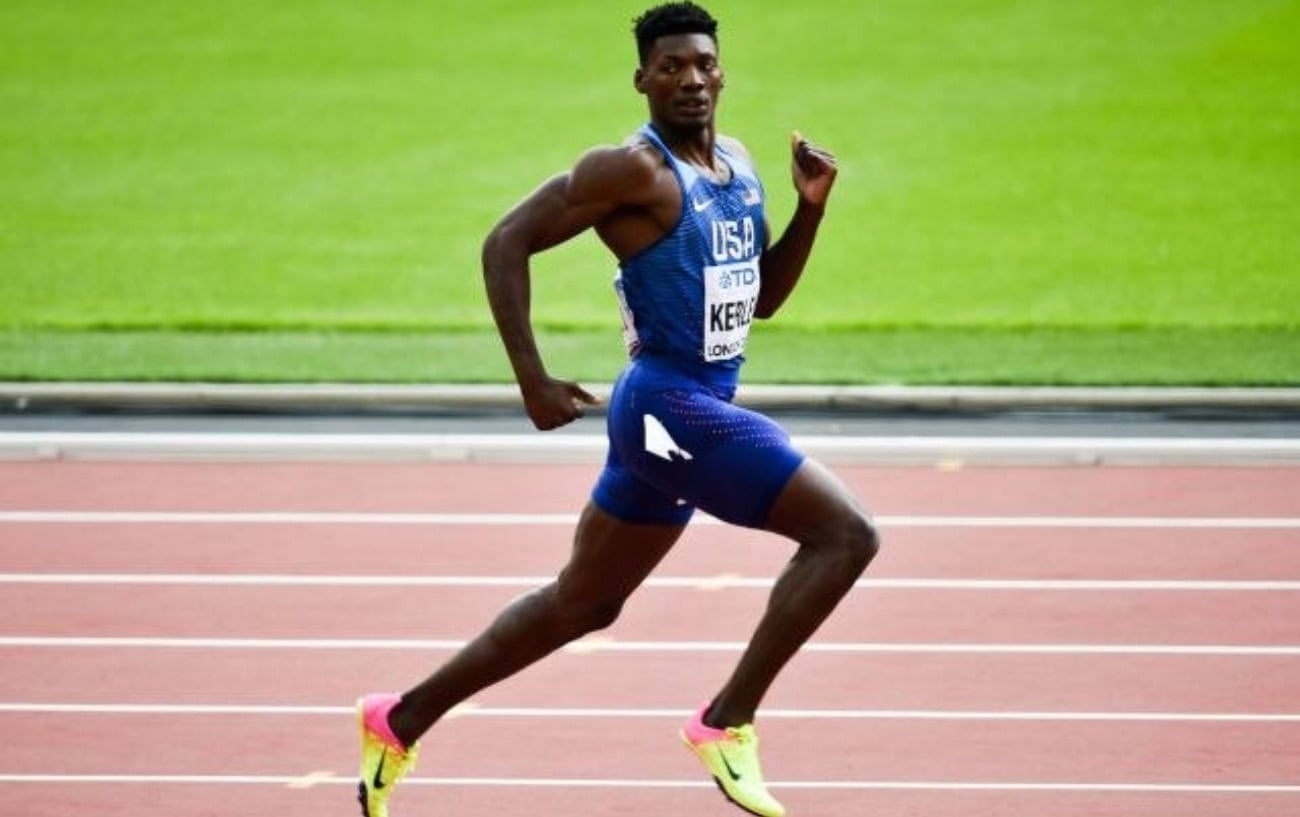
Not long ago, Kerley looked untouchable. He won 100m gold at the 2022 World Championships in Eugene, took relay gold in 2019 and 2023, silver at Tokyo, and bronze in Paris — finishing just 0.02 seconds behind Noah Lyles in one of the closest 100m finals in Olympic history.
Then things unraveled. In May 2025, he was arrested in Miami after allegedly hitting his former girlfriend. He skipped the U.S. trials in August — the first time since 2017. His case draws uncomfortable comparisons to Shelby Houlihan’s doping ban, another high-profile American track athlete whose career was derailed by an anti-doping case.

The Part That Changes Everything
Here’s the twist: the ban barely affects his plans.
In September 2025, Kerley signed with the Enhanced Games — a new competition that explicitly permits performance-enhancing drugs — becoming the first American male athlete to join. Not everyone in the athletics world is on board with this new league. The inaugural event runs May 24, 2026, in Las Vegas, with $1 million on offer for world record performances and $250,000 to each event winner.
Banned from World Athletics competition, he’s free to compete there. The rules he broke don’t apply.
His response to Friday’s ruling made his feelings clear. “I’m tired of holding everything in,” he posted. “You can’t control me, and the truth is louder than silence.”
For anyone who cares about clean sport — and many athletes clearly do — that’s the uncomfortable part of this story. A two-year ban used to mean something. Now, for some athletes at least, there’s somewhere else to run.
RunClub
Get more running stories — join RunClub
Daily running news, a community of 300,000+ runners, free training plans for every distance, and a daily running game. Free to join — no card.
Already a member? Log in →





Start the conversation