


Andrea Kiptoo crossed the finish line first at the Generali Berlin Half Marathon on Sunday in 59:11. It should have been a straightforward win. It wasn’t.
His fellow Kenyan Dennis Kipkemoi — hired to set the pace and step aside — ran shoulder to shoulder with Kiptoo all the way to the final kilometer, showing no signs of letting up. The two men were visibly talking as they approached the line. Only at the last possible moment did Kipkemoi relent.
Athletics Weekly reported that it was Kipkemoi’s first race outside Kenya and that he had not fully understood race protocol. That may be true. It also raises a question the sport keeps avoiding: why are the rules around pacemakers so informal that a professional athlete can not know them?
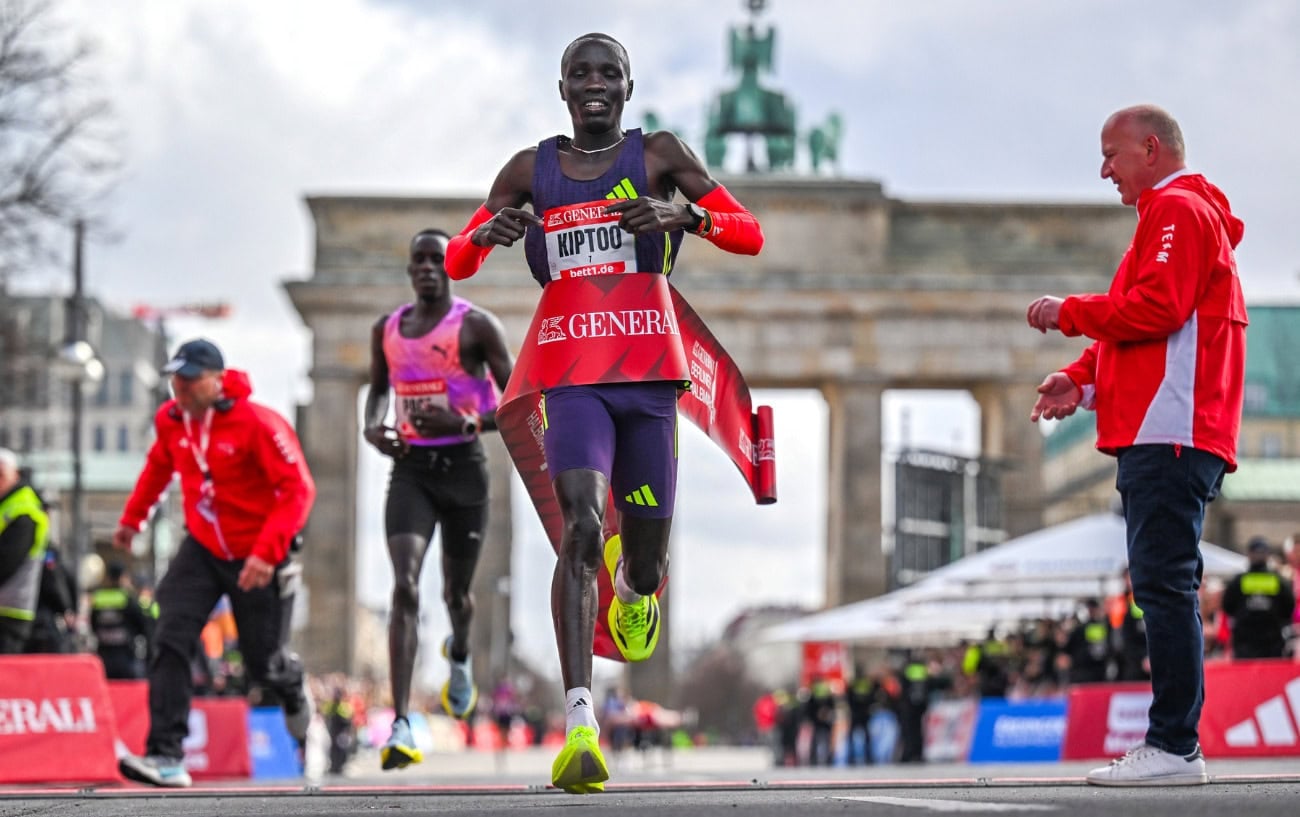
The case for giving pacers leeway is straightforward enough. Running is a pure sport. If someone is fit enough and strong enough to win, why shouldn’t they? Kipkemoi wasn’t doping. He wasn’t cheating in any technical sense. He was just… running.
The case against is stronger. Pacemakers are paid employees of the race. They are there to serve the elite field — to pull runners through splits, absorb wind, and then disappear. The athletes who train for months targeting these events deserve to compete against each other, not against someone with nothing to lose and no time goal to hit. A pacer racing to the line doesn’t just disrupt the result; it undermines the entire purpose of having pacers at all.
The Berlin incident wasn’t malicious, but intent doesn’t really matter here. The effect is the same either way: the outcome of an elite race nearly came down to whether a hired pacemaker felt like stopping. That’s not a gray area. That’s a structural problem.
Race directors need to make the rules explicit — and enforce them. A pacemaker who crosses the finish line should be disqualified from the results and the race organization should bear responsibility for the briefing. Leaving it to custom and handshakes clearly isn’t working.
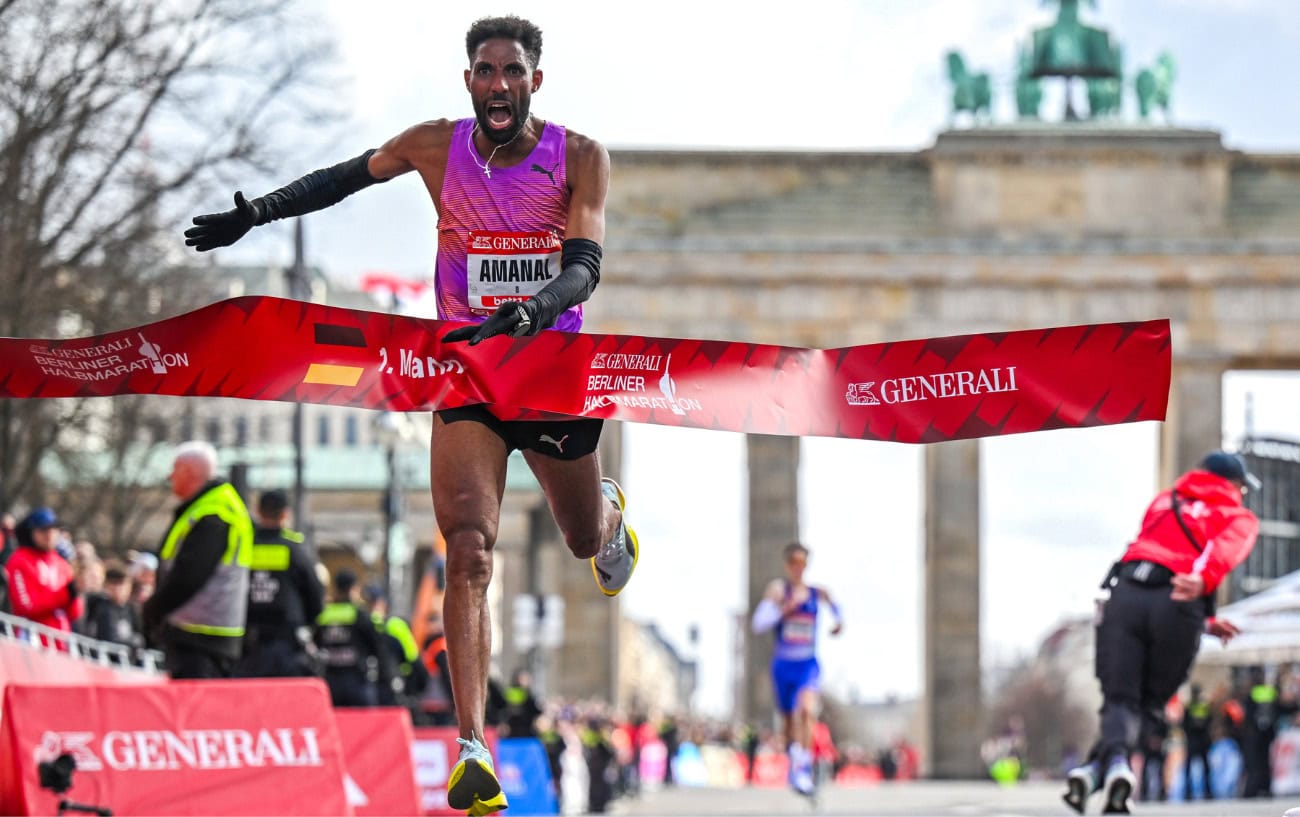
Elsewhere in the men’s race, Amanal Petros had the day he needed. The German record holder — Eritrean-born, world marathon silver medallist — came home third in 59:22, breaking his own national record by nine seconds. Dominic Lobalu of Switzerland was a second back in fourth, and France’s Etienne Daguinos ran 59:27 for fifth.
Petros had targeted Andreas Almgren’s European record of 58:41, but the race didn’t unfold that way. He still left Berlin in good shape ahead of next month’s London Marathon. “What a feeling,” he said. “This just makes me even more determined for success at the London Marathon next month.”
In the women’s race, Ethiopian Likina Amebaw controlled proceedings from the front and won in 65:07, with Kenya’s Daisilah Jerono 14 seconds back in second. Veronica Loleo took third in 65:35.

Kiptoo has his win. Petros has his record. And road racing has a fresh reminder that some of its most basic assumptions — about what a pacemaker is, and what they’re there to do — are far less settled than anyone realized.
Write the rules down. Brief the athletes. This shouldn’t happen again.
RunClub
Get more running stories — join RunClub
Daily running news, a community of 300,000+ runners, free training plans for every distance, and a daily running game. Free to join — no card.
Already a member? Log in →








Join the conversation
If the pacemaker finishes faster than the "elite" athlete, despite taking some constrains from this guy, for me he is the winner. Slowing down to let somebody win who can't keep up with him doesn't sound like a competition.
If I would win a race but knowing somebody else was faster and just let me win.... I could not take the winner's medal.
But I am only a hobby runner....
Race directors need to make the rules explicit. This is not a 'gray area'. The World Athletics Road Race Regulations in rule 15.2 states: "Athletes employed by race organisers as pacers are bona-fide competitors... if they complete the race, they must be officially ranked."
Good morning, Jessy. I thoroughly enjoy your pieces, this one on the Berlin Half Marathon Pacemaker, too. But I disagree about disqualifying a pacemaker who wins. Racing should have that element of risk. If the field doesn't go with the pacemaker, the elites should lose. The consequence to the pacemaker should just be his economic value as a pacemaker in future events. A pacemaker winning is a great Cinderella sports moment rewarding his effort and letting the elites suffer the consequence of running too conservatively. One of the great moments in track was Tom Byers stealing the Oslo Mile in 1981 from a trepidatious field of elites. https://www.youtube.com/watch?v=28_WpclPgTo. Rules that eliminate the possibility of any athlete's winning change competition to exhibition. Have a great day.