


The USATF Tour set out in 2026 to fix a messy American track calendar, and its first season ended by delivering the two things any new competition wants: a dominant champion and a cliffhanger. Valarie Sion and Jamal Britt were crowned the inaugural Tour champions this weekend, each pocketing a $50,000 bonus, and they got there by almost opposite routes.
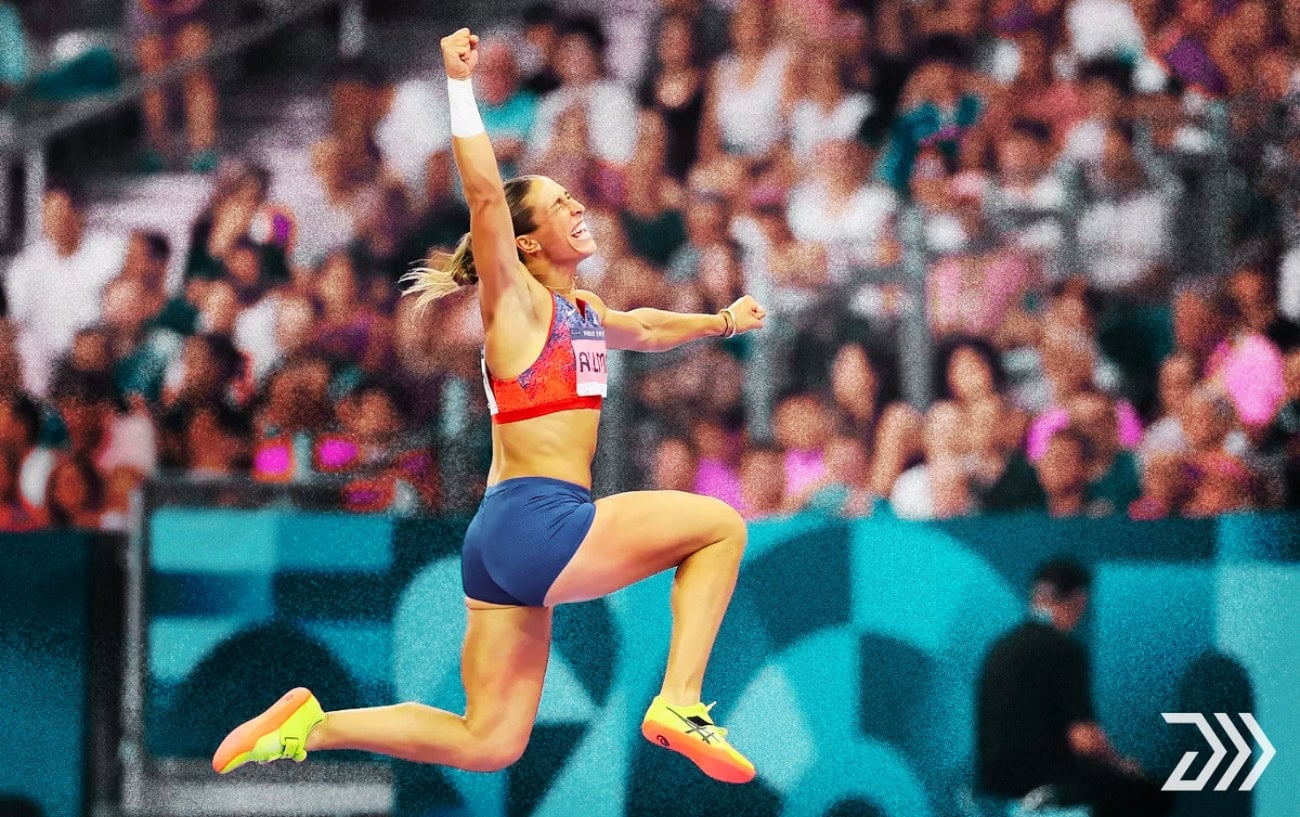
Sion Simply Didn’t Lose
On the women’s side there was never much doubt. Sion, the reigning Olympic and world discus champion, entered three Tour meets and won all three, the Oklahoma Throws Festival, the Ironwood Classic, and the USATF LA Grand Prix. Her season centrepiece was a 73.10m bomb in Ramona, Oklahoma in April, the second-farthest discus throw ever by an American, worth 1,313 points on its own and the backbone of a commanding 3,814-point total.
She also went in with intent. “When USA Track & Field announced this concept, my competitive juices really began to flow,” Sion said. “I loved the idea of comparing athletes and their performances across all of the disciplines in our sport.” She and her coach deliberately built the Tour into a schedule that still included her usual Diamond League stops, and she’ll chase a seventh straight U.S. discus title later this month.
The Men’s Title Came Down To Four Centimetres
Britt’s championship could not have been more different. It wasn’t settled until the final event of the final meet, the Ed Murphey Classic in Memphis, and it hinged on a duel between two athletes who never shared a runway, a hurdler and a shot putter separated only by World Athletics scoring points.
Britt went first, winning the 110m hurdles in a wind-aided 12.91. After the standard deduction for the +3.2 tailwind, his score landed at 1,254 points, enough to push his three-meet total to 3,751. That left shot putter Jordan Geist needing the throw of his life to overtake him. Geist, this year’s world indoor silver medallist, responded by launching a 22.44m personal best that added 19 centimetres to his lifetime best, and still fell about four centimetres short of the mark he needed. The title stayed with Britt by three points.

For Britt, The Money Is The Point
What lifts this above a standings story is what the win means to Britt, who is having the month of his life. He also won the Prefontaine Classic and, at that same meet, ran a 12.86 to become the fifth-fastest 110m hurdler in history. He recently signed with Nike. And he was refreshingly blunt about why a $50,000 cheque matters.
“I always have a mindset of hustling,” Britt said. “The biggest struggle for me on my journey is that everything is so expensive. I couldn’t pay for treatment, so this money will really help me focus on that.”
It’s a rare, honest window into the economics of track and field, where even a world-class athlete on a breakthrough run can be one medical bill from trouble, exactly the kind of gap a prize-money circuit is meant to close.
Why The Tour Exists
That’s the bigger story here. The USATF Tour links 17 independently run American meets that hold World Athletics Gold, Silver, or Bronze label status, with USATF supplying marketing, medical, anti-doping, travel, and logistical support. Athletes had to contest at least three meets to be eligible, with final standings built from their three best World Athletics scores. The aim is to give U.S. athletes more high-quality competition at home and to bring order to a domestic calendar that has long been chaotic.
Season one produced a runaway winner and a last-throw thriller, plus a champion who put its purpose into plain words. USATF says the 2027 Tour and Indoor Tour schedules will land later this year.
RunClub
Get more running stories — join RunClub
Daily running news, a community of 300,000+ runners, free training plans for every distance, and a daily running game. Free to join — no card.
Already a member? Log in →










Start the conversation