


American and Canadian ultrarunning is expanding about as fast as it ever has, and the high country its summer races depend on is turning to smoke. Both things are true this August, and together they describe a squeeze the sport has not yet reckoned with. Fields are growing and entry lotteries are oversubscribed, while the calendar those runners are chasing sits increasingly at the mercy of a fire season that starts earlier, burns hotter, and shuts the mountains for longer.
The evidence arrived inside a few weeks. On July 31, organizers of a multi-day mountain ultra in British Columbia’s Manning Park, the Fat Dog 120, called it off about a week before the start, with an active fire burning within 500m of the course and four blazes in the surrounding complex. They cited “unacceptable safety risks for racers, volunteers, staff, and the broader community.” In Colorado, the Ouray 100 was scrapped after the Gold Mountain Fire reached its course, and the Silver Rush 50 run in Leadville came off the calendar as the Willow Fire, which began June 28, burned past 6,800 acres and forced evacuations and forest closures. iRunFar’s weekly column was the first to draw this summer’s wildfire cancellations together as a pattern. Marathon Handbook reported earlier this season on runners who accused Oregon’s Cascades 100 of mishandling smoke on course.
The demand those lost dates frustrate is real and measurable. On RunSignup, one registration platform that handles perhaps a quarter to a third of United States ultra sign-ups, 50,220 runners finished ultramarathons across 728 events in 2025, up 6.5 percent in a year. The longest and least conventional formats grew fastest: 100-milers rose 9.5 percent and backyard ultras 17.2 percent. More runners than ever are pointing a season of training at a single summer date, and that date is now the part of the sport most exposed to fire.

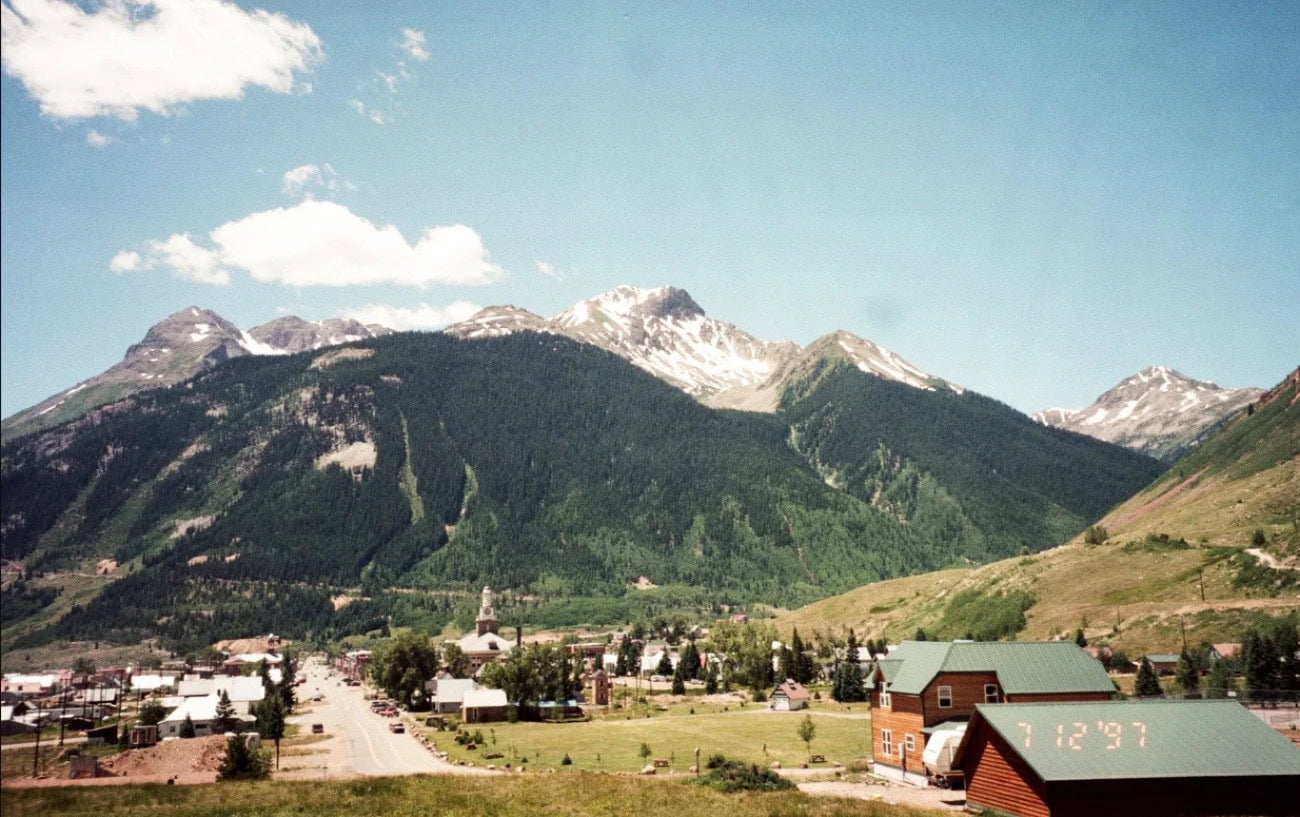
What has changed is not only that races are cancelled but how the decision now gets made. The Hardrock 100 went ahead from Silverton, Colorado, this summer, but its organizers run a formal air-quality standard: below an index reading of 100 the race proceeds, between 101 and 149 runners can defer, and above 150 it is called off. The race also depends on permits from nine separate authorities: three towns, four counties, and, at the federal level, both the Bureau of Land Management and the Forest Service. A single fire can undo any one of them. “The process of making the decision isn’t made in a vacuum,” as the race’s director, Dale Garland, put it to the Colorado Sun. Leadville’s organizers, having lost the Silver Rush, said they had “the green light” for the rest of their season but warned that “courses will require reroutes” and that every call stayed subject to the air quality index and any change in the fire’s status. The Leadville Trail 100 is due to run Aug. 22 on a course that fire has already redrawn.
None of this looks like one unlucky summer. AccuWeather forecast that 5.5 million to 8 million acres would burn in the United States in 2026, more than in 2025, with the peak possibly holding off until autumn. British Columbia’s own wildfire service warned in its summer outlook of “vigorous and difficult-to-control wildfires throughout the Central and Southern Interior,” the same terrain the region’s races cross, with drought it compared to the worst recent fire years. And the two trends point at the same ground. The corridors where the sport has grown densest, the Colorado San Juans and the southern British Columbia interior, are among the most exposed to fire.

That leaves a question the sport has mostly answered one race at a time: whether the summer mountain calendar it has built can hold its present shape, or whether the dates, the elevations, and the places will have to move. Organizers have adapted in the narrowest way open to them, rerouting a course here, adding an air-quality clause there, cancelling when they must, on a summer calendar of marquee ultras that runners now plan a whole year around. When they cancel, the cost falls mostly on runners and organizers. Ultra entries are rarely refundable, and the Fat Dog 120 warned its field that a cancellation inside two months of race day might bring no credit at all; runners are often left holding booked flights and lodging, while organizers absorb the permits and setup they had already paid for. Forecasters expect the worst of the fire season still to come this autumn, when the wind events that spread fire grow more common.
RunClub
Get more running stories — join RunClub
Daily running news, a community of 300,000+ runners, free training plans for every distance, and a daily running game. Free to join — no card.
Already a member? Log in →








Start the conversation