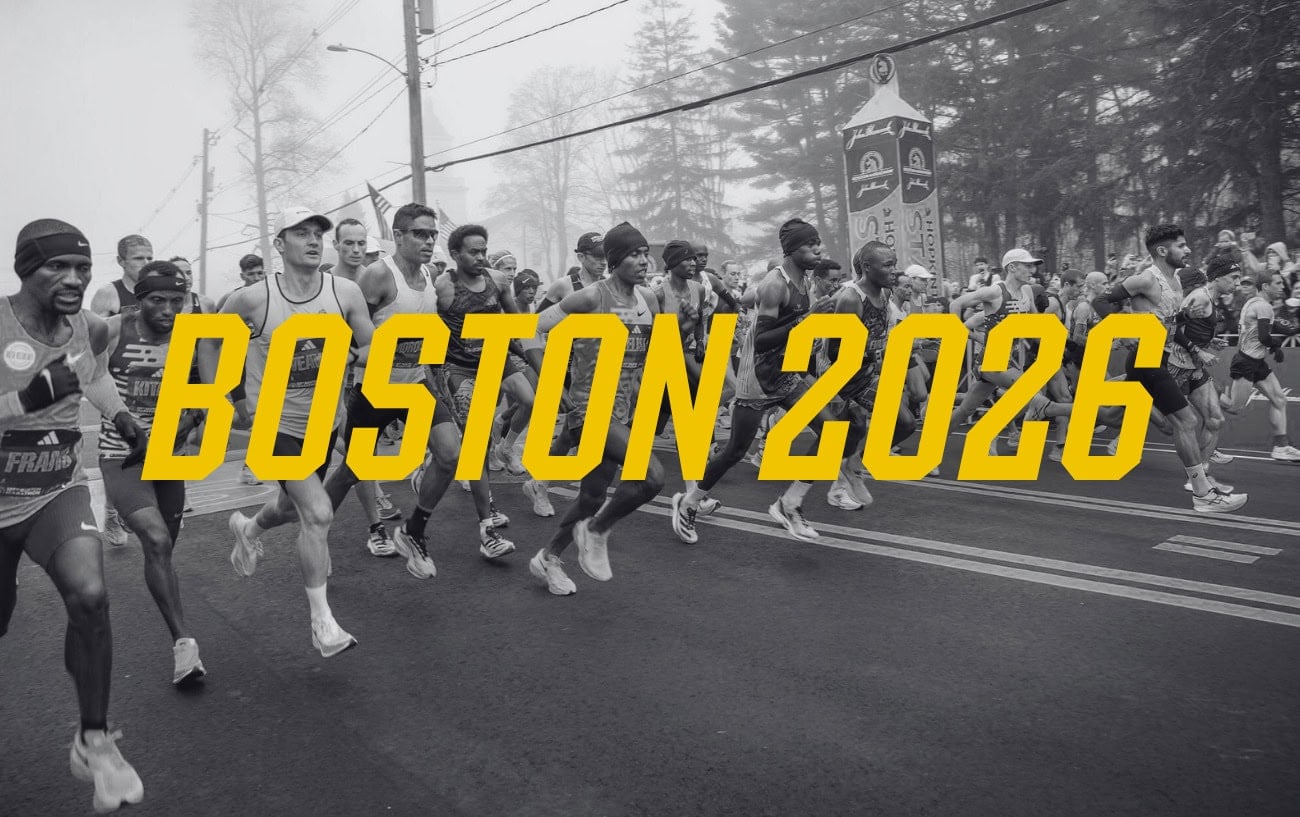
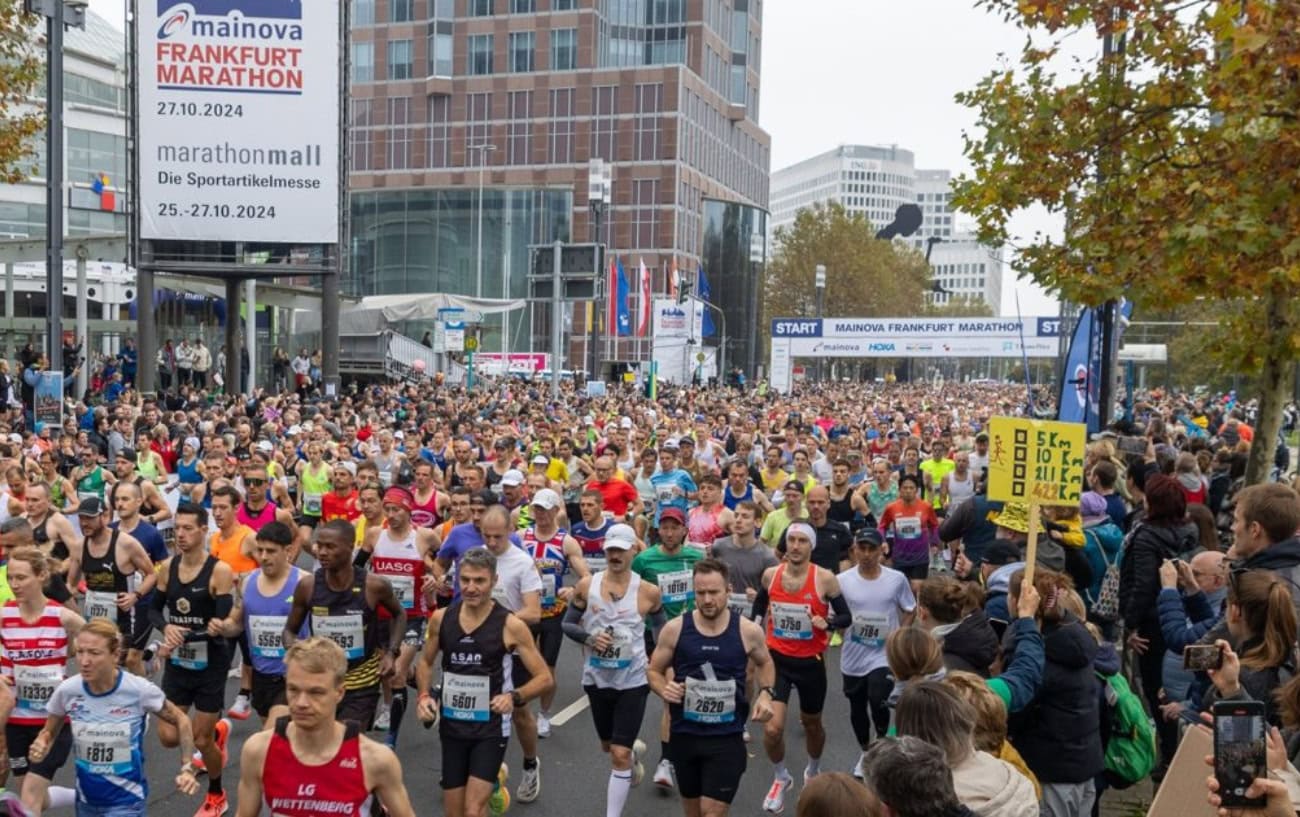
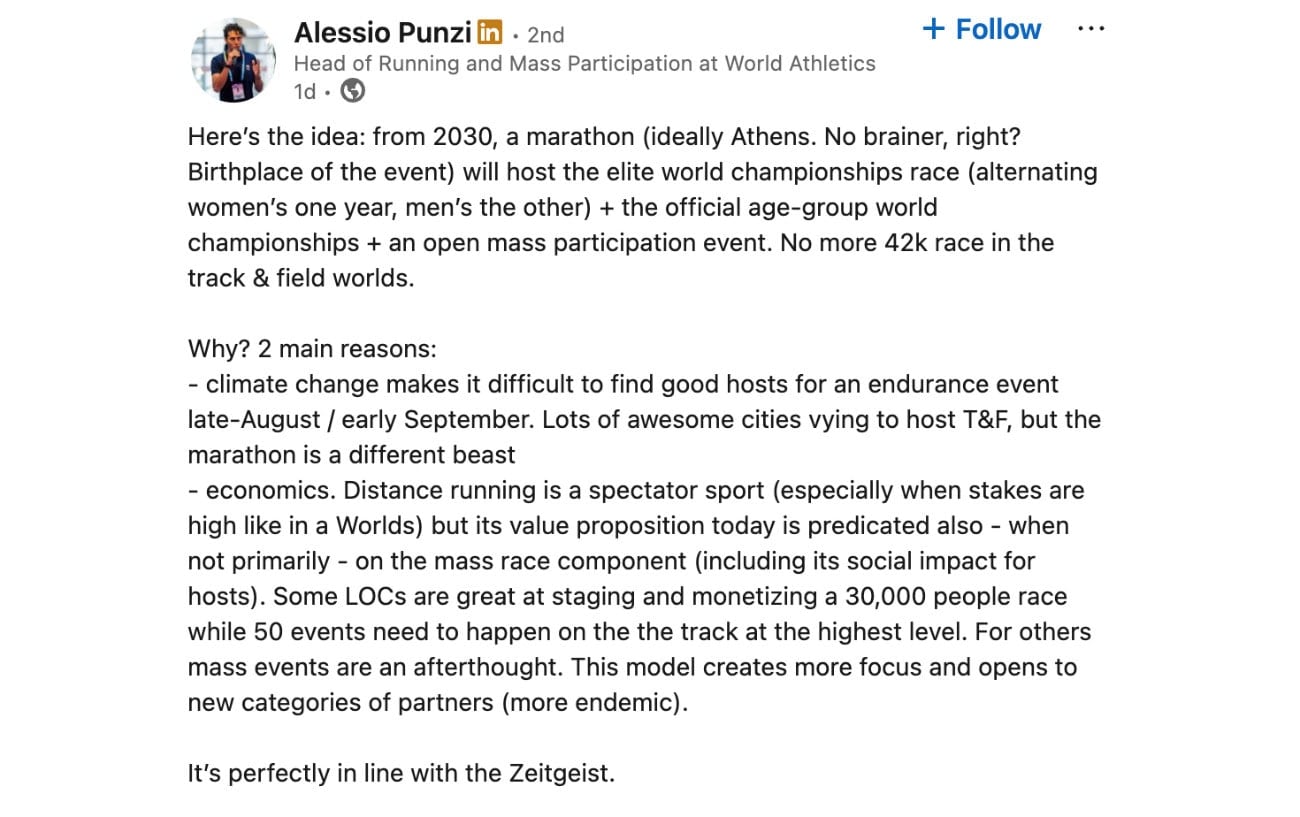
There is a version of the World Athletics Marathon Championships that becomes one of the great events in sport. A dedicated stage for the most universal race in the world, in cities that actually suit the distance, built around a culture of mass participation rather than squeezed awkwardly between a 400m hurdles final and a triple jump. The announcement earlier this week that the marathon is getting exactly this from 2030 is, in that sense, genuinely exciting.
But the more you look at the structure of what’s been proposed, the more questions start to stack up. And some of them don’t have great answers.

The Alternating Format Cuts the Event in Half
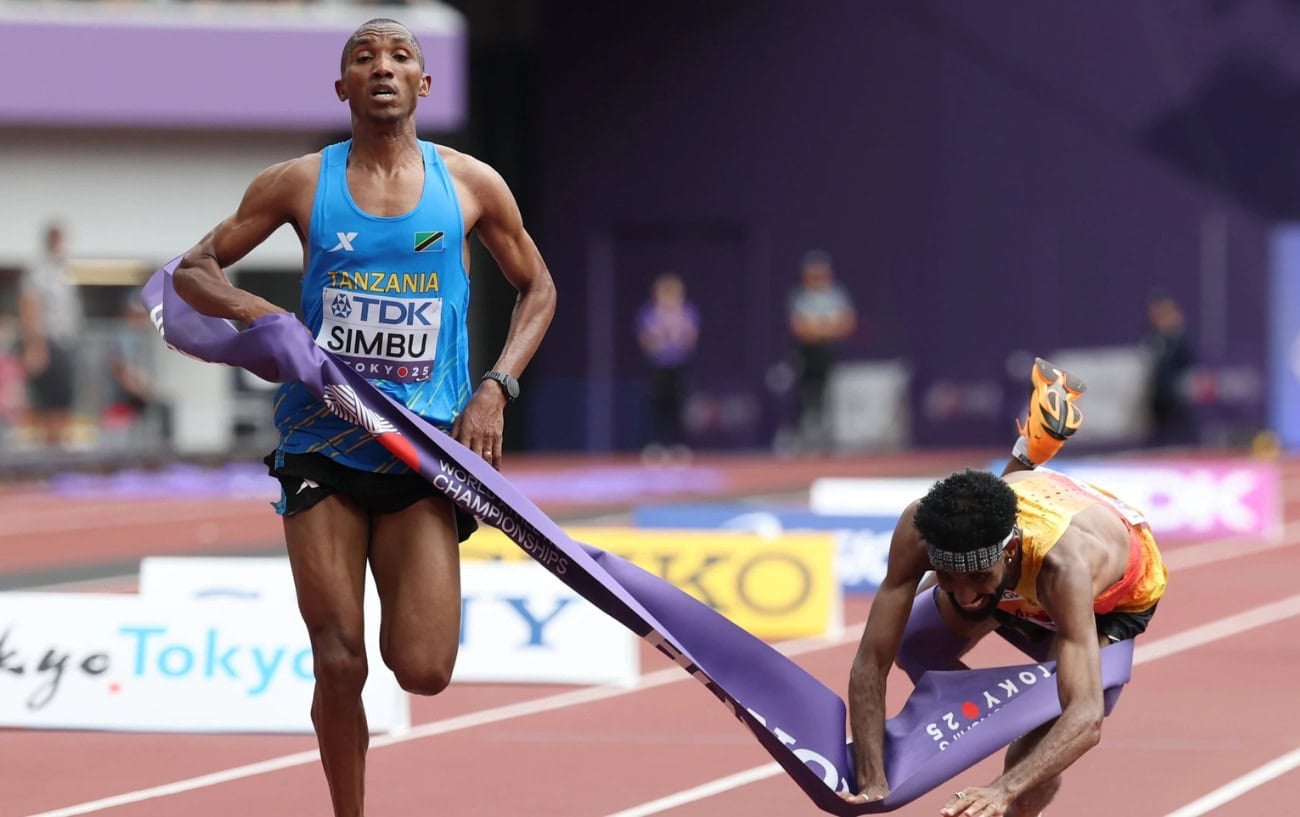
The first issue is the decision to run men’s and women’s races in alternate years. The logic is straightforward — one championship per year, rotating genders — but it creates a problem that no other major marathon in the world has.
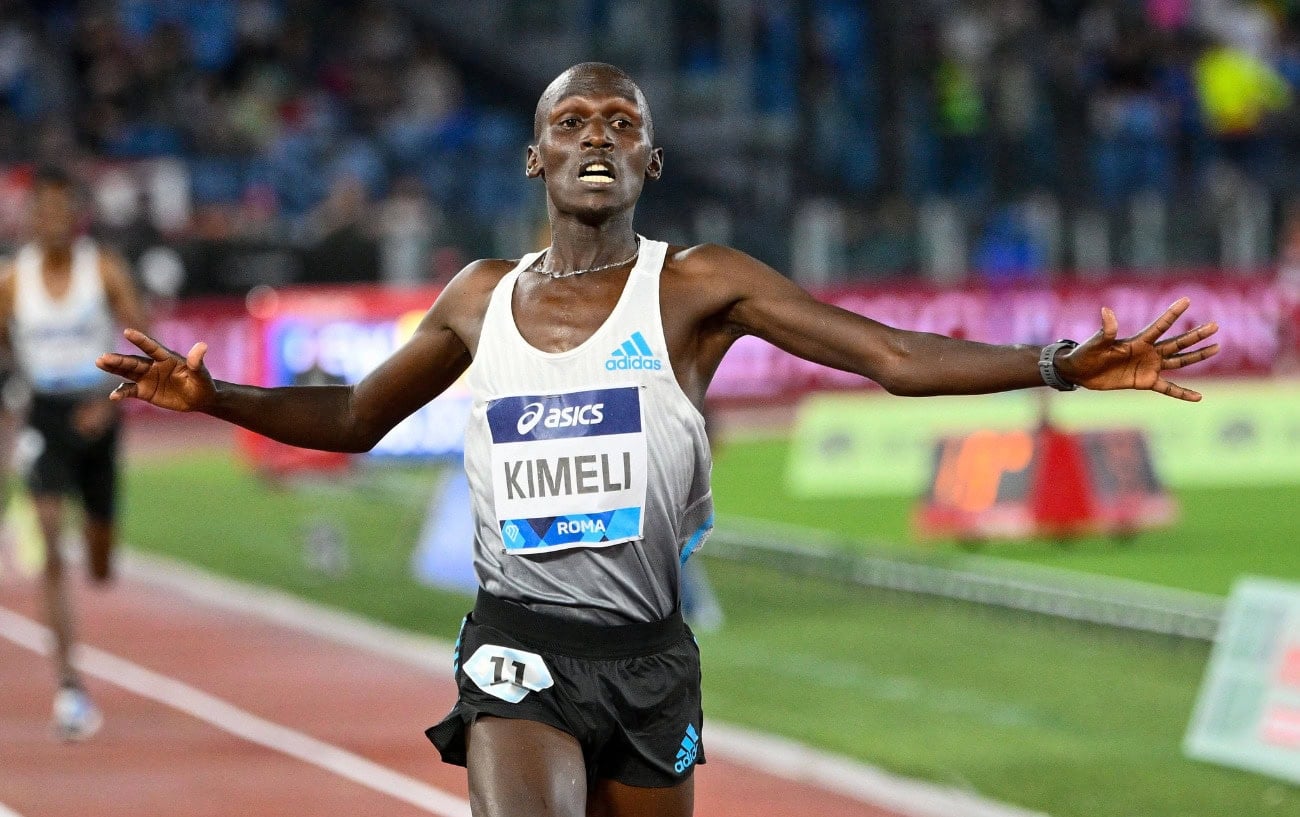
Boston, London, Berlin, Tokyo, the Olympics: every elite marathon that matters runs men and women on the same day, in the same city, in the same atmosphere. There’s a reason for that. The two races don’t compete with each other — they amplify each other. The drama of watching Tigst Assefa and Eliud Kipchoge both racing on the same morning, the city holding its breath twice, the double narrative arc: that’s what makes a marathon weekend feel like an event.
Split them across two years, and you halve the occasion. You also double the operational cost for World Athletics and for host cities, who now need to stage a world championship-level event every year rather than every two years. That financial burden will inevitably shape which cities put their hands up — and not necessarily in a good way.
The City Problem Nobody Is Talking About
The rotation model raises a deeper issue: which cities will actually host this? The answer, almost certainly, is not the ones you’d want.
The World Marathon Majors — London, Berlin, Tokyo, Boston, New York, Chicago, Sydney — are not going to hand their race weekends over to a World Athletics event. These races are billion-dollar operations built over decades.
Their brand equity, their sponsor relationships, their ballot systems, and their sellout fields are theirs. World Athletics has nothing to offer a city like Berlin or Tokyo that they don’t already have in abundance.
So the championship will travel to cities that want the prestige this event can provide — cities still building their international profile, keen to put themselves on the global running map. That’s not inherently a bad thing.
Athens is a perfect example of how this can work beautifully. But history suggests that the category of “cities keen to host World Athletics events” has a complicated track record when it comes to building genuinely world-class running culture. The risk is real that this championship spends its first decade bouncing between venues that are adequate rather than exceptional, and that the event’s reputation sets accordingly.
What a Season Would Actually Look Like
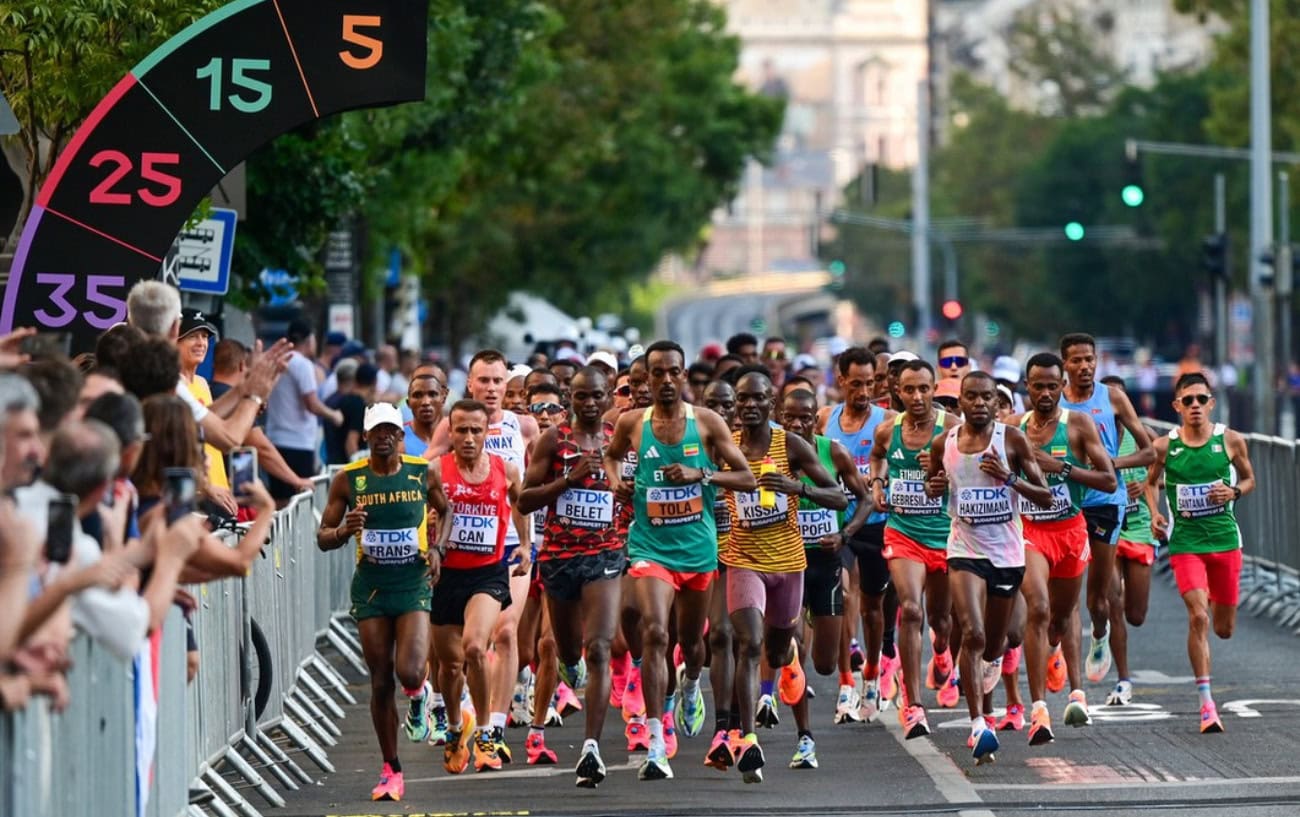
There’s also the question of the calendar. Will the championship run on Olympic years? If so, you have the world’s best marathoners choosing between two major global events within months of each other. If not, the championship is absent from the sport’s biggest years. Neither option is clean.
Compare this to how Formula 1 handles its calendar — not randomly, but as a deliberate season arc, with every race mattering to a cumulative title chase. There is no event in Formula 1 that exists in isolation. Every race feeds the narrative of a championship season, and that structure is a significant part of why the sport generates the commercial returns it does.
Marathon running has nothing equivalent. Every race is a standalone event. There is no season. There are no points. There is no story that carries across twelve months.
The Bigger Opportunity That Was Left on the Table
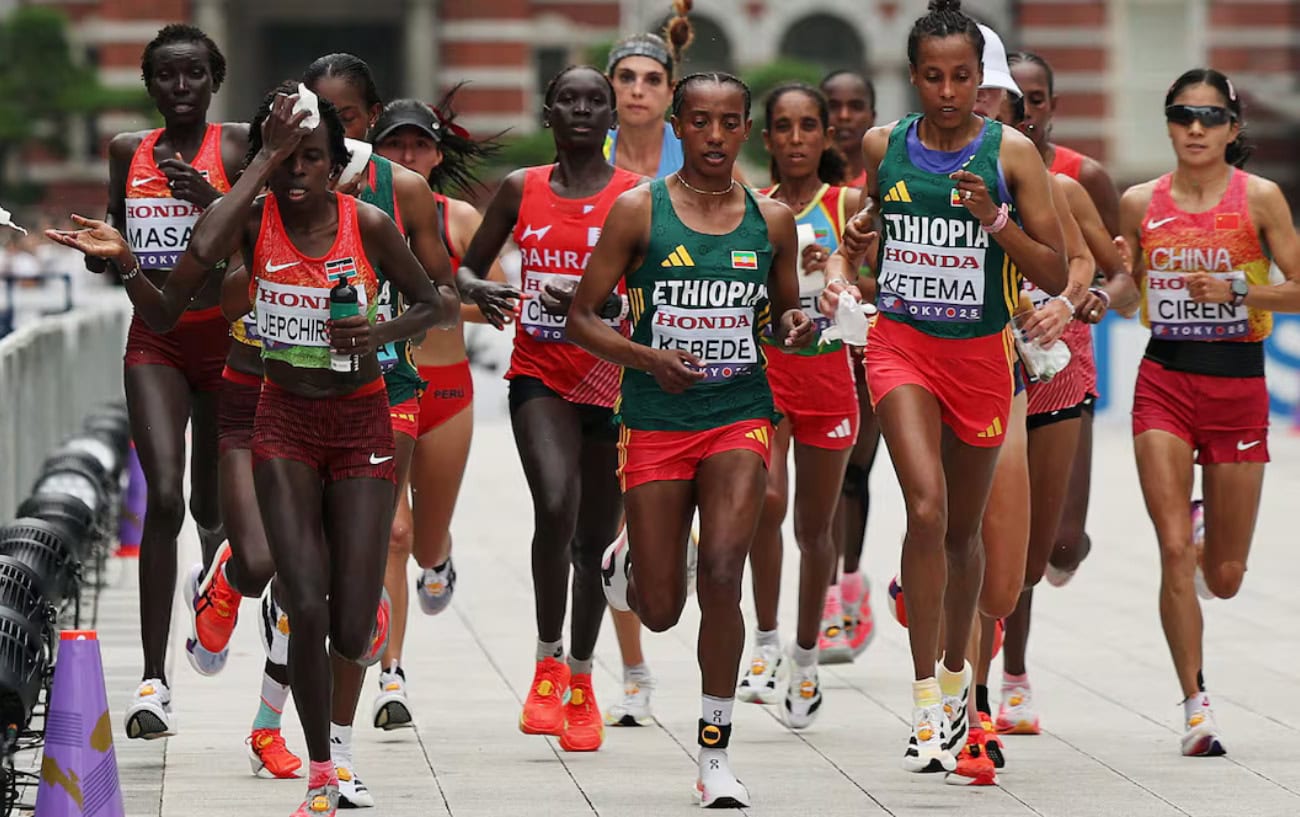
The most compelling version of this announcement would have been a genuine partnership with the World Marathon Majors: a seven-(maybe soon ten)-city season circuit, points accumulated across the year, culminating in a championship finale.
Using Athens, the first host, as an example, imagine a Tokyo-to-Athens narrative arc — the season opener in Japan, the title decided in Greece. Runners building profiles across the season, fan bases following athletes across cities, broadcasters with a year-long story to tell rather than a single afternoon.
Go further still, and there’s an argument for borrowing the team model that has made Formula 1 the most commercially successful motorsport in history. The reason F1 prints money is not just the drivers — it’s the constructors. Brand rivalries. Technological development within strictly defined rules. A dual championship where both the individual and the team title are on the line simultaneously.
Running already has the equivalent of a technology arms race in footwear, but it happens in the background, without narrative, without teams, without anyone scoring points from it. A sanctioned team structure — each team developing shoes at the bleeding edge of permitted technology, each fielding athletes, each competing for a constructors’ title alongside individual honours — would transform what marathon running looks like commercially.
The Right Idea, Still Looking for the Right Format
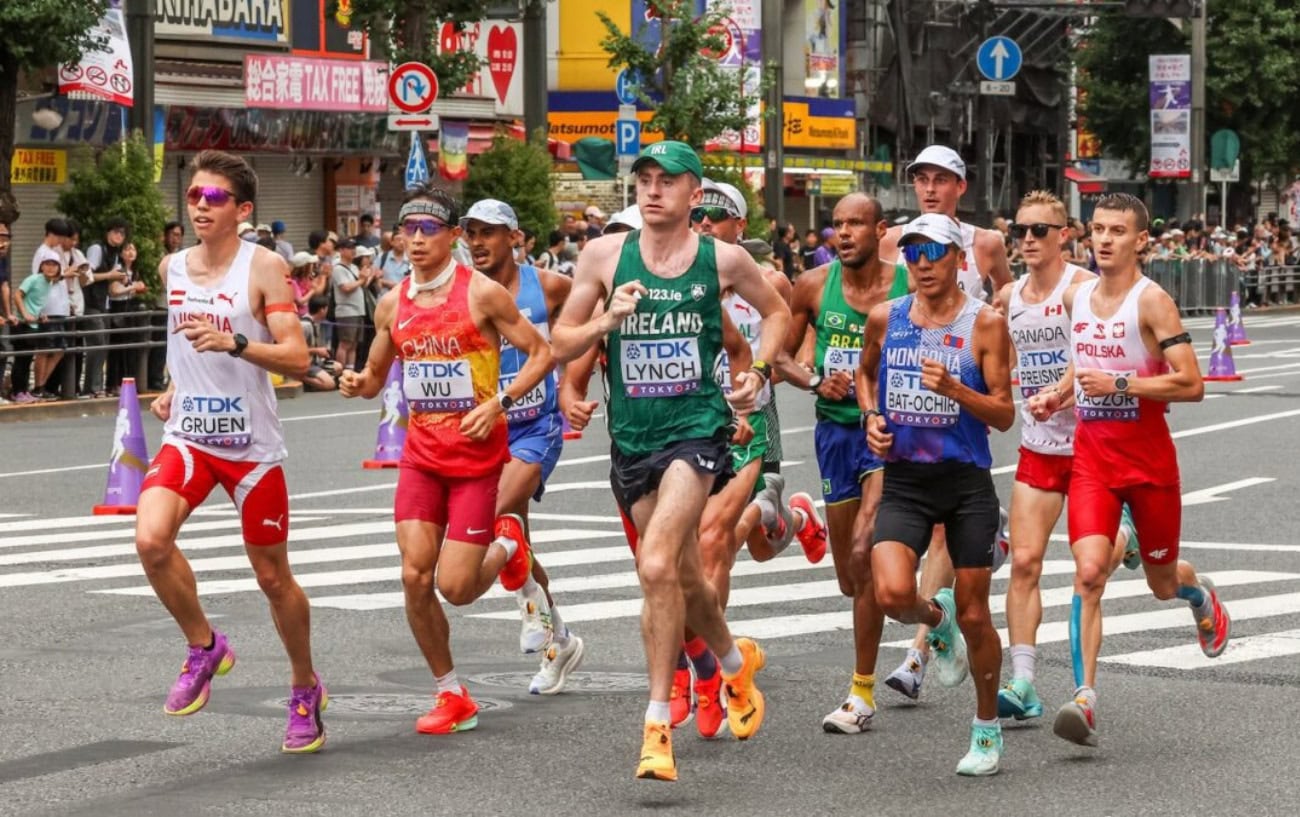
None of this is to say the standalone World Marathon Championships is a mistake. Separating the marathon from the track and field world championships is long overdue. The climate argument alone — the Doha 2019 debacle, the midnight start, the attrition rate — makes the case clearly enough. A dedicated event, held at the right time of year, in a city built for the distance, is genuinely better for the sport.
But “better than what came before” is a low bar. The marathon is experiencing a boom in popularity and participation like never before. Millions of people run it every year. It crosses every language, culture, and income bracket in a way that almost no other athletic event can claim. This was a moment to think ambitiously about what a world championship for that sport should look like — not just a repackaged version of the current model with a different logo on it.
The bones of something great are here. Whether World Athletics builds it that way remains to be seen.