


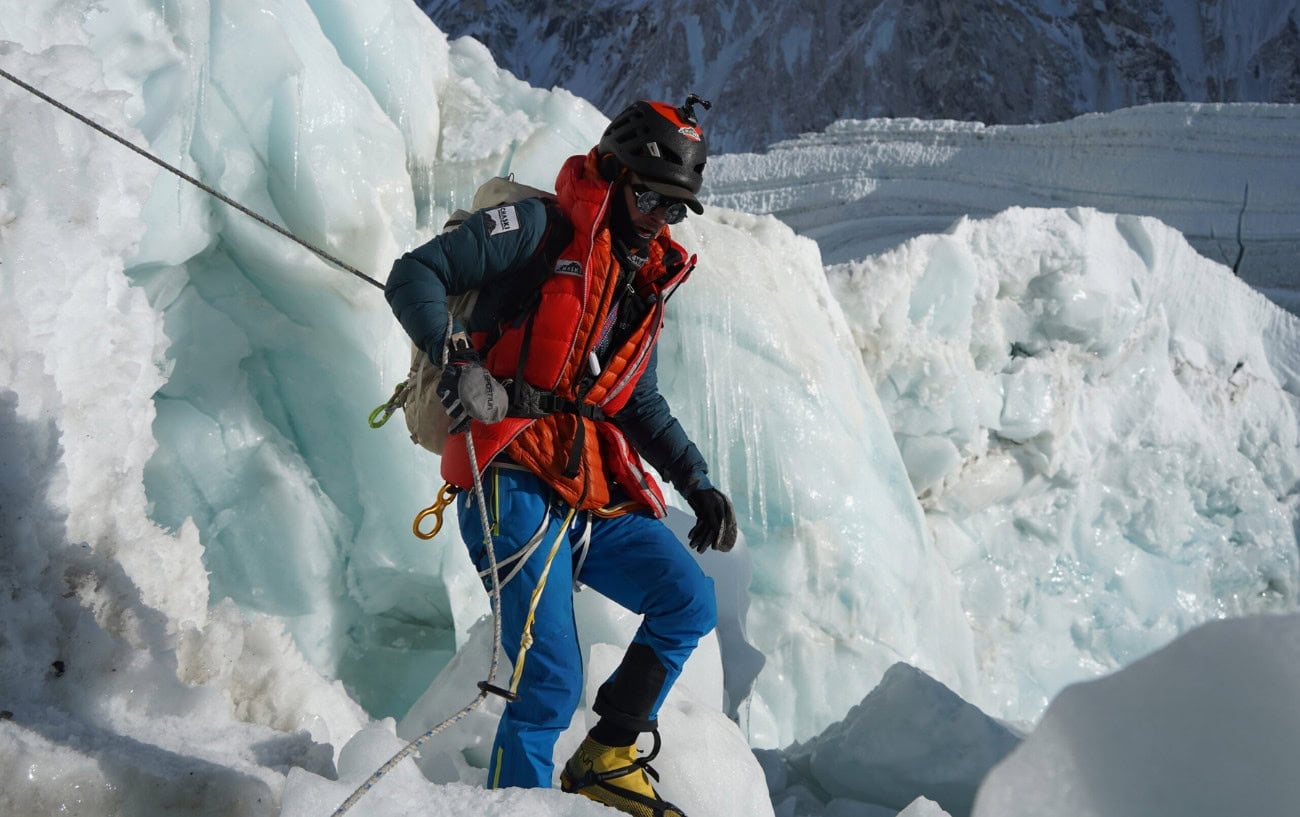
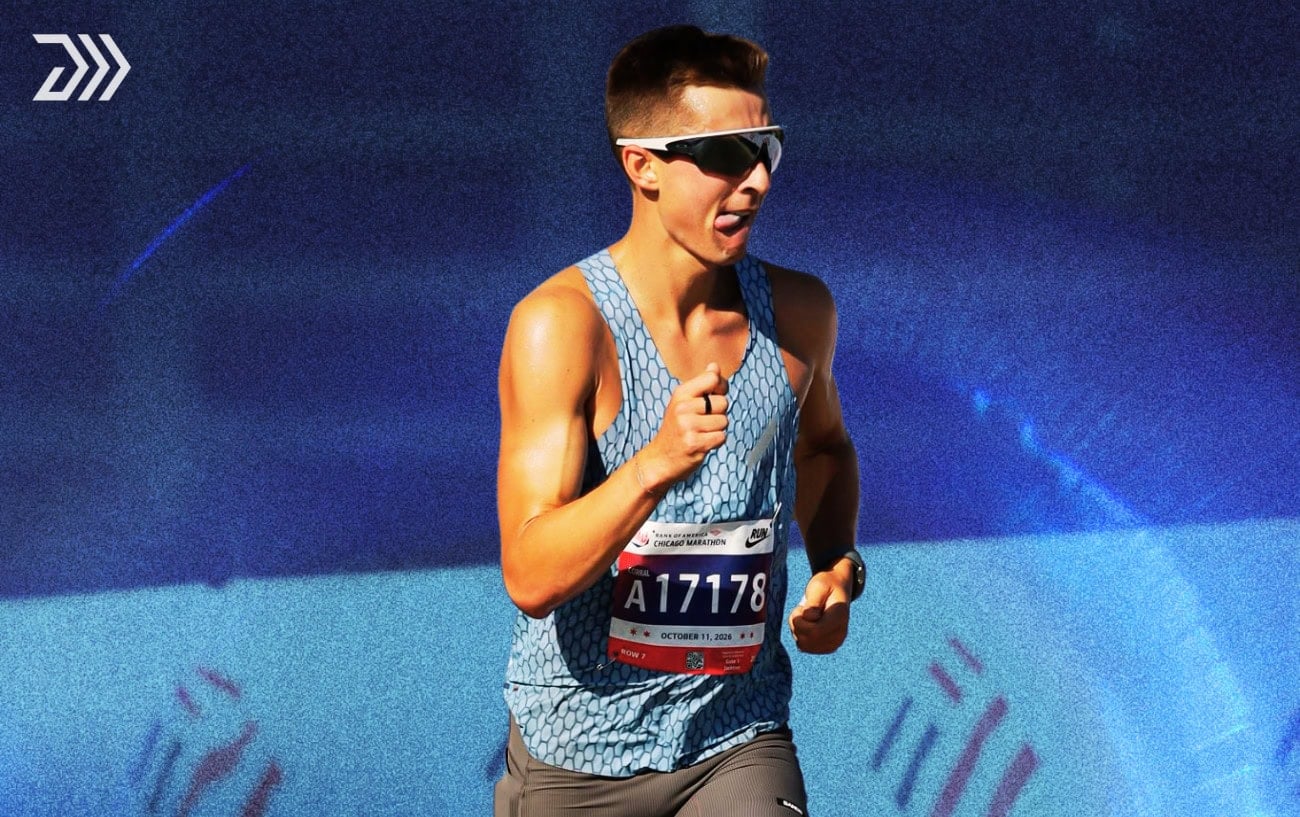
Tyler Andrews, an American distance runner and cancer survivor, reached the summit of Mount Everest before dawn on Thursday in 9 hours and 55 minutes, his expedition team said. The time, pending verification by Nepal’s mountaineering authorities, shaves just over an hour off the previous oxygen-assisted speed record, CBS News and AFP reported. The earlier mark was set in 2003 by Nepali climber Lhakpa Gelu Sherpa at 10 hours and 56 minutes.
Andrews, who grew up in Concord, Massachusetts, climbed the 29,032-foot peak solo. Guides supplied him with bottled oxygen, food, and water along the route. His team tracked the ascent by GPS and posted live updates on his Instagram.
“He reached Everest’s peak in just 9 hours 55 minutes,” team leader Dawa Steven Sherpa of Asian Trekking told Agence France-Presse.
From cross country to the world’s highest peak
For runners following Andrews’s career, the climb caps a long progression that started on a high school course. He told CBS Boston last month, while training in Wellesley, Massachusetts, that the mountain has always sat at the end of that road.
“I’ve been training as an athlete all the way from high school cross country to running marathons to running in the mountains and, you know, Mount Everest is kind of the pinnacle of all of that,” he said.
It is familiar territory for readers who followed Andrews’s earlier project. In December, he set a world record for the Everest Treadmill Challenge, climbing the equivalent vertical of the mountain on a fixed 20 percent incline in 8 hours, 17 minutes, and 9 seconds.
This was not his first attempt on the real peak this season. Earlier in May, Andrews set out to break the no-oxygen speed record of 22 hours and 29 minutes. He turned back. Then he reset and switched targets to the oxygen-assisted mark.
“Let’s finish ‘er up!” Andrews wrote on Instagram on Friday, shortly before starting his second attempt.
Andrews, who has said he is a cancer survivor, is using the climb to raise money for young athletes in Ecuador and Nepal who lack access to coaching and equipment.
How his time stacks up
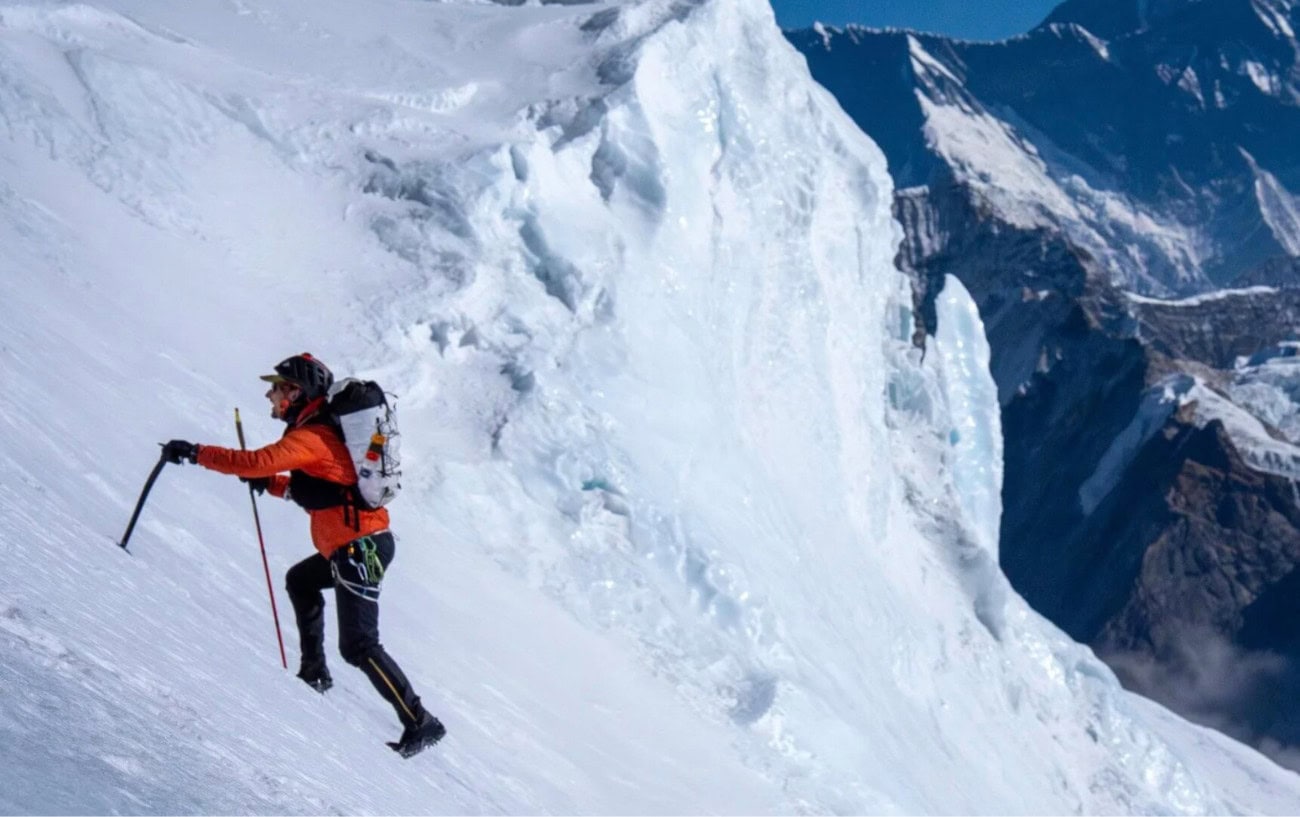
Speed records on Everest are tightly tied to oxygen use. Andrews’s mark beats the oxygen-assisted record. The faster no-oxygen ascent from Base Camp to the summit, 26 hours, still belongs to Spanish mountain runner Kilian Jornet, set in 2017.
For context on how athletes prepare to move fast in the death zone, where oxygen levels drop to roughly a third of those at sea level, see our guides to high altitude training, altitude acclimatization, and training for high-altitude hiking and running.
For runners curious about the speed-record world Andrews now sits in, our explainer on Fastest Known Times covers how these records are verified and chased. And for anyone wondering what an Everest attempt actually costs, we broke that down in how much it costs to climb Mount Everest.
A crowded and deadly season
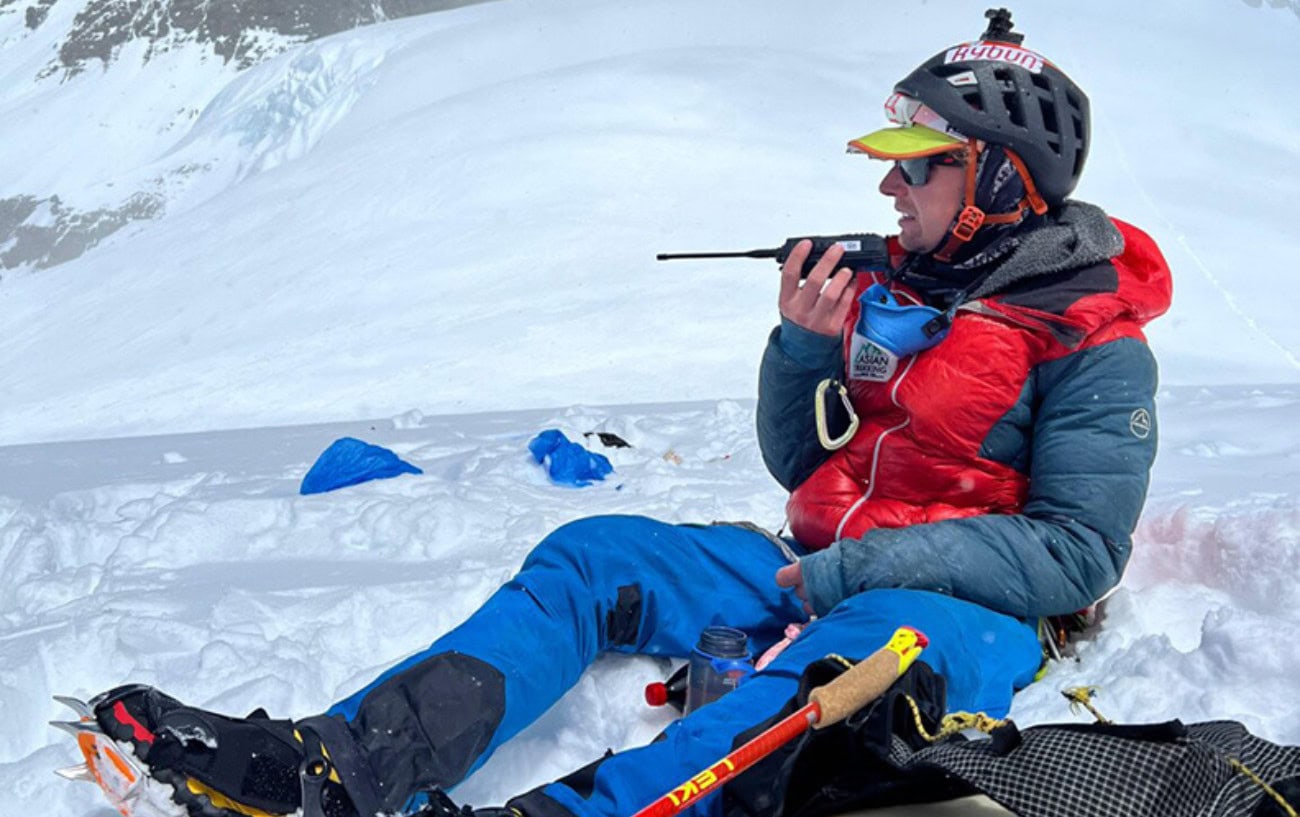
The record run lands in the middle of one of the busier seasons on Everest. More than 950 people have summited so far this spring, with the weather window for safe climbs closing fast. Five people have died on the mountain this season, including two Indian climbers and three Nepali workers involved in route preparations. That is well below the 18 deaths recorded in 2023, the deadliest season in Everest history.
Kami Rita Sherpa, the veteran Nepali climber who reached the summit for a record 32nd time earlier this month, said on Friday that the crowds have become a problem. He spoke to reporters at Kathmandu airport after flying back from the mountain.
“It was very crowded this year compared to last year because there was more clients,” Kami Rita Sherpa said. “There is a need for authorities to control this number.”
Photographs from the upper reaches of the mountain this season show long lines of climbers clipped to fixed ropes in the icy, low-oxygen zones near the summit. The trend reflects a wider boom in mountain running and high-altitude adventure, where elite athletes share fixed lines with paying clients.
Earlier this month, an American climber and a Czech climber died on Mount Makalu, the world’s fifth highest peak. Days before Andrews’s run, Bianca Adler, a teenager from Melbourne, became the youngest Australian to summit Everest.
For now, the record sits with Andrews, pending the paperwork from Kathmandu. His GPS track is public. The endurance community will be watching to see if the certification comes through, and whether anyone tries to chase the new mark next spring.
RunClub
Get more running stories — join RunClub
Daily running news, a community of 300,000+ runners, free training plans for every distance, and a daily running game. Free to join — no card.
Already a member? Log in →







Start the conversation