


Cam Hanes went on the Joe Rogan Experience this week and gave his most detailed public account so far of what he has been taking. He confirmed BPC-157, stem cell therapy at Ways2Well, past TRT use, and a long history of over-the-counter supplements going back to a 2011 blog post that is still on his website. He also confirmed, for the first time on the record, that USADA has been in contact with him directly about the case.
The episode ran roughly two and a half hours. Most of it was on other topics: the UFC fight at the White House, public land politics, the Mike Lee roadless rule, Iran. The doping conversation moved into the back third of the show, where Hanes had the floor for the bulk of it. Rogan, who has hosted him before, opened the segment by noting that Hanes had been running marathons with a broken foot for two years before he sought treatment.
For runners tracking the case Sage Canaday opened with USADA, several pieces of new information came out.

A specific timeline, finally
Hanes laid out a detailed timeline for the first time. He broke his foot on June 16, 2024, in a race. It was a Jones fracture, the kind of break that doesn’t reliably heal without surgery because of the limited blood flow in that part of the foot. His surgeon, who works with the University of Oregon football team, told him there was no guarantee that surgery would work the first time and he might need follow-up procedures to remove hardware. Hanes decided to try alternatives.
He went to Ways2Well, the Texas clinic founded by Brigham Buhler, in July 2024. He returned in November 2024, and that’s when he got a stem cell injection plus the single BPC-157 dose he is now associated with. According to Hanes on the Rogan episode, that November visit was the only time he has used BPC-157. He has not used it since.
He says he has also stopped TRT. His last prescription was filled in September of last year, and four of the ten doses are still sitting at home. He attributed the decision to performance rather than the rules. “I run better with low testosterone, which is weird,” he said, citing elite female ultra runners as a comparison point and saying that lower testosterone seems to help him with extreme endurance.
What he says he is currently taking is fish oil, magnesium, and whatever his wife Tracey gives him. That’s it.
USADA has been in touch
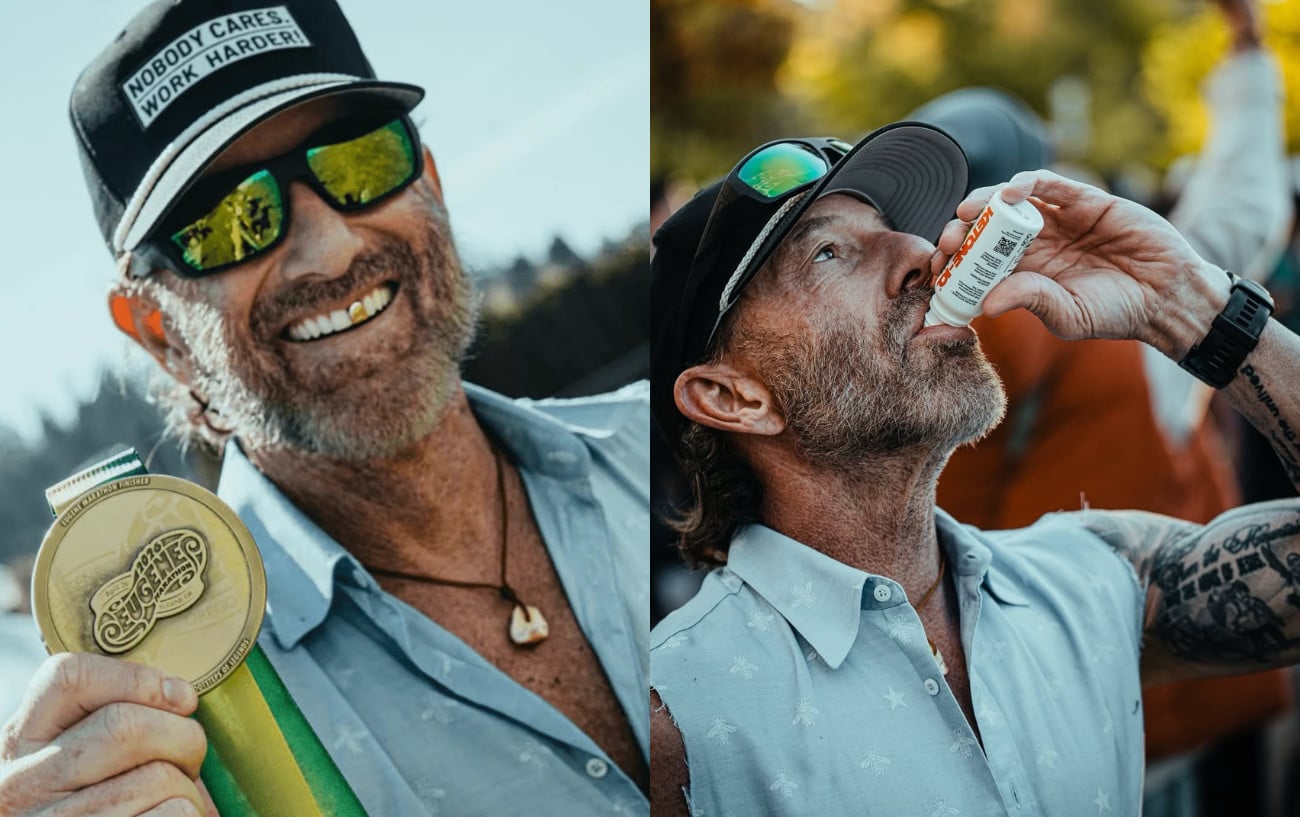
The new piece of news from the episode is that USADA has been in contact with Hanes directly. He described “two really nice emails” from the agency that he said he has not yet responded to. He did not say what the emails asked for or how he plans to handle them.
USADA does not comment on open investigations, though the agency has publicly flagged BPC-157 as a prohibited substance that creates risk for athletes. What is public about this case is that Canaday filed a tip after the Eugene Marathon, that he provided screenshots and time-stamped video of Hanes’ Instagram comments, and that the agency followed up. The Eugene Marathon is the Oregon USATF championship, which puts it under USADA’s jurisdiction even though the race did not drug-test any of its 9,000 finishers.
The waiver argument
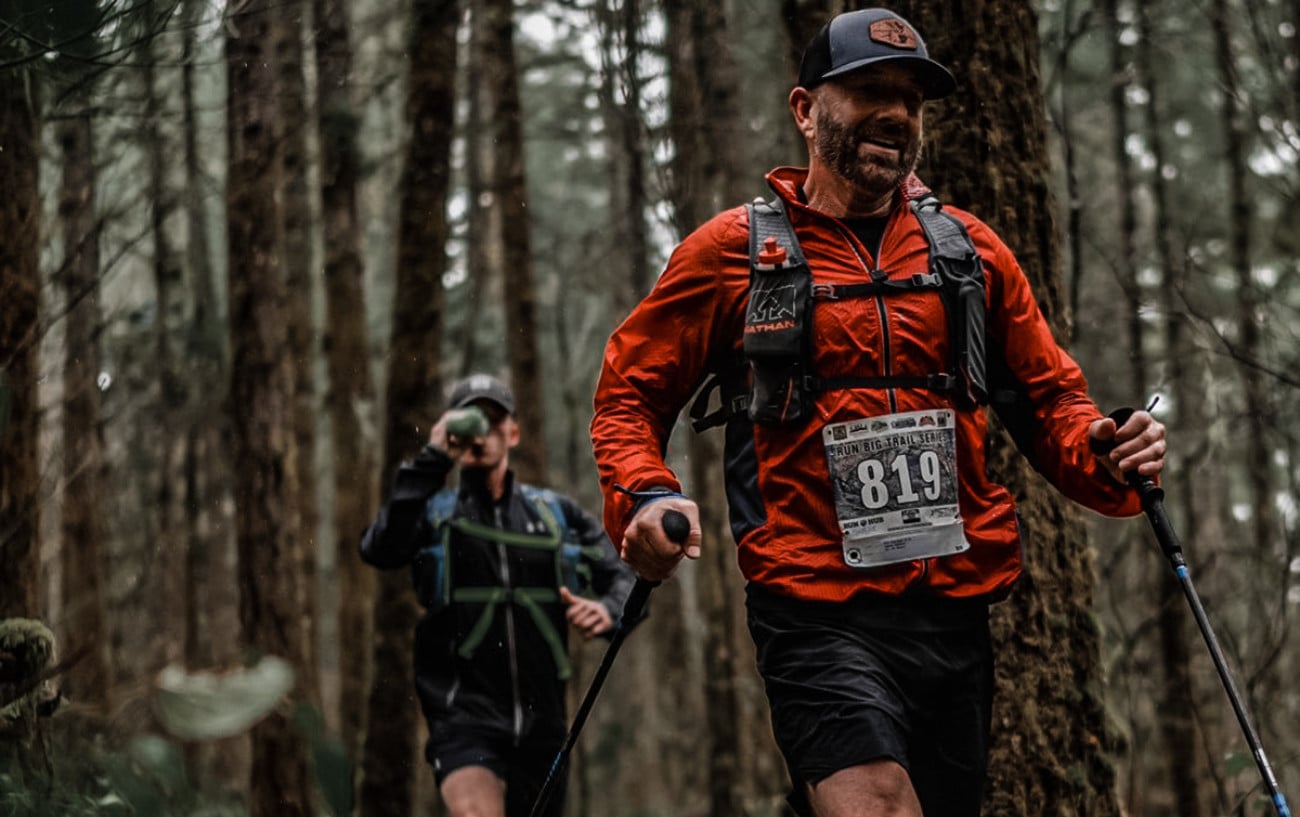
Hanes spent a long block on the podcast on what he sees as the procedural problem with the case. He says the race waiver he signed at Eugene did not include the USATF anti-doping language he believes should be there for a sanctioned championship. He pulled up his copies of both the Eugene Marathon and Cocodona 250 waivers after the dispute started. He says they covered liability and insurance, with no mention of drug testing rules or the WADA prohibited list.
“It says it must include this,” Hanes said, reading from his understanding of the USATF rules. “Their own rules say it must be included. I’ve never seen this language. It was never included in anything that I’ve agreed to with these in regard to these races.”
Hanes has not denied the BPC-157 use at any point. His argument is procedural, about notice and jurisdiction, rather than about whether he took the substance.
How Rogan handled the conversation
Rogan, who has discussed his own TRT use publicly and has hosted Brigham Buhler of Ways2Well as a podcast guest, defended Hanes’ framing throughout the segment. He argued that BPC-157 is a healing peptide rather than a classic performance enhancer. He pointed out that a single dose in November 2024 would not be active in a marathon run in April 2026. He characterized Canaday’s criticism as personal and pointed to Canaday’s stated veganism and opposition to hunting as part of the underlying disagreement.
Hanes, for his part, said he respects USADA and clean sport at the elite level. His point throughout was that he is not an elite athlete bound by those rules and was treating an injury rather than enhancing performance.
What’s new in the timeline
The argument Hanes laid out on Rogan was not different in substance from his earlier public statements. His position is the same: he’s a bowhunter, not a professional athlete; he took one peptide injection two years ago to avoid foot surgery; Olympic-level rules should not apply the same way to a 58-year-old amateur.
What is new are the specific dates (June 2024 injury, November 2024 BPC-157, nothing since), the confirmation that he has stopped TRT and has unused prescription doses sitting at home, and the disclosure that USADA has been in contact.
He also described his current training in more detail than before. He is down to 152 pounds, working with a coach for the first time in his life, getting full sleep, doing track sessions for stimulus, and spending around $2,000 a month on massage and body work. His earlier training, which is documented on his own blog and social media going back to 2008, was a marathon’s worth of running a day on top of a full-time job and a few hours of sleep.
The case remains with USADA. Hanes is back to training. Whether he races sanctioned events again in 2026, and whether the agency acts on the tip Canaday filed, are the open questions.
RunClub
Get more running stories — join RunClub
Daily running news, a community of 300,000+ runners, free training plans for every distance, and a daily running game. Free to join — no card.
Already a member? Log in →









Start the conversation