


The NCAA has been rocked by another revelation involving a Kenyan athlete competing while under a provisional doping suspension.
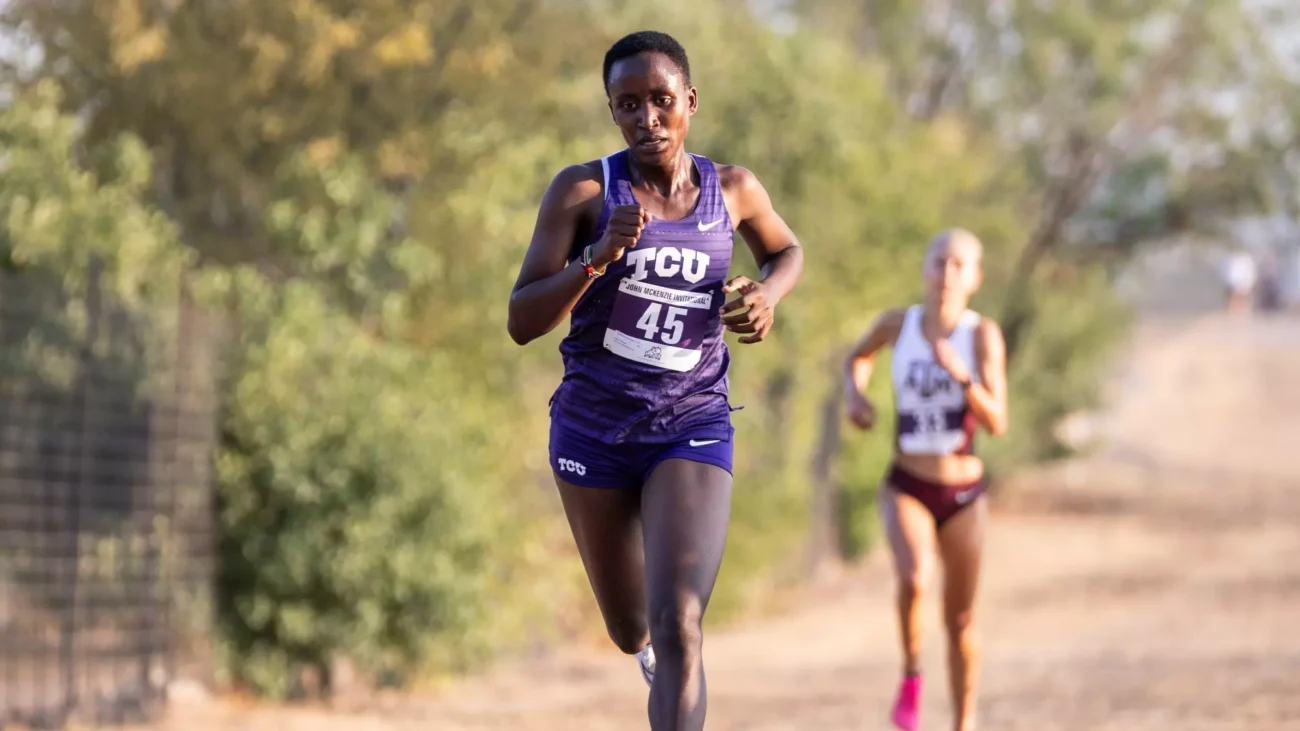
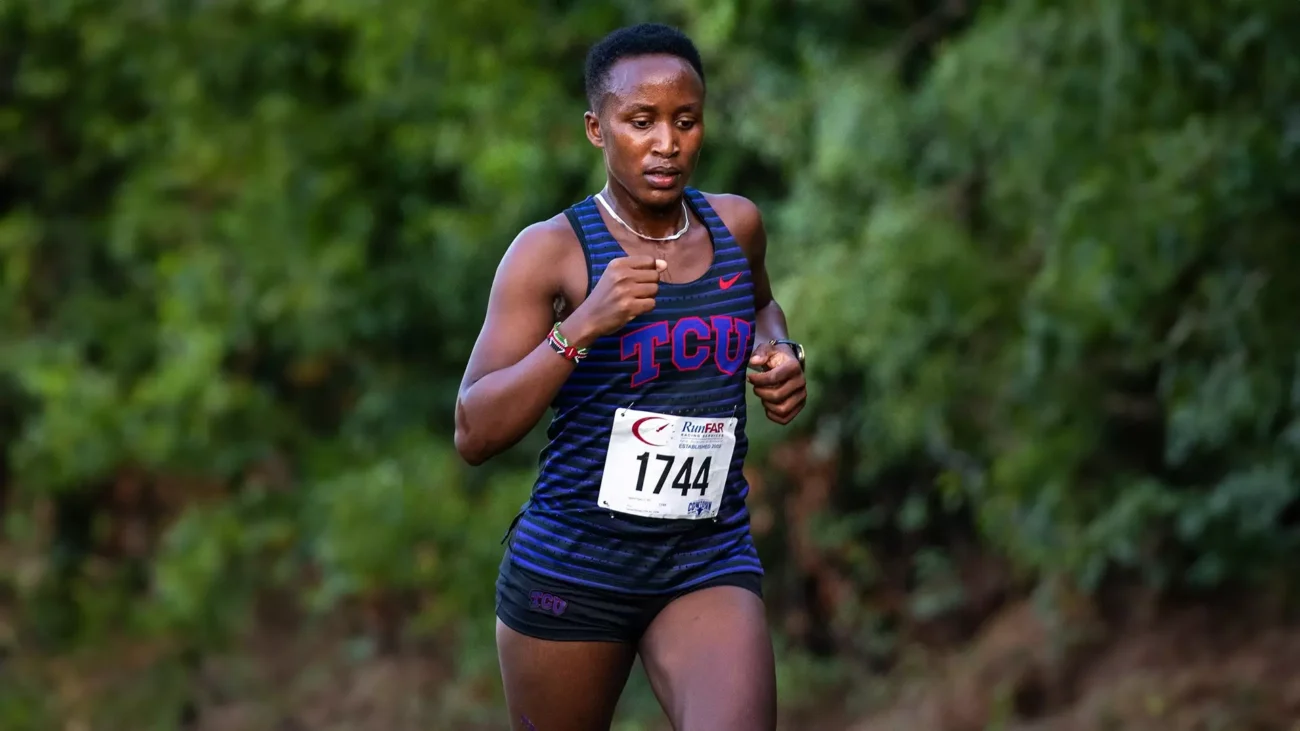
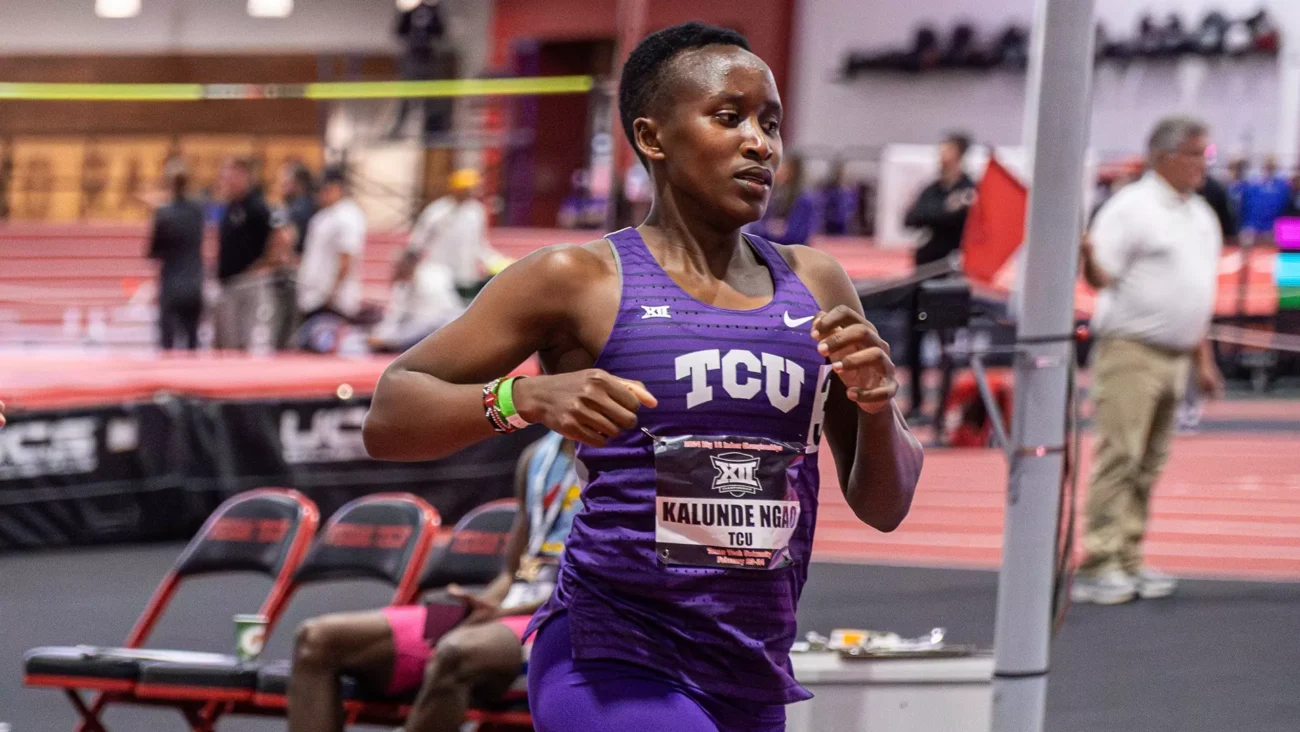
This time, it’s Texas Christian University’s (TCU) Tabitha Ngao, the 2025 Big 12 1000m champion.
Despite being provisionally suspended, Ngao raced in eight meets during the 2024-25 indoor season, including her title-winning performance at the Big 12 Indoor Championships on March 1.
This comes just weeks after a similar case involving Tulane’s Caroline Jeptanui, who finished 12th at the NCAA Cross Country Championships in November but was later revealed to have been serving a provisional suspension since September 28, 2024.
ADAK (the Anti-Doping Agency of Kenya) confirmed Ngao’s suspension for “whereabouts failures,” meaning she likely missed multiple required drug tests. The details of when her suspension began remain unclear, but it’s evident that she was competing while already ineligible.
TCU eventually scratched her from the NCAA Indoor Championships, with her spot going to the next-fastest qualifier, North Florida’s Smilla Kolbe. However, it’s unclear when exactly TCU became aware of her status.
A Growing Doping Crisis in Kenya
These cases aren’t happening in a vacuum.
Kenya has been grappling with a massive doping problem that threatens the credibility of its world-renowned distance running program for years now.
In recent years, Kenya has seen a surge in athletes being caught using banned substances, prompting concerns about systemic issues within the country’s athletics infrastructure.
By the end of 2024, the AIU reported 481 athletes and support personnel on its ineligibility list. This global list represented individuals who received bans from athletics for violating anti-doping regulations.
Kenya alone accounted for a significant portion of the list, 119 of the 481 athletes, or 24.74%, to be exact.
The root of the problem is complex, but it comes down to the extreme pressure to succeed.
Running is more than just a sport in Kenya—it’s a ticket to a better life. For many athletes, securing an NCAA scholarship or a professional contract means financial security for themselves and their families. With such high stakes, some turn to performance-enhancing drugs to gain an edge.
The NCAA’s Pipeline from Kenya—and Its Challenges
For years, Kenyan athletes have found life-changing opportunities through U.S. collegiate scholarships.
Organizations like Townhall Athletics help facilitate this pipeline, matching top Kenyan talent with American universities. This system has been a win-win: Kenyan athletes gain access to education and professional exposure, while NCAA programs benefit from elite distance runners who help maintain the U.S.’s competitive standing in the sport.
However, this system has also exposed challenges.
When Kenyan athletes enter the NCAA system, their doping histories don’t always follow them.
Communication between international anti-doping agencies and the NCAA is murky at best, and as these recent cases show, schools may not always be immediately aware of an athlete’s suspension status.
The result? Athletes competing while ineligible, eroding the credibility of the sport and creating an uneven playing field.
The Political Factor: Could NCAA Scholarships for Foreign Athletes Be at Risk?
All of this is unfolding at a time when the U.S. is reconsidering its stance on foreign athletes receiving scholarships.
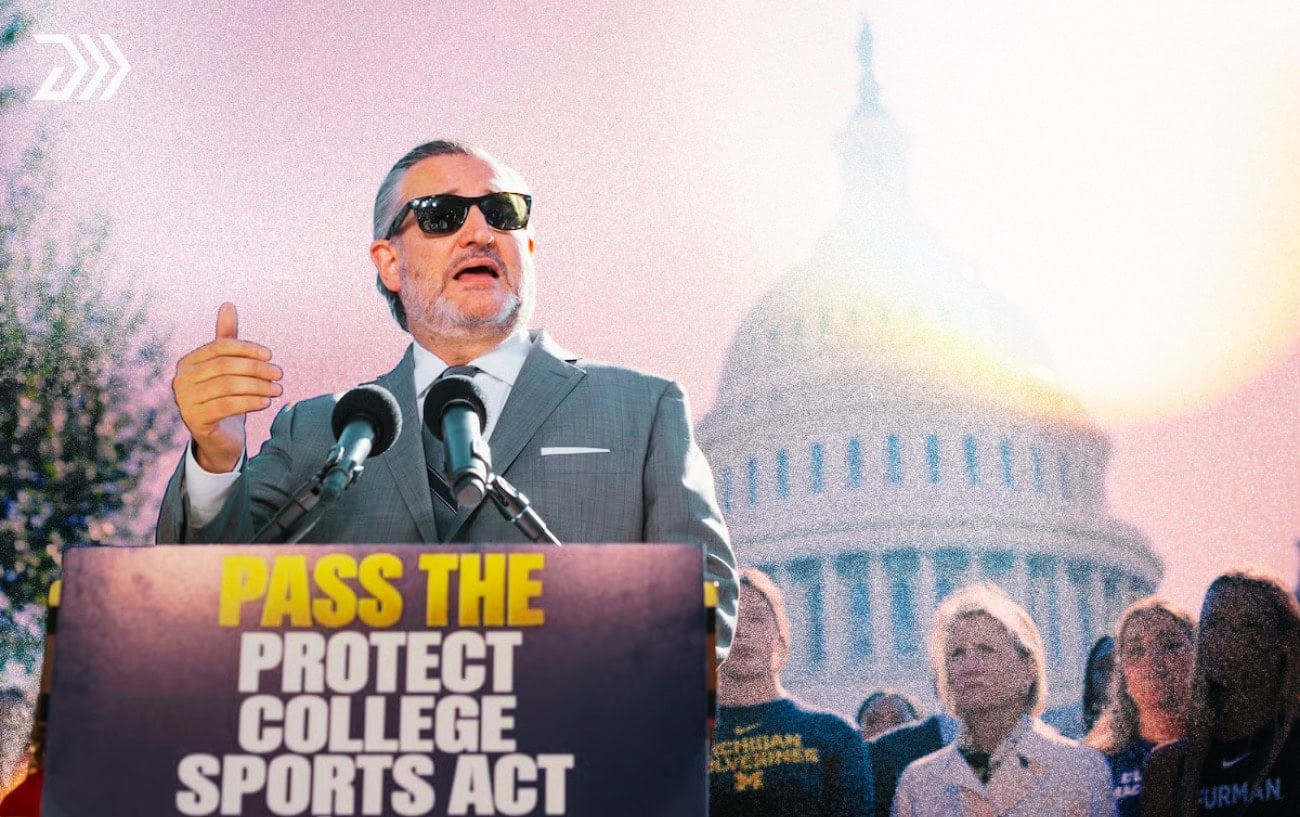
The Trump administration has floated policies that could significantly restrict international student-athletes from receiving athletic scholarship funds. In Texas, legislation has even been proposed to limit such funding.
If these measures take effect, it could drastically alter the landscape of college athletics, making it harder for international athletes—especially those from Kenya—to pursue opportunities in the U.S.
While this wouldn’t solve the doping issue, it could reduce the influx of top-tier international talent into the NCAA, potentially reshaping distance running at the collegiate level.
What’s Next?
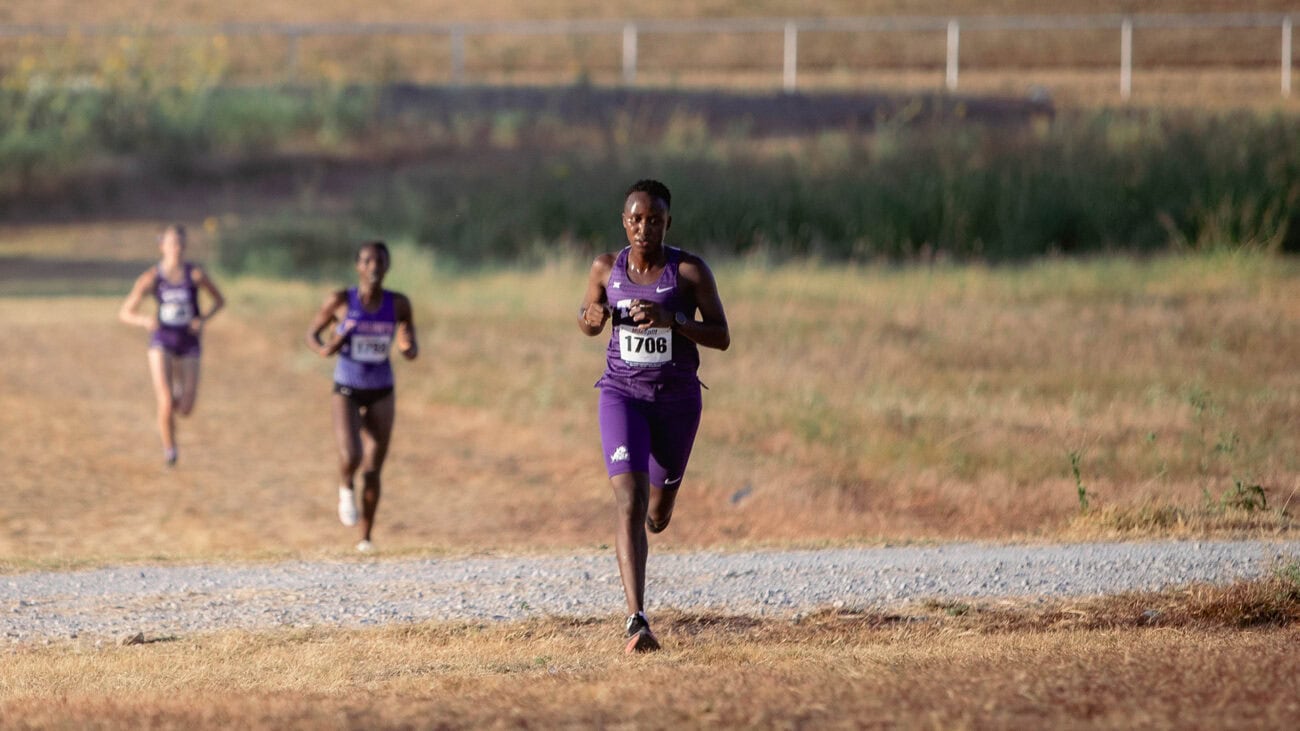
These recent cases raise serious questions about oversight in collegiate athletics. Should the NCAA do more to vet international athletes for doping violations? Should universities take a more proactive role in ensuring eligibility? One thing is clear: without better communication and enforcement, more cases like Ngao’s and Jeptanui’s will slip through the cracks.
For now, the NCAA, ADAK, and individual universities must work together to ensure a fair and clean competition environment. Otherwise, the credibility of collegiate distance running—and the opportunities it provides to young athletes—could be at risk.
RunClub
Get more running stories — join RunClub
Daily running news, a community of 300,000+ runners, free training plans for every distance, and a daily running game. Free to join — no card.
Already a member? Log in →







Start the conversation