He did it.
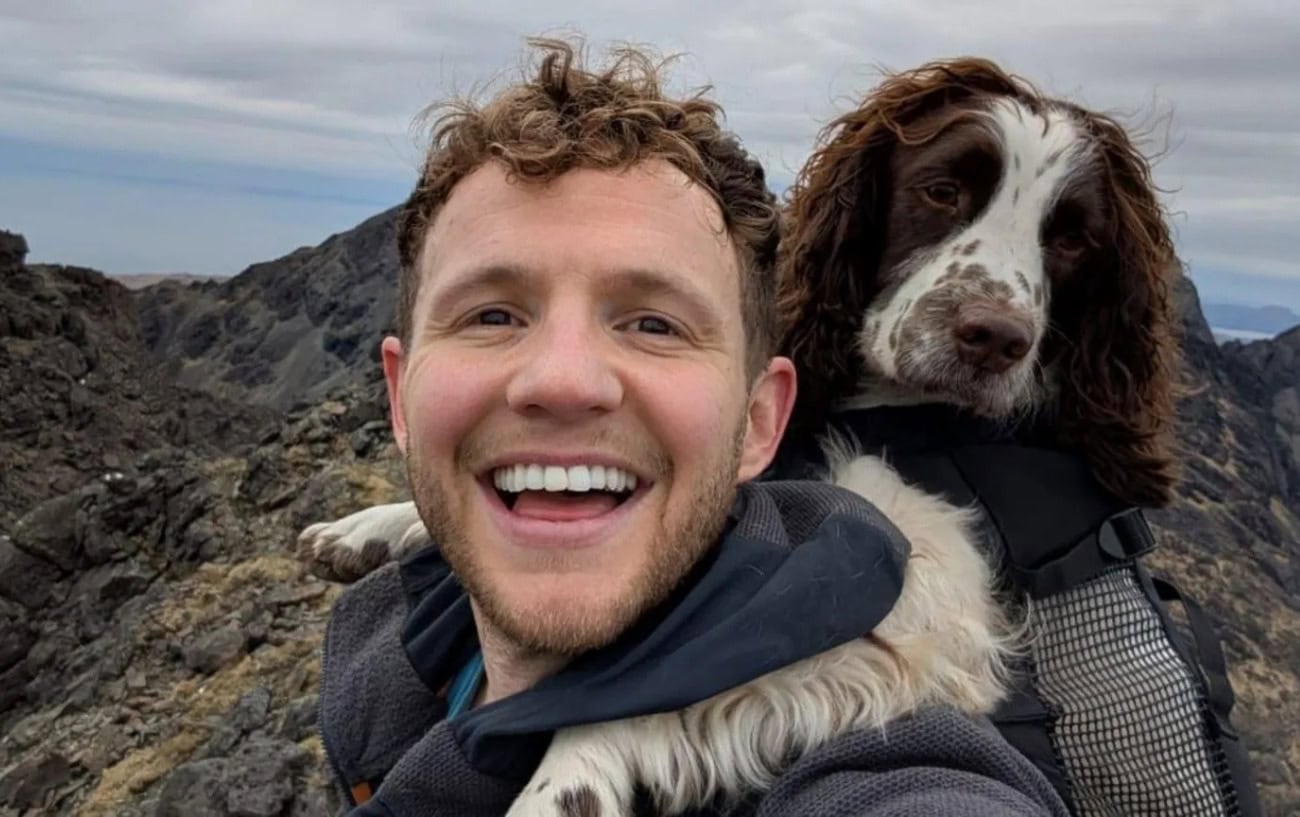
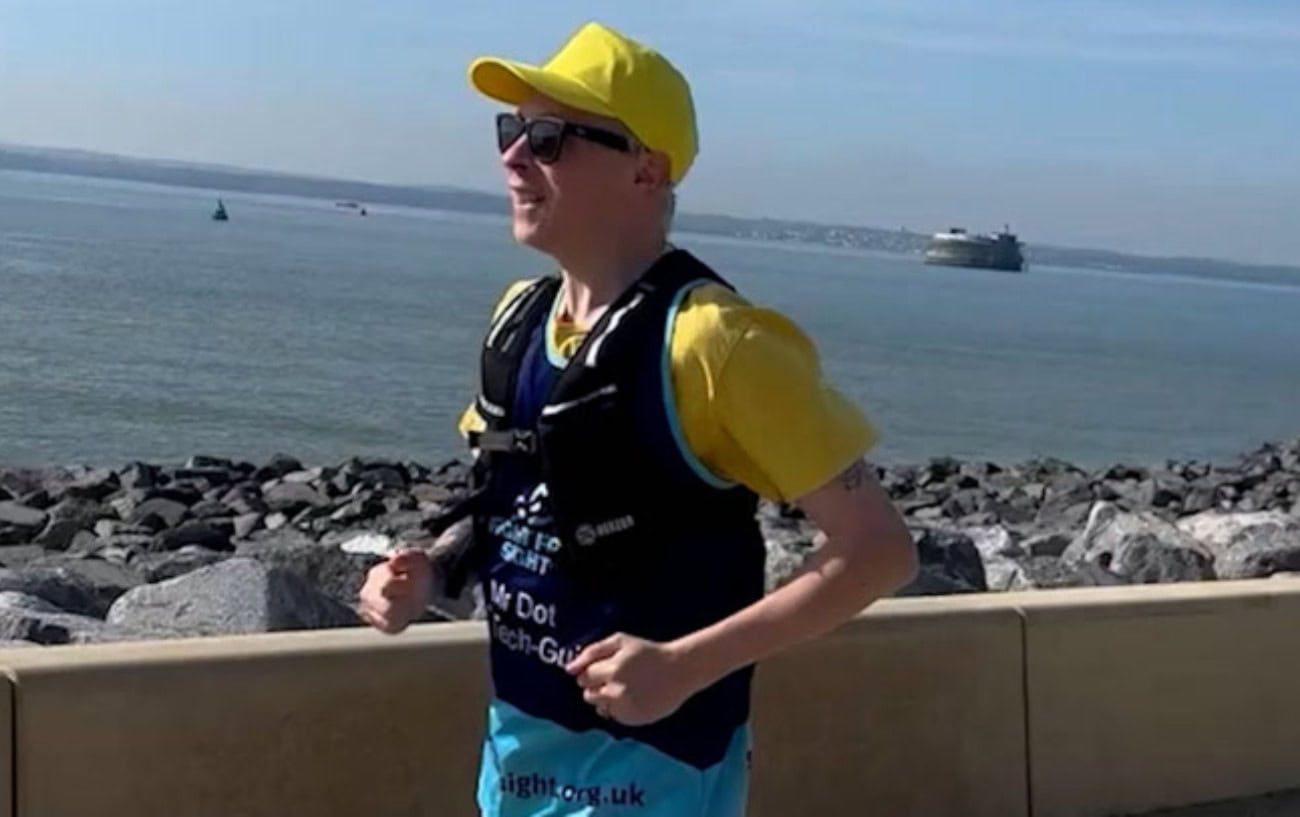
Clarke Reynolds has become the first blind person to complete a marathon using smart glasses. On Sunday, Reynolds crossed the finish line at the Brighton Marathon after 26.2 miles guided not by a tether or a running partner beside him, but by a rotating team of sighted volunteers watching the course through his glasses in real time. It almost did not happen.
“Without the people in my ears, I would have given up at mile 15,” Reynolds said after the race. “The support was outstanding.”
Reynolds has 5% vision due to Retinitis Pigmentosa, a degenerative eye condition he inherited. We covered his attempt ahead of race day — you can read the full background here.
How Race Day Unfolded
Reynolds wore Rayban Meta Wayfarer smart glasses for the entire race. To connect with a volunteer, he said three words: “Hey Meta, call Be My Eyes.” A sighted volunteer — sourced from a pre-vetted pool coordinated by the Fight for Sight charity — was patched in within seconds.
Volunteers rotated every 30 minutes across the race, each joining via their phone or laptop and watching the course live from Reynolds’ point of view. Since he began training, roughly 400 volunteers have helped him run — with the full group coming together to carry him through to the finish line on Sunday.
A physical guide, Alastair from the Richard Whitehead Foundation, also ran alongside as a backup in case Wi-Fi coverage dropped on the course. The technology, Reynolds had said ahead of the race, was better than most people expected: “It really is instant. The picture quality from the camera is apparently 4K. There’s no lag.”
Mile 15 was where it nearly fell apart. That brutal middle stretch — where legs go heavy and doubt creeps in — tested Reynolds hard. It was the voices in his ears that kept him moving.
What It Means For Reynolds
Reynolds was clear that finishing a marathon was never really the point. “The idea around this was to empower the sight-loss community,” he said. “You don’t have to do a marathon — the idea is that you could even just go for a walk in the park with this technology as a blind person. You can also have someone there for even just half an hour to be your friend.”
What Reynolds has done sits in a long line of blind and visually impaired runners pushing back against the idea that distance running isn’t for them. But the technology he used takes things somewhere new — not a guide tethered beside you, but a network of strangers, anywhere on the planet, available on demand. The implications for everyday life, not just the future of running technology, are significant.
The mental side of marathon running is something every runner grapples with. Reynolds’ version of that fight — navigating 26.2 miles with near-total vision loss, trusting strangers with every step — is in a different league entirely. He is raising funds for Fight for Sight, a UK charity funding research into conditions like his. His use of consumer running tech in this way may well open doors for others in the sight-loss community long after the finish line tape is broken.