


The Commonwealth Games has cut the marathon. The Games now underway in Glasgow have no marathon for the first time since the event began in 1930, and the reason given was money.
For anyone who has never followed it, the Commonwealth Games is a multi-sport championship held every four years for nations and territories with historical ties to Britain, which makes it a bigger deal than Americans tend to assume. Glasgow is hosting a deliberately shrunken version: 10 sports, down from the 19 Birmingham staged in 2022. In track and field, exactly one event was cut, because organizers eliminated everything held outside the stadium. The 10,000m walk stayed, on the track. The marathon went.
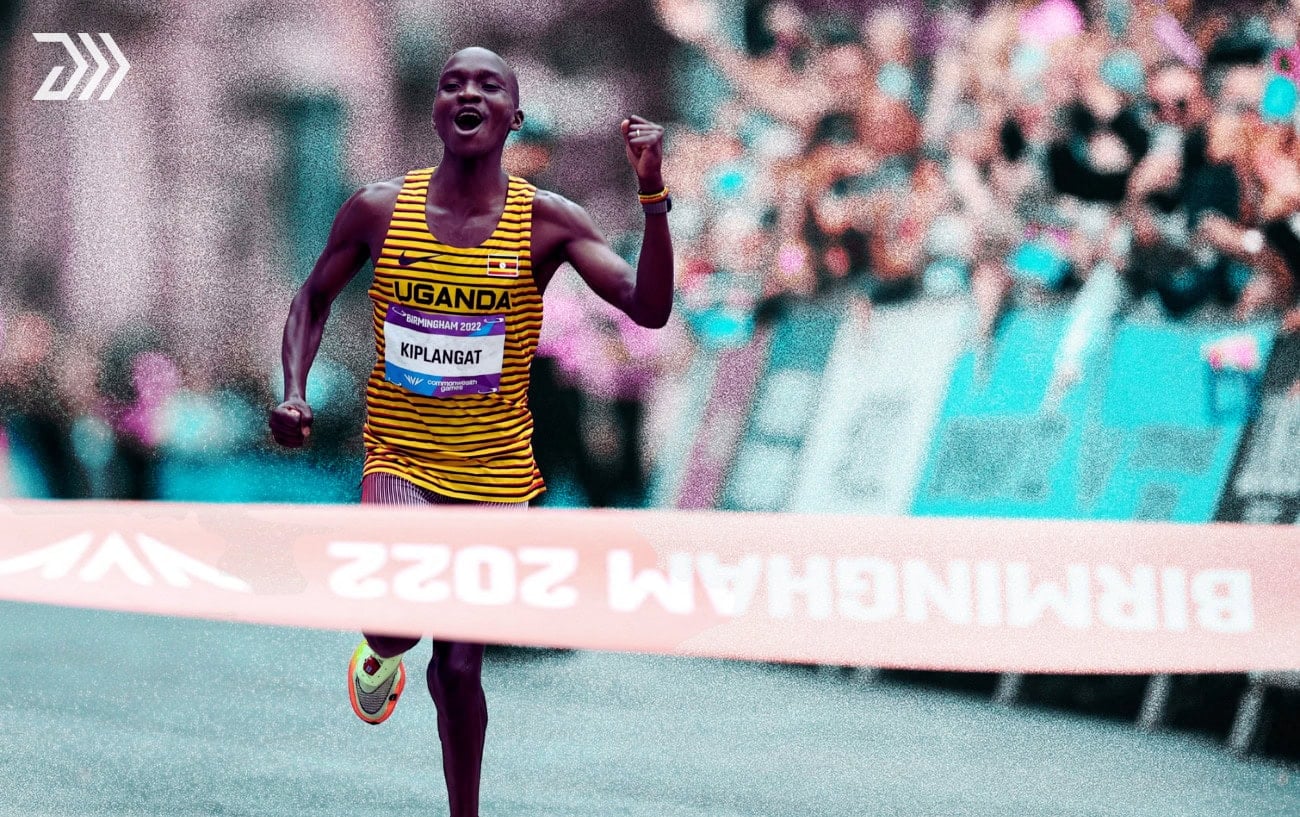
The runners who lost the most are not British. Uganda’s Victor Kiplangat won the last Commonwealth marathon title at Birmingham in 2:10:55, and Australia’s Jessica Stenson won the women’s race in 2:27:31. For East African distance runners especially, it is one of the few global titles available outside the world championships and the Olympics. It was also one of only five events at those Games that spectators could watch without buying a ticket, along with the cycling road race, the time trial, the mountain biking and the triathlon.
That is what makes the other decision strange. The same Glasgow program brought back the mile, which had not been contested at these Games since 1966, and which Scotland’s Josh Kerr will run Saturday as the new world record holder. World Athletics president Sebastian Coe pushed for its return on the grounds that everyone already understands the distance. The mile, he said, “remains a standard everyday measurement across the Commonwealth.” He is right about that. But if the case for adding a race is that ordinary people know the distance in their bones, the marathon is the strongest case there is. Millions of people have run one. Almost nobody has ever raced a Commonwealth mile, because the last field to do it lined up in Jamaica 60 years ago.
The money problem is real. Glasgow is running these Games on about £150 million (roughly $200 million), after the Australian state of Victoria abandoned the 2026 event in July 2023 on a projected cost of A$6.9 billion (about $4.8 billion), a figure a later state audit found overstated and not transparent. Without deep cuts there would be no Games at all. A marathon also costs money a track final does not: closing roads, policing them, and stationing medical care along 26.2 miles of city.

Somebody proposed a way around that, and the idea was never tested. In April 2025, Paul Sweeney, who represents Glasgow as a member of the Scottish Parliament, filed a formal motion asking organizers to reinstate the race as a mass-participation event. Send the national teams off first, open the rest of the course to anyone willing to pay an entry fee, and let those fees cover the bill. Every big city marathon in the world works roughly this way. Seven other lawmakers from three parties signed on. The motion then expired without ever being voted on, which in the Scottish Parliament means it ran out of time rather than lost an argument.
Sweeney’s plan was a proposal, not a business case, and nobody has published figures showing it would have broken even. That is a reason to test it rather than a reason to skip it. What happened instead is that the only concrete idea for saving a 96-year-old race ran out the clock.
The next Commonwealth Games goes to Ahmedabad, India, in 2030, and it will be bigger, with 15 to 17 sports on the program. It also falls exactly 100 years after the first edition in Hamilton, Ontario, where a Scot named Duncan Wright won the marathon. Nobody has said yet whether there will be a marathon in Ahmedabad for anyone to win.
RunClub
Get more running stories — join RunClub
Daily running news, a community of 300,000+ runners, free training plans for every distance, and a daily running game. Free to join — no card.
Already a member? Log in →








Join the conversation
Well, its Day 7 in the Commonwealth Games and I'm only just finding out there is no Marathon for the Men or Women, how very disappointing!!!!....it is the one event I always look forward to watch, not happy Jan....we could've held the games in Victoria and kept the Marathon in....I am extremely happy with the Gold Tally for us Aussies, but the Games should've been run in Victoria!