


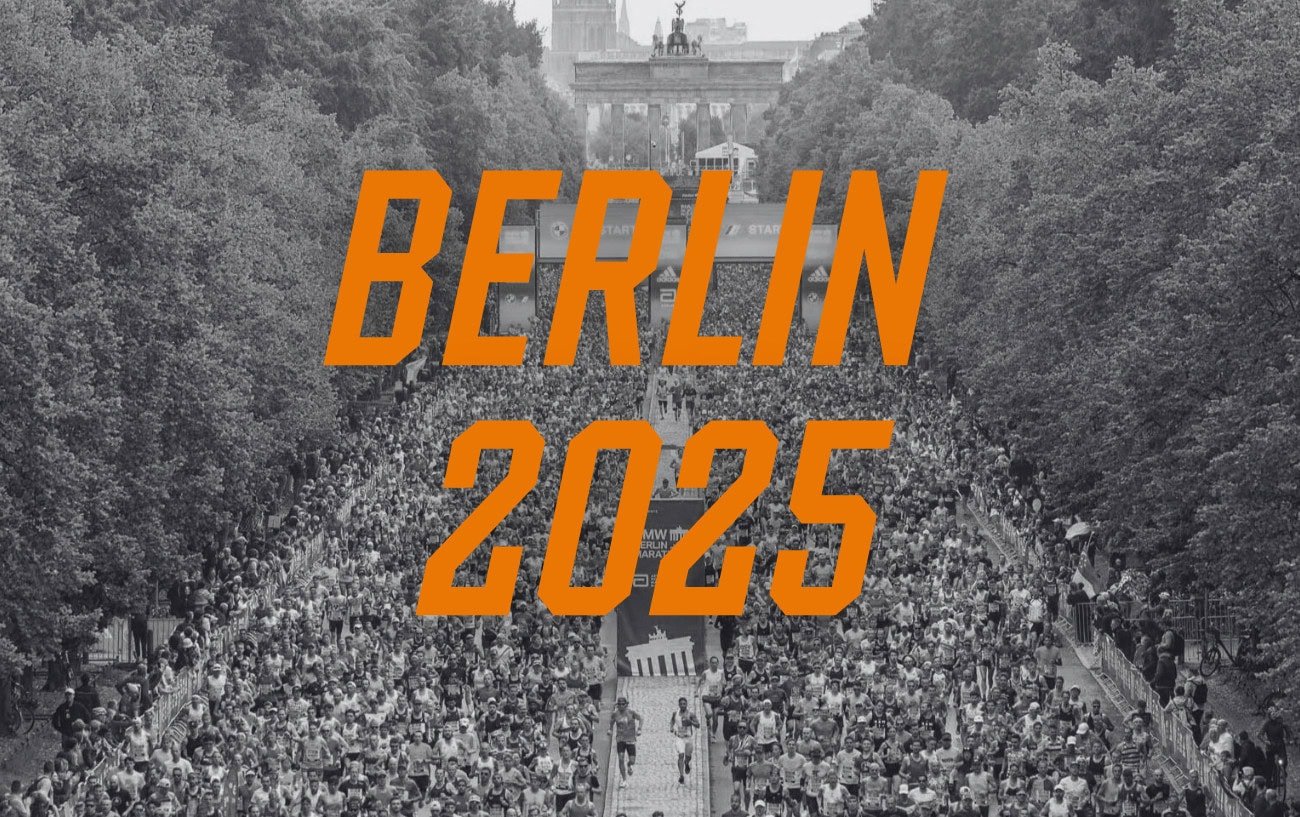
The Berlin Marathon is built for speed, long, straight boulevards, gentle turns, cool late-September air, and a finish that sweeps you through the Brandenburg Gate with a roar from the grandstands.
On Sunday, 21 September 2025, the world’s fastest marathon course hosts its 51st edition, and the fields suggest Berlin’s reputation as a record magnet isn’t going anywhere.
Why Berlin matters
Since 1974, Berlin has evolved from a local road race into a global stage for fast running. The course has seen more marathon world records than any other, including Eliud Kipchoge’s 2:01:09 (2022) and Tigist Assefa’s 2:11:53 (2023).
The ingredients are well-known to elites and amateurs alike, wide roads for clean lines, almost imperceptible elevation, and late-September temperatures that tend to hover in the low-to-mid teens °C (50s °F). It’s no wonder the event is a perennial personal-best hunt.
When and where to start
The marathon takes over the city center on Sunday.
Runners leave in four waves at 9:15, 9:45, 10:10, and 10:40. The start and finish are both on Straße des 17. Juni in the Tiergarten, a few hundred meters from the Brandenburg Gate.
The course, elevation, and typical weather
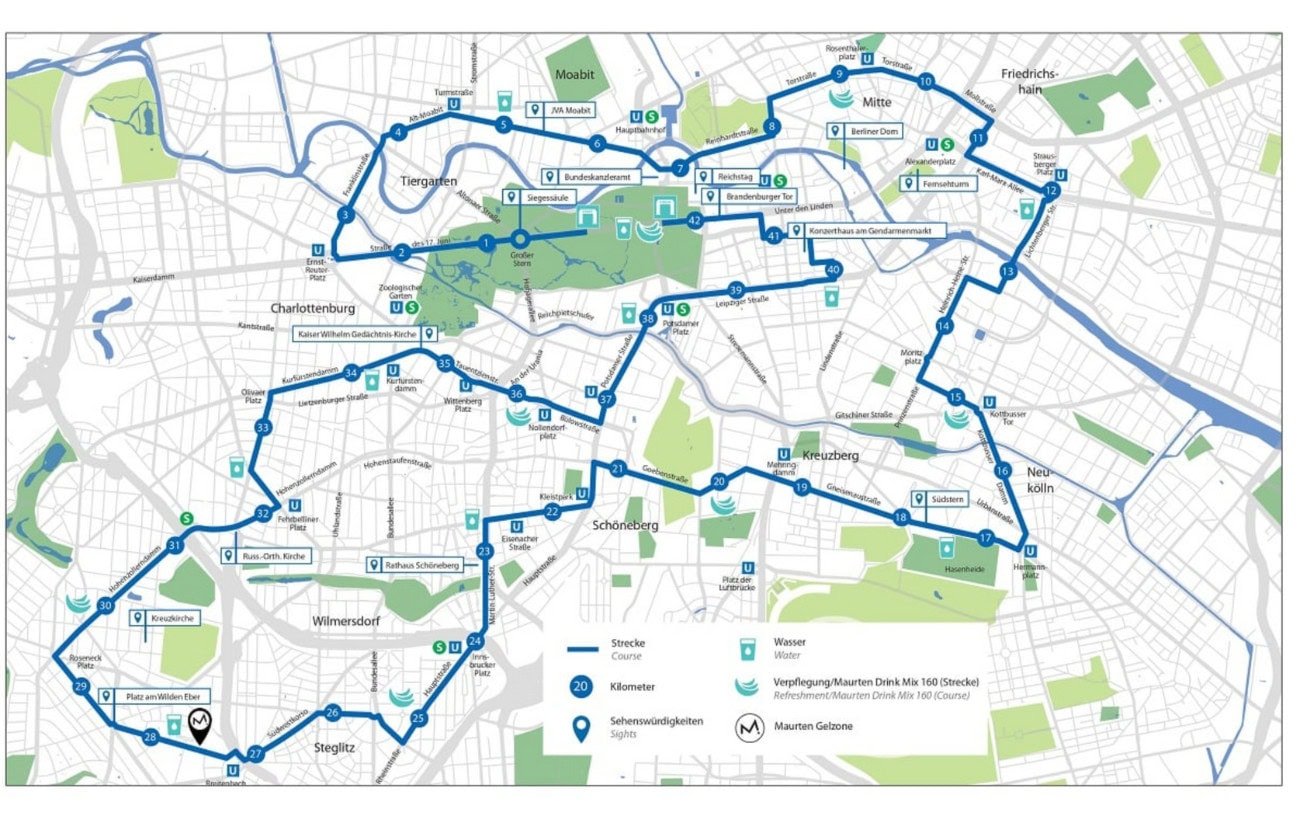
Berlin’s route is a postcard tour of the city. You’ll cruise past the Reichstag around 10K, glide by the Victory Column, cross broad avenues lined with cheer zones, and swing through Potsdamer Platz around the 34–35K mark before the long, triumphant run-in past the Brandenburg Gate to the finish.
The first half is essentially flat.
After halfway you’ll feel a few gentle rises, noticeable mostly in the quads rather than on the watch, but there’s nothing that breaks rhythm.
Average race-day conditions are kind, usually cool at the start with a modest warm-up by late morning. Pack layers for the pre-start corral and keep your hydration plan flexible in case a warmer spell rolls in.
On-course fueling and support
Berlin is well stocked. Water tables appear roughly every 5 kilometers, with additional stations offering fruit, tea, and Maurten Drink Mix 160 at regular intervals. One gel station, Maurten Gel 100, is typically placed around 27.5 km.
If you prefer your own bottles, Berlin allows elite-style personal bottle tables at designated points, you must have pre-arranged and labeled them, glass is not permitted.
Medical support and plentiful toilets are distributed throughout the course.
Expo, bib pickup, and the start area
Bib pickup is at Messe Berlin (South Entrance, Jafféstraße). Hours for race week:
- Thursday, 18 September: 15:00–20:00
- Friday, 19 September: 10:00–20:00
- Saturday, 20 September: 09:00–19:00
The start area opens early on race morning. Your start block (based on verified ability) is printed on your bib and determines your corral, block changes are not permitted.
Berlin’s bag policy is binary, at registration you chose either clothing drop (for a small fee) or the post-race poncho. If you didn’t pre-select clothing drop, there is no day-of option, you’ll receive the warm poncho after finishing.
Hydration belts and vests are allowed within stated size limits, and open-ear headphones, not noise-isolating, are the only type permitted on course.
Getting around on race week
Your race bib doubles as free public transport from Thursday through Sunday, covering Berlin’s ABC zones. Practically, that means S-Bahn and U-Bahn to central stops like Brandenburger Tor, Friedrichstraße, Hauptbahnhof, and Potsdamer Platz will handle almost everything you need. With road closures widespread, avoid driving.
Time limits, timing, and pacers
The overall time limit is 6 hours 15 minutes from when you cross the start line. There’s a mid-race cut-off in the latter third of the course, around the 20-mile, 32-kilometer mark, at approximately 3:50 p.m., miss it and you’ll be directed off the course.
The finish officially closes at 5:15 p.m.
Timing mats are placed every 5K and at the half, and missing multiple splits can lead to disqualification. Pacer groups span common targets from 3:00 down to 5:00 and beyond, useful for settling into even effort on the long straights.
How to watch and track
In Germany, the race broadcasts live on RTL throughout the morning, with extended coverage continuing into the early afternoon via the event’s official channels.
Internationally, live coverage is available in many territories, Olympics.com is carrying the event in a broad list of regions. Spectator tracking via the official Berlin Marathon app is reliable, add your runners in advance to get real-time split notifications.
The elite storylines
Men: Sawe’s record-friendly rendezvous, Mengesha’s title defense, and Geay’s threat
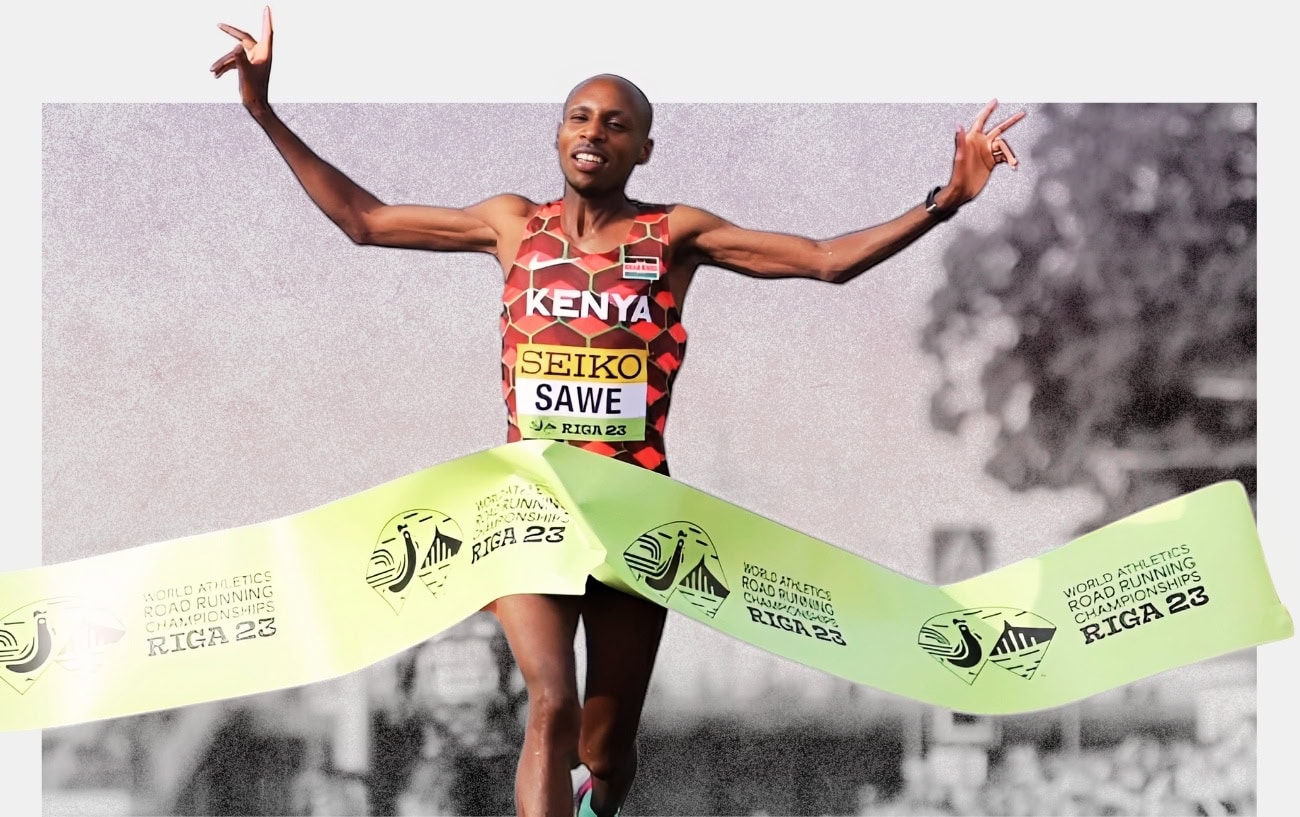
Few athletes have arrived in Berlin with as much momentum as Sabastian Sawe. The 30-year-old Kenyan turned heads with a 2:02:05 debut in Valencia (2024), fifth-fastest ever, and backed it up by winning London (2025) in 2:02:27.
Those aren’t just fast times, they’re the kind of performances that require perfect pacing, disciplined fueling, and a metronomic stride, traits that Berlin rewards. He also owns a win at the Generali Berlin Half Marathon, a small but telling sign that the city’s flat blacktop and long tangents suit him.
Milkesa Mengesha, the defending champion, returns with unfinished business. His breakthrough victory here last year in 2:03:17 marked him as more than a talented track convert, he proved he can close hard when the pacers step off and the race turns tactical.
Mengesha’s task is twofold, manage Sawe’s mid-race surges and hold contact deep into the final 5K, where Berlin’s gentle false flats can magnify small gaps.
Then there’s Gabriel Geay, the Tanzanian record holder (2:03:00, Valencia), whose résumé suggests he can survive hot early splits and keep form late.
If the lead group decides to flirt with world-record schedule through halfway, Geay’s even-keeled efficiency could become a major asset once the pacers exit and the field fragments.
Tactics to expect, aggressive but controlled early sections. With Berlin’s history and typically calm weather, the front pack often comes through halfway near record cadence when conditions allow. The decisive stretch tends to unfold after 35K on the long, exposed sections back toward Tiergarten, where any lapse in concentration is punished.
If Sawe has the legs he showed in London, the question becomes not whether he wins but whether he risks chasing something historic.

Women: Wanjiru’s Berlin return, Ethiopian depth, and the shadow of super times
Kenya’s Rosemary Wanjiru leads a women’s field with both speed and depth. Her marathon debut came in Berlin (2022), second in 2:18:00, before she lowered her best to 2:16:14 in Tokyo (2024), one of the fastest times in history.
Wanjiru’s strength is an efficient, mid-race grind that squeezes splits rather than detonating the field with a single move. Berlin’s rhythm racing rewards that style.
Ethiopia counters with experience and upward trajectories. Mestawut Fikir finished second here last year in 2:18:48 after winning her debut in Paris, and she looks like the type who benefits most from a quick but steady setup with clean pacemaking.
Degitu Azimeraw, a proven sub-2:18 performer, brings big-race seasoning from London and has shown she can piece together long, even segments at near-record cadence.
For context, Tigist Ketema won Berlin 2024 in 2:16:42, proof that the course continues to deliver across the women’s field, and Tigist Assefa’s 2:11:53 world record (2023) still hangs over the Brandenburg Gate like a challenge banner.
If the pacers are dialed and the weather cooperates, course-record watch will be warranted.
Spectating, where to stand to see your runner twice
Tiergarten is your friend. Early in the race, position near the Victory Column or Reichstag for easy access and a broad view of the field.
From there, a brisk walk or short hop on the U-Bahn gets you to Potsdamer Platz or Leipziger Platz around the late-30-kilometer point, prime territory to deliver a final boost before the last push through the Gate.
If you want the finish drama but not the crush, stake out Ebertstraße or a spot along Straße des 17. Juni a few hundred meters before the line.
After you finish
Once you clear the finish mats, you’ll receive your medal and refreshments and be guided either to clothing pickup (if you booked bag drop) or to the poncho lanes. Massage and medical areas sit just beyond the finish, changing tents and showers are signposted.
Family meeting zones are organized alphabetically to make link-ups easier amid the crowds. Medal engraving is available near the finish area for an additional fee.
How to get a bib next time
Berlin remains a lottery for most runners, with a window that opens right after race day and runs into early November. Fast qualifiers have a guaranteed route in, and tour operator packages are another option if you’re planning well ahead.
If you’re set on Berlin 2026, mark the application dates now and assemble your proof of time early to avoid last-minute scrambles.
RunClub
Get more running stories — join RunClub
Daily running news, a community of 300,000+ runners, free training plans for every distance, and a daily running game. Free to join — no card.
Already a member? Log in →



Start the conversation