


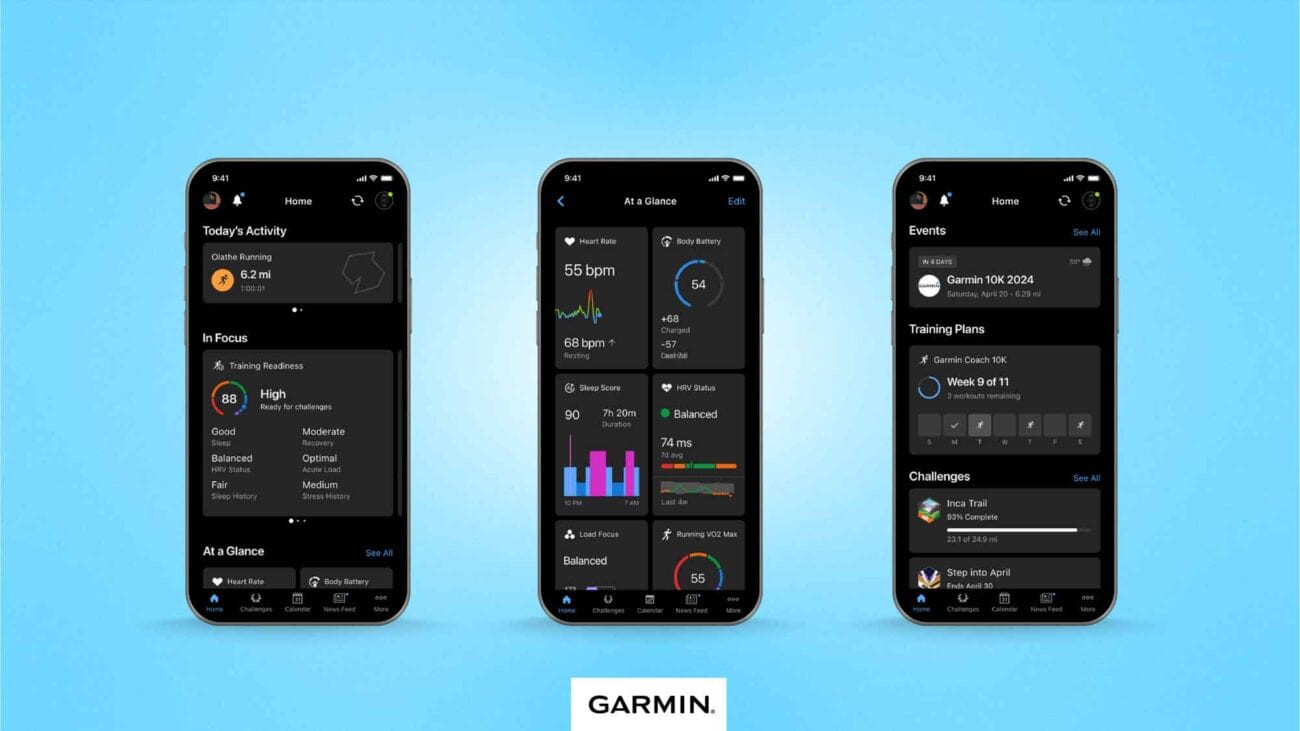
The Big Picture
Garmin has long stood out in the fitness tech industry by offering premium smartwatches without requiring a subscription to access data. However, the launch of Garmin Connect+, a new premium tier priced at $6.99 per month or $69.99 per year, introduces a shift in that model. The question now is whether Connect+ enhances user experience or simply locks previously free features behind a paywall.
What’s New in Garmin Connect+?
Garmin’s new subscription tier bundles features into three main categories:
AI-Powered Active Intelligence
- Garmin’s take on AI-driven fitness insights aims to provide personalized recommendations. Early feedback suggests that the insights are simplistic, but Garmin promises improvements over time.
Enhanced Training & Performance Features
- Performance Dashboard: Customizable charts to track long-term progress.
- Live Activity: Real-time smartphone tracking of heart rate, pace, and reps, useful mainly for strength training.
- Training Guidance: Additional coaching insights and video content for Garmin Coach plans.
Expanded Social & Safety Features
- LiveTrack Enhancements: Custom LiveTrack profiles with text message notifications.
- Gamification Elements: Exclusive badges, profile customization, and achievement challenges.
While some features offer practical value, others—such as AI insights and social badges—may not justify the cost for all users.
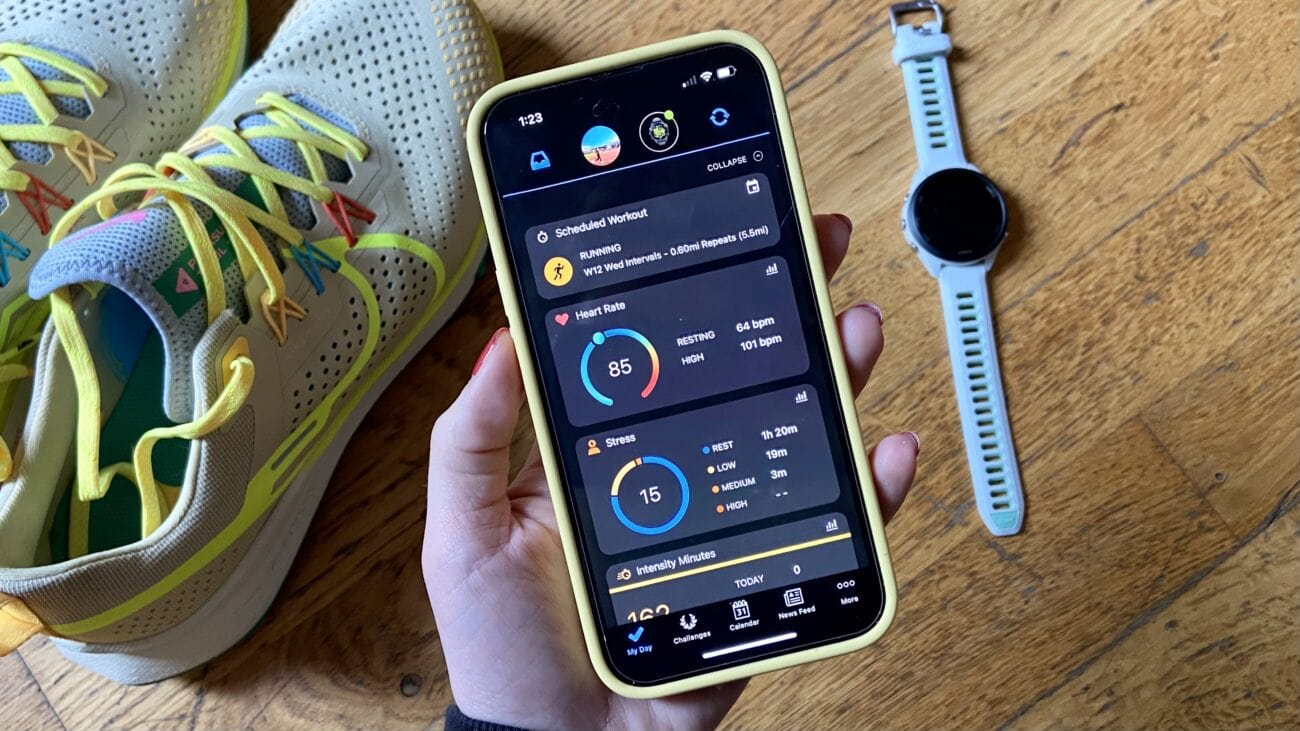
Why It Matters
Garmin’s shift to a subscription model reflects a broader trend in the fitness industry. While competitors like Fitbit and Oura already charge for premium features, Garmin has traditionally provided free access to user data. This move signals a potential change in that philosophy.
Industry Context: Many premium wearables already operate on a subscription model:
- Strava Premium: $79.99 per year for advanced analytics and social engagement.
- Apple & Samsung: AI-based insights are included in the cost of the device.
- Whoop & Oura: Subscription-based models that require ongoing payments for any data access.
Garmin’s pricing aligns with competitors but could alienate long-time users who value its subscription-free approach.
A Data Cold War with Strava?
One of the biggest concerns with Garmin’s move is its potential impact on third-party data integrations, particularly with Strava. Garmin and Strava have long shared a symbiotic relationship, but with Garmin now offering its own Performance Dashboard and AI insights, could it limit syncing capabilities with Strava or other platforms?
While Garmin has not announced restrictions, the shift toward a paid service raises questions about data fragmentation in the fitness ecosystem.
Should You Subscribe?
Who Will Benefit?
- Users who frequently train with Garmin Coach and want enhanced guidance.
- Strength trainers who will use Live Activity tracking.
- Athletes who value long-term performance tracking via the Performance Dashboard.
Who Might Skip It?
- Casual users who don’t need AI insights or advanced analytics.
- Those who primarily sync with Strava, which offers similar data tools.
- Users concerned about subscription creep, fearing more Garmin features will move behind a paywall.
The Bottom Line
Garmin Connect+ introduces some genuinely useful features, but it isn’t an essential upgrade for most users. The bigger question is what this means for Garmin’s long-term business model. If more core features shift behind a paywall, it could impact how loyal users engage with the platform.
For now, Garmin must balance its free and premium offerings carefully. Longer free trials, bundled perks, or tiered pricing could help soften the blow. Until then, the free version of Garmin Connect remains sufficient for the majority of users.
RunClub
Get more running stories — join RunClub
Daily running news, a community of 300,000+ runners, free training plans for every distance, and a daily running game. Free to join — no card.
Already a member? Log in →







Start the conversation