


Sabastian Sawe ran 1:59:30 at the TCS London Marathon on April 26. It was the first official sub-two-hour marathon in history. Ethiopia’s Yomif Kejelcha came across the line eleven seconds later, on his marathon debut. Tigist Assefa, also from Ethiopia, took the women-only world record at 2:15:41.
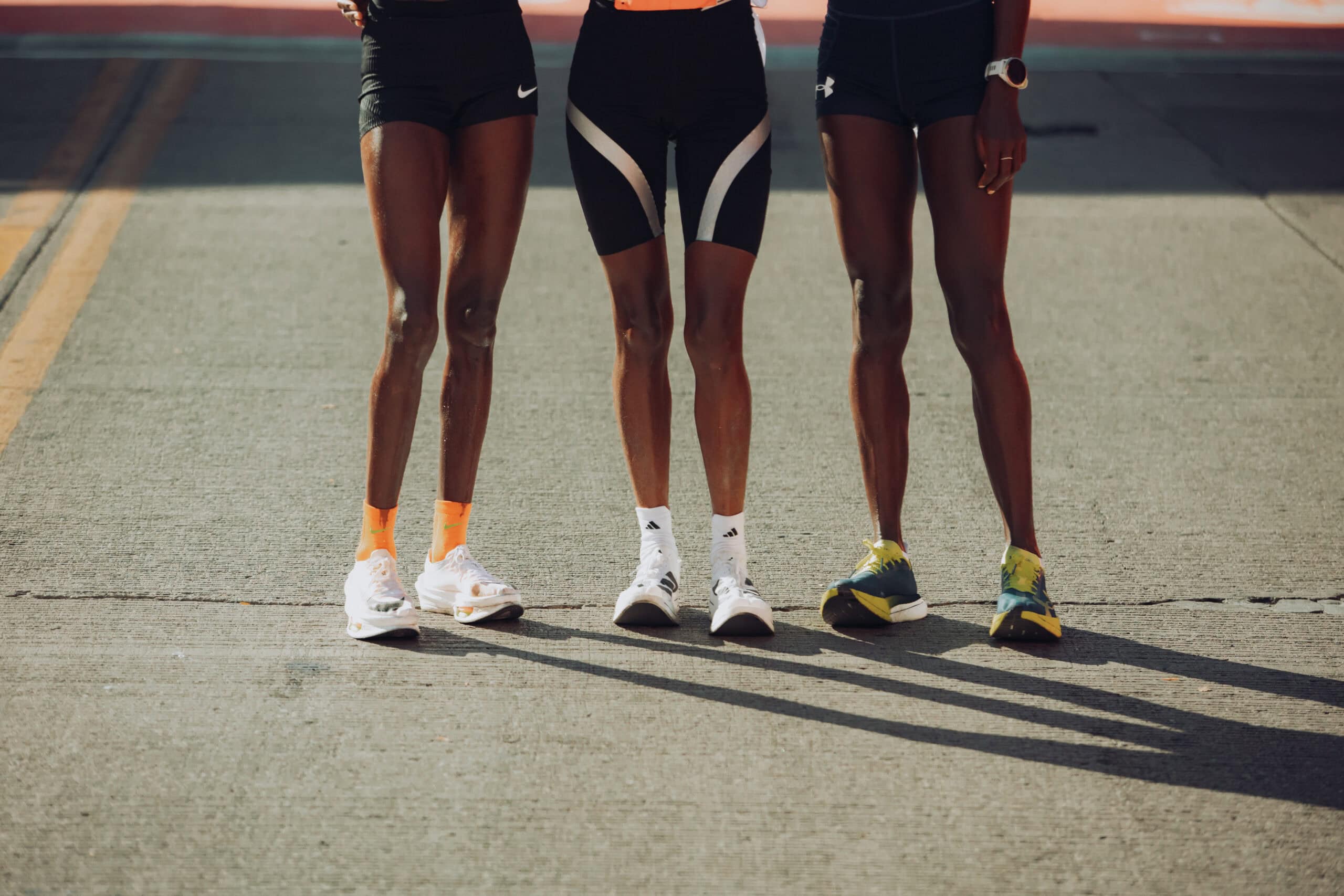
All three wore the same shoe. Most of the rest of their kit came from the same brand. The morning was about training, talent, weather and pacing, but you cannot really tell the story of what happened without talking about what the athletes had on. So here, piece by piece, is what Sawe wore the day he ran under two hours.
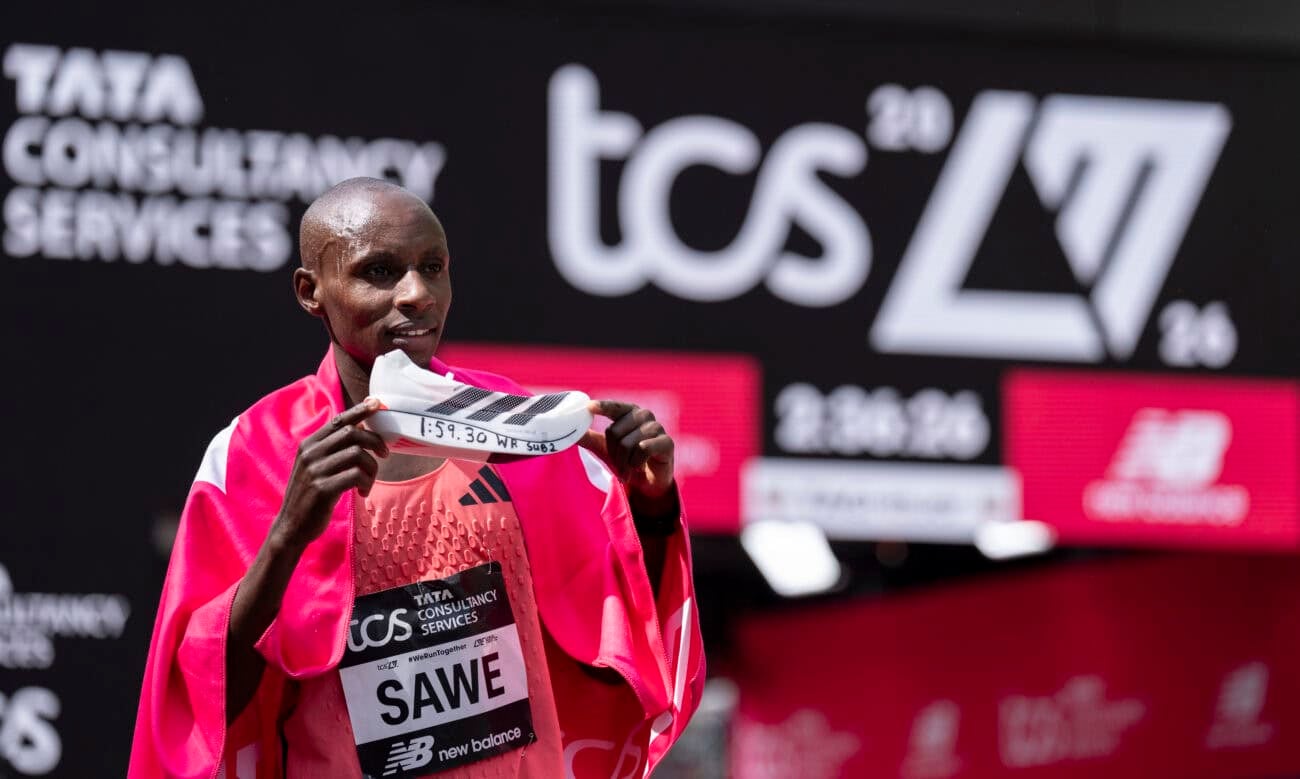
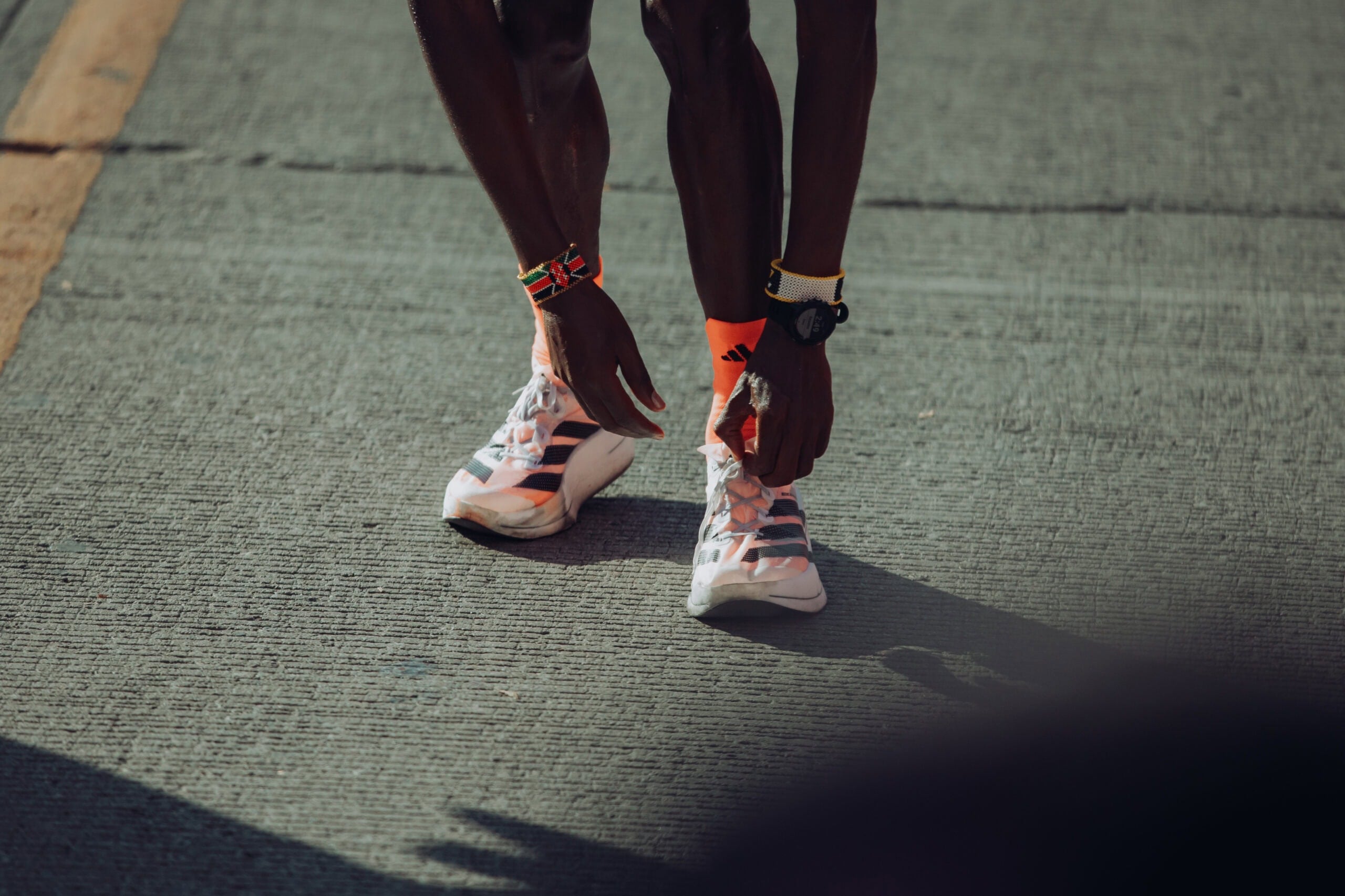
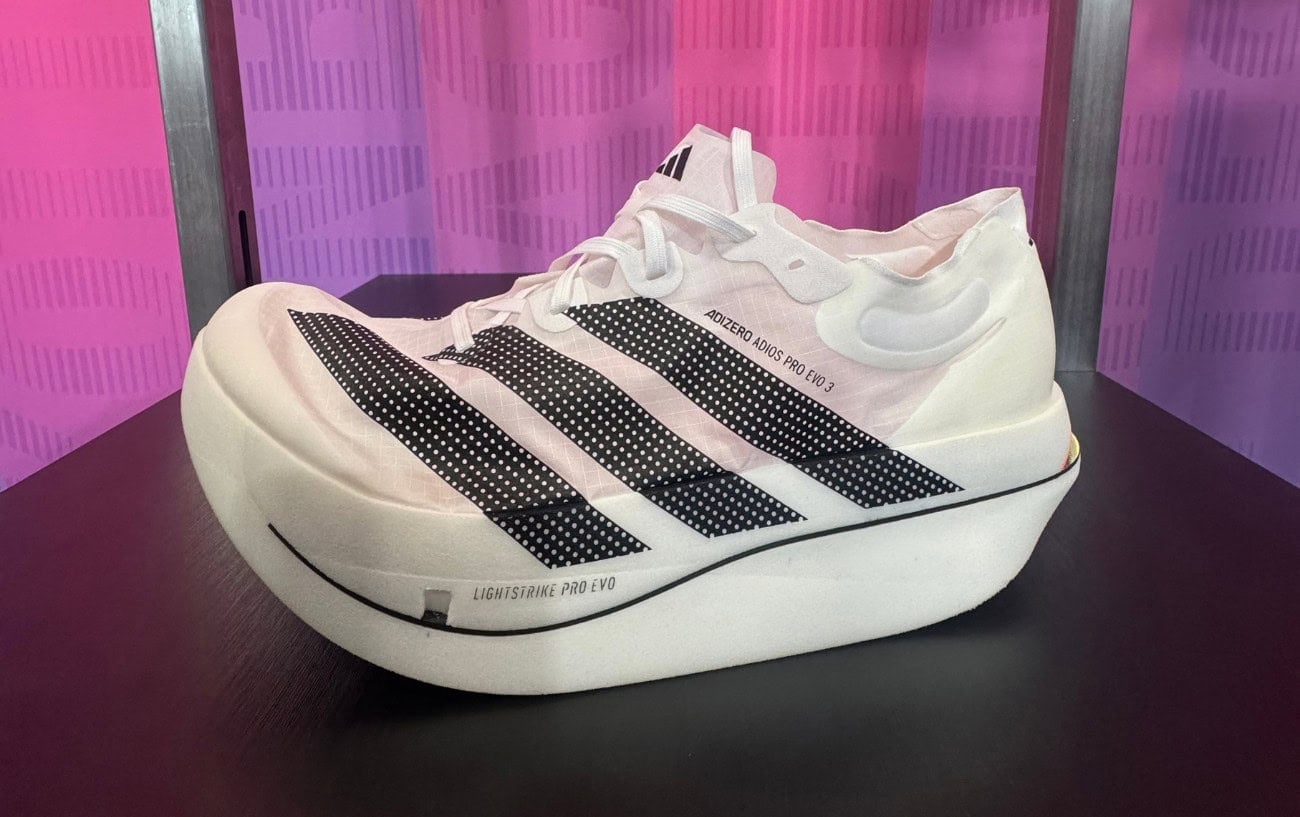
Adidas Adizero Adios Pro Evo 3
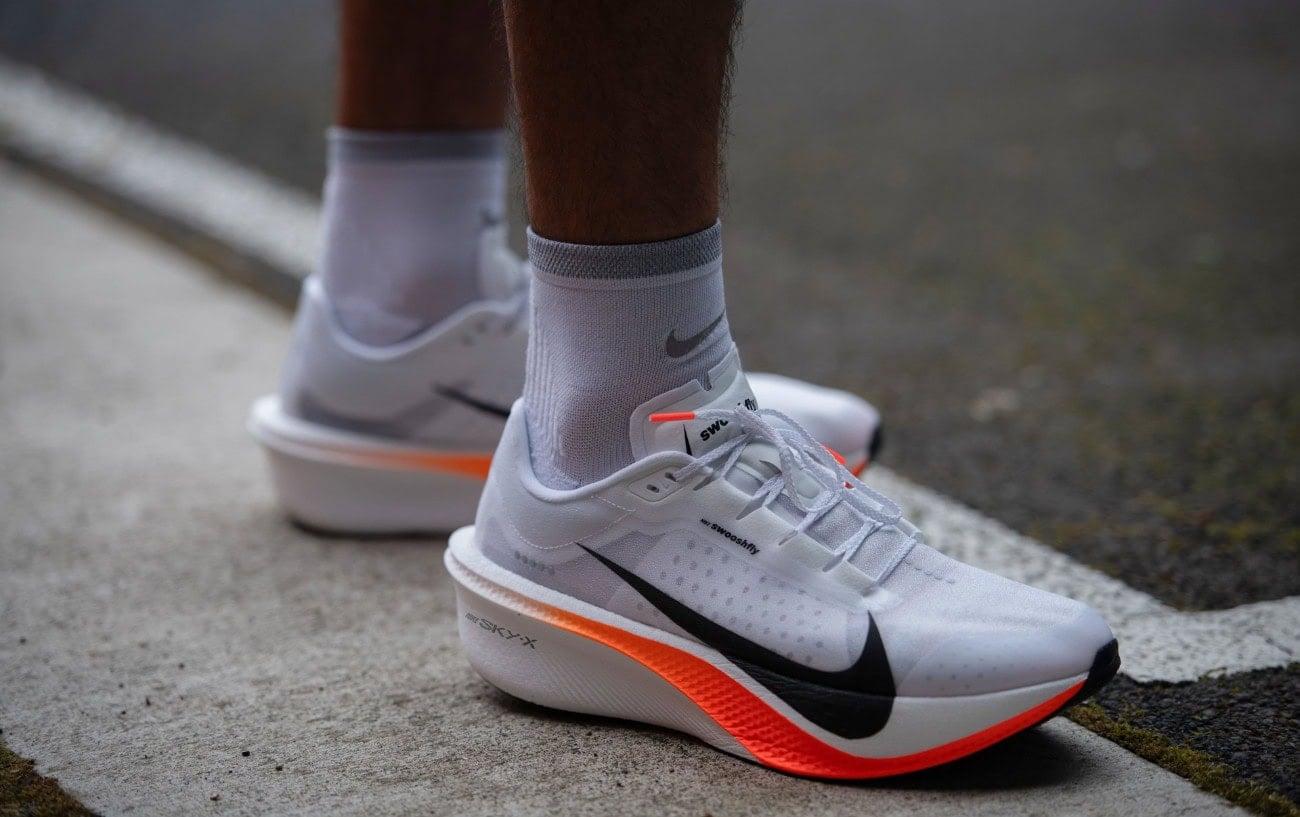
The shoes did most of the talking. Adidas only unveiled the Adizero Adios Pro Evo 3 three days before the race, and they came off Sawe’s feet within minutes of him finishing. According to Fast Company, an Adidas attendant wrote his time on the side of the shoe, waited for the photos, and then sent the pair away to be archived at the company’s headquarters in Herzogenaurach.
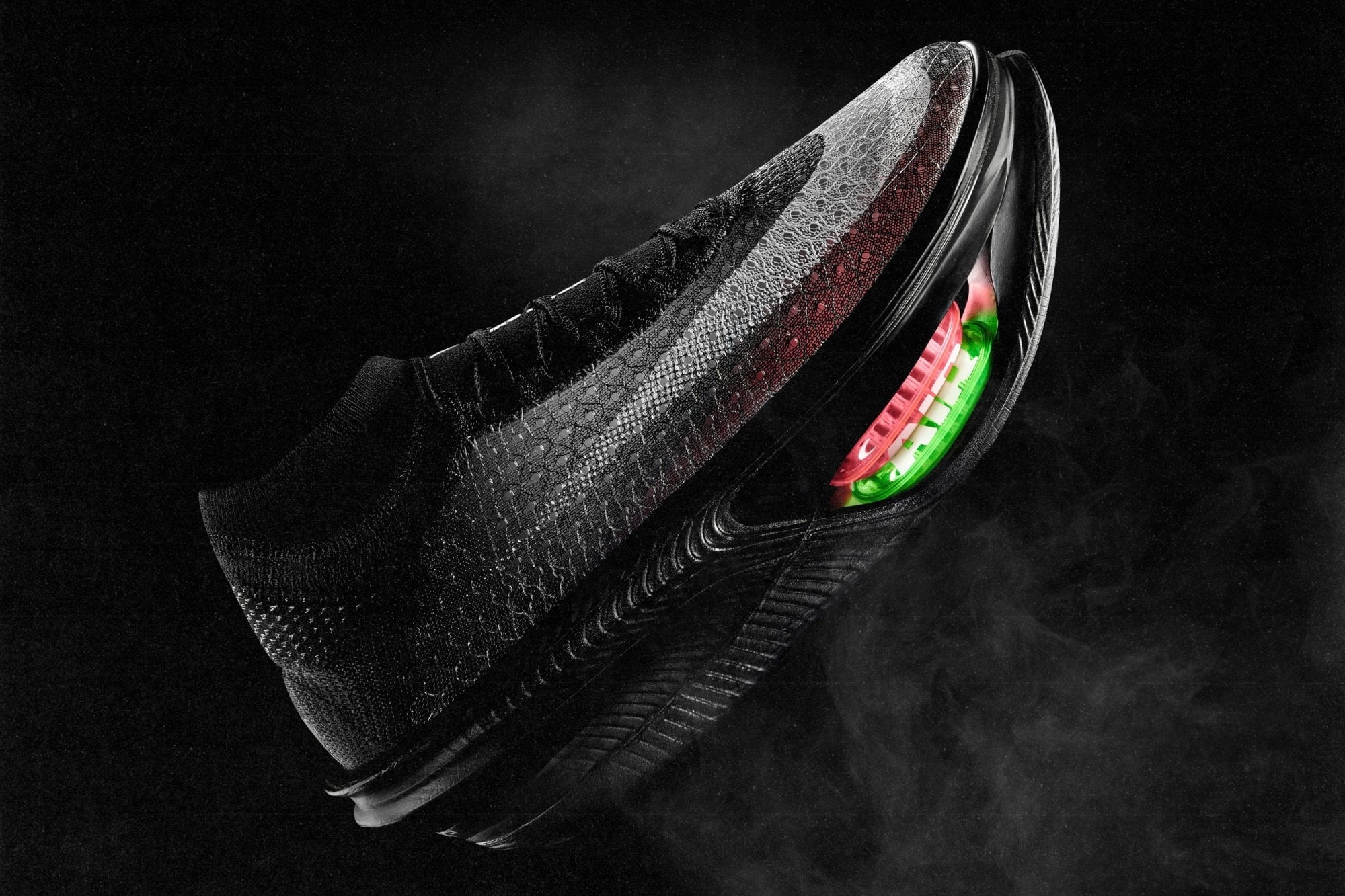
A men’s size 9.5 weighs 97 grams. That is the first Adidas running shoe under 100 grams, and it is roughly 30 percent lighter than the Pro Evo 2. Adidas confirms midsole measurements of 39 mm at the heel and 33 mm at the forefoot, with a 6 mm drop.
Most of the savings sit in the foam. Marc Makowski, Adidas’s senior vice president of innovation, told Fast Company that the new Lightstrike Pro Evo compound is “50% lighter than its predecessor with 11% more energy return.” The carbon plate has been cut down too. Where the Pro Evo 2 had a five-fingered carbon plate to keep the sole stable, the Evo 3 uses a single horseshoe-shaped piece called the Energyrim. The upper, somewhat unexpectedly, takes its inspiration from kitesurfing sails. Adidas’s team embedded high-strength polyester yarns into thin foils borrowed from the watersports industry. The result, Makowski said, is “ultra-light, but gives you way more stability than what you would get from any other existing lightweight material.”
Adidas claims a 1.6 percent improvement in running economy over the Pro Evo 2. That sounds tiny. At 2:50-per-kilometre pace, it is the difference between the fairy tale and a near miss.
The first 200 pairs sold out in under two minutes and resellers have since listed pairs for as much as $4,000-$5,000. A wider commercial release is set for around the Berlin Marathon in September.
The athletes who wore the shoe stayed brief about it. “Great shoes for racing, very light,” Assefa said after winning. “It’s very thin, it feels faster,” Kejelcha said. “I don’t know, but it’s different.” Sawe, after his run, picked one up, held it to the camera, and showed off what he had written on the side: “1:59.30 WR SUB2.”
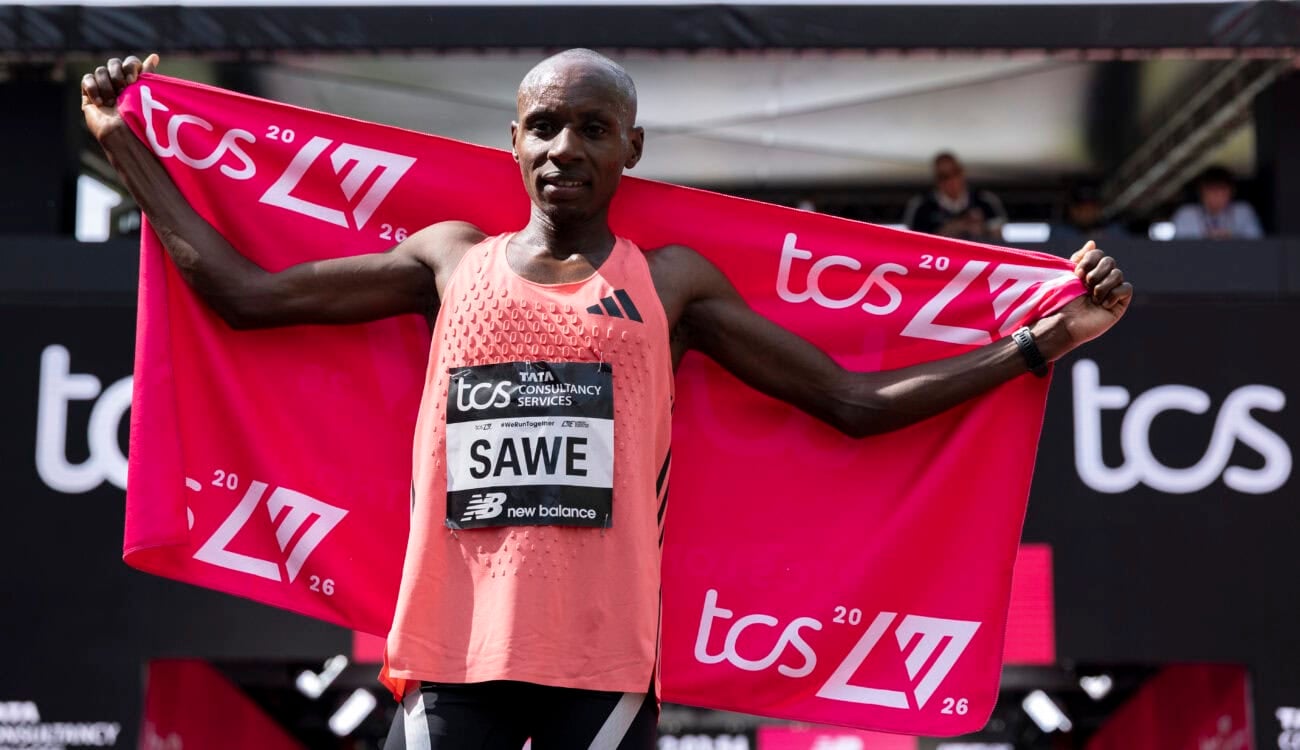
Adidas Climacool+ Singlet
The bright coral singlet on Sawe, and the matching one Assefa wore in the women’s race, was not pulled off a shop shelf. Adidas’s race-day press release describes it as “engineered in close partnership between the athletes and the adidas innovation team, over years,” along with the Techfit+ Endurance Shorts that Sawe and Assefa wore and the Techfit+ Endurance Suit that Kejelcha raced in.
The Climacool family is sold on airflow. Heavy mesh, lots of perforation, fabric designed to dump heat fast in hot conditions. The elite version on Sawe is not the same garment Adidas sells at retail, and the brand has not published a full technical spec sheet for it. What Adidas has confirmed is that the singlet was built alongside the shoe, as one race-day system rather than a set of separate choices.
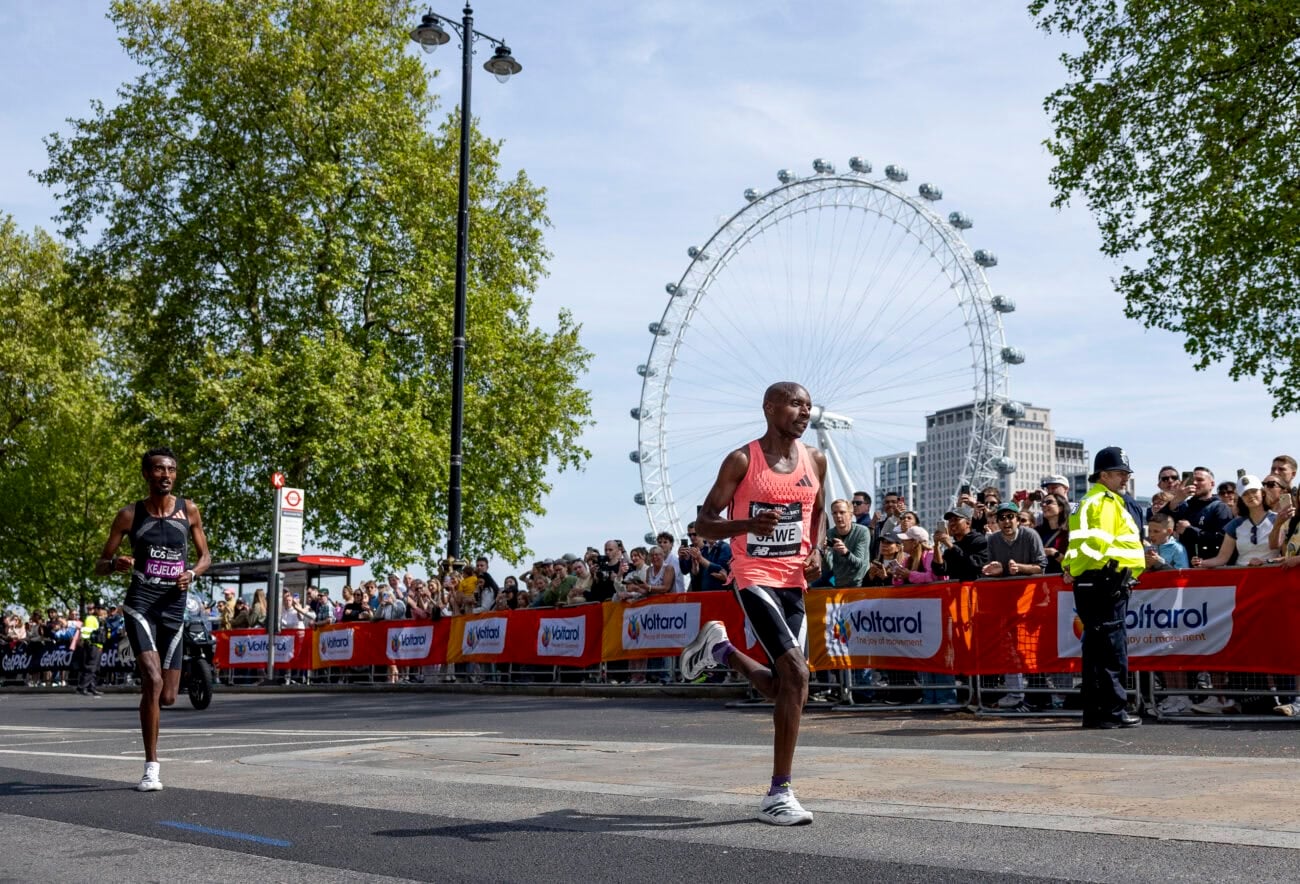
Adidas Techfit+ Endurance Shorts
Sawe wore tight, knee-length compression shorts, which Adidas identifies in its release as the Techfit+ Endurance Shorts. They sit in Adidas’s compression family, sold on the idea that close-fitting fabric supports working muscles and reduces vibration over long efforts.
As with the singlet, the elite version is not the off-the-shelf Techfit short you can buy now. The Techfit+ Endurance Shorts were co-developed with Sawe, Assefa and Kejelcha, the Adidas press release confirms, as part of the same multi-year project that produced the Pro Evo 3. The commercial timeline runs through the rest of 2026, with the wider Pro Evo 3 launch around Berlin in September.
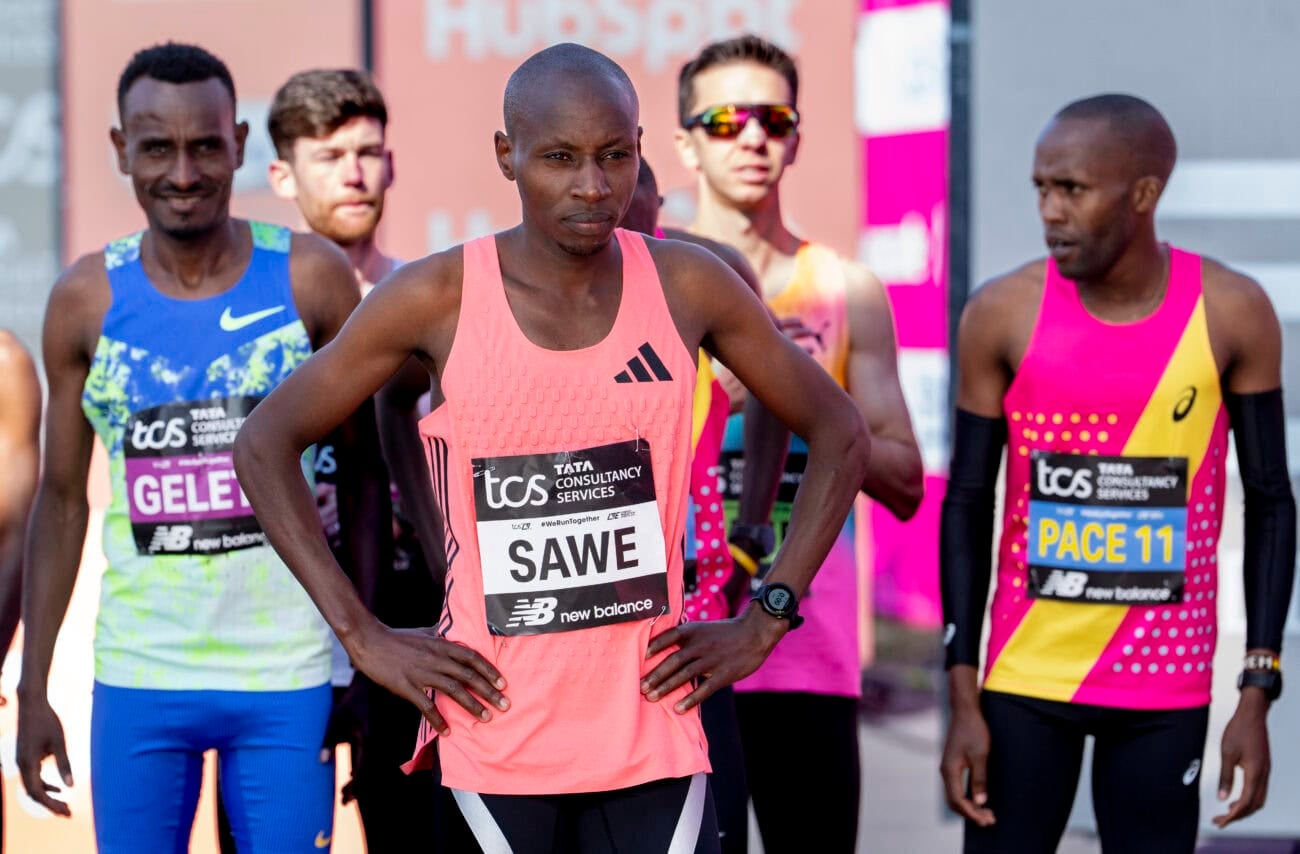
Garmin Forerunner 55
The most surprising piece of kit was the watch on Sawe’s wrist. The Garmin Forerunner 55 is Garmin’s most basic running watch. It came out in the summer of 2021. It is the model running shops typically point first-time marathoners at. Not world-record holders.
No OLED screen. No dual-band GPS. No advanced training-load metrics. Its heart-rate sensor is dated by 2026 standards. The case and strap together weigh 37 grams. The display is memory-in-pixel, which means instead of lighting up when you tilt your wrist, it reflects ambient light and stays readable in sunlight without you having to do anything.
That last detail is probably why it was on Sawe’s wrist. When you are running 2:50 per kilometre for two hours straight, you do not want to negotiate with your watch. You want to glance, read, and keep moving. Forbes’s Andrew Williams, who studied the mid-race photos in detail, reckons Sawe was running a simple data screen with total elapsed time and current pace, and probably no live heart-rate readout. That fits how most elites race. Race-day heart rate is notoriously twitchy, and a record attempt is run on pace, feel and splits, not bpm.
For everything the Forerunner 55 lacks, it does the basics: GPS, lap splits, configurable data screens, suggested workouts for newer runners, a battery that easily outlasts a marathon. The fastest marathoner in history just used one. Make of that what you will.
RunClub
Get more running stories — join RunClub
Daily running news, a community of 300,000+ runners, free training plans for every distance, and a daily running game. Free to join — no card.
Already a member? Log in →





Start the conversation