


Grand Slam Track has landed in bankruptcy court, but its problems seem to be growing.
According to World Athletics president Sebastian Coe, even if Michael Johnson’s league manages to sort out its finances, a return to the sport’s calendar is pretty much all but guaranteed.
Speaking during a year-end media call this week, Coe said World Athletics has a responsibility to “police the calendar,” since it’s the governing body that ultimately decides which events get a green light and when they can take place.

“We welcome innovation into the sport,” Coe said. “We welcome fresh investment, but it has to be underpinned by a sustainable, solid financial model executed and delivered on behalf of the athletes.”
That comment stings a bit more now that GST is in Chapter 11. The league filed for bankruptcy last week after failing to persuade vendors to accept a 50 percent payout on millions in unpaid invoices, with World Athletics among vendors who declined the offer.
Court filings since then have shown just how wide the damage runs, with some of the sport’s top athletes among some of the league’s biggest unsecured creditors.
When asked whether World Athletics could actually block GST from returning if it cleaned up its balance sheet, Coe didn’t spell it out, but he also didn’t really need to.
“We create the calendar,” he said. “We have to police the calendar.”
Translation: no sanction, no meets.
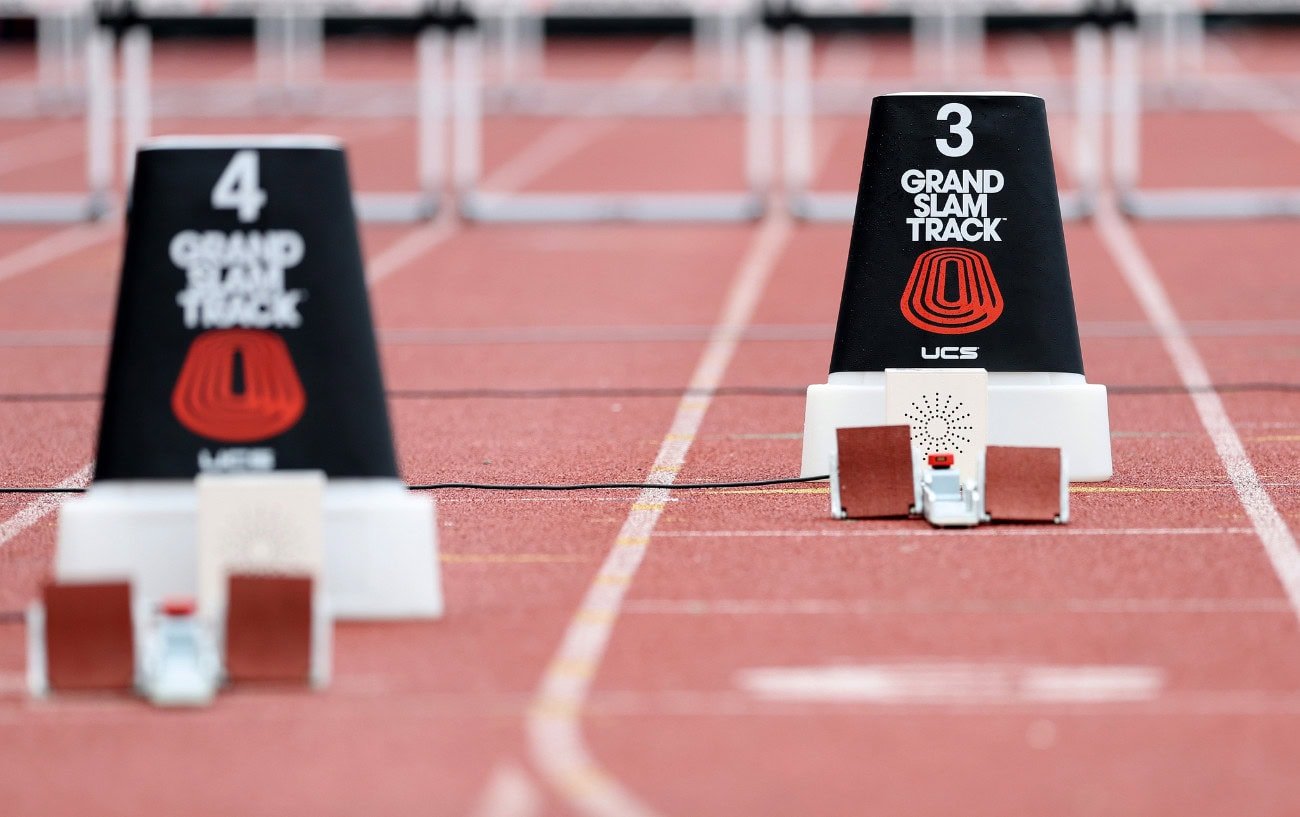
That matters because GST’s first season has already been swimming in red flags.
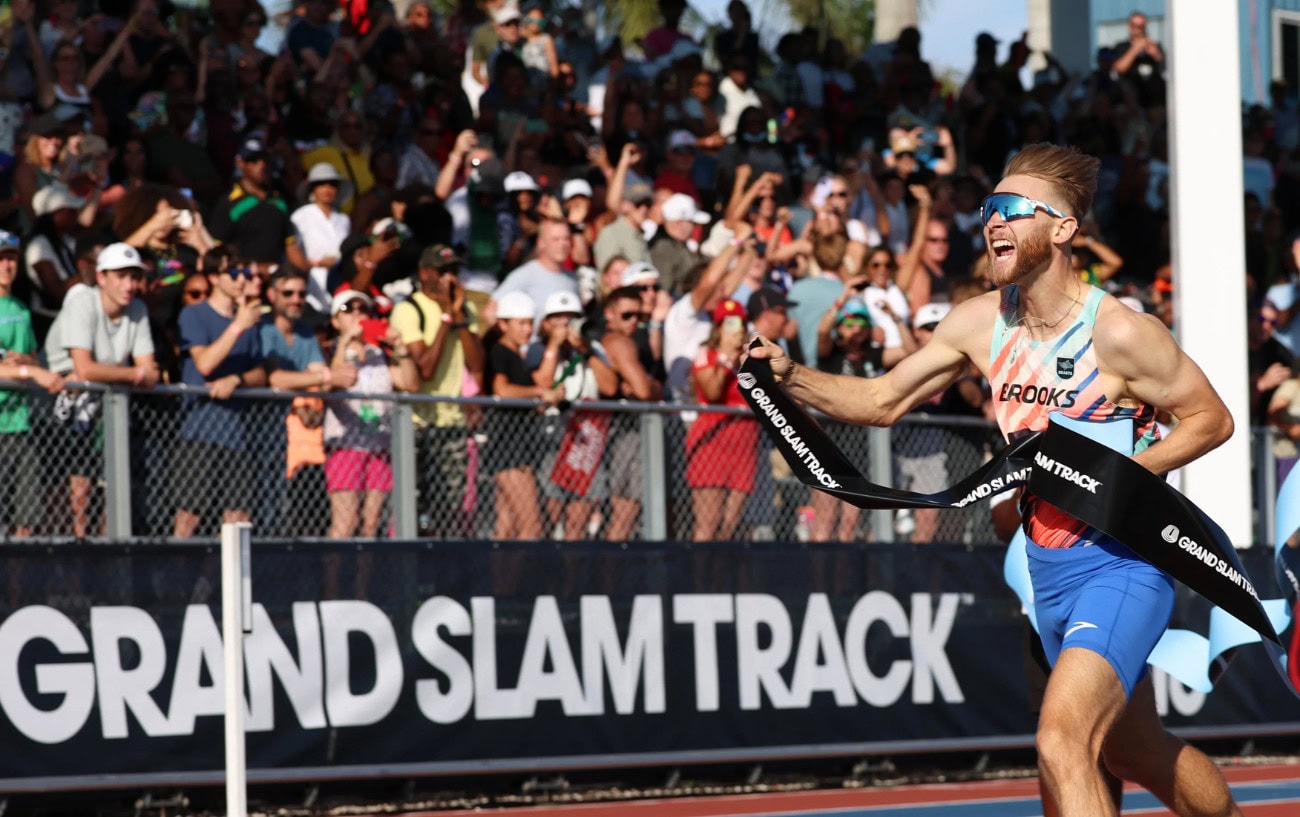
The league promised prize money so big it was almost unheard of in the sport, opened in Kingston to light crowds, staged two more meets in Miami and Philadelphia, then abruptly canceled its Los Angeles finale long after the money dried up.
Athletes continued racing long after funding had fallen through, only learning later that appearance fees and prize money weren’t coming.
As the situation unraveled over the summer, some athletes and agents reached out to World Athletics looking for a lifeline. Since then, the governing body has kept a close eye on the fallout, especially as bankruptcy filings detailed unpaid debts to athletes like Sydney McLaughlin-Levrone, Gabby Thomas, and Josh Kerr.
Coe was careful not to sound anti-innovation. If anything, he made it clear he wants new ideas, just not fragile ones.
“Over the next few years, there are going to be lots of different and new things,” he said. “But it’s got to be realistic. It’s got to be sustainable.”
He also drew an unspoken contrast with World Athletics’ own Ultimate Championships, set to debut next year, emphasizing that it’s been planned with long lead-times, broadcast strategy, and financial contingencies baked in. No happy accidents, and no just hoping it works out.
For Grand Slam Track, the message was simple. Fixing the finances is only step one. Rebuilding trust with athletes is step two. Convincing the sport’s governing body to let you back onto the calendar may be the hardest part of all.
Bankruptcy can be managed with lawyers and spreadsheets. A calendar spot and trust have to be earned back.
RunClub
Get more running stories — join RunClub
Daily running news, a community of 300,000+ runners, free training plans for every distance, and a daily running game. Free to join — no card.
Already a member? Log in →








Start the conversation