


The latest bankruptcy filing from Grand Slam Track does more than list who’s owed money. It shows, in plain numbers, how the league chose to spend the money it thought it had.
The details come from a deep dive by LetsRun.com, which combed through “Form 204” filings submitted this week as part of GST’s Chapter 11 case in Delaware.
Those documents offer a clearer picture of where the money went during the league’s short, expensive life. Three meets. More than $20 million spent. And some of the largest checks were written simply to get athletes to the start line.
For the first time, the filing breaks out not just unpaid prize money, but the scale of appearance fees promised to the sport’s biggest names, figures that help explain how GST burned through cash so quickly.
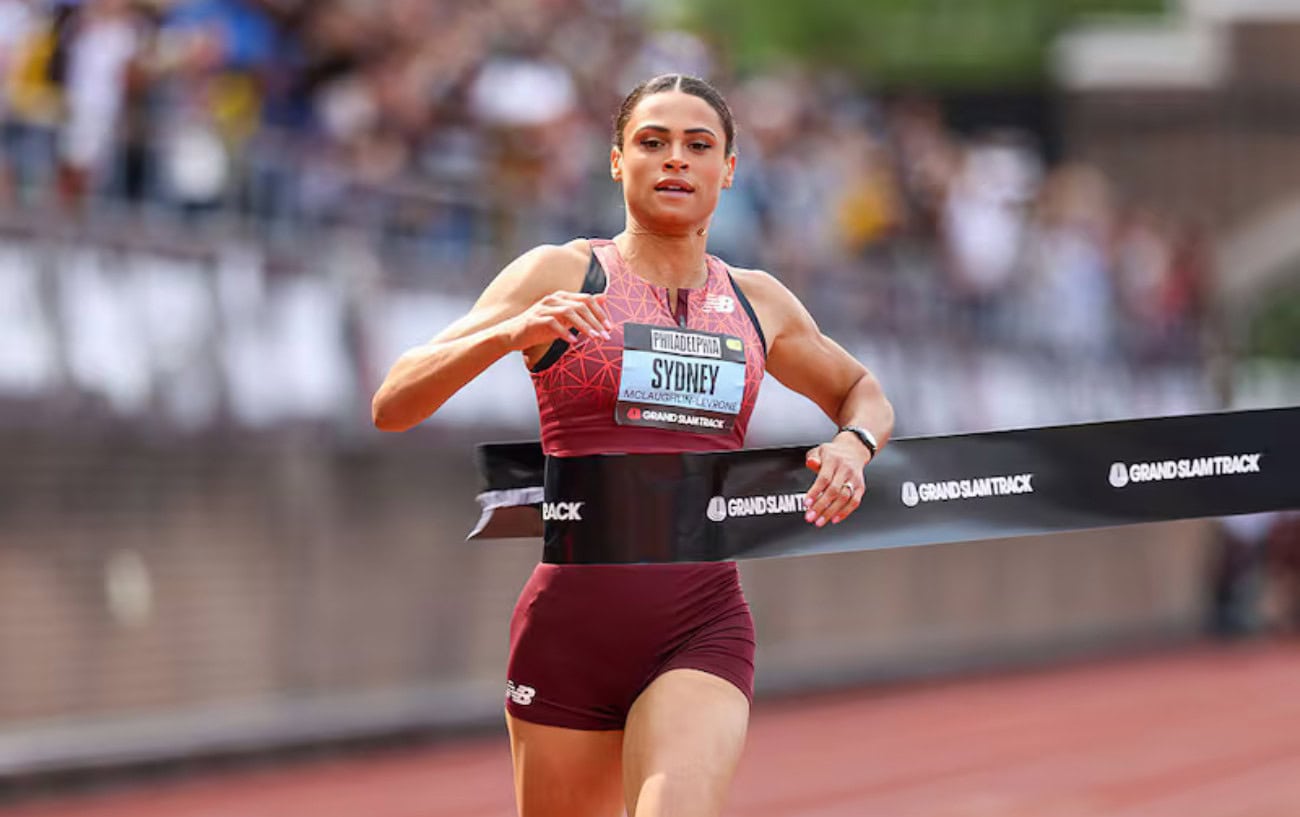
Sydney McLaughlin-Levrone tops the list. She is still owed $356,250, which court documents indicate includes $231,250 in unpaid appearance fees and $125,000 in prize money. That puts her estimated total appearance agreement around $462,500 for the season.
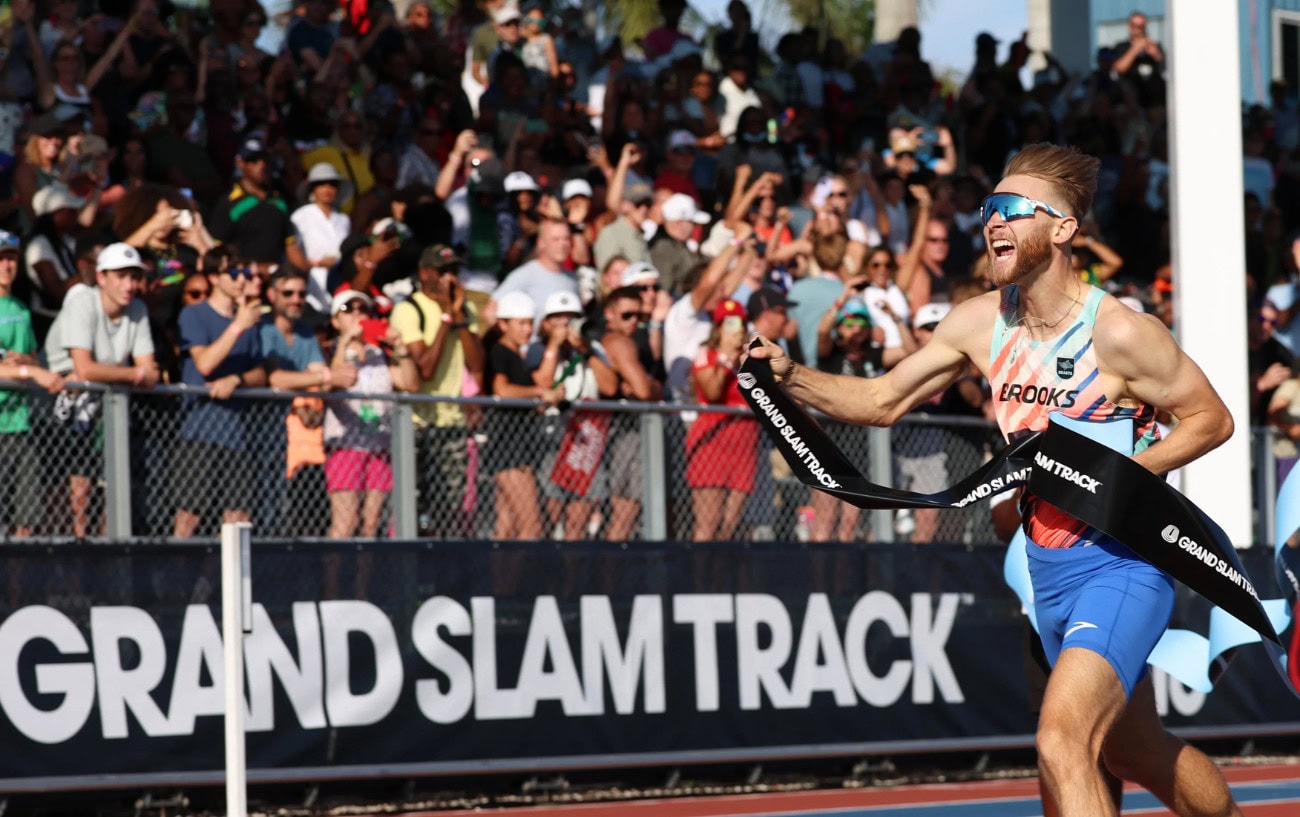
Gabby Thomas follows, owed $249,375, including roughly $159,375 in remaining appearance fees. Josh Kerr is listed at $218,750, Kenny Bednarek at $225,000, and Marileidy Paulino at $211,875. In each case, prize money makes up only part of the balance. The larger driver was what GST agreed to pay simply for participation.
Those figures are striking on their own. They’re even more revealing in context.
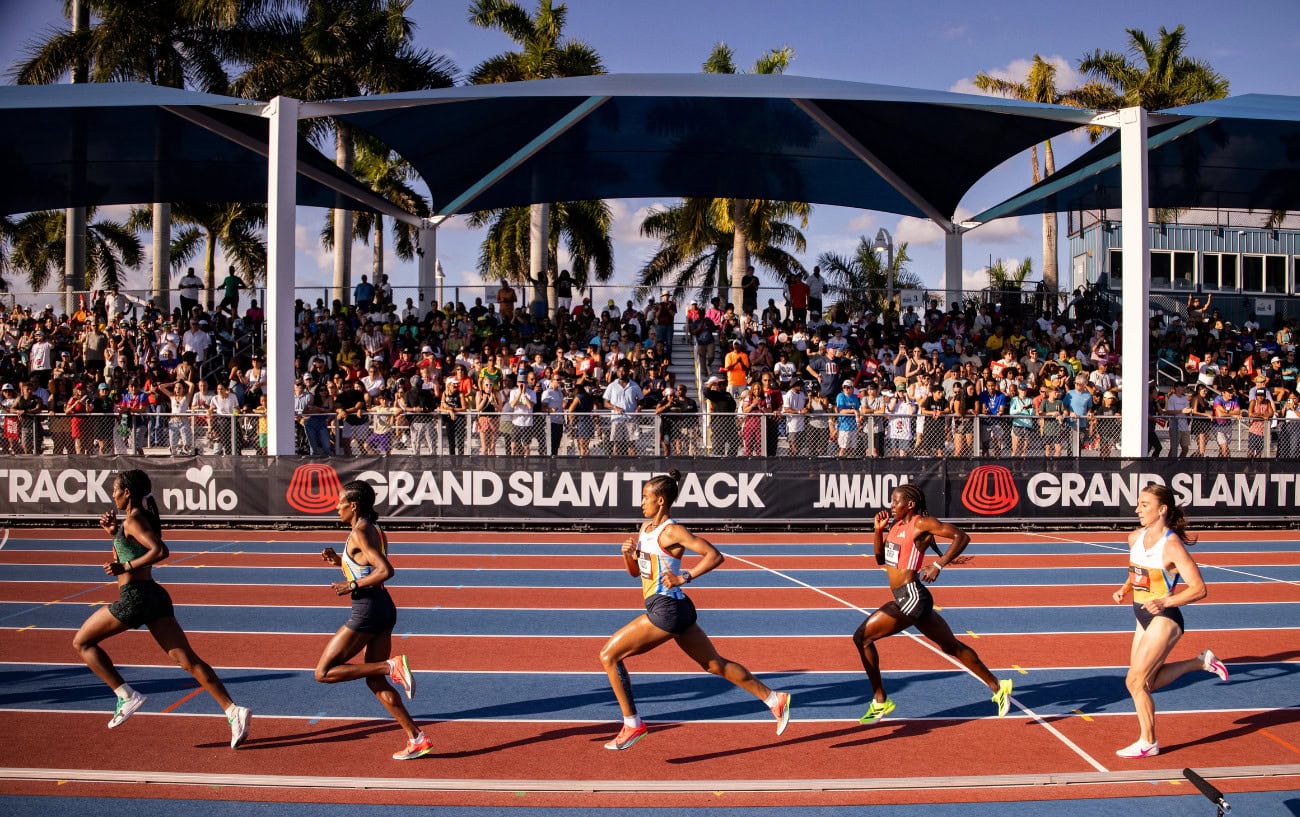
GST held just three meets, Kingston, Miami, and Philadelphia, after canceling the Los Angeles finale. It’s still unclear whether these appearance agreements were reduced once the fourth meet was scrapped, despite early indications that they would be honored. The filings also don’t clarify whether the totals include signing bonuses or promotional work completed ahead of the season.
What the documents do make clear is that GST leaned heavily on large guarantees to secure star power, then struggled to support those guarantees once funding fell through.
Broadcast costs alone swallowed a huge portion of the budget.
Momentum-CHP Partnership, responsible for TV production, is owed just over $3 million, or roughly $1 million per meet. Add nearly $700,000 owed to Girraphic for broadcast graphics and hundreds of thousands more to technology, communications, and marketing firms, and GST’s cost structure comes sharply into focus.
This wasn’t a lean start-up that ran out of luck. It was an expensive operation that ran out of runway.
The filing also reveals that Citius Mag is owed $272,915.80, making it the ninth-largest creditor, ahead of nearly every athlete except McLaughlin-Levrone. According to Citius founder Chris Chavez, that figure represents the full amount owed for 2025 services rather than a partial payment.
The relationship, which included coverage, production support, and promotional work, was not consistently disclosed as a paid partnership at the time, an issue that has since drawn scrutiny.
Taken together, the filings paint a picture of a league that spent aggressively on visibility, elite athletes, high-end broadcasts, and media partnerships, before it had the financial stability to sustain that approach.
When a key investor pulled back after the Kingston opener, the math stopped working. But the spending didn’t stop right away. Athletes kept racing. Vendors kept delivering. Payments quietly slipped.
Now those same athletes sit low in the creditor hierarchy as unsecured claimants. Even the partial appearance payments made earlier this fall could be subject to clawbacks as higher-priority creditors are paid first.
And it’s a tough pill to swallow for competitors who were promised guaranteed money and professional security.
RunClub
Get more running stories — join RunClub
Daily running news, a community of 300,000+ runners, free training plans for every distance, and a daily running game. Free to join — no card.
Already a member? Log in →








Start the conversation