


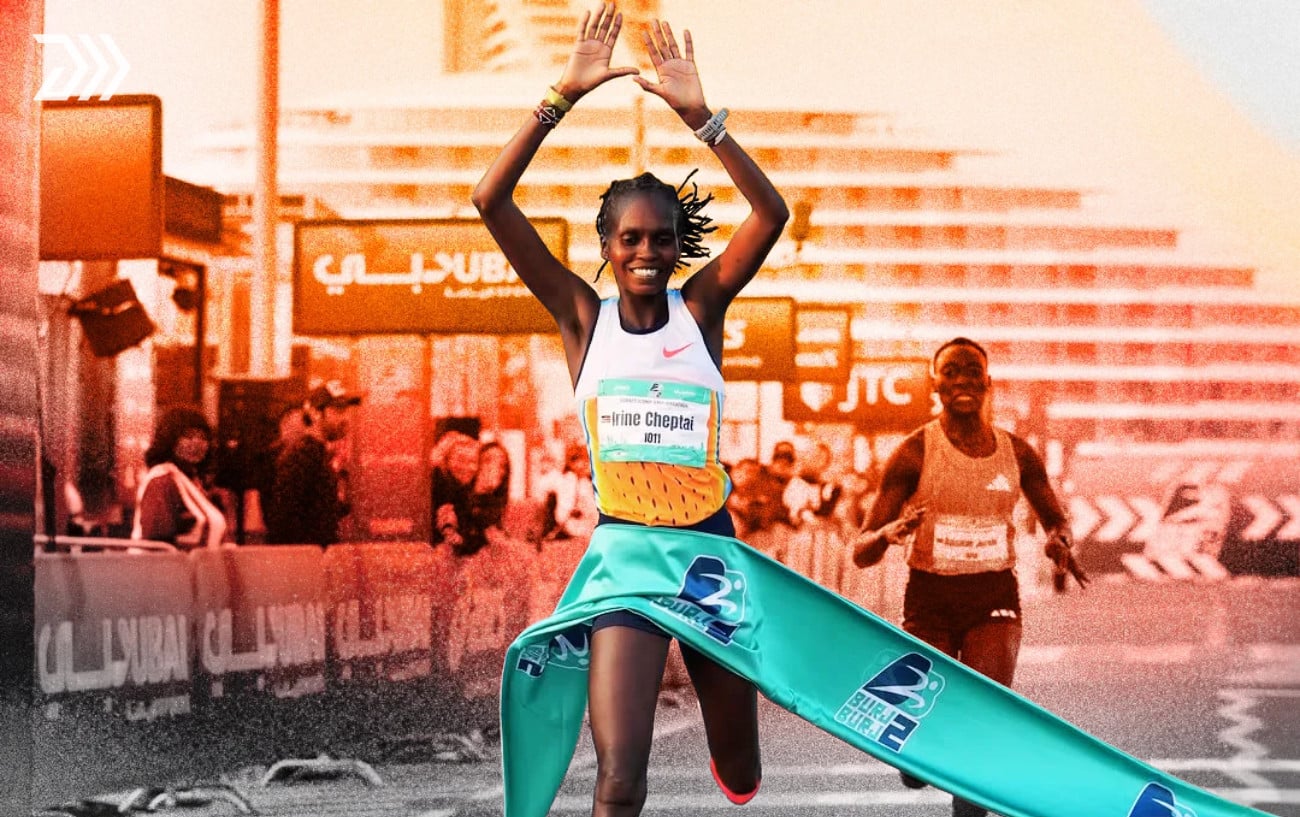
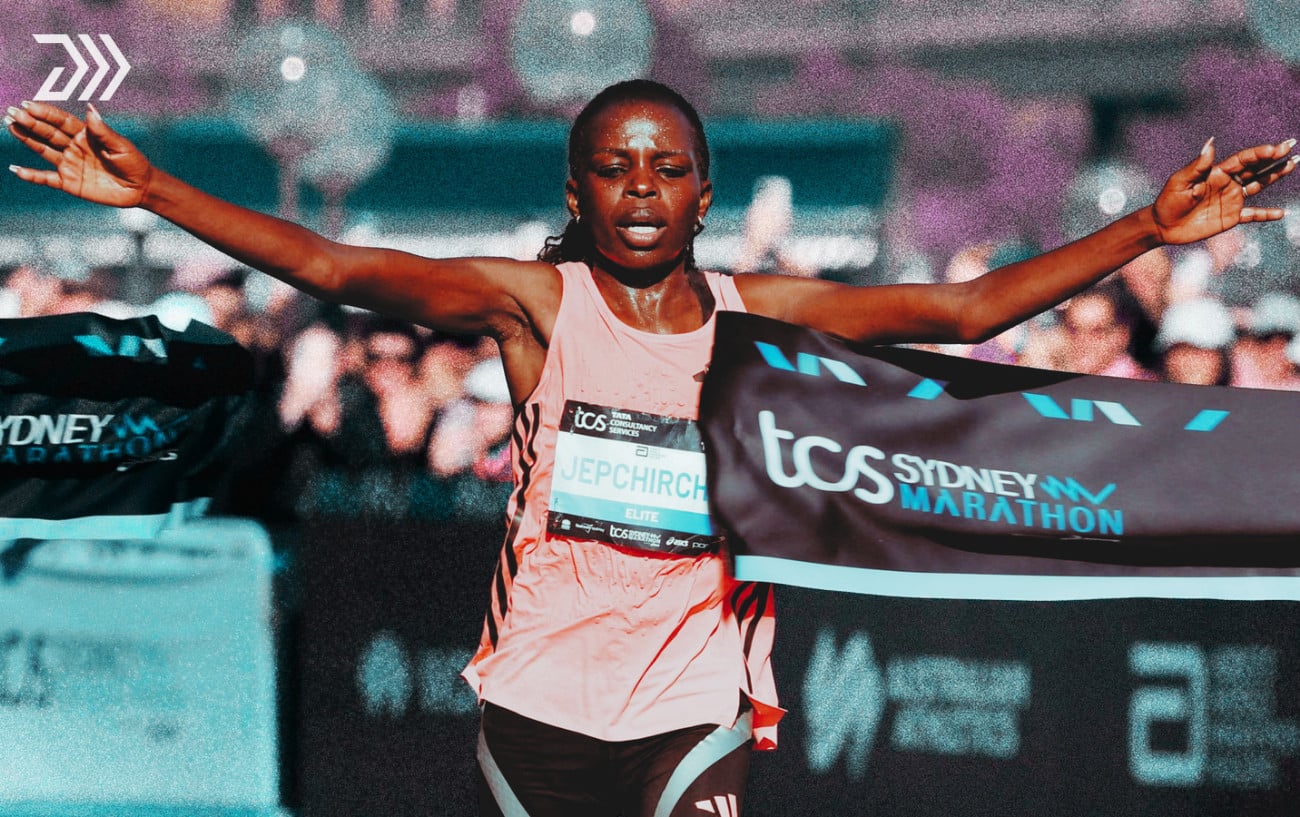
Irine Cheptai crossed the line second in Sydney on Aug. 30, in 2:22:11, quite a long way behind Peres Jepchirchir. She is a former world cross-country champion, won Commonwealth Games silver over 10,000m in 2022 and ran 2:17:51 for third in Chicago in 2024, so finishing runner-up at a major was a solid day’s work for her rather than a surprise.
On Friday, the Athletics Integrity Unit provisionally suspended Jepchirchir after a sample she gave about six weeks before the race returned an adverse finding for EPO, which means that result might not stay as it is. If the case ends in a ban, her Sydney win will be taken away and Cheptai will become the champion, months after the race and without ever having broken the tape.
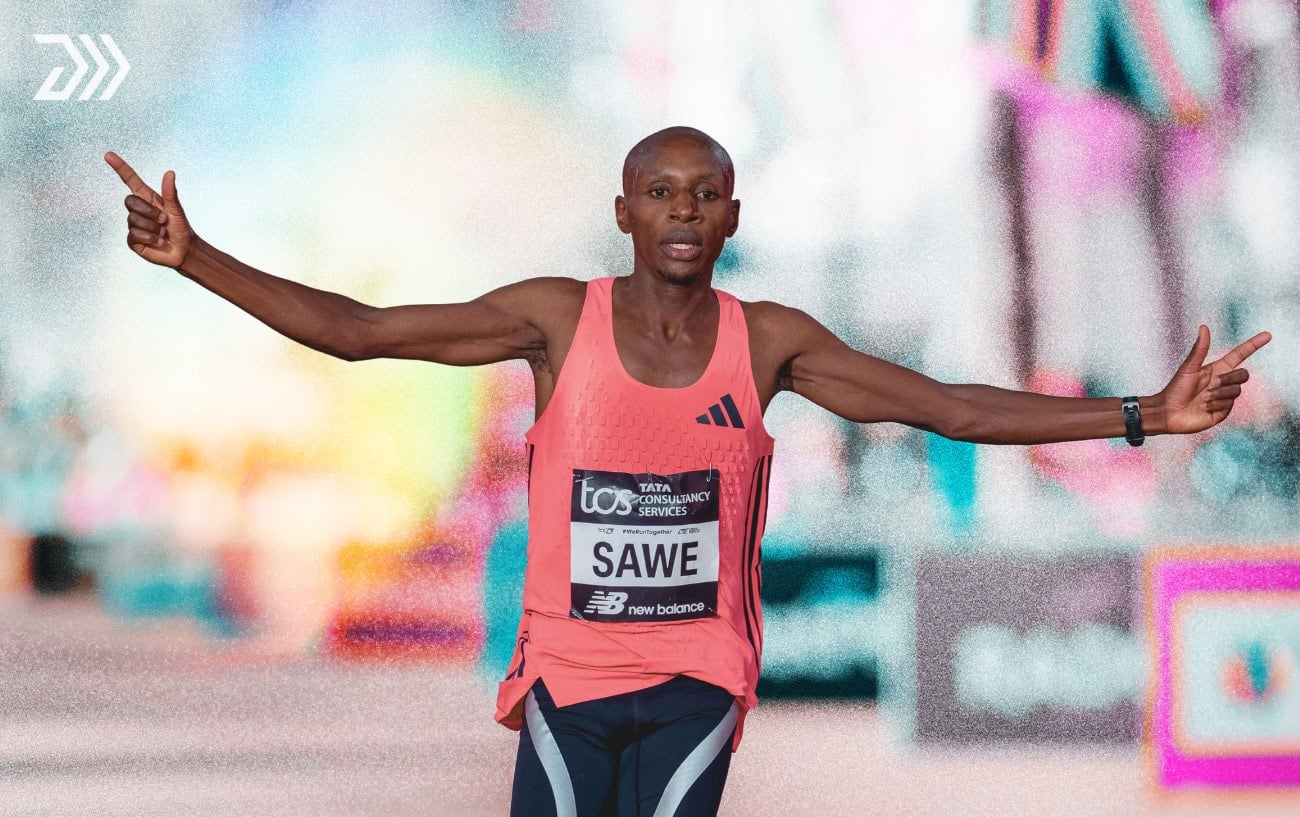
Brimin Kipkorir, who won the men’s race in Sydney in 2024, was banned for four years last year in an EPO case of his own, although his positive test came after the race and he kept that title. The sport keeps catching big names, but it still hasn’t worked out how to look after the runners they beat, and Cheptai may be about to find out whether anything has changed.
Jepchirchir’s representative, Gianni Demadonna, told LetsRun the sample was taken on July 17, yet her suspension wasn’t announced until Oct. 23, more than three months after the test and nearly two months after she won in Sydney.
EPO can take a while to confirm, and nobody wants an athlete named publicly before the result is certain, so the delay isn’t necessarily anyone’s fault. Kipkorir’s case shows how long it can drag on: his sample was collected in November 2024, the lab found one banned substance, furosemide, about three weeks later, and the EPO only turned up in further testing that February, it was reported. The catch is that a race can be run and a winner celebrated before anyone knows what a test taken weeks earlier will show.
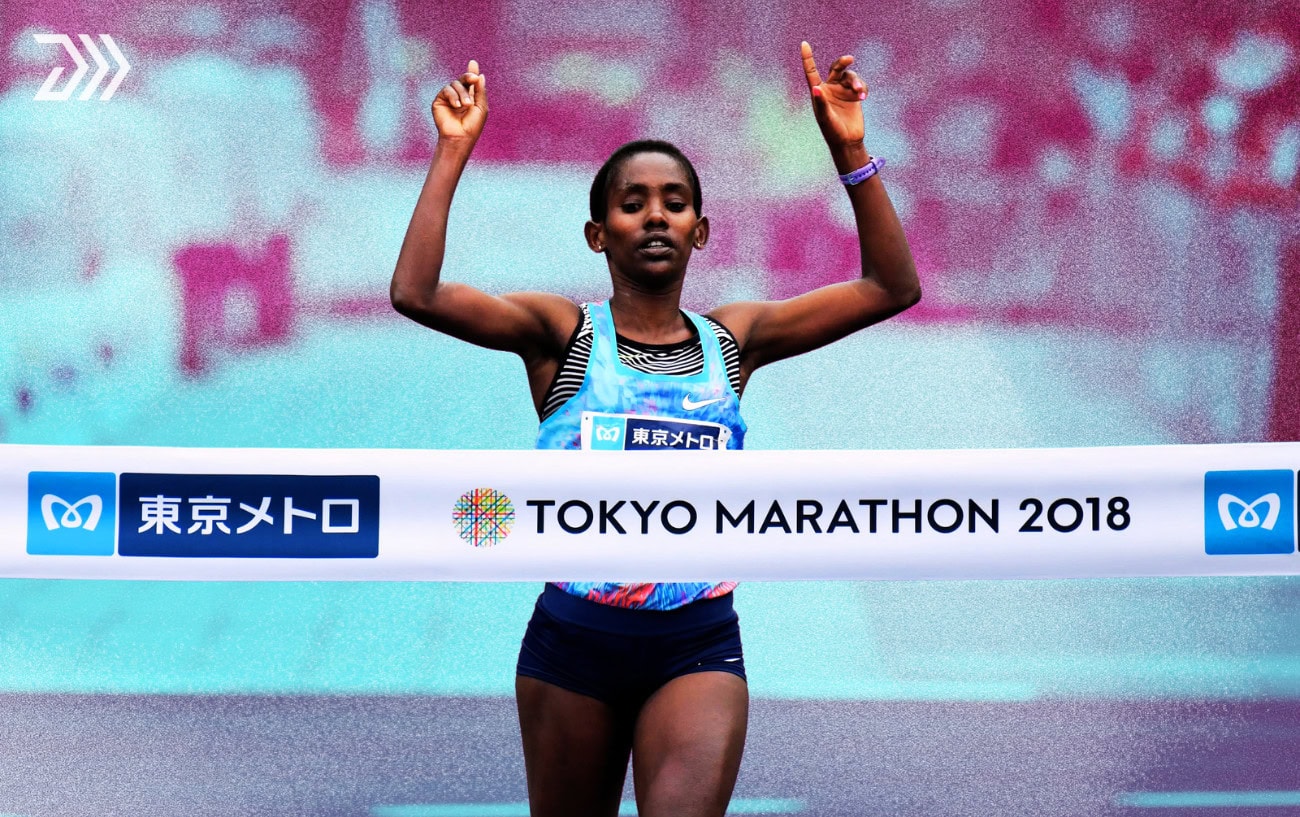
In 2014 Buzunesh Deba finished second in Boston in 2:19:59, behind Rita Jeptoo, and her story shows just how long a runner-up can be left waiting. Jeptoo later tested positive for EPO, and the Boston Athletic Association named Deba the winner in December 2016, more than two and a half years after the race.
Deba was owed $75,000, the gap between the first- and second-place prize money, plus a $25,000 course-record bonus, and getting that money took far longer than the title did. Citing World Athletics policies, the BAA held on to it while it tried to get Jeptoo to pay back her winnings. It was still trying in May 2024, when Doug Guyer, a businessman from the Philadelphia area who had never met Deba, wrote her a personal check for $75,000 even though World Athletics had already said nothing in its rules stopped the BAA from paying her first.
Six months later the BAA announced it would pay runners who had moved up the results because of doping cases. Deba received $103,000, which included $3,000 for moving from seventh to sixth at the 2016 race. “We are supporting athletes who competed in our events,” said Jack Fleming, the BAA’s chief executive.
It was the right decision, but it came more than a decade after she crossed the line, and Boston isn’t the only major with this problem: when we covered Deba’s story in 2024, Chicago was still trying to get $265,000 back from Liliya Shobukhova, and London hadn’t recovered any of the $55,000 it paid her for winning there in 2010.

When Diana Kipyokei, the 2021 Boston winner, was later banned for six years, the BAA moved faster, naming Edna Kiplagat the winner in December 2022, about 14 months after the race, and adjusting the prize money for the top finishers. Even so, Kiplagat, who had already won Boston in 2017, crossed the line in second place in 2021 and was handed the title in a press statement more than a year later.
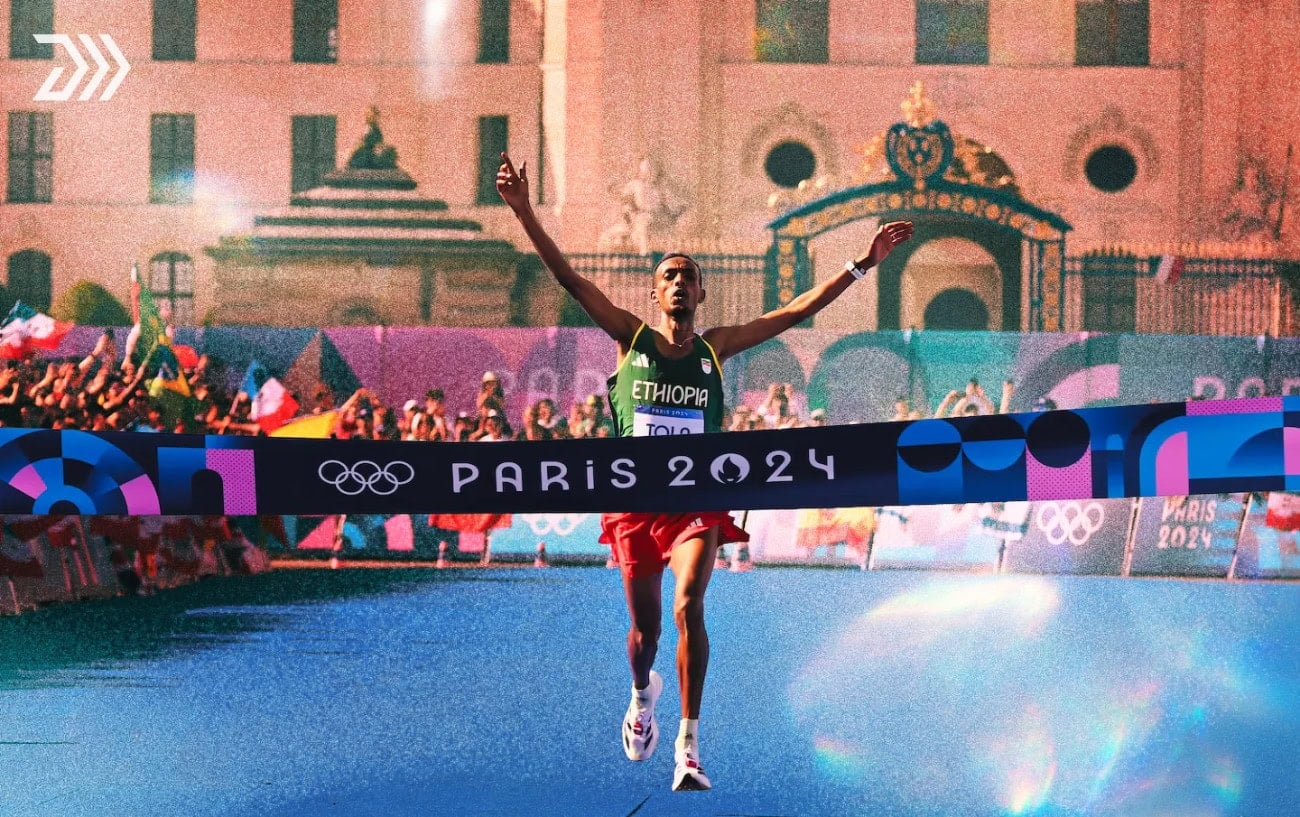
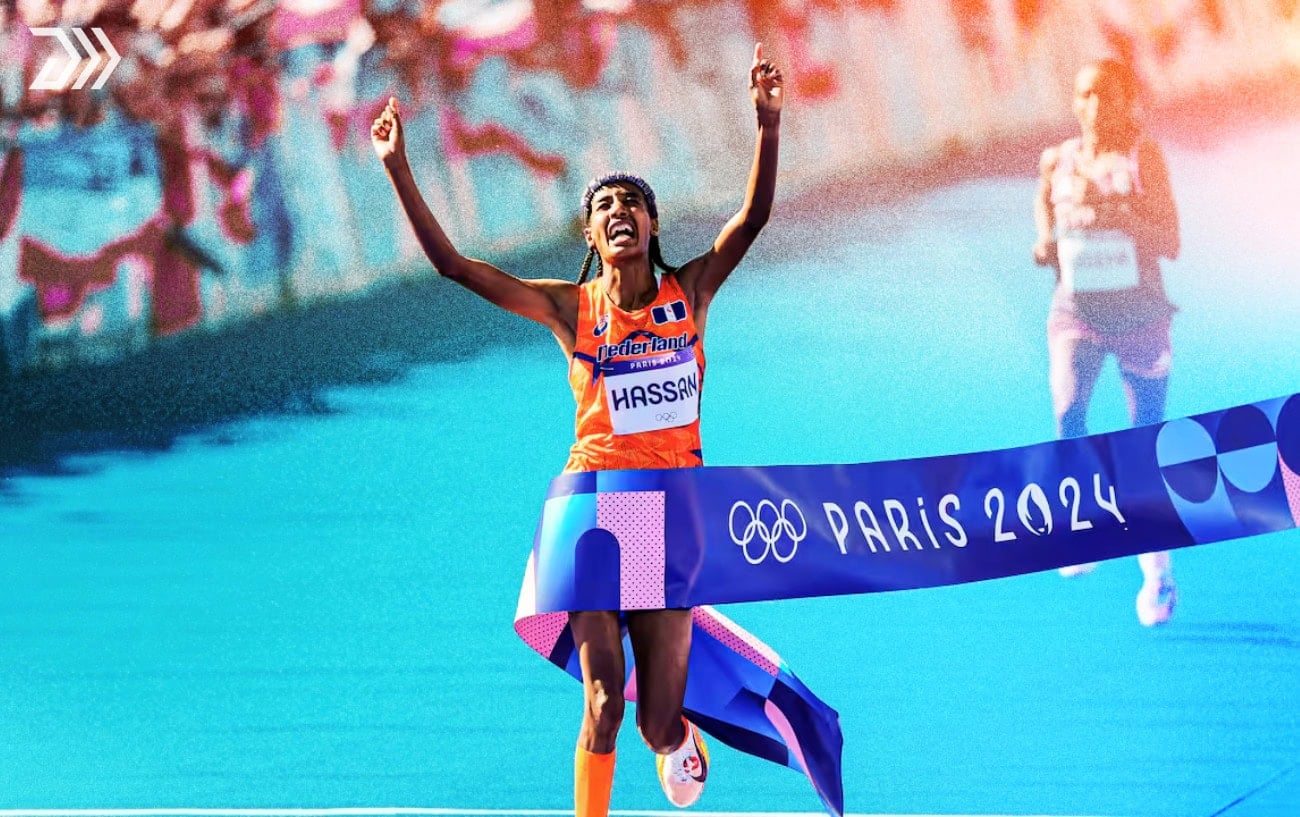
At the Paris Games in 2024, the IOC at least tried to give athletes in this position their moment back, holding ceremonies in the fan zone by the Trocadéro for athletes upgraded after doping cases, the first time it had done so during an Olympics. Lashinda Demus, who was moved up to gold from the 2012 Games, had pushed for a proper ceremony. “If I were to add it up, I probably lost millions,” she said, according to Yahoo Sports, and she described the ceremony as “closure.”
Elite contracts at the marathon majors already let organizers cut, suspend or claw back payments to athletes who commit doping violations, so the majors have more tools than most to fix this. Sydney said on Friday it has paid for extra out-of-competition testing with the AIU along with the other majors, and in the same statement it said “every participant and spectator deserves to trust the result they see at the finish line.” That’s a fair promise to make to fans, and it should hold for the runner who learns months later that she won.
Jepchirchir has the right to a hearing and an appeal, and Sydney has said it won’t comment until that process is over, which is the right call, so none of this can happen yet. If the case does end in a ban, though, Boston has already shown what fair looks like: pay the runner who moves up straight away, chase the money from the athlete who lost the result separately, and give the new champion her moment at next year’s race.
But for now, the Sydney result still reads Jepchirchir first in 2:18:31 and Cheptai second in 2:22:11, and Demadonna said more from the AIU could come soon. If that order changes, Cheptai will have won the biggest marathon of her career without ever breaking the tape. The least she deserves is not to wait years, or rely on a stranger’s kindness, to be paid for it.
RunClub
Get more running stories — join RunClub
Daily running news, a community of 300,000+ runners, free training plans for every distance, and a daily running game. Free to join — no card.
Already a member? Log in →



Start the conversation