


Around this time last year, Vinny Mauri had finished college and was sending out job applications, with no real plan and not much running in his week. “My girlfriend and I and my parents are like, ‘Hey, where were you a year ago?'” he told Marathon Handbook in an interview during Chicago Marathon week. “I was applying for jobs right out of college. I didn’t know what I was doing. I wasn’t really running at the time.”
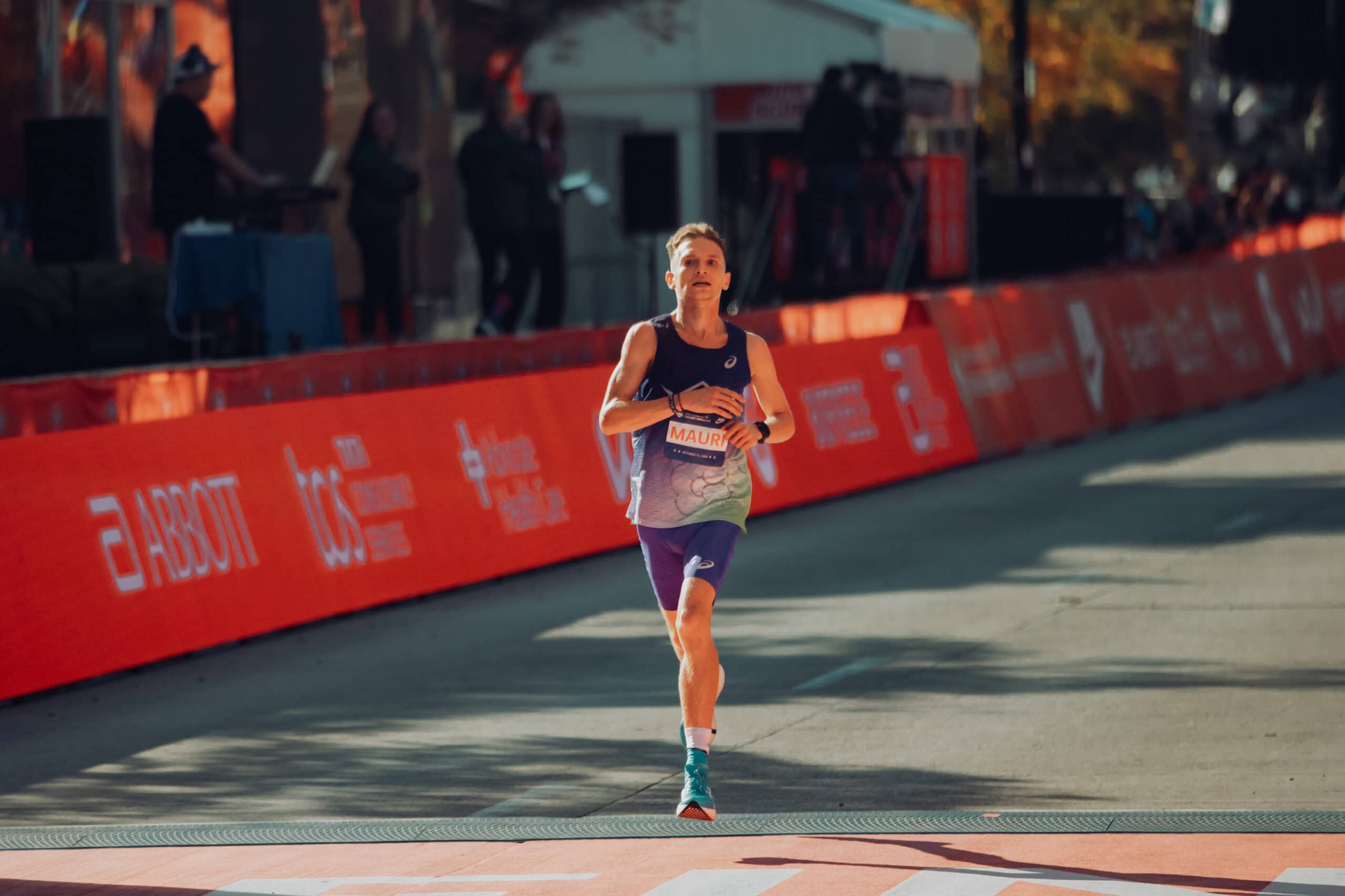
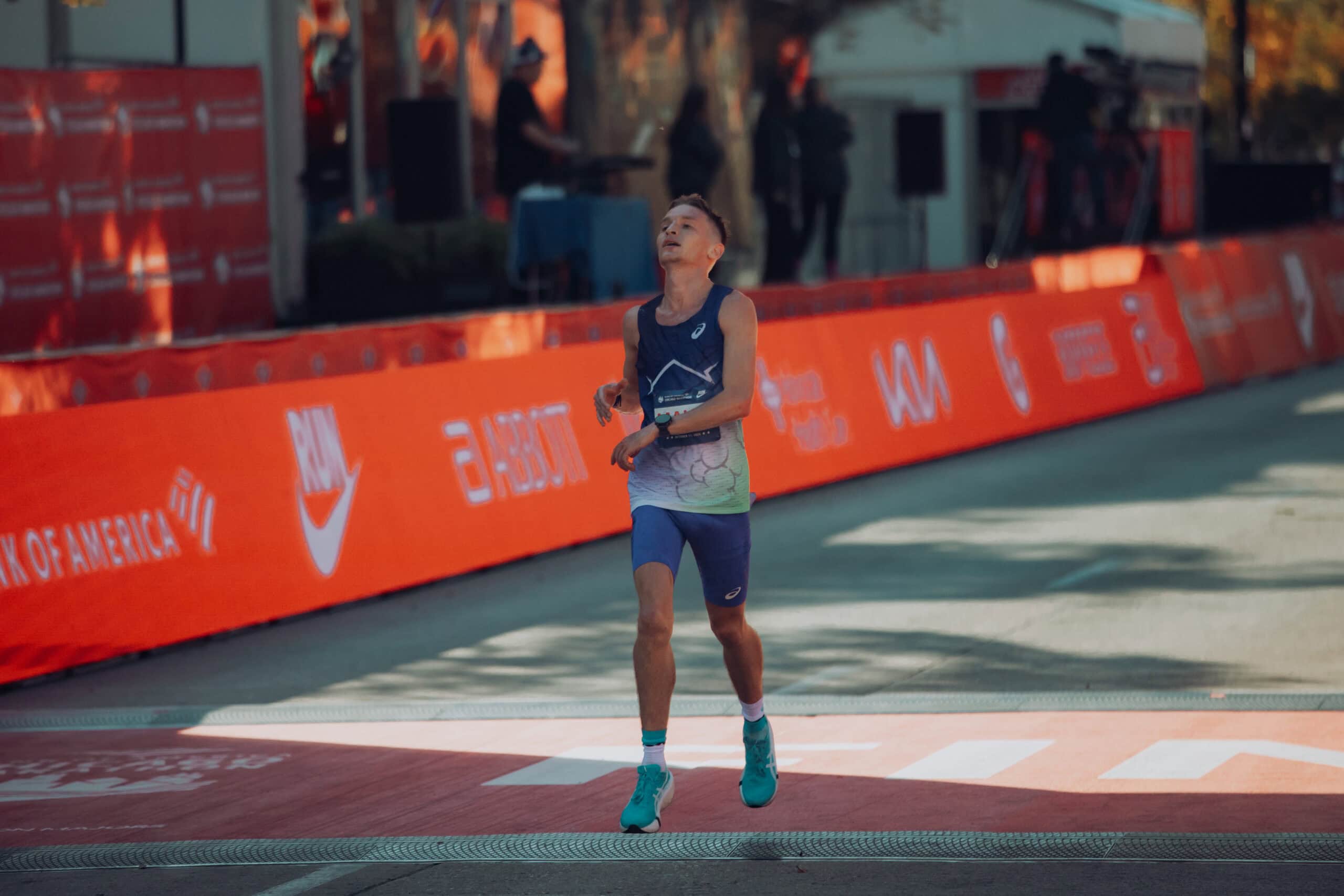
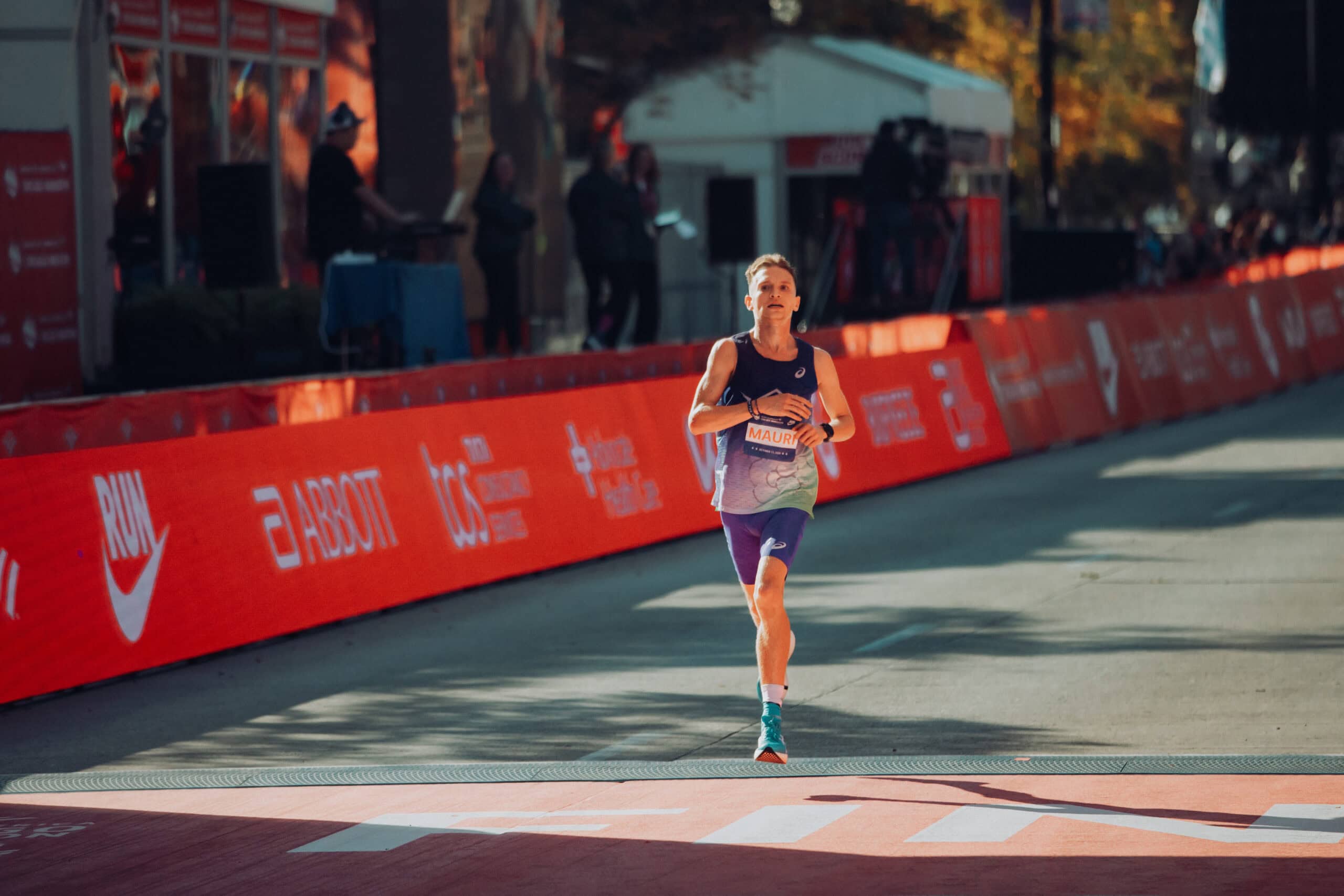
We have followed most of what came after. He didn’t find a job he loved, and he decided to give himself a year to “figure out this marathon thing,” his Notre Dame coach Chris Neal told LetsRun this spring. He moved back home to Ohio, took a part-time job at a Second Sole running store and started writing his own training, then won the Glass City Marathon in April in 2:05:54, the fastest marathon debut ever run by an American. He spent the summer on Planet Fitness treadmills, signed with ASICS in September, and on Sunday ran on American record pace through 30K in Chicago before finishing 10th in 2:06:45.
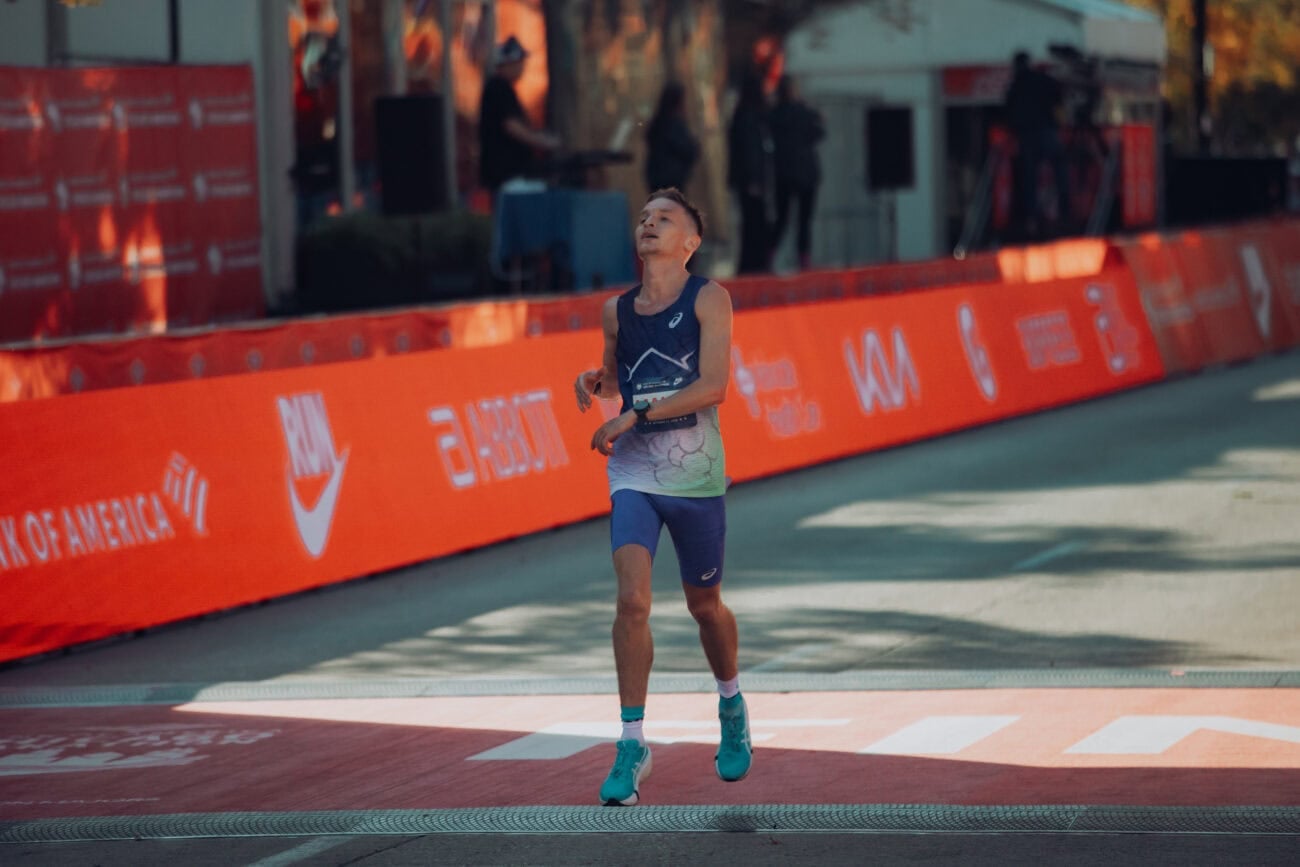
He went into that race still a little amazed to be in it. “Fast forward to now, it’s like I’m getting to do what I love,” he said. “I already did a very cool thing for myself that I never thought I’d accomplish in April.” He called the professional side of the sport “a completely different world” that he was still learning. The American record was in the back of his mind, but only just. “Everything else is a cherry on top right now.”
He still lives with his parents, neither of whom ran, and he says they never questioned him when he told them he was going to try the marathon. “I think they knew deep down that something good was to come,” he said. They had watched him carry what he called “a chip on my shoulder” through a college career at Arizona State and Notre Dame where, in his words, “I was always going up to these big races injured or like fallen back.” He still ran 3:59.05 for the mile at Notre Dame, around two femoral neck stress fractures that Neal said came at the end of the 2024 and 2025 indoor seasons.
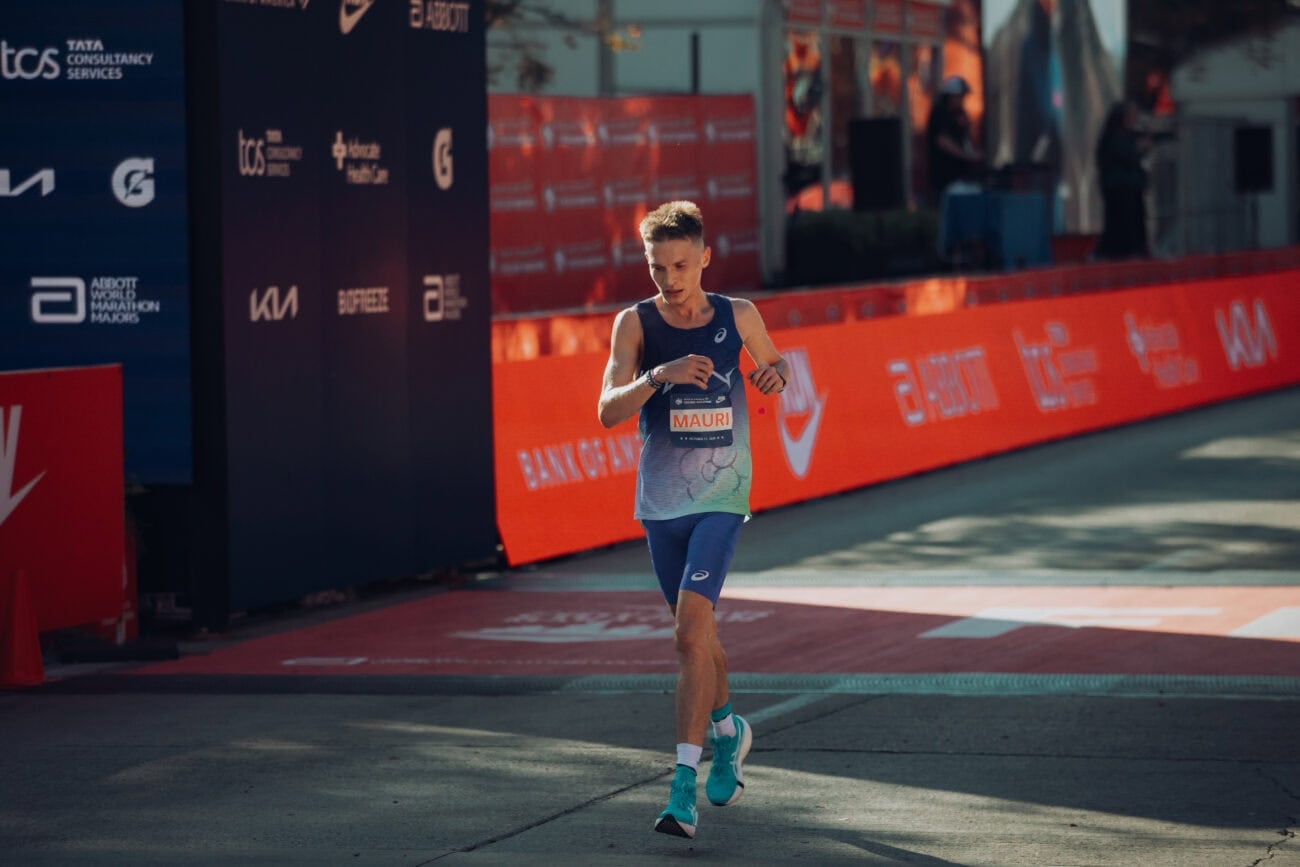
Looking back on those years, Mauri almost feels bad, he said, that he didn’t perform the way he should have, and puts it down to not taking care of his body or listening to it well enough. Ask his old coaches and teammates whether a 2:05 surprised them, he thinks, and the answer would be “It’s very good, but not really.” The people who know him have always known he can push hard, he said, and the open question has been whether he can hold himself back enough to let the work pay off. Neal saw it the same way, putting most of Mauri’s college setbacks down to “being too fit at the wrong time.”
In Chicago he pushed, leaving the pacers before halfway and running 14:28 between 20K and 25K, and a hamstring forced him to stop and stretch more than once in the last miles, though he was in no mood to complain about it. “How could I ever be upset with that after going for it?” he told LetsRun after the race.
RunClub
Get more running stories — join RunClub
Daily running news, a community of 300,000+ runners, free training plans for every distance, and a daily running game. Free to join — no card.
Already a member? Log in →





Start the conversation